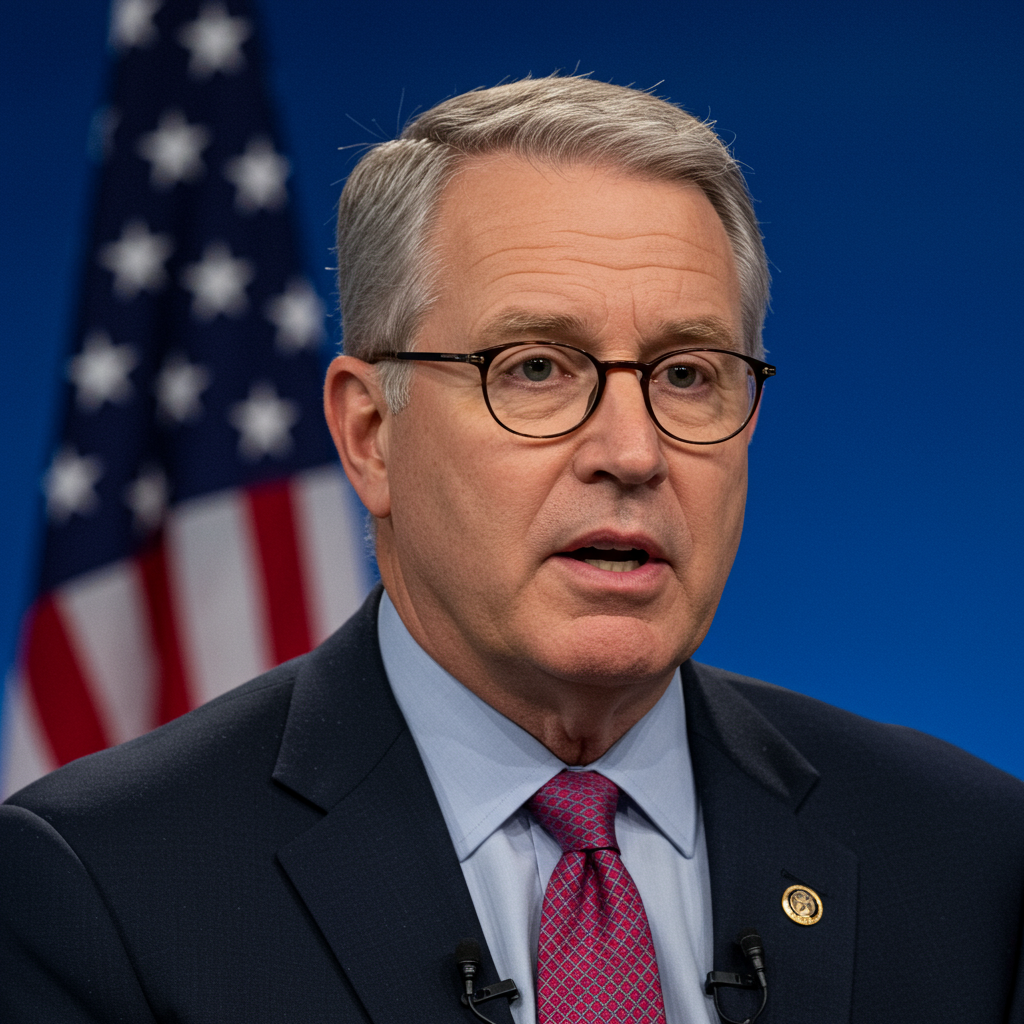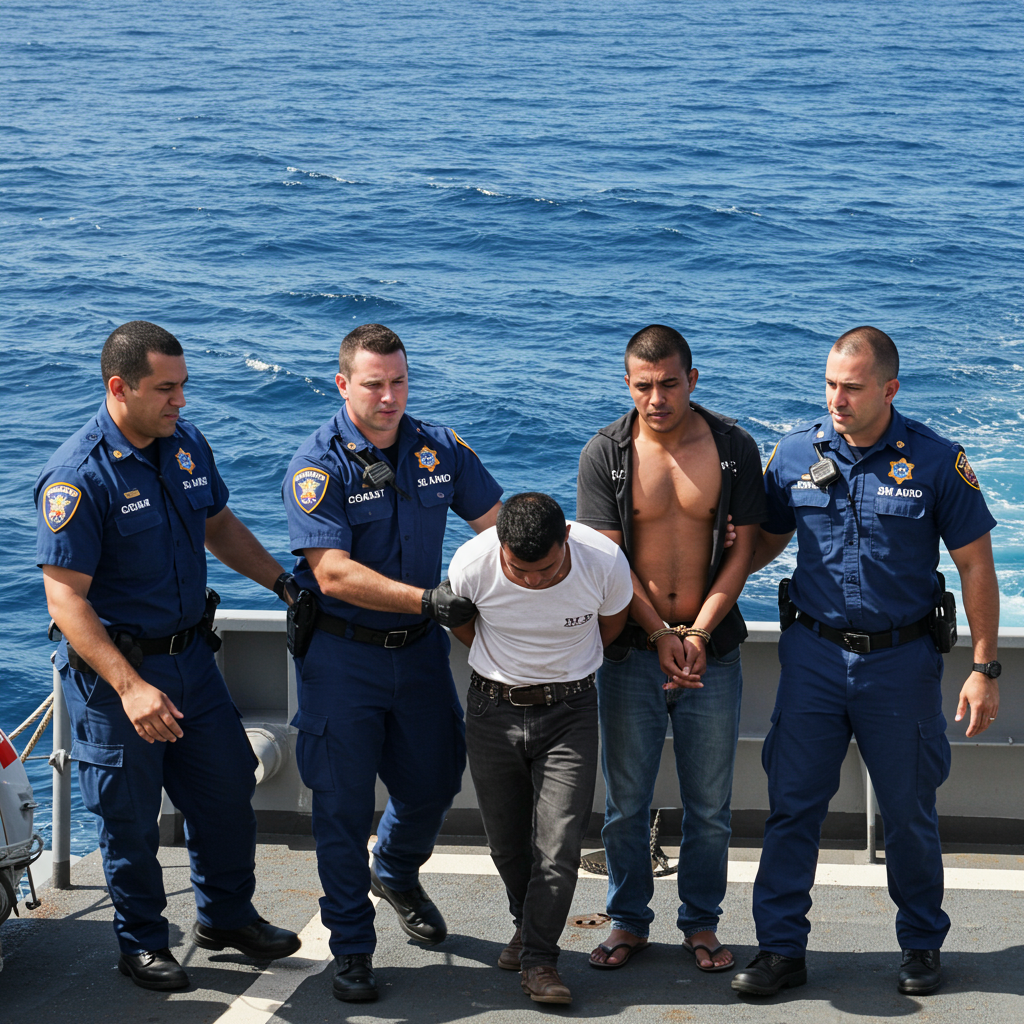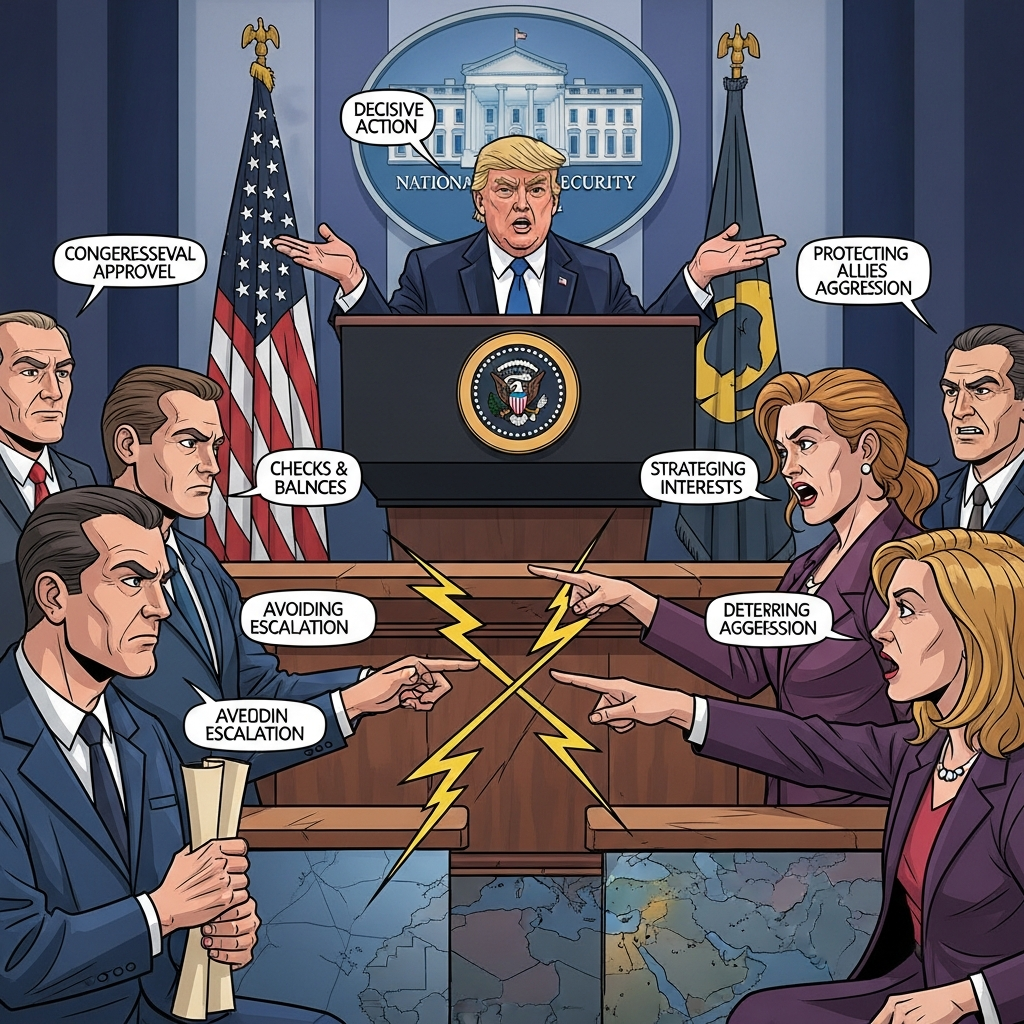
President Donald Trump’s decision to launch military strikes on Iran has exposed a significant and enduring fissure within the Democratic Party. As U.S. and Israeli forces executed an operation that reportedly resulted in the death of Iran’s Supreme Leader, Ayatollah Ali Khamenei, the immediate fallout saw Democrats grappling with a complex foreign policy challenge, highlighting deep ideological divides between its peace-oriented and interventionist factions. This internal struggle, a recurring theme for the party, casts a long shadow over their ability to present a unified front on national security ahead of crucial midterm elections.
A Deep Rift Emerges Over Middle East Policy
The initial reactions to the strikes on Iran were anything but uniform among Democrats. While many immediately condemned President Trump for what they deemed an illegal and dangerous escalation, others, particularly from battleground districts or those with strong national security backgrounds, adopted a more cautious or even supportive tone. This immediate polarization underscored a fundamental disagreement on the appropriate use of military force and the extent of presidential authority in foreign conflicts.
Echoes of Past Debates on Intervention
This division is not new; it reflects a two-decade-long intraparty struggle that has previously manifested in votes on the Iraq War in 2002, the Yemen War Powers resolution in 2019, and the 2020 strike against Iranian commander Qasem Soleimani. Veteran Democratic strategist Mark Longabaugh noted the persistent presence of both a “peace wing” and a “more interventionist wing” within the party. These historical precedents illustrate the deep roots of the current debate and the ongoing challenge for Democrats to forge a coherent foreign policy message. The ongoing shifts in global power dynamics further complicate these discussions.
The Constitutional Crucible: War Powers in Question
A central point of contention for many Democrats was President Trump’s decision to proceed with major combat operations in Iran without explicit congressional authorization. While the White House notified the “Gang of Eight” – top congressional leaders and intelligence committee chairs – shortly before the operation, this was a notification, not a request for approval. The Armed Services Committees were reportedly informed only after the strikes had commenced, raising serious constitutional questions about the separation of powers.
Democratic Leaders’ Cautious Stance and Demands for Accountability
Senate Minority Leader Chuck Schumer and House Minority Leader Hakeem Jeffries, while emphasizing that Iran must never obtain nuclear weapons, focused their immediate responses on the process. They urgently called for classified briefings and a vote on further action, insisting the administration provide an “ironclad justification” and a clear national security objective. Jeffries voiced concerns about avoiding “another costly, prolonged military quagmire,” reflecting lessons learned from past engagements in Iraq, Libya, and Afghanistan. This nuanced approach sought to balance national security concerns with a firm demand for congressional oversight, a crucial aspect of U.S. foreign policy.
Bipartisan Calls for Congressional Oversight
The strikes galvanized a renewed push for Congress to reclaim its constitutional war powers. Republican Rep. Thomas Massie (R-Ky.) and Democratic Rep. Ro Khanna (D-Calif.) were already preparing a House resolution to curb presidential military intervention without congressional approval. Similar bipartisan efforts were anticipated in the Senate from Sens. Tim Kaine (D-Va.) and Rand Paul (R-Ky.). These “privileged” resolutions are designed to guarantee a vote, forcing members to take a public stand on the extent of executive power in military actions, a critical issue for upholding democratic principles.
Inside the Democratic Divide: Factions and Figures
The internal Democratic debate showcased a spectrum of responses, revealing the complex interplay of ideology, political calculus, and regional considerations.
The Peace Wing’s Outcry: “No War with Iran”
Progressives swiftly and unequivocally condemned the strikes. Senators Bernie Sanders (I-Vt.) and Jeff Merkley (D-Ore.) declared “no war with Iran,” calling the action “dangerously illegal,” “totally unnecessary,” and potentially “catastrophic.” Rep. Alexandria Ocasio-Cortez (D-N.Y.) and Sen. Chris Murphy (D-Conn.) warned against steering the U.S. towards another “disaster” in the region. Even former Vice President Kamala Harris expressed strong opposition to a “regime-change war in Iran,” stating, “I know the threat that Iran poses… but this is not the way to dismantle that threat.” Matt Duss, a former foreign policy adviser to Sen. Bernie Sanders, critically described Democratic leadership statements as “pathetic” for merely demanding explanations instead of strong substantive opposition, highlighting a perceived disconnect with the party’s anti-war base.
Moderates and Interventionists Weigh In
On the other end of the spectrum, some Democrats broke ranks to support the strikes. Sen. John Fetterman (D-Pa.) and Rep. Josh Gottheimer (D-N.J.), both staunch supporters of Israel, praised Trump for defending national security and being “willing to do what’s right and necessary to produce real peace in the region.” They emphasized the importance of confronting Iran’s threat. Other lawmakers, like Sen. Elissa Slotkin (D-Mich.) and Rep. Henry Cuellar (D-Texas), while not explicitly calling for an end to the operation, demanded justification and briefings, signaling a desire for accountability without outright opposition. Rep. Tom Suozzi (D-N.Y.), a swing-seat Democrat, even appeared to defend Trump’s initial briefing process while still calling for congressional authorization moving forward.
Broader Political Ramifications and the “America First” Contradiction
Beyond the immediate policy debate, Democrats quickly seized on the strikes as a campaign cudgel against President Trump. They accused him of violating his “America First” doctrine and breaking his promise to end “endless wars,” a narrative bolstered by past comments from Trump allies denouncing prolonged conflicts. Sen. Ruben Gallego (D-Ariz.) bluntly rejected the war as “wrong,” stating that “Trump ran on exposing the pedophiles and stopping wars. Trump is now protecting pedophiles and starting wars.”
The Looming Midterm Challenge
The internal divisions revealed by the Iran strikes present a significant challenge for Democrats heading into the midterms. Trump’s aggressive use of military force could become a defining flashpoint, making it difficult for the party to craft a unified and compelling foreign policy message. This struggle underscores the delicate balance Democrats must strike between condemning unilateral executive action and addressing legitimate national security concerns.
Expert Perspectives: Unpacking the Rationale and Response
Matt Duss, a foreign policy expert, critically examined the Trump administration’s justifications for the strikes, noting a “buffet of reasons” that lacked a coherent case for war. He argued that none of the stated reasons constituted an “imminent threat” to the U.S., suggesting a true urgency might instead lie in Iran’s reconstituting its defensive missile capacity. Duss drew parallels to the lead-up to the Iraq War, finding Trump’s case “barely any attempt” to justify the action to the American public or Congress. He advocated for President Obama’s diplomatic approach, which successfully managed Iran’s nuclear program through international agreements, an opportunity he believes was “squandered” by both the Trump and Biden administrations. Duss concluded that the fundamental issue isn’t merely legal but a “broken politics” where presidents are overly comfortable with military action on flimsy pretexts.
Regional Reactions: The View from Wisconsin
The partisan divide seen nationally was mirrored within Wisconsin’s congressional delegation. Democratic Senator Tammy Baldwin sharply criticized Trump for “illegally bomb[ing] Iran,” disregarding the Constitution, and initiating “another endless war.” Rep. Gwen Moore denounced the strikes as a “lawless military operation,” urging a vote on the War Powers Resolution. Rep. Mark Pocan accused Trump of using the strikes to “divert your attention” from domestic issues.
In stark contrast, Republicans largely supported the action. Sen. Ron Johnson expressed concern for U.S. servicemembers “as they attempt to liberate the long suffering people of Iran.” Rep. Derrick Van Orden took an aggressive stance, stating that “Iran has been at war with the U.S. for 47 years” and rebuking critics of Trump’s actions. Other Republican representatives focused solely on supporting troops or used the event for domestic political attacks, showcasing a clear partisan chasm.
Frequently Asked Questions
What constitutional debate surrounds President Trump’s military strikes on Iran?
President Trump’s military strikes on Iran reignited a long-standing constitutional debate over presidential war powers versus Congress’s explicit authority to declare war. Critics, particularly Democrats, argued that the notification provided to congressional leaders was insufficient and that launching major combat operations without explicit congressional authorization violated Article I of the Constitution and the 1973 War Powers Act. They emphasized the need for deliberation and a vote by the legislative branch before committing U.S. forces to war.
Which factions within the Democratic Party expressed differing views on Trump’s Iran strikes?
The Democratic Party exhibited a clear split. The “peace wing,” including progressives like Sens. Bernie Sanders, Jeff Merkley, and Rep. Alexandria Ocasio-Cortez, along with former VP Kamala Harris, vehemently condemned the strikes as illegal, unnecessary, and a move toward regime change. Conversely, a more “interventionist wing” or moderate faction, including Sen. John Fetterman and Rep. Josh Gottheimer, supported the strikes, citing national security and the need to confront Iran. Party leaders like Chuck Schumer and Hakeem Jeffries initially adopted a cautious tone, demanding briefings and votes rather than outright condemnation.
How might the Democratic Party’s division on Iran policy impact future U.S. foreign relations and domestic elections?
The Democratic Party’s internal division on Iran policy could significantly complicate future U.S. foreign relations by creating an inconsistent message on military intervention and executive authority. Domestically, this split makes it challenging for Democrats to present a unified foreign policy message, potentially allowing opponents to highlight perceived weaknesses or ideological inconsistencies. As Trump’s actions became a “campaign cudgel” regarding his “America First” and “endless wars” promises, this issue could become a defining flashpoint in future elections, especially midterms, influencing voter perception and party cohesion.
The Enduring Challenge for Democrats
The deep ideological fissures revealed by President Trump’s Iran strikes underscore an enduring challenge for the Democratic Party: how to reconcile its peace-oriented base with calls for robust national security and interventionist foreign policy. This internal conflict, exacerbated by constitutional questions surrounding executive war powers, will continue to shape the party’s message and strategy as it navigates complex global dynamics. The ability of Democrats to forge a coherent and unified stance on such critical international issues will be crucial for their political future and for the direction of U.S. foreign policy.