NASA’s ambitious Artemis program, aiming to return humanity to the Moon and establish a sustainable lunar presence, is not a static endeavor. It’s a dynamic journey marked by significant changes, evolving timelines, and strategic adjustments. This ultimate guide delves into the crucial shifts impacting Artemis, offering a clear understanding of its progress, challenges, and future direction. From mission schedules to technological developments and international partnerships, we explore how NASA is adapting its bold vision for lunar exploration. Understanding these modifications is essential for anyone tracking the exciting next chapter of human spaceflight.
Understanding Artemis: A New Era of Lunar Exploration
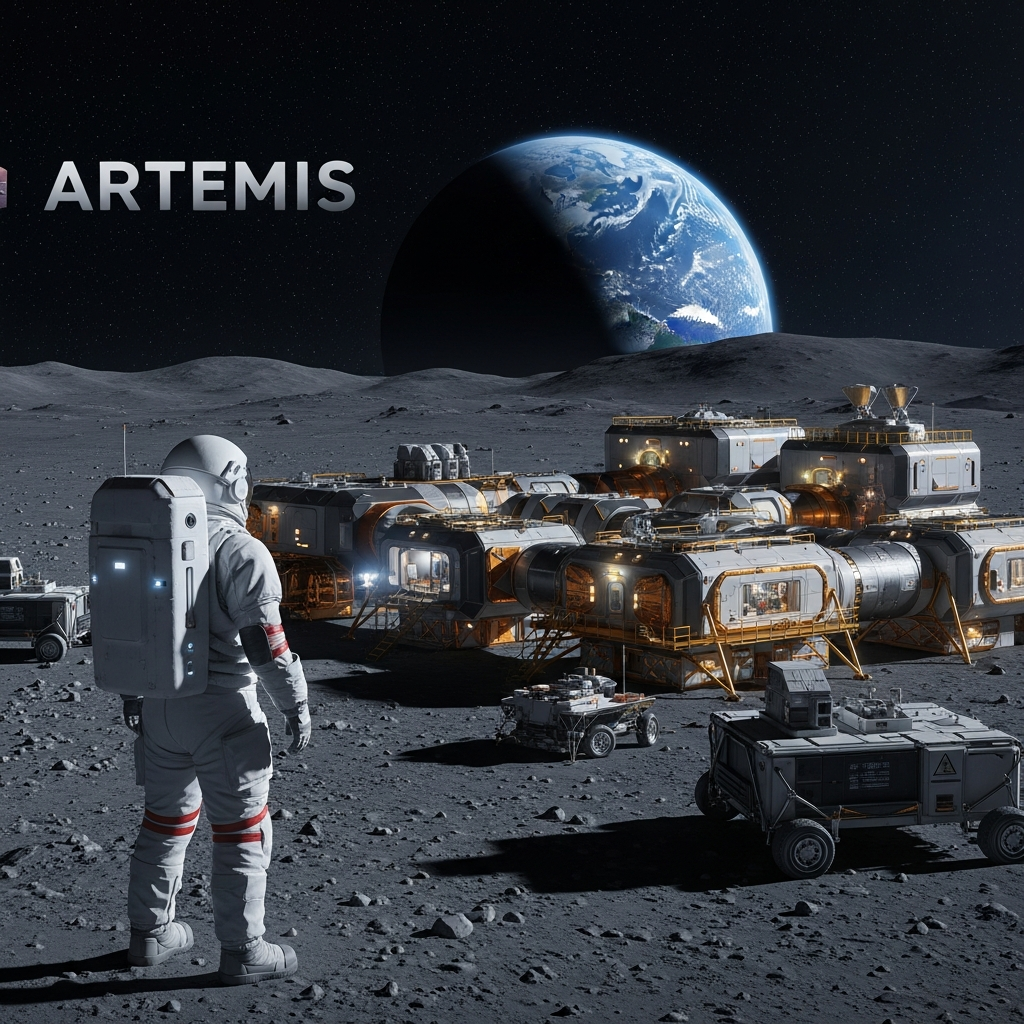
The Artemis program represents a monumental shift in NASA’s approach to space exploration. Its core objective is to land the first woman and first person of color on the Moon. Beyond these historic firsts, Artemis aims to establish a long-term human presence on and around the Moon. This includes developing new technologies and exploring more of the lunar surface than ever before. Ultimately, the Moon will serve as a crucial testing ground for humanity’s eventual journey to Mars. The program envisions a future where international and commercial partners play integral roles.
Initial Vision vs. Evolving Reality
Initially, Artemis had an aggressive timeline for lunar return. However, like many large-scale space projects, it has faced numerous hurdles. These include complex technological development, budgetary constraints, and shifts in political priorities. NASA consistently refines its plans to ensure mission success and astronaut safety. These continuous adjustments are a natural part of pushing the boundaries of human achievement. They reflect the immense engineering and logistical challenges involved in returning to and sustaining a presence on another celestial body. The program’s adaptability is a testament to its long-term vision.
Key Shifts and Evolutions in Mission Timelines
The most noticeable changes within the Artemis program often involve its mission schedules. Initial targets have frequently been revised. These adjustments aim to accommodate the rigorous testing, manufacturing, and integration processes required for new hardware. Safety remains the paramount concern.
Revised Launch Schedules for Crewed Missions
Artemis I, an uncrewed test flight, successfully launched in late 2022. It paved the way for future crewed missions. However, the timelines for Artemis II (crewed lunar flyby) and Artemis III (crewed lunar landing) have seen significant updates. Artemis II is now targeted for September 2025. Artemis III, which will see astronauts return to the lunar surface, is planned for September 2026. These delays are primarily due to the need for additional development and testing of critical components. This includes the Orion spacecraft’s life support systems and the Human Landing System (HLS).
Technological Hurdles and Their Impact
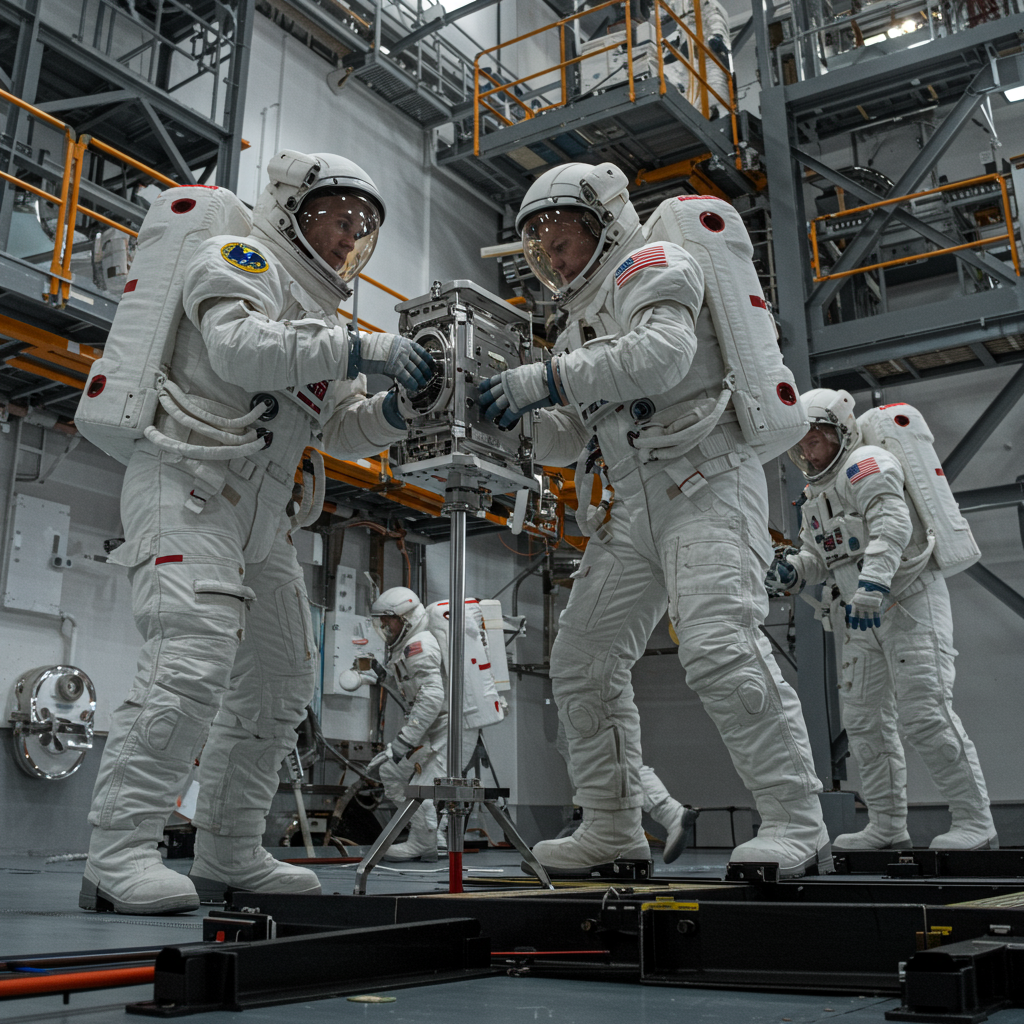
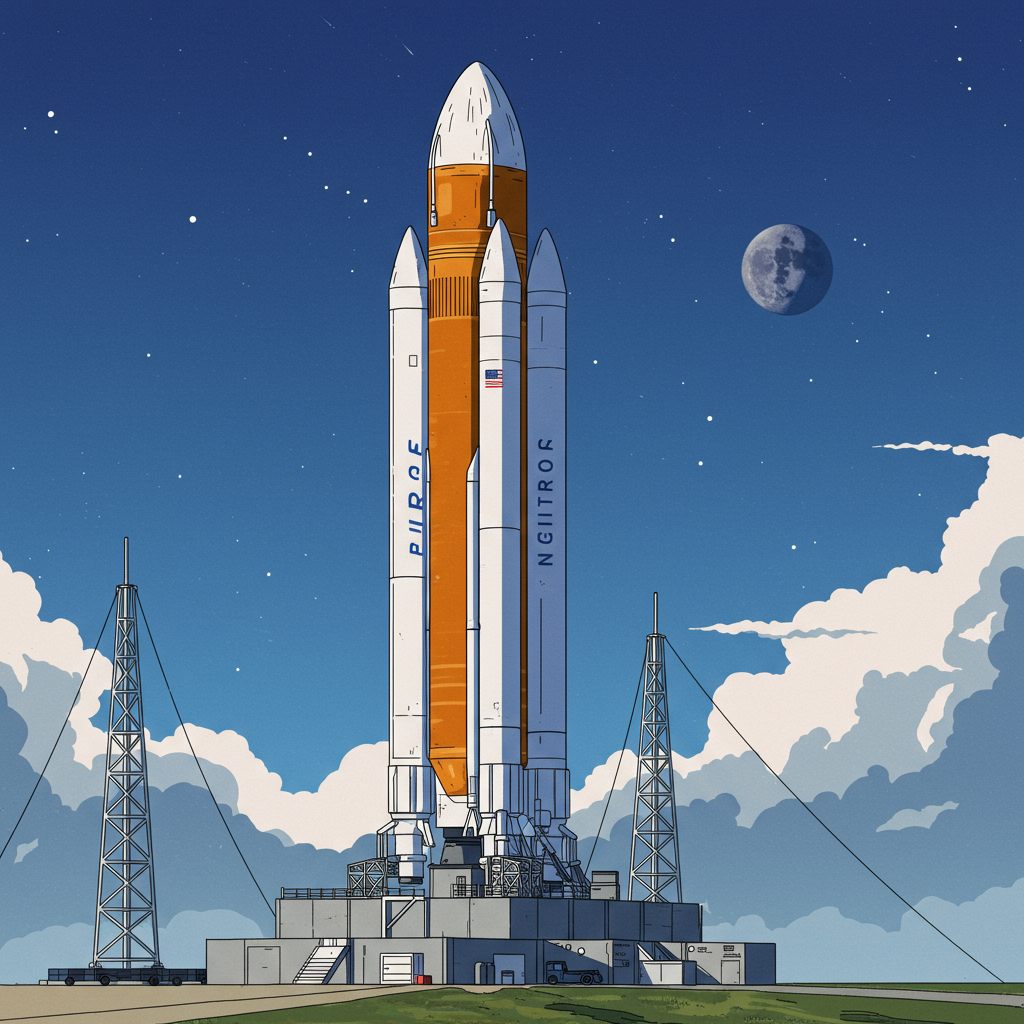
Developing the Space Launch System (SLS) rocket and the Orion spacecraft has presented substantial engineering challenges. Both are vital to the Artemis missions. The SLS is the most powerful rocket ever built, designed to send Orion and its crew far beyond Earth orbit. Ensuring its reliability requires extensive ground testing and analysis. Similarly, the Orion capsule, which will carry astronauts, must be meticulously vetted. Every system, from propulsion to environmental controls, undergoes rigorous scrutiny. These comprehensive checks contribute to the revised schedules but are absolutely necessary for mission safety.
The Evolving Lunar Infrastructure: Gateway and HLS
Central to Artemis’s long-term goals are advanced infrastructure components. The Lunar Gateway and the Human Landing System (HLS) are crucial for establishing a sustainable lunar presence. Both have seen significant developments and strategic shifts.
The Lunar Gateway’s Expanding Role
The Lunar Gateway is a planned small space station orbiting the Moon. It will serve as a multi-purpose outpost for astronauts. Initially conceived as a critical staging point for all lunar landings, its role has slightly adapted. The Gateway will now offer a robust platform for scientific research and technology demonstrations. It will also provide temporary habitation and support for missions to the lunar surface. International partners like the European Space Agency (ESA), Japan Aerospace Exploration Agency (JAXA), and the Canadian Space Agency (CSA) are contributing modules and hardware. This collaborative approach enhances its capabilities.
Human Landing System (HLS) Procurement Changes
The procurement strategy for the Human Landing System (HLS) has undergone notable changes. Originally, NASA intended to select multiple providers to foster competition. However, early funding realities led to a sole-source selection for the first HLS contract. SpaceX’s Starship was chosen for Artemis III. This decision sparked debate and legal challenges from other bidders like Blue Origin and Dynetics. Eventually, NASA decided to pursue additional HLS services under a new program element. This means future Artemis missions will likely utilize more than one landing system, expanding capabilities and redundancy.
Expanding International and Commercial Partnerships
Collaboration is a cornerstone of the Artemis program. NASA actively seeks global and commercial partners to share the burden and benefits of lunar exploration. This strategy leverages diverse expertise and resources.
International Contributions to Artemis Accords
The Artemis Accords, a set of principles for peaceful and sustainable lunar exploration, have garnered significant international support. Many nations have signed these accords, signaling their commitment to safe and transparent space operations. This broad international participation reflects a shared vision for humanity’s future in space. These partnerships extend beyond signing agreements. They include direct contributions to the Gateway, scientific payloads, and astronaut training. Such global cooperation is vital for the long-term success and sustainability of lunar endeavors.
Commercial Sector’s Growing Influence
The commercial space sector plays an increasingly vital role in Artemis. Companies are developing critical technologies and services. This includes lunar landers, habitats, and even resource extraction capabilities. NASA’s strategy is to act as a customer, purchasing services rather than building everything in-house. This approach stimulates innovation and reduces costs. It also frees up NASA’s resources for deep space exploration and scientific research. The successful development of reusable rockets and commercial cargo services has paved the way for this integrated commercial model.
Budgetary Realities and Program Adjustments
Financial considerations profoundly influence the trajectory of the Artemis program. Congressional appropriations and economic conditions dictate the pace and scope of mission planning. Managing these realities requires constant adaptation.
Funding Challenges and Scope Adjustments
Funding for Artemis is a complex annual process. It involves detailed budget requests from NASA and appropriations from Congress. Fluctuations in funding can lead to delays or re-prioritization of certain program elements. For instance, the original aggressive timeline for Artemis III was influenced by budgetary constraints. These financial realities sometimes necessitate hard choices, impacting the number of missions or the speed of technology development. NASA must continually advocate for its budget. It must also demonstrate the long-term value and returns of its investments in space exploration.
Prioritization Shifts in Development
As the program progresses, NASA often adjusts its development priorities. Some technologies might be fast-tracked if critical. Others might be delayed if their immediate need is less urgent. The focus on establishing a sustainable lunar presence means investing heavily in life support systems, power generation, and in-situ resource utilization (ISRU) technologies. These foundational elements are crucial for long-duration stays on the Moon. Changes in priorities reflect evolving scientific goals and operational requirements. This ensures the most critical path forward is always maintained.
Looking Ahead: The Path to Mars and Beyond
Artemis is more than just a return to the Moon. It is an essential stepping stone for humanity’s ultimate journey to Mars. Every mission and every technological development is designed with the Red Planet in mind.
The Stepping Stone Concept: Still Relevant?
The “Moon to Mars” strategy remains the guiding principle for Artemis. The Moon serves as a proving ground for technologies, procedures, and human endurance in a deep-space environment. Learning to live and work sustainably on the Moon will provide invaluable experience for future Mars missions. This includes understanding the effects of long-duration space travel on the human body. It also involves developing closed-loop life support systems and managing resources efficiently. Despite the changes and delays, the fundamental concept of using the Moon as a stepping stone to Mars is still very much alive and central to NASA’s vision.
Next-Generation Technological Development
To reach Mars, numerous advanced technologies are still required. Artemis is driving the development of these innovations. These include advanced propulsion systems, autonomous robotics, and radiation shielding. Future missions will test these concepts in the lunar environment. For example, testing lunar ISRU will provide insights into producing propellant or breathable air on Mars. The data gathered from Artemis missions will directly inform the design and execution of crewed Mars expeditions. This continuous technological evolution is a hallmark of NASA’s long-term exploration strategy.
Challenges and Opportunities for Artemis’s Future
The Artemis program faces ongoing challenges but also presents immense opportunities. Navigating these complexities is key to its ultimate success.
Sustaining Political Will and Funding
Long-term space programs require consistent political support and stable funding. Changes in administration or economic conditions can impact budget allocations. Maintaining public and political enthusiasm for lunar exploration is crucial. Advocates for Artemis emphasize its scientific returns, technological spin-offs, and inspirational value. These factors help secure the necessary resources for sustained progress. The program’s success relies heavily on sustained commitment from government and industry alike.
Fostering Innovation and Maintaining Momentum
The space industry is rapidly evolving. Artemis must continue to foster innovation to stay at the forefront of exploration. Encouraging competition among commercial partners drives down costs and speeds up development. Simultaneously, NASA must maintain the program’s momentum despite delays or setbacks. Celebrating milestones and communicating progress effectively helps keep the public engaged. This dynamic balance between ambition, innovation, and practical execution defines the future of the Artemis program.
Frequently Asked Questions
What are the main reasons for the changes and delays in the Artemis program’s timeline?
The primary reasons for changes and delays in the Artemis program’s timeline include the immense complexity of developing cutting-edge technology like the Space Launch System (SLS) rocket and the Orion spacecraft. Rigorous testing and safety protocols for these new systems demand extensive time. Additionally, budgetary fluctuations and funding allocation processes from Congress can impact schedules, often leading to re-prioritization or extended development periods for critical components like the Human Landing System (HLS) and life support systems.
How has the role of the Lunar Gateway evolved within the Artemis architecture?
Initially envisioned as a critical, almost mandatory, staging point for all lunar surface missions, the Lunar Gateway’s role has evolved to be more flexible. While still crucial, it’s now seen as a versatile multi-purpose outpost for science, technology demonstrations, and a temporary habitat. It offers a valuable platform for research and international collaboration but may not be strictly required for every single lunar landing, especially initial ones. This shift allows for more operational flexibility and integrates diverse international contributions.
What impact do commercial partnerships have on the Artemis program’s future direction?
Commercial partnerships are fundamentally reshaping the Artemis program’s future. By acting as a customer for services like lunar landers (e.g., SpaceX’s Starship HLS) and transportation, NASA stimulates private sector innovation and reduces direct development costs. This approach encourages competition, accelerates technology maturation, and allows NASA to focus its resources on deep-space scientific research and exploration. It fosters a more sustainable and economically viable model for long-term lunar and eventually Martian exploration, leveraging the agility and efficiency of commercial enterprises.
Conclusion
The Artemis program, with its bold objective of returning humans to the Moon, is a testament to humanity’s enduring spirit of exploration. While the journey has been marked by significant changes in timelines, technological approaches, and partnership strategies, these adaptations are a natural part of any pioneering endeavor. These shifts reflect NASA’s commitment to safety, efficiency, and scientific rigor. As Artemis progresses, it continues to lay the groundwork not only for a sustainable lunar presence but also for the ambitious future of human missions to Mars. The program’s evolution ensures that when humanity steps back on the Moon, it will be with a comprehensive plan for what comes next.