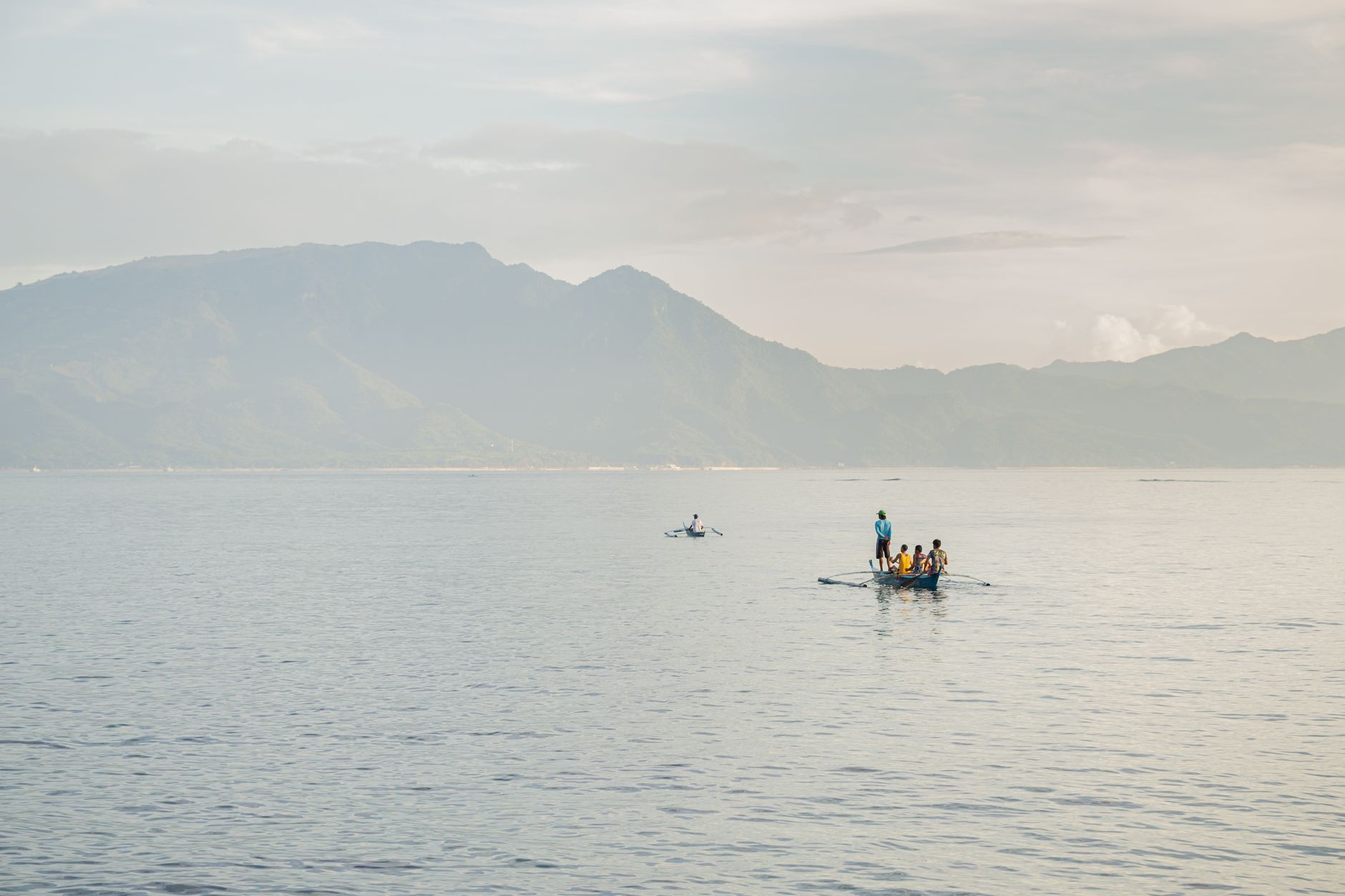
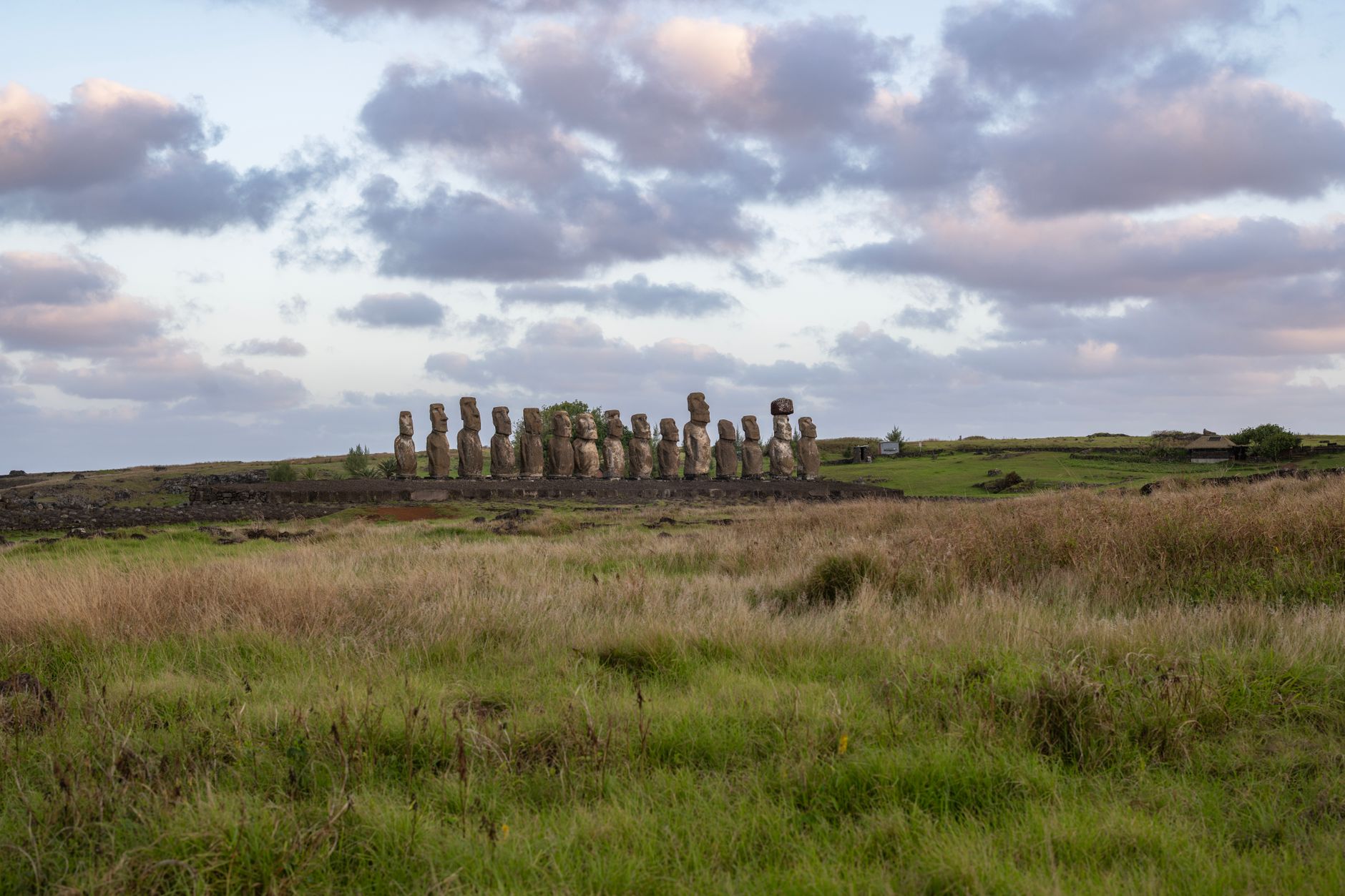
New genetic research has established that native Hawaiian ancestry is most closely linked to the people of Rapa Nui, the island also known as Easter Island, in a discovery that redefines the historical understanding of Pacific exploration.
Key Takeaways
- Direct Genetic Link: Genomic analysis confirms that Native Hawaiians are most closely related to the population of Rapa Nui.
- Migration Path Identified: Researchers traced a movement from Mangareva in French Polynesia to Rapa Nui, with a subset subsequently settling Hawaii.
- The Holomoana Nui: The study identifies a specialized group of voyagers, termed “Holomoana Nui” (great ocean voyaging), responsible for these massive migrations.
- Health Implications: The “founder effect” resulting from these migrations has concentrated specific rare genetic variants, including those linked to kidney disease and blindness.
- Historical Recontextualization: The findings suggest Polynesians were master explorers centuries before European maritime expansion.
- Kidney Disease: Certain genetic variants linked to kidney issues have been identified at high frequencies.
- Blindness: The study also identified variants associated with blindness that occur at unexpectedly high rates in French Polynesia.
- If you are of Polynesian descent: The research underscores the importance of personalized medicine. Because of the increased frequency of certain genetic variants, participating in and utilizing targeted genetic screenings could be vital for early detection and management of conditions like kidney disease or vision impairment.
- If you are a healthcare provider: This data suggests that a patient’s ancestral history is a critical component of their clinical profile. Recognizing the potential for “founder effect” related conditions can lead to more proactive and effective preventative care.
- If you are a researcher: This study provides a new framework for studying how human migration and isolation shape the modern human genome, offering a blueprint for investigating other migratory populations.
- Expanded Genomic Mapping: Researchers are expected to seek larger sample sizes from more isolated islands, such as Rapa Nui and Mangareva, to refine the accuracy of the migration timelines.
- Clinical Integration: There will likely be a push to integrate these genetic findings into public health strategies within the Pacific, specifically focusing on the screening and management of the identified disease-associated variants.
- Archaeological Correlation: Geneticists and archaeologists will likely work more closely to see if the biological evidence of the Holomoana Nui aligns with physical evidence of settlement, such as tool types, pottery, or remains of voyaging canoes.
- www.staradvertiser.com
What Happened
In a groundbreaking study published in the journal Science, computational geneticists and genome scientists have mapped the ancestral pathways of the Pacific through an extensive analysis of more than 1,000 Polynesian individuals. The research, led by co-senior authors Alexander Ioannidis of Stanford University and Keolu Fox of the University of California, San Diego, utilized whole-genome sequencing to reconstruct the family trees of various island populations.
According to the study, the data revealed a profound connection between Native Hawaiians and the inhabitants of Rapa Nui. Keolu Fox, a genome scientist and a Native Hawaiian, noted that the results were so striking that the research team initially struggled to believe the findings. “In 61% of those trees, Hawaii and Rapa Nui were paired together,” Fox said. “We checked it four different ways because, frankly, we were dumbfounded and couldn’t believe it ourselves at first.”
The research team analyzed a diverse array of DNA, including samples from 317 Native Hawaiians, 12 Rapa Nui residents, and 8 Mangarevans, alongside individuals from the Society, Tuamotu, Marquesas, Austral, Samoan, and Tongan islands. The results indicated that the people who eventually settled Hawaii were a subset of the population that had previously migrated to Rapa Nui.

Why It Matters
The significance of this research extends beyond historical curiosity; it challenges the long-held Eurocentric narrative regarding the “Age of Discovery.” While European explorers are often celebrated for their maritime achievements, this study provides biological evidence that Polynesian navigators had successfully crossed thousands of miles of open ocean to settle the most remote islands on Earth centuries earlier.
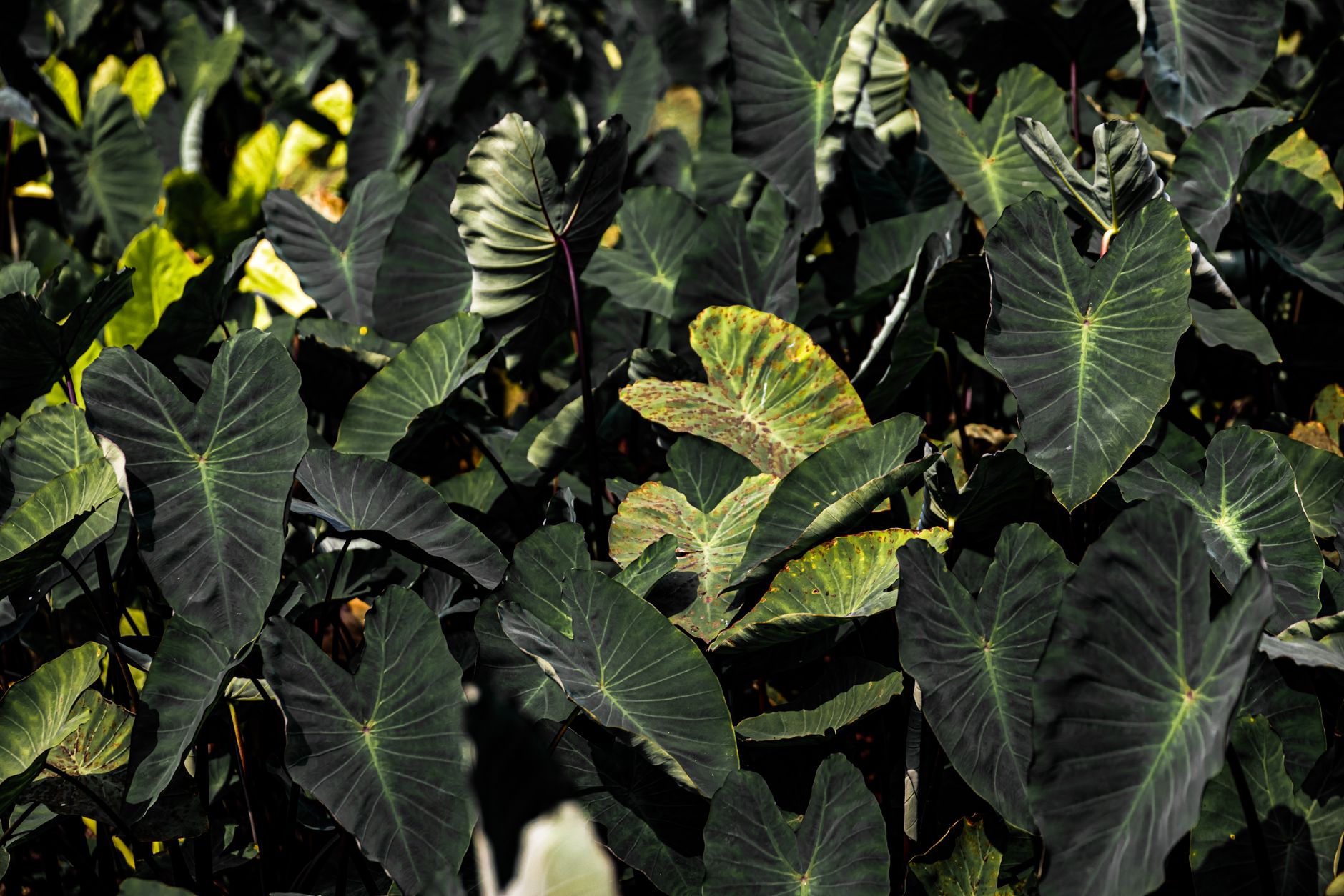
Furthermore, the study provides a biological explanation for the shared cultural and linguistic traits found across Eastern Polynesia. Alexander Ioannidis noted that Native Hawaiians and Easter Islanders share similar Austronesian languages and dietary staples. This cultural continuity is mirrored in the biological data, which suggests a shared lineage of people who traveled with the essential tools for survival—including plants like taro, bananas, and sweet potatoes, and animals such as chickens.
The Holomoana Nui: A Legacy of Great Ocean Voyaging
The researchers have proposed a name for the extraordinary population responsible for these transoceanic journeys: Holomoana Nui. Translated from Hawaiian, the term means “great ocean voyaging.”
This group was not merely drifting; they were a highly organized, purposeful community of explorers. Fox described them as “the greatest voyaging community in human history.”
The Migration Timeline
By analyzing genetic variation and shared DNA segments, the researchers were able to construct a tentative timeline for these monumental movements:
| Migration Stage | Estimated Timeframe | Origin Point | Destination | |
|---|---|---|---|---|
| Primary Settlement | Circa 1200s | Mangareva (French Polynesia) | Rapa Nui | Rapa Nui |
| Secondary Settlement | Circa 1200s | Rapa Nui / Mangareva subset | Hawaii | Hawaii |
| Tahiti Settlement | Circa 1070 | Unknown/Eastern Polynesia | Tahiti | Tahiti |
Ioannidis explained that the settlement of Rapa Nui occurred in the 13th century after a journey of more than 1,500 miles (2,400 km) from Mangareva. The subsequent voyage to the Hawaiian archipelago—the only Polynesian island located in the Northern Hemisphere—likely occurred within that same century. This voyage was an incredible feat of navigation, spanning more than 4,400 miles of the Earth’s largest ocean.
The Science of Ancestry: Reconstructing Family Trees
To reach these conclusions, the team employed advanced algorithms capable of finding DNA sequences that match perfectly between individuals across different islands. These matching sequences serve as the legacy of common ancestors.
“Using whole genomes, our algorithms can find DNA sequences matching perfectly between individuals on different islands,” Ioannidis explained. This method allowed the researchers to create highly detailed family trees that could track the movement of people over hundreds of years.
By examining thousands of these reconstructed trees, the researchers could see how populations branched off from one another. The data showed that while Mangarevan ancestry was a significant factor for Native Hawaiians, it was second only to the ancestry shared with the people of Rapa Nui.
The Genetic Cost of Exploration: Understanding Founder Effects
While the history of the Holomoana Nui is one of triumph, the study also highlights a significant biological consequence of these migrations: the “founder effect.”
A founder effect occurs when a small group of individuals separates from a larger population to establish a new colony. Because the founding group is small, the new population carries only a fraction of the original group’s genetic diversity. As these populations continue to move and settle new islands, this narrowing of the gene pool can intensify.
Ioannidis noted that this process can lead to two distinct outcomes: some genetic variants may vanish entirely, while others—including rare ones—can become significantly more common.
Health Implications for Polynesian Populations
The study found that repeated founder effects have had a direct impact on the health profiles of modern Polynesian populations. By concentrating rare variants, these historical migrations have increased the frequency of certain conditions.
Fox pointed out that this phenomenon is similar to those studied in other isolated populations, such as the Amish, Ashkenazi Jews, and Finns, where specific genetic screenings are standard due to the history of the community’s gene pool.
What It Means for You
Understanding the nuances of Native Hawaiian ancestry and the broader Polynesian genetic landscape has practical implications, particularly for those within these communities and the medical field:
Counterpoints and Open Questions
Despite the strength of the genomic data, the study is not without its limitations and unanswered questions. One primary concern involves the sample sizes used for certain island populations. While the study included 317 Native Hawaiians, it only included 12 individuals from Rapa Nui.
Critics and researchers alike may argue that a sample size of 12 is relatively small when attempting to draw definitive conclusions about the entire genetic makeup of an island’s population. While the genomic matching was highly consistent across the trees analyzed, larger datasets would be required to fully confirm the exact proportions of ancestral contributions from every island in the Pacific.
Additionally, while the study provides an estimate of the founding generation size for Tahiti (roughly 800 people around the year 1070), the exact numbers and precise dates for the Hawaiian settlement remain estimates based on genetic modeling rather than absolute certainties. The exact timing of the subset of people moving from Rapa Nui to Hawaii is also a calculated probability rather than a documented date.
What Happens Next
As genomic technology continues to advance, several developments are likely to follow this study:
Frequently Asked Questions
Who were the Holomoana Nui?
The Holomoana Nui is the term used by researchers to describe the “great ocean voyaging” population of Polynesians. They were a highly skilled community of seafarers who navigated thousands of miles across the Pacific Ocean in double-hulled canoes to settle remote islands like Rapa Nui and Hawaii.
How did Polynesians navigate such vast distances?
While the specific navigational techniques are a subject of ongoing study, the research implies they were highly sophisticated voyagers. They traveled with essential supplies—including livestock like chickens and crops like taro and sweet potatoes—indicating that these were planned, purposeful migrations rather than accidental drifts.
What is a “founder effect” in genetics?
A founder effect occurs when a small group of people starts a new population. Because this group is small, they only carry a limited amount of the original population’s genetic diversity. This can cause certain rare genetic traits to become much more common in the new population than they were in the original group.
Why is this study important for health?
Because of the founder effect, certain Polynesian populations have a higher frequency of specific genetic variants. The study identified links to kidney disease and blindness, which means that understanding these ancestral patterns can help in developing better medical screenings and treatments for these communities.
Closing
The discovery that Native Hawaiian ancestry is most closely tied to the people of Rapa Nui provides a profound new lens through which to view Pacific history
References
Featured image: Photo by Nothing Ahead on Pexels