
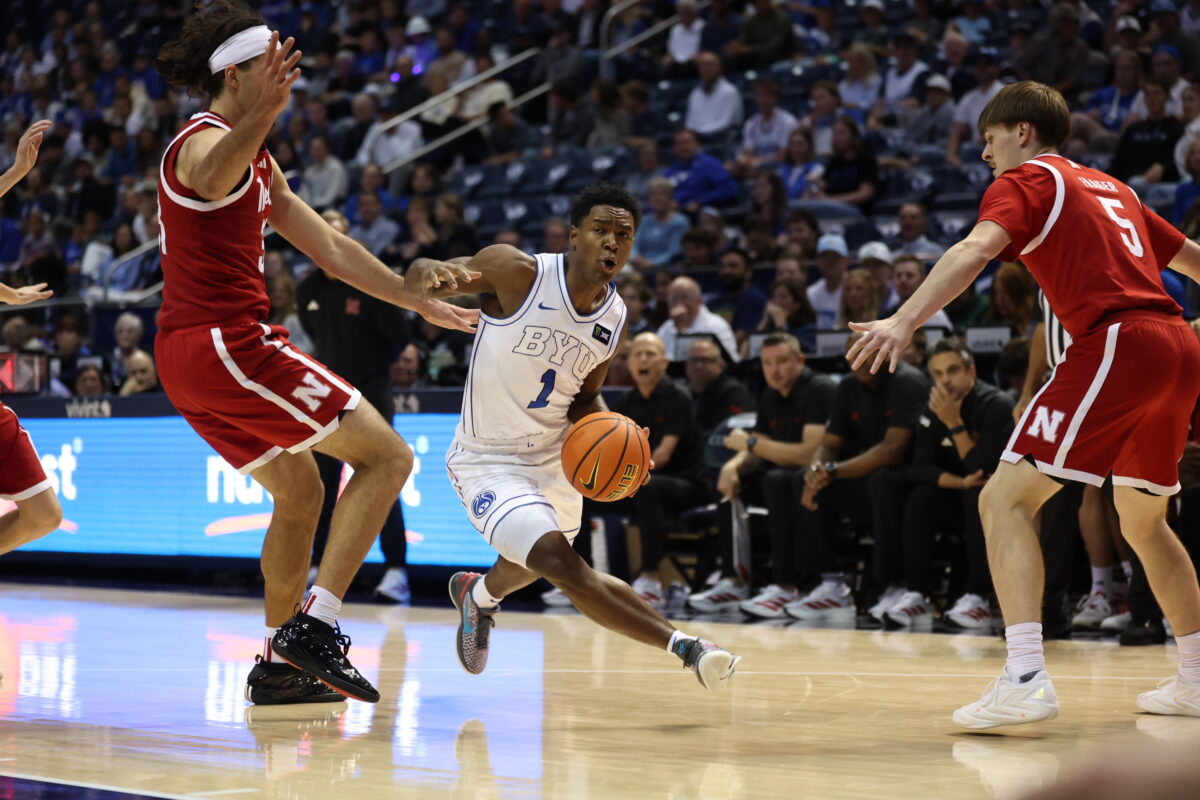
The BYU basketball outlook for the 2026-27 season is defined by significant roster transitions and a strategic shift in offensive philosophy, even as head coach Kevin young was forced to miss the Big 12 basketball media days due to illness.
Key Takeaways
- Leadership Transition: Associate head coach Tim Fanning represented the Cougars in Kansas City while Kevin Young recovered from an illness.
- Roster Evolution: The program is integrating 10 new players, headlined by five-star freshman Bruce Branch III and Kentucky transfer Collin Chandler.
- Tactical Pivot: Following the departure of AJ Dybantsa, the team is moving away from isolation-heavy sets toward increased ball movement and perimeter shooting.
- Preseason Standing: BYU enters the season ranked No. 25 in the AP poll and is projected to finish sixth in the Big 12 preseason poll.
- Critical Vacancy: The coaching staff continues to search for a dominant center to solidify the frontcourt following recent roster departures.
- Increased Ball Movement: Moving the ball through multiple hands to find the best shot rather than relying on individual brilliance.
- Perimeter Shooting: Leveraging the shooting abilities of players like Rob Wright III and Collin Chandler to space the floor.
- Defensive Identity: Establishing a more consistent and aggressive defensive presence, an area the staff identified as a primary offseason focus.
- Interior Defense: How the current roster handles opposing big men in the absence of a traditional center.
- Three-Point Volume: Whether the team successfully implements the higher volume of perimeter shooting discussed by the coaching staff.
- Turnover Margin: How the new offensive system affects the team’s ability to protect the ball under Big 12 pressure.
- www.heraldextra.com
- roundtable.io
- www.deseret.com
What Happened at Big 12 Media Days
On Wednesday, October 21, 2026, the Brigham Young University men’s basketball program took the stage at the T-Mobile Center in Kansas City for the annual Big 12 media days. While the event is designed to showcase the conference’s upcoming talent to major broadcast partners like ESPN, FOX, CBS, TNT, and NBC, the BYU presentation was marked by the absence of head coach Kevin Young.
According to reports from the Deseret News, Young was sidelined due to an illness and remained in Utah. In his stead, associate head coach Tim Fanning addressed the media, accompanied by returning junior point guard Rob Wright III and two of the program’s most anticipated newcomers, Collin Chandler and Bruce Branch III.
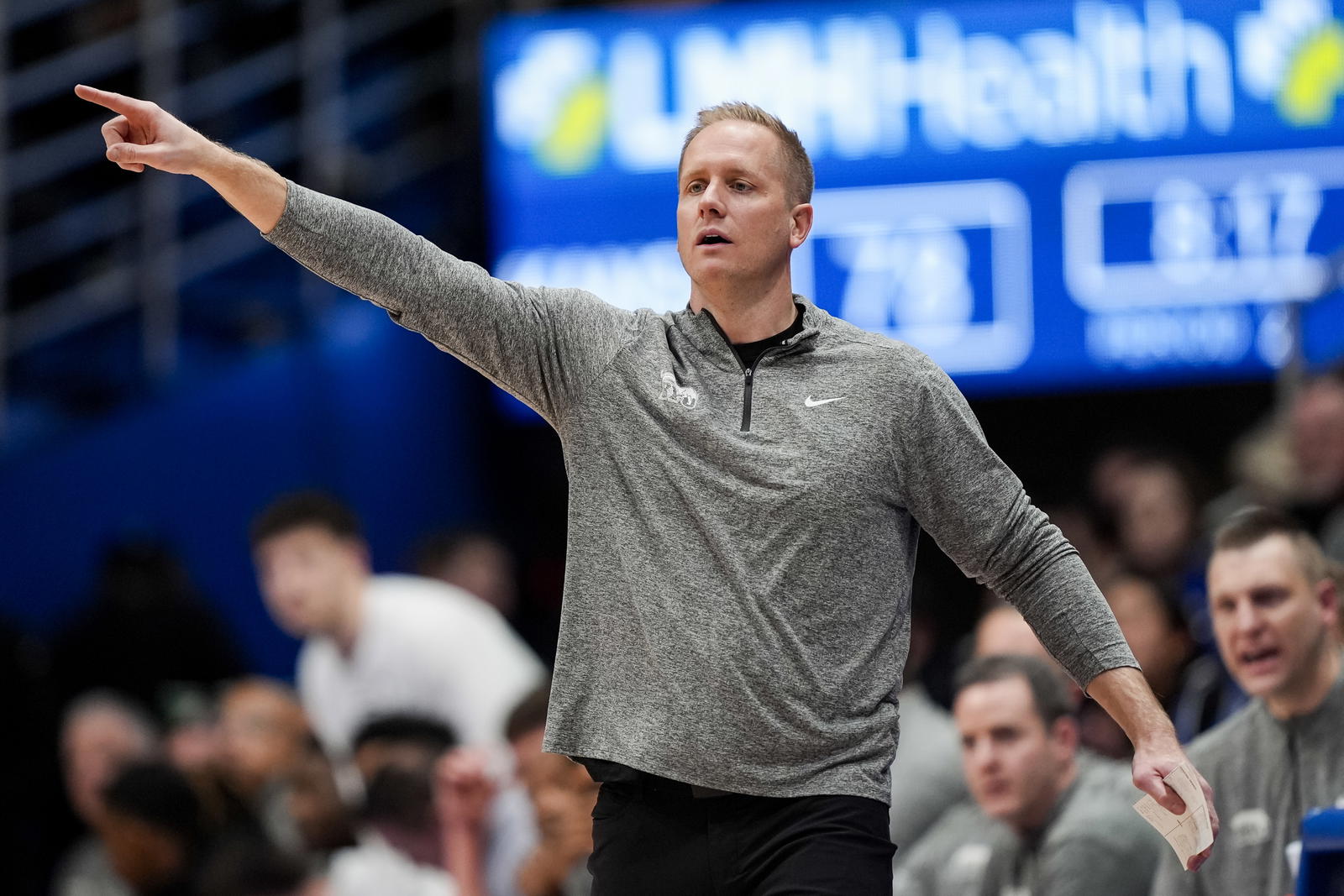
During the general availability session, Fanning emphasized a culture of trust and collective improvement. He noted that the team is less concerned with preseason rankings and more focused on the daily grind of preparation. The Cougars are coming off a 23-12 campaign and are attempting to navigate the heightened level of competition inherent in the Big 12, which Commissioner Brett Yormark has described as the premier basketball conference in the country, trailing only the NBA.
Why the BYU Basketball Outlook Is Shifting
The significance of this season lies in the program’s transition from the era of AJ Dybantsa to a more balanced, multi-faceted roster. Dybantsa, who completed a high-profile “one-and-done” season at BYU, served as the primary offensive engine. The departure of such a singular talent necessitates a fundamental change in how the Cougars approach their offensive sets.
Tim Fanning indicated that the 2026-27 season will see a departure from the isolation plays that characterized much of the previous year. Instead, the staff is prioritizing:
This shift is already being tested. In a recent exhibition game against Nebraska on October 16, 2026, the Cougars secured a 72-61 victory. While shooting was inconsistent, the team’s defensive effort and rebounding were noted as positive indicators of their new direction.
Deep Dive: The New Faces of the Cougars
The BYU basketball roster has undergone a massive overhaul, with 10 new players vying for rotation minutes. The success of the season will likely hinge on how quickly the veteran leadership can integrate these new talents into the Big 12’s physical environment.
Key Player Profiles
| Player | Role | Key Attributes | Background |
|---|---|---|---|
| Rob Wright III | Junior Point Guard | Floor General, Shooting, Leadership | Returning Veteran |
| Bruce Branch III | Freshman | Five-Star Talent, Versatility, Defense | Newcomer |
| Collin Chandler | Transfer | Athleticism, Rim Pressure, Shooting | Former Kentucky Player |
| Tim Fanning | Associate Head Coach | Tactical Oversight, Player Development | Coaching Staff |
Bruce Branch III has arrived in Provo with significant expectations. As a five-star freshman, he is already appearing on NBA mock drafts. In the exhibition against Nebraska, Branch III demonstrated his multi-dimensional skill set by recording 15 points, six rebounds, and five assists. Despite the external noise regarding his professional future, Branch III told reporters he remains focused solely on winning with BYU this year.
Collin Chandler, transferring from Kentucky, is expected to provide a different dynamic than the previous roster. While his time with the Wildcats focused heavily on his three-point shooting, Chandler believes the BYU system will allow him to utilize his athleticism to attack the rim more aggressively. “I think I bring a lot more to the table than just shooting,” Chandler stated, noting the need for players who can put pressure on the rim.

The Role of Rob Wright III
As the team’s most experienced returning contributor, Rob Wright III serves as the bridge between the coaching staff’s vision and the players’ execution. Fanning described Wright III as being on a significant “upward trend” in his individual development, noting his improved physical conditioning and shooting accuracy.
Wright III has also taken on the responsibility of preparing the newcomers for the rigors of the Big 12. He warned that the conference is a “battle” from top to bottom, where even the lowest-seeded teams can keep a game within one possession. His ability to manage the tempo and distribute the ball will be critical as the team implements its new motion-heavy offense.
Organizational Momentum and the Big 12 Landscape
The BYU basketball outlook does not exist in a vacuum; it is part of a broader trend of momentum within the BYU athletic department. Lee Cummard, head coach of the BYU women’s basketball team, noted a sense of “total alignment” within the university, stretching from the administration and Athletic Director Brian Santiago up to the university presidency.
This organizational confidence is bolstered by recent successes in other sports, such as the football team’s victory over Notre Dame. This upward trajectory is mirrored in the women’s basketball program, which is projected to finish seventh in the Big 12 and features a roster with 50% international representation. The depth and experience provided by international players like Delaney Gibb—a former first-team All-Big 12 selection—are seen as key components of the program’s competitive character.
On a conference level, the Big 12 is asserting itself as a dominant force. Commissioner Brett Yormark has been vocal about the league’s standing, claiming it is the second-best league in the world outside of the NBA. With six men’s teams ranked in the AP top 25 and eleven freshmen ranked in the top 40 nationally, the conference’s talent density is at an all-time high.
What It Means for the Fans
If you are a BYU supporter, the upcoming season promises a different style of play than the high-octane, isolation-heavy offense of the previous year. Expect more passing, more perimeter attempts, and a heavier emphasis on defensive rotations.
While the loss of a superstar like Dybantsa might be jarring, the presence of high-ceiling talent like Branch III and Chandler suggests a team that could be much harder to scout. The “underrated” nature of this roster, as suggested by some analysts, means the Cougars may catch many opponents off-guard as they navigate the grueling Big 12 schedule.
Counterpoints and Open Questions
Despite the optimism expressed by Tim Fanning, several significant questions remain regarding the team’s ability to compete for a conference title.
The Big Man Vacancy: The most pressing concern is the lack of a traditional, dominant center. Kevin Young has been vocal about his search for “bigs” to bolster the frontcourt, but the recruitment process has faced NCAA logistical hurdles. The team is currently two roster spots away from completion, and the identity of these final players—specifically whether they can provide the interior presence needed in the Big 12—is unknown.
NCAA Logistics: Young has noted that while the program is engaged with several potential recruits, there are “a lot of hurdles” and “logistics” to navigate with the NCAA. Until these spots are filled and the players are cleared, the roster remains incomplete, leaving the team’s interior depth a matter of speculation.
Consistency in Transition: Transitioning from a star-centric offense to a system-centric offense is notoriously difficult. There is a risk that the team may struggle with rhythm and decision-making as they adjust to the increased emphasis on ball movement and defensive identity.

What Happens Next
The transition from preseason hype to regular-season reality begins shortly. Fans and analysts will have their first real look at the new-look Cougars on November 2, 2026, when BYU opens its season against Ohio State at the Delta Center in salt lake city.
Key indicators to watch during the early season include:
Frequently Asked Questions
Why was Kevin Young absent from the Big 12 Media Days?
Head coach Kevin Young was unable to attend the event in Kansas City due to an illness. Associate head coach Tim Fanning represented the BYU men’s basketball program in his place.
How is BYU ranked entering the 2026-27 season?
BYU has opened the season ranked No. 25 in the AP preseason poll. In the Big 12 preseason poll, the Cougars were projected to finish in sixth place.
Who are the key new players to watch for BYU?
Two of the most significant additions are five-star freshman Bruce Branch III and transfer Collin Chandler, who joins the program from Kentucky. The team also features 10 total newcomers this season.
What is the main change in BYU’s offensive strategy?
Moving away from the isolation-heavy plays used during the AJ Dybantsa era, the coaching staff is implementing a system that emphasizes ball movement, perimeter shooting, and spacing to create more efficient scoring opportunities.
References
Featured image: Image via heraldextra.com

