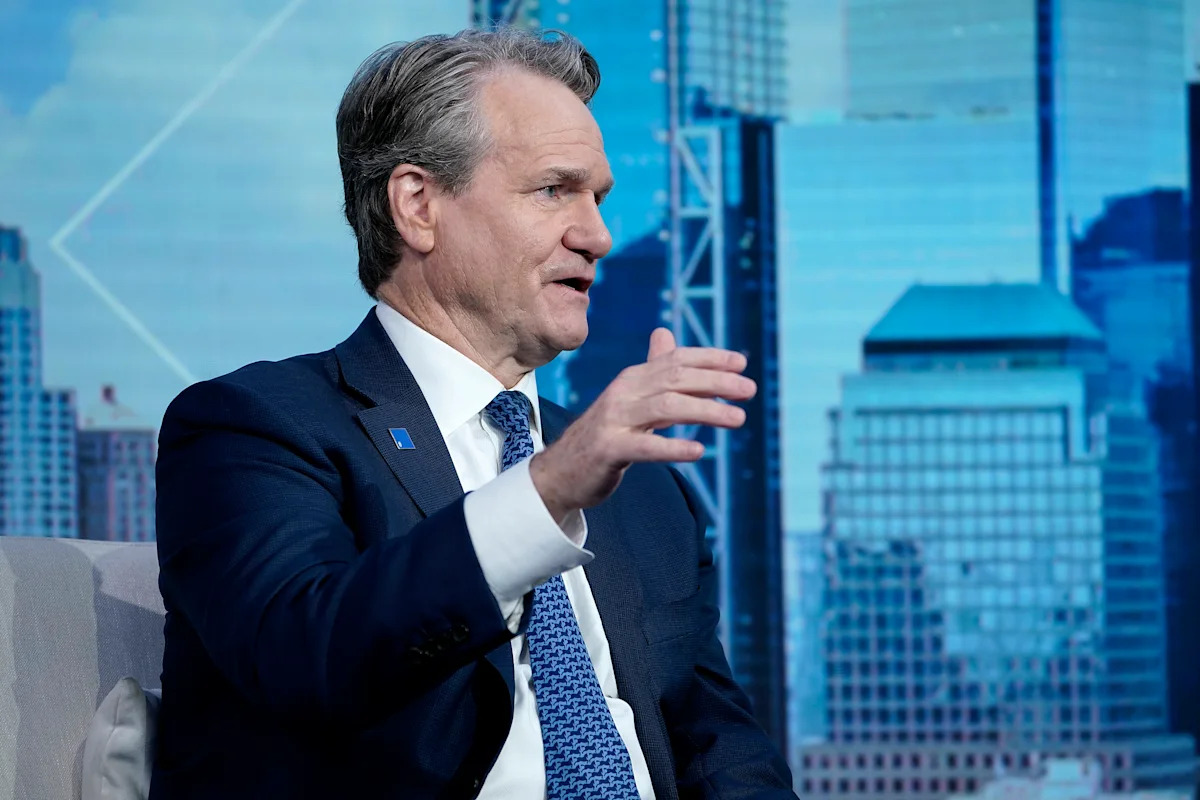
The Bank of america AML fine has reached a staggering $1.21 billion following a massive enforcement action by U.S. federal regulators on Tuesday, October 13, 2026. The penalties, which represent the third-largest fine ever issued by the U.S. Treasury Department, stem from systemic failures in the bank’s ability to monitor, detect, and report suspicious transactions linked to national security risks and international sanctions violations.
Key Takeaways
- Massive Financial Penalty: Bank of America will pay over $1.21 billion in combined penalties to resolve investigations into its anti-money laundering (AML) and sanctions compliance programs.
- Systemic Reporting Failures: Regulators found the bank failed to timely report more than $5 billion in suspicious transactions, including $1 billion linked to high-priority national security risks.
- Record-Breaking OCC Fine: The Office of the Comptroller of the Currency (OCC) issued a $750 million penalty, the largest in the agency’s history.
- Sanctions Violations: The bank reached an $11.6 million settlement with the Office of Foreign Assets Control (OFAC) regarding 475 apparent violations of programs involving Russia, Iran, and global terrorism.
- Earnings Impact: The bank will record a $1.2 billion non-tax-deductible charge, expected to reduce quarterly net income by approximately 17 cents per share.
- National Security Concerns: Failures specifically included inadequate monitoring of Chinese money laundering networks and illicit finance activities along the U.S. southwest border.
- Binance (2023): A roughly $4 billion settlement with the world’s largest cryptocurrency exchange.
- TD Bank (2024): An approximately $3 billion settlement with the Canada-based institution.
- American Express (Recent): A $350 million penalty for similar AML shortcomings.
- The Scale of Remediation: How much will the required independent third-party audits and ongoing remediation efforts cost the bank in the long term?
- The Asset Cap Risk: While the bank avoided an asset cap this time, will future failures lead to such a restriction?
- Effectiveness of Technology: Can the “billions in technology” the bank claims to have invested actually solve the problem of detecting complex, trade-based money laundering?
- Third-Quarter Earnings Release: On Wednesday, October 15, 2026, investors will see the formal impact of the $1.2 billion charge on the bank’s balance sheet.
- Independent Third-Party Review: As part of the settlement, Bank of America is legally mandated to hire an outside party to conduct a comprehensive review of previously undetected suspicious transactions. The scope and findings of this audit will be critical.
- Ongoing Remediation: The bank will remain under intense oversight from the OCC and FinCEN as it works to fulfill its compliance commitments, including enhanced training, testing, and auditing protocols.
- www.theguardian.com
- www.aljazeera.com
- www.bbc.com
- finance.yahoo.com
- www.euronews.com
What Happened: A Massive Regulatory Crackdown
On Tuesday, October 13, 2026, the U.S. Treasury Department announced a coordinated enforcement action against Bank of America, the second-largest banking institution in the United States. The action involves three distinct federal entities: the Financial Crimes Enforcement Network (FinCEN), the Office of the Comptroller of the Currency (OCC), and the Office of Foreign Assets Control (OFAC).
According to statements from the Treasury Department, the enforcement action is the culmination of investigations into the bank’s failure to uphold the Bank Secrecy Act (BSA). The bank admitted to “willfully violating” the act, which mandates that financial institutions assist the government in detecting and preventing money laundering.
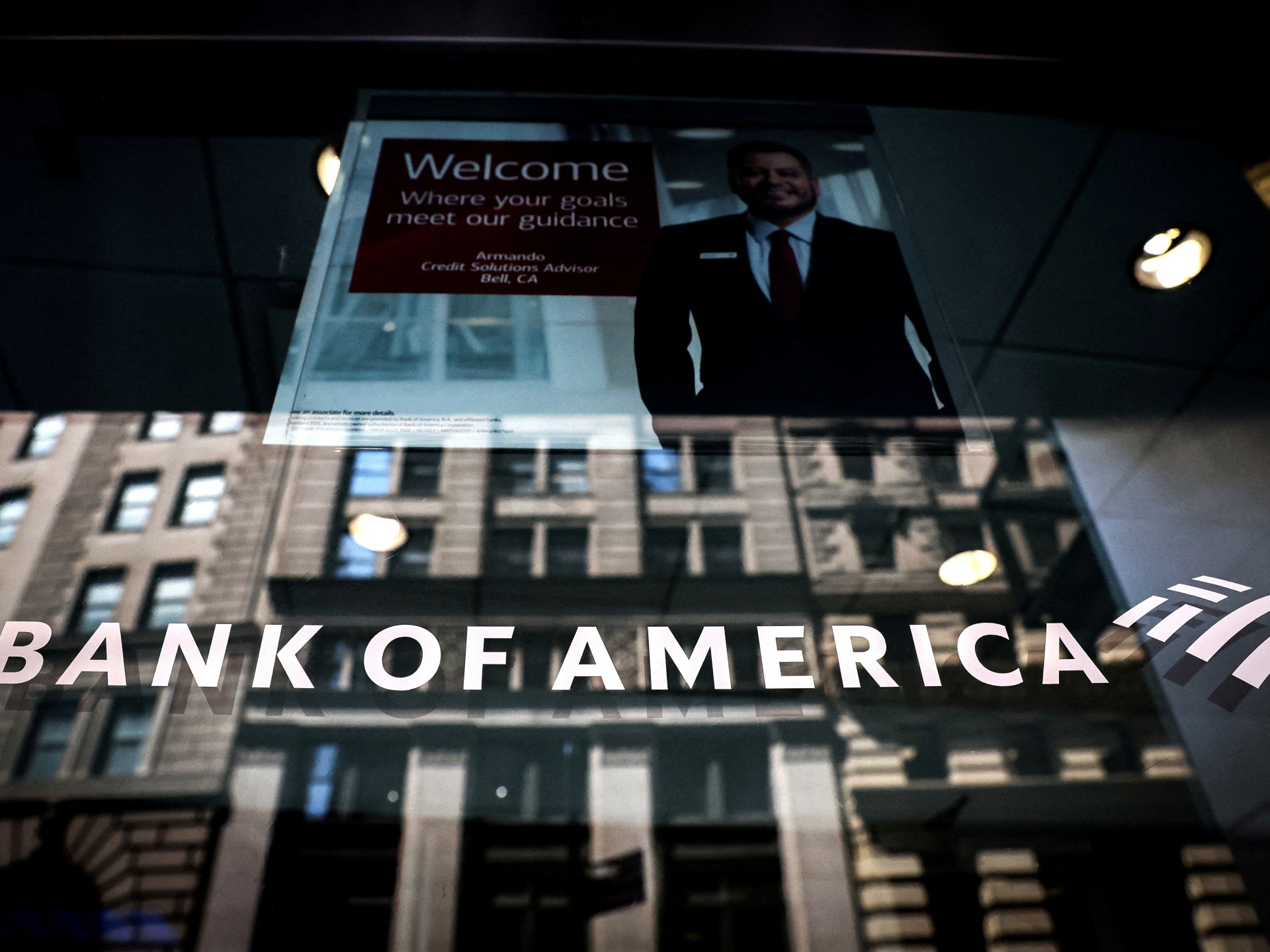
Treasury Secretary Scott Bessent emphasized the severity of the lapses in a statement released on Tuesday. “When a bank of this size fails to meet its anti-money laundering and sanctions obligations, the consequences extend far beyond its own walls, exposing the entire U.S. financial system to significant illicit finance risks,” Bessent said. He added that the action serves as a reminder that “even the biggest financial institutions are not above the law.”
Breaking Down the $1.21 Billion Penalty
The total penalty is not a single lump sum but a combination of assessments from different regulatory bodies, each addressing specific failures in the bank’s compliance infrastructure. While the total reported is approximately $1.21 billion, the breakdown is complex due to how agencies credit one another’s fines.
| Regulatory Agency | Penalty Amount | Primary Reason for Fine |
|---|---|---|
| FinCEN | $1.2 billion | Failure to mitigate and report priority national security risks and suspicious activity. |
| OCC | $750 million | Deficient and ineffective AML compliance programs; largest fine in OCC history. |
| OFAC | $11.6 million | 475 apparent violations of sanctions programs (Russia, Iran, narcotics, etc.). |
Note: The FinCEN penalty amount includes credit for the fine assessed by the OCC, according to reports from Al Jazeera and Yahoo Finance.
The Scale of Unreported Activity
The most alarming finding reported by the Treasury and echoed by BBC and The Guardian is the sheer volume of unmonitored capital. Regulators alleged that Bank of America failed to timely report over $5 billion in suspicious transactions. Of that massive figure, more than $1 billion was identified as posing significant risks to national security.
These high-risk transactions included potential links to Chinese money laundering networks and trade-based money laundering activities with a “substantial nexus” to the U.S. southwest border. The Treasury Department specifically criticized the bank for “effectively outsourcing” its proactive detection obligations to law enforcement and other financial institutions rather than maintaining its own robust internal controls.
Why It Matters: Systemic Risk and National Security
The Bank of America AML fine is more than just a corporate penalty; it is a signal of the growing tension between massive financial institutions and national security imperatives. When a major bank fails to flag suspicious activity, it creates blind spots that criminal organizations and hostile foreign actors can exploit.
National Security Vulnerabilities
The inclusion of Chinese money laundering networks and border-related illicit finance in the regulatory findings highlights a shift in how the U.S. government views banking compliance. Regulators are no longer just looking for individual instances of fraud; they are looking for systemic weaknesses that allow state-sponsored or large-scale criminal networks to move money through the American economy.
The bank’s failure to monitor transactions involving Russia and Iran—two nations under heavy U.S. sanctions—further underscores the risk. According to OFAC, the bank committed 475 apparent violations of various sanctions programs, including those targeting narcotics trafficking and global terrorism.
A Broader Regulatory Trend
This enforcement action does not exist in a vacuum. It follows a broader crackdown by the Biden administration and federal regulators on both traditional banks and the cryptocurrency industry. To provide context, the Treasury’s recent history includes:
Deep-Dive: The Mechanics of the Compliance Failure
To understand why the Bank of America AML fine reached such heights, one must look at the internal operational deficiencies cited by the OCC and FinCEN.
The “Outsourcing” Problem
One of the most damning allegations from the Treasury Department is that Bank of America relied too heavily on external inquiries. Rather than building a proactive, internal system capable of identifying suspicious patterns, the bank reportedly waited for law enforcement or other financial institutions to flag issues. This reactive stance meant that billions of dollars in suspicious activity moved through the system before the bank’s own internal alarms were triggered.
Prioritizing Revenue Over Compliance
Regulators alleged that the bank’s culture prioritized revenue generation over the necessary investment in robust compliance programs. This prioritization reportedly led to significant delays in filing Suspicious Activity Reports (SARs). The OCC described the bank’s compliance program as “deficient and ineffective,” noting that the bank had failed to make sufficient progress even after a December 2024 cease-and-desist order was issued.
Stakeholders and Reactions
The announcement has drawn a wide range of responses from government officials, market analysts, and the bank itself.
The Government’s Stance
Beyond Secretary Scott Bessent, other officials have voiced strong disapproval. Jonathan Gould, the Comptroller of the Currency, stated that Bank of America’s “poor response to its [Bank Secrecy Act] deficiencies is unacceptable.” The consensus among regulators is that large-scale AML failures are not merely administrative errors but are direct threats to the stability of the U.S. financial system.
The Bank’s Response
Bank of America has adopted a cooperative, albeit defensive, tone. In a statement provided to the BBC, a spokesperson said, “Financial crime compliance is serious, and we are responsible for getting it right.”
The bank emphasized its commitment to remediation, stating:
> “We have invested billions of dollars in technology and dedicated thousands of employees to combat financial crime, and our team is far along with and committed to completing the work required to address the issues raised by our regulators.”
Market Analyst Perspectives
Wall Street analysts are weighing the immediate financial hit against the long-term operational risks. Mike Mayo, an equity analyst at wells fargo, characterized the enforcement action as a “black eye” for the bank. However, he noted that the $1.2 billion one-time charge is “digestible” for an institution of this scale.
Erika Najarian, an analyst at UBS, observed that while the penalty is massive, the bank avoided a more severe penalty known as an “asset cap,” which would have strictly limited its ability to grow and generate revenue. However, she predicted that shares would “likely [underperform] at open” as investors digest the news.
What It Means for You
The implications of the Bank of America AML fine vary depending on your relationship with the financial system.
For Investors
If you hold shares in Bank of America (BAC), expect immediate volatility. The bank is scheduled to release its third-quarter earnings results on Wednesday, October 15, 2026. The $1.2 billion non-tax-deductible charge is expected to reduce quarterly net income by approximately 17 cents per share.
Furthermore, the penalty may raise concerns regarding the sustainability of the bank’s $6 billion quarterly share buyback program. While the bank is currently maintaining its buyback pace, a significant increase in operational costs due to mandatory compliance overhauls could impact future shareholder returns.
For the Banking Industry
This action serves as a warning to other “too big to fail” institutions. The message from the Treasury is clear: size does not grant immunity. Banks can expect increased scrutiny regarding their transaction monitoring systems and a push to move from reactive to proactive compliance models. The mention of the American Express fine suggests that this crackdown is industry-wide.
For the General Public
On a macro level, these enforcement actions are intended to protect the integrity of the economy. By forcing banks to better monitor for money laundering, regulators aim to reduce the flow of funds used for narcotics trafficking, terrorism, and other criminal enterprises that impact community safety and national stability.
Counterpoints and Open Questions
While the regulatory findings are extensive, there are several nuances and potential counterpoints to consider.
The “Non-Egregious” Label
It is important to note that regarding the OFAC settlement, the violations were determined to be “non-egregious.” This classification is significant because it suggests that while the bank failed to comply with sanctions, the violations were not deemed intentional or part of a systemic effort to bypass U.S. law, which could have resulted in even harsher penalties.
Compliance vs. Growth
A recurring debate in the banking sector is the balance between compliance spending and profitability. Bank of America argues it has already invested “billions of dollars in technology” and thousands of employees. This raises an open question: Is the issue a lack of resources, or is it a fundamental flaw in how those resources are deployed and prioritized by leadership?
Unresolved Questions

What Happens Next
Several key catalysts will determine how the market and the bank move forward from this enforcement action:
Frequently Asked Questions
Why was Bank of America fined so much?
The $1.21 billion fine is the result of systemic failures in the bank’s anti-money laundering (AML) and sanctions compliance programs. Regulators found that the bank failed to report over $5 billion in suspicious activity and violated international sanctions related to countries like Russia and Iran. The size of the fine reflects the scale of the bank and the potential risk its failures posed to the U.S. financial system.
How does this fine affect Bank of America’s stock?
The fine is expected to have a negative short-term impact. The bank is taking a $1.2 billion non-tax-deductible charge, which is estimated to reduce net income by about 17 cents per share. Analysts have already noted a drop in stock price in both regular and after-hours trading following the announcement.
What specific sanctions were violated?
Bank of America reached a settlement with OFAC regarding 475 apparent violations of sanctions programs. These violations involved transactions related to Russia, Iran, narcotics trafficking, and global terrorism. While the violations were labeled “non-egregious,” they represent a significant failure in maintaining required compliance protocols.
Is this the largest fine in history?
Not quite, but it is among the largest. The total $1.21 billion fine is the third-largest ever issued by the U.S. Treasury Department, trailing behind the $4 billion Binance settlement in 2023 and the $3 billion TD Bank settlement in 2024. However, the $750 million portion from the OCC is the largest fine ever imposed by that specific regulator.
In summary, the Bank of America AML fine represents a massive regulatory penalty aimed at correcting deep-seated compliance failures that exposed the U.S. financial system to significant illicit finance risks
References
Featured image: Image via Yahoo Finance