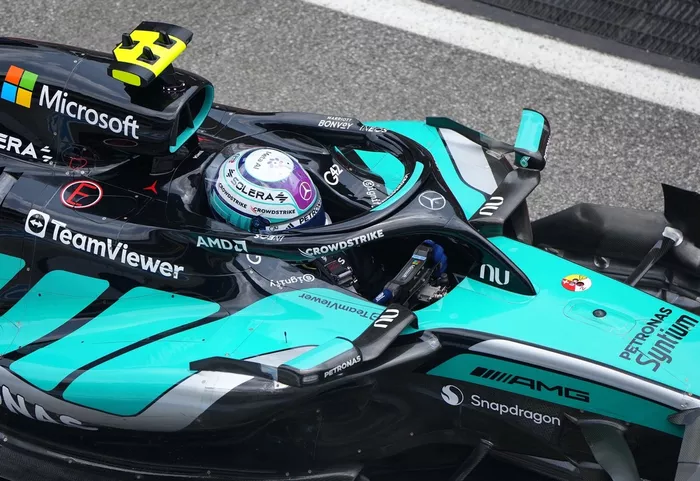
Kimi Antonelli FP3 performance has sent a clear signal to the rest of the grid as the 20-year-old Mercedes driver topped the final practice session at the Sepang International Circuit. On October 3, 2026, the Mercedes driver secured the fastest time of the session with a 1m36.302s lap, successfully leading a Mercedes recovery after a difficult opening two days of the Bahrain Grand Prix in Malaysia.
Key Takeaways
- Antonelli’s Dominance: Kimi Antonelli claimed P1 in FP3 with a 1m36.302s lap, outperforming Max Verstappen by 0.278 seconds.
- Mercedes Recovery: Following disappointing Friday sessions where the team finished no higher than fifth, the heavily upgraded W17 chassis showed significant one-lap pace.
- Red Bull Consistency: Red Bull remains a formidable force, placing both Max Verstappen and Isack Hadjar in the top three of the session.
- Tyre Management Concerns: High levels of tyre degradation were observed on the abrasive Sepang surface, particularly regarding the hard compound expected for the main race.
- Session Interruption: A red flag was deployed at the 25-minute mark due to debris from Oliver Bearman’s Haas at Turn 10.
- McLaren Struggles: The team continues to face challenges at this venue, with both drivers falling outside the top six.
- Tyre Strategy: How many stops are required to manage the hard compound?
- Mercedes Consistency: Can Russell close the gap to Antonelli?
- Red Bull’s Depth: Will Hadjar’s performance translate into a podium contention?
- McLaren’s Recovery: Can Norris and Piastri find the pace they lacked in the early sessions?
- www.motorsport.com
- www.motorsport.com
What Happened in FP3
The final practice session of the 2026 Bahrain Grand Prix at Sepang was a high-intensity affair characterized by shifting strategies and technical interruptions. The session began with drivers testing various compounds to gauge the limits of the abrasive Malaysian track. Early in the session, Charles Leclerc of Ferrari set a benchmark of 1m37.772s using the hard compound, providing an initial baseline for the field.
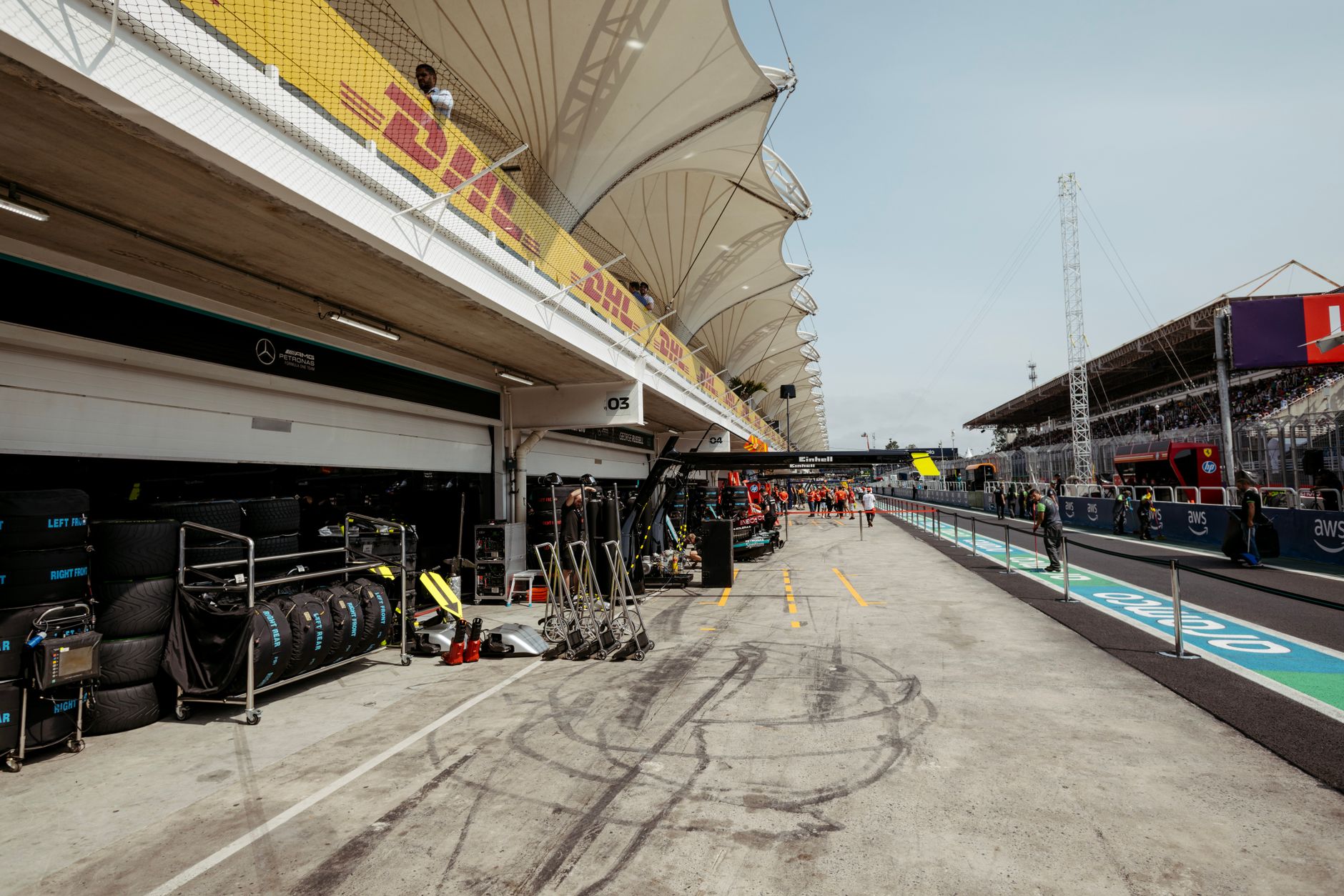
At the 25-minute mark, the session was halted by a red flag. According to Motorsport.com, the stoppage was necessitated by debris on the track at Turn 10, which was traced back to Oliver Bearman’s Haas shedding part of its front-right brake shrouding. Following an eight-minute delay to clear the track, the session resumed, prompting a flurry of qualifying-style runs as teams attempted to maximize their remaining track time.
As the session entered its final six minutes, the pace intensified. Isack Hadjar briefly moved into the top spot with a 1m36.860s, but his position was short-lived. Kimi Antonelli, driving the upgraded Mercedes W17, surged to the front, eventually clocking the session-best 1m36.302s. Max Verstappen followed in second place, setting a 1m36.580s lap on soft tyres. The session concluded with a frantic scramble for position, as Mercedes and Red Bull drivers pushed their respective machinery to the absolute limit.
Why the Mercedes Recovery Matters
The significance of Antonelli’s performance cannot be overstated when viewed through the lens of Mercedes’ recent weekend struggles. On Friday, the Mercedes team faced a steep decline in performance, finishing seventh and eighth in the second practice session. This decline had raised questions about whether the heavily upgraded W17 chassis could handle the unique demands of the Sepang International Circuit.
By securing the top spot in FP3, Mercedes has demonstrated that the technical upgrades are capable of delivering competitive one-lap pace. Antonelli, who currently leads the 2026 championship, has proven his ability to extract maximum performance from the car even under pressure. For the Mercedes engineering team, the session provides a vital proof of concept for their development direction, though the gap between one-lap speed and race-distance stability remains a critical question.
Furthermore, the session highlighted a growing divide in the field. While Mercedes and Red Bull showed strength, McLaren—once the dominant force in the championship—appeared to be struggling to find rhythm at this specific venue. This shift in the competitive hierarchy could have profound implications for the championship standings as the season progresses.
Deep-Dive: Technical Analysis and Driver Performance
The Battle for the Front
The battle at the top of the timing screens was a duel between the Mercedes of Antonelli and the Red Bull of Verstappen. While Antonelli found the ultimate edge in a single lap, Red Bull demonstrated a more balanced presence across the top of the order. Isack Hadjar’s third-place finish, just 0.558s off the lead, underscores the depth of the Red Bull program.
In contrast, Mercedes’ performance was somewhat polarized. While Antonelli excelled, George Russell finished fourth, 0.610s behind his teammate. During the session, it was noted that Russell struggled to match the pace of the Antonelli side of the garage, finishing six tenths off the lead. This internal performance gap suggests that while the W17 is fast, the setup window for optimal performance may be narrow.
Tyre Degradation and Track Surface
A defining characteristic of the Sepang circuit is its abrasive surface. This has led to significant technical concerns regarding tyre management. Throughout the practice sessions, drivers have been observed running extremely slowly on cool-down laps, a direct response to the high thermal and mechanical stress the track places on the rubber.
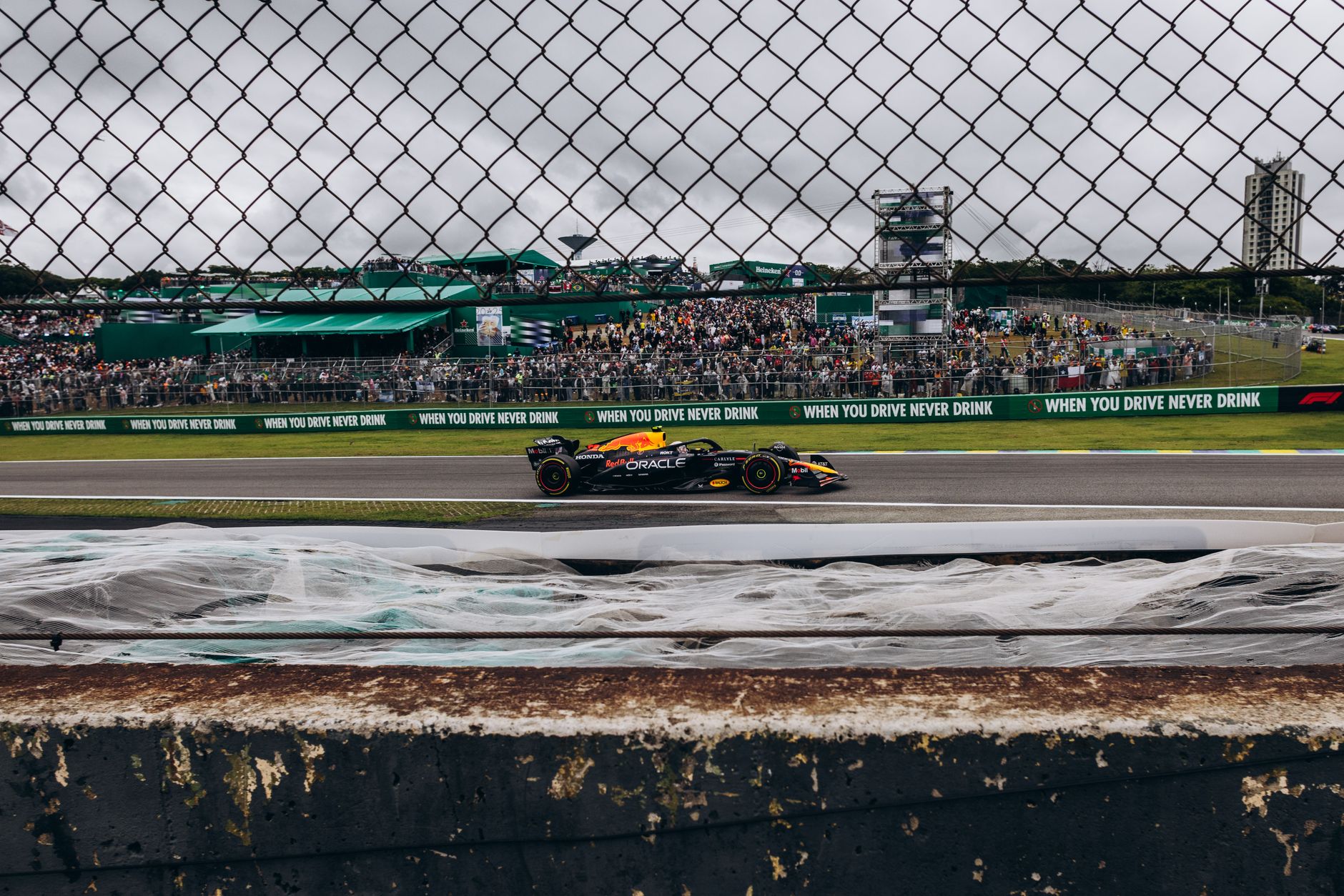
There is ongoing debate among engineers regarding the longevity of the C4 soft tyre. Observations from the session suggest that the soft compound may be a “one and done” tyre, meaning it provides immense grip for a single flying lap but degrades rapidly thereafter. This makes the management of the hard compound—the expected primary race tyre—the most critical factor for Sunday’s Grand Prix. If teams cannot stabilize the hard tyre’s performance, the race could become a high-stakes game of strategic attrition.
FP3 Top 10 Results
| Rank | Driver | Team | Best Time | Interval | Tyre | Laps |
|---|---|---|---|---|---|---|
| 1 | A. Antonelli | Mercedes | 1’36.302 | — | S | 12 |
| 2 | M. Verstappen | Red Bull | 1’36.580 | +0.278 | S | 12+ |
| 3 | I. Hadjar | Red Bull | 1’36.860 | +0.558 | S | 15+ |
| 4 | G. Russell | Mercedes | 1’36.912 | +0.610 | S | 11+ |
| 5 | C. Leclerc | Ferrari | 1’37.016 | +0.714 | S | 19+ |
| 6 | L. Hamilton | Ferrari | 1’37.041 | +0.739 | S | 15+ |
| 7 | L. Norris | McLaren | 1’37.161 | +0.859 | M | 15+ |
| 8 | O. Piastri | McLaren | 1’37.366 | +1.064 | S | 16+ |
| 9 | F. Colapinto | Alpine | 1’37.920 | +1.618 | S | 20+ |
| 10 | A. Lindblad | Racing Bulls | 1’38.084 | +1.782 | S | 24+ |
What It Means for the Grid
For the teams and drivers, the results of FP3 dictate the strategic roadmap for qualifying and the race.
For Mercedes and Red Bull fans: The session confirms that the fight for pole position will likely be a battle between the Mercedes W17 and the Red Bull chassis. The narrow margins between the top four drivers suggest that qualifying will be decided by millisecond-level precision.
For Strategy Engineers: The primary focus must shift from pure speed to tyre preservation. The data suggests that the race will not be won by the fastest car, but by the car that can most effectively manage the degradation of the hard compound over a long stint. The high abrasiveness of the track means that pit stop windows will be tighter and more sensitive to track position.
For the Midfield: Drivers like Franco Colapinto and Arvid Lindblad have shown they can maintain a consistent rhythm, but the gap between the frontrunners and the midfield—roughly 1.6 seconds—remains a significant hurdle to overcome. For teams like Alpine and Racing Bulls, the goal will be to maximize points through opportunistic strategy rather than raw pace.
Counterpoints and Open Questions
While Antonelli’s performance is a cause for celebration within the Mercedes camp, several questions remain unanswered. First, is the W17’s sudden surge in pace a true reflection of its potential, or was it a result of specific track conditions during the final push? The disparity between Friday’s performance and Saturday’s results suggests a high sensitivity to setup changes that could become a liability during the race.
Secondly, the reliance on the soft tyre for the fastest laps raises concerns about the “one-lap wonder” phenomenon. If the soft tyre cannot be used effectively in qualifying due to rapid degradation, the grid could be reshuffled in ways that current simulations might not predict.
Finally, the impact of the high heat and low grip at Sepang remains a variable. While the session was dry, the technical focus on the hard tyre suggests that the teams are bracing for a grueling race where thermal management will be as important as aerodynamic efficiency. Can Mercedes maintain their championship-leading form when the race distance demands more than just a single burst of speed?
What Happens Next
The focus now shifts to the qualifying session, where drivers will attempt to secure their starting positions for the Bahrain Grand Prix. Teams will be looking to refine their setups based on the high-degradation data gathered during FP3.
Following qualifying, the main event will be the Grand Prix itself. Observers should watch for:
Frequently Asked Questions
How did Kimi Antonelli perform in FP3?
Kimi Antonelli topped the FP3 session at the Sepang International Circuit with a time of 1m36.302s. His performance was a significant improvement for Mercedes, who had struggled in the previous two practice sessions. Antonelli’s time was 0.278 seconds faster than the second-place finisher, Max Verstappen.
What caused the red flag during the session?
The session was interrupted by a red flag at the 25-minute mark due to debris on the track at Turn 10. The debris was caused by Oliver Bearman’s Haas, which had shed part of its front-right brake shrouding during its run. The session resumed approximately eight minutes after the flag was deployed.
Why is tyre degradation a major concern at Sepang?
The Sepang International Circuit features a highly abrasive surface and high ambient temperatures. This combination causes significant wear on the racing tyres. During FP3, it was observed that the soft tyres provide immense grip for a single lap but degrade very quickly, making tyre management a decisive factor for the upcoming race.
How did Mercedes improve from Friday to Saturday?
Mercedes utilized a heavily upgraded W17 chassis for the event. After a difficult Friday where the team finished as low as seventh and eighth, the upgrades appeared to provide better one-lap pace in FP3. However, it remains to be seen if this performance will translate into race-distance stability.
Closing Summary
Kimi Antonelli’s commanding FP3 performance has re-established Mercedes as a primary contender for the Bahrain Grand Prix in Malaysia
References
Featured image: Image via motorsport.com