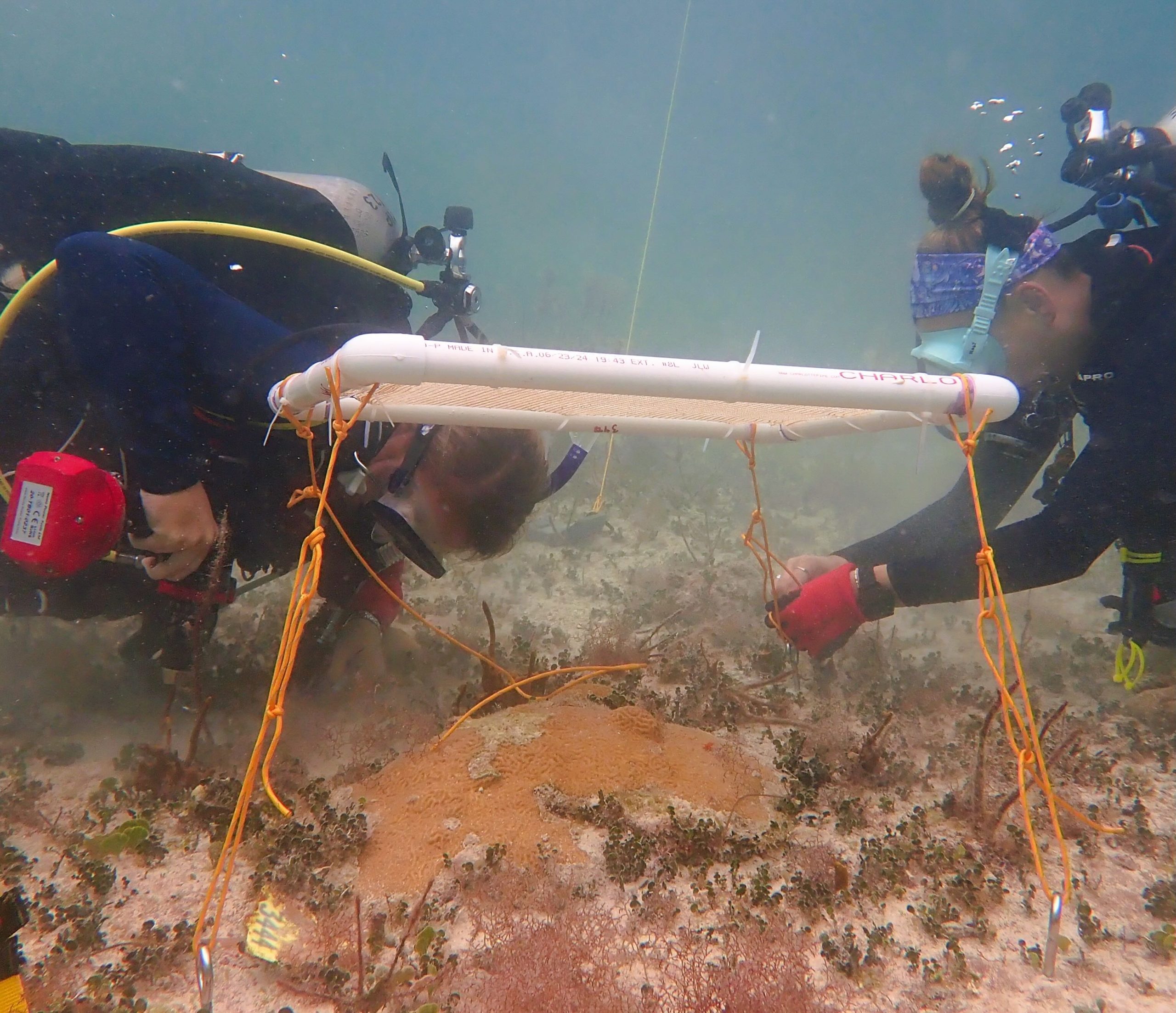
coral reef shading may offer a vital, localized lifeline for marine ecosystems currently facing the unprecedented threat of rising ocean temperatures. As Earth enters its fourth global coral bleaching event, researchers have demonstrated that temporary, man-made canopies can significantly mitigate the damage caused by intense solar radiation during marine heatwaves.
Key Takeaways
- Innovative Mitigation: Researchers successfully deployed “underwater umbrellas” made of pipes and nylon cloth to reduce light exposure on coral colonies by approximately 60%.
- Proven Efficacy: In a Summer 2024 study in the Florida Keys, shaded corals suffered less bleaching and even showed signs of color recovery compared to unshaded control groups.
- Targeted Protection: The method serves as a “proof of concept” for protecting high-priority or highly susceptible coral species during extreme thermal stress events.
- Not a Cure-All: While effective on a small scale, the technology does not lower water temperatures and faces massive challenges regarding scalability and global climate change.
- Strategic Triage: Implementing widespread shading would require difficult ecological decisions about which specific reef areas and species deserve priority protection.
- No Temperature Mitigation: The shades do not lower the actual temperature of the seawater. If water temperatures reach a critical threshold where heat alone causes mortality, no amount of shading will prevent the coral from bleaching.
- The Thermal Threshold: Dr. Neely noted that there is likely a point of thermal stress beyond which shading becomes ineffective, a boundary that has yet to be defined through further experimentation.
- Ecological Impact: While the researchers found no evidence that the shades harmed other parts of the ecosystem, the long-term impact of placing thousands of artificial structures on the seabed remains an open question.
- The Root Cause: Most importantly, shading is a reactive, temporary measure. It does not address the underlying driver of reef degradation: anthropogenic climate change. As Dr. Neely emphasized, “We absolutely have to address climate change to have any hope of reefs as we know them existing in the future.”
- www.frontiersin.org
- www.discoverwildlife.com
- gizmodo.com
The Breakthrough: Underwater Umbrellas
In a study published in the journal Frontiers in Marine Science, a team of researchers led by Dr. Karen Neely of Nova Southeastern University has presented a novel method for protecting vulnerable marine life: the use of custom-made underwater shades. These structures, colloquially referred to as “underwater umbrellas,” are designed to shield coral colonies from the combined stress of high water temperatures and intense solar irradiance.
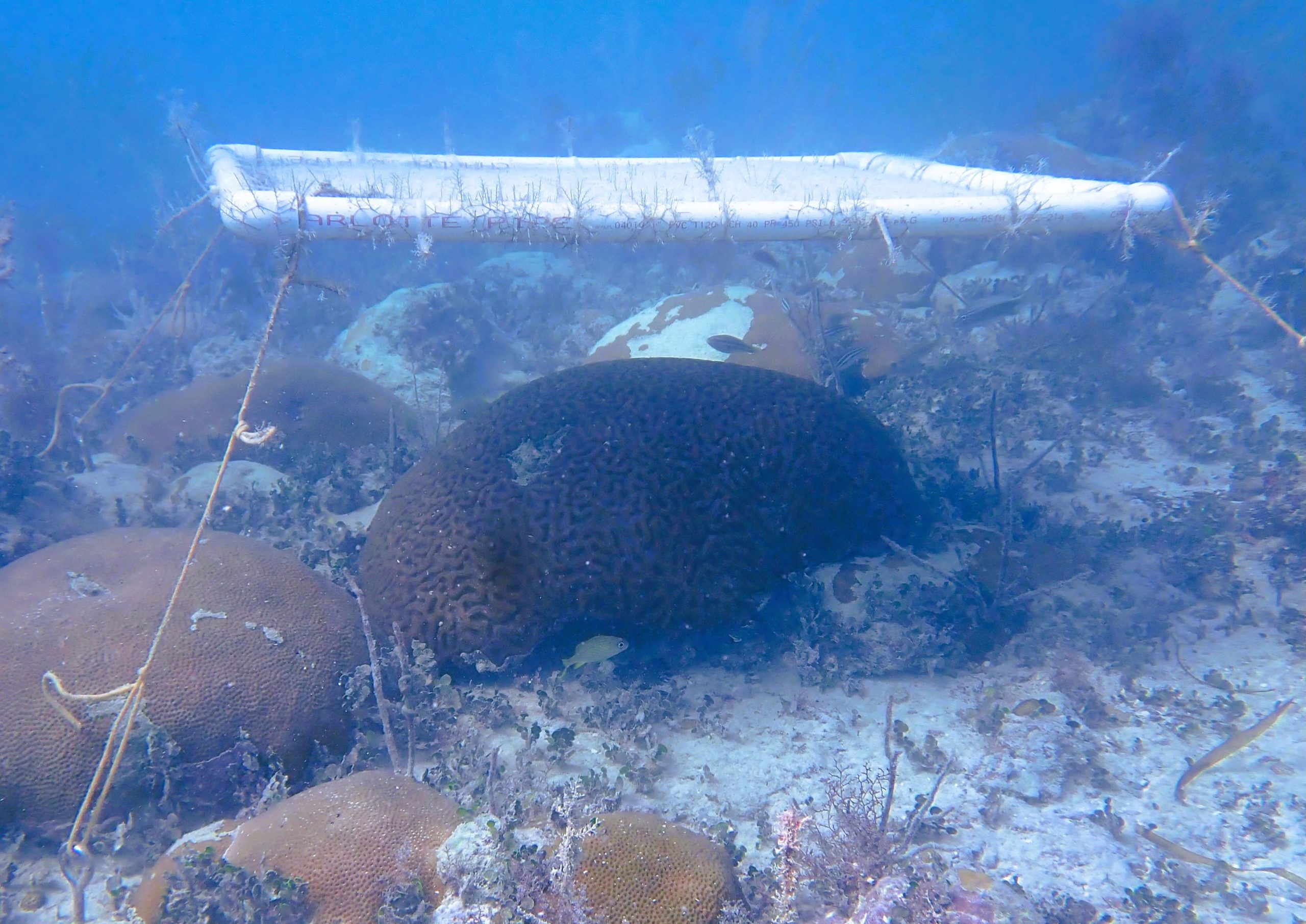
During the summer of 2024, the research team conducted field experiments at Newfound Harbor in the Florida Keys. The study took place during a period of extreme environmental stress, as the region experienced the second-hottest summer on record. The team deployed 20 custom shades over 10 different colonies of two specific brain coral species: Pseudodiploria clivosa (knobby brain coral) and Colpophyllia natans (boulder brain coral).
To ensure scientific rigor, the researchers also monitored 20 matching corals that remained unshaded to serve as a control group. The shades themselves were relatively simple in construction, consisting of pipes with nylon cloths attached, designed to float approximately 30 centimeters (one foot) above the coral seabed.
Why It Matters: The Biology of Bleaching
To understand why coral reef shading is being explored as a conservation tool, one must understand the delicate biological relationship that sustains reef ecosystems. Corals are not merely rocks; they are living animals that host symbiotic algae known as zooxanthellae within their tissues. These algae are essential to the coral’s survival, providing the organism with its vibrant colors and serving as its primary source of nutrition through photosynthesis.
When corals are subjected to environmental stressors—most notably rising water temperatures and excessive light—the relationship breaks down. The coral becomes stressed and expels the zooxanthellae. Without these algae, the coral’s white calcium carbonate skeleton becomes visible through its transparent flesh, a phenomenon known as “bleaching.”
Without a rapid return to stable temperatures, bleached corals begin to starve. The decimation of these ecosystems carries profound global consequences. Coral reefs provide natural barriers that protect coastal communities from storm surges, support multi-billion dollar fishing industries that feed millions, and foster immense biodiversity that is critical to the health of the planet’s oceans.
As scientists warn that by 2050, most reefs may suffer mass bleaching every year due to warming oceans, the need for interventionist strategies has become increasingly urgent. The 2023 bleaching event in Florida, which devastated branching corals and severely impacted inshore brain corals, served as a direct catalyst for Dr. Karen Neely and her team to seek out these “targeted” protection tools.
The 2024 Experiment: Data and Results
The findings from the Newfound Harbor experiment suggest that while the umbrellas do not cool the water itself, they drastically reduce the biological impact of the heat. By cutting light exposure by 60%, the shades mitigated the UV and irradiance damage that often exacerbates thermal stress.
According to the research, the most significant benefits were observed during the most intense periods of heat stress. Interestingly, the shaded corals did not just avoid bleaching; some actually began to regain their pigmentation, suggesting that the reduction in light stress allowed the corals to re-establish their symbiotic relationships.
| Feature | Shaded Coral Colonies | Unshaded (Control) Colonies |
|---|---|---|
| Number of Colonies | 10 | 20 |
| Light Exposure | Reduced by ~60% | Full solar exposure |
| Bleaching Severity | Significantly lower than control | Higher than shaded group |
| Color Recovery | Observed in some colonies | Minimal to none |
| Mortality Rate | 0% (during study period) | 0% (during study period) |
| Primary Algae Type | Durusdinium | Durusdinium |
One notable scientific nuance emerged during the data analysis. While the shaded corals fared better, none of the corals in either the shaded or unshaded groups died during the study. Dr. Neely and her colleagues suspect this may be because the heatwave triggered a shift in the coral’s internal biology, specifically the occupation of the corals by a heat-tolerant species of algae called Durusdinium. While this algae helps the coral survive higher temperatures, it is often associated with slower coral growth and a potentially higher susceptibility to disease.
The Triage Dilemma: Scalability and Ethics
Despite the success of the proof-of-concept, the implementation of coral reef shading on a global scale presents a massive logistical and ethical challenge. The current design is highly effective for small, localized areas—such as individual high-priority corals, coral nurseries, or small outplant sites—but it is not currently a solution for entire reef systems.
Dr. Neely was candid about the limitations of the technology, noting that “scaling is the big limitation of this study.” Moving from protecting 10 colonies to protecting thousands of acres of reef would require an unprecedented level of engineering and deployment capability.
Furthermore, the use of these tools introduces a difficult conservation dilemma: the question of triage. If resources, labor, and equipment are limited, scientists and policymakers must make “hard decisions” about which corals are worth saving. This raises complex questions about biodiversity: Do we protect the most common species to maintain ecosystem structure, or do we prioritize rare, genetically unique colonies that may hold the key to future resilience?
Limitations and Counterpoints
While the study is a significant step forward, it is important to view these “underwater umbrellas” within their proper context. Critics and fellow scientists point to several key limitations:
What It Means for You
The implications of this research extend far beyond the scientific community. Depending on your connection to the ocean, the success or failure of reef conservation efforts could impact your life in several ways:
For Coastal Residents: Coral reefs act as natural breakwaters. Healthy reefs absorb the energy of waves, significantly reducing the impact of storms and rising sea levels on coastal property and infrastructure. If reefs collapse, the cost of coastal protection and storm damage will rise dramatically.
For the Seafood Industry: Millions of people rely on the multi-billion dollar fishing industry for food and employment. As reefs serve as nurseries for countless marine species, their decline directly threatens global food security and the livelihoods of fishing communities.
For the Tourism Sector: From scuba diving to coastal resorts, the global economy relies heavily on healthy marine environments. The loss of vibrant, colorful reefs could lead to a massive decline in marine-based tourism, impacting local economies worldwide.
For Policy Makers and Investors: The shift toward “interventionist” conservation—actively managing specific high-value colonies—suggests a new sector for environmental technology and marine engineering. This may influence where conservation funding is directed and how marine protected areas are managed.
What Happens Next
The research team at Nova Southeastern University is already looking toward the future. The next phase of the study will focus on the long-term biological effects of shading. Specifically, researchers want to determine if shaded corals exhibit higher rates of successful reproduction or if the temporary protection leads to a reduction in disease susceptibility over several years.
Additionally, there are ongoing efforts to trial larger-scale shading designs. Engineering ideas are being explored to move beyond simple pipe-and-cloth structures toward more robust, scalable systems that could cover larger sections of high-priority reef areas.
As the world continues to struggle with greenhouse gas emissions, these “underwater umbrellas” may serve as a vital stop-gap—a way to buy time for the world’s most important marine ecosystems while the larger battle against climate change is fought.
Frequently Asked Questions
How do underwater umbrellas work to protect corals?
Underwater umbrellas do not cool the water temperature. Instead, they function by reducing the amount of solar radiation and UV light that reaches the coral. During heatwaves, the combination of high heat and high light intensity is what causes corals to expel their symbiotic algae. By reducing light exposure by about 60%, the shades mitigate this dual stress, allowing the coral to remain stable or even recover its color.
Can shading save all coral reefs from bleaching?
No. Shading is a localized, targeted tool designed for specific, high-value areas or species. It is currently impossible to scale this technology to cover entire ocean reef systems. Furthermore, if water temperatures rise beyond a certain extreme threshold, the heat alone will cause bleaching regardless of how much shade is provided. It is a tool for “triage” rather than a total solution.
Why is the 2023 bleaching event in Florida significant?
The 2023 event was a major driver for this research because it caused devastating damage to Florida’s reefs, particularly wiping out many branching coral species and impacting brain corals. It demonstrated that current warming trends are already reaching levels that can cause mass mortality, prompting scientists to seek out proactive, interventionist ways to protect the remaining healthy colonies.
What are the risks of using shading structures?
The primary risks involve the logistical difficulty of deployment and the potential for unintended ecological consequences. While the current study found no harm to the surrounding ecosystem, large-scale deployment of artificial structures could potentially alter local water flow, sediment movement, or the behavior of other marine organisms. Scientists will need to conduct extensive long-term studies before such methods can be used widely.
Coral reef shading represents a shift in how we approach marine conservation—moving from purely observing and protecting areas to actively intervening to save specific, vital organisms. While it is not a replacement for global climate action, it may provide the critical time needed to preserve the genetic diversity of our oceans.
References
Featured image: Credit: Arelys Chaparro — via Discover Wildlife