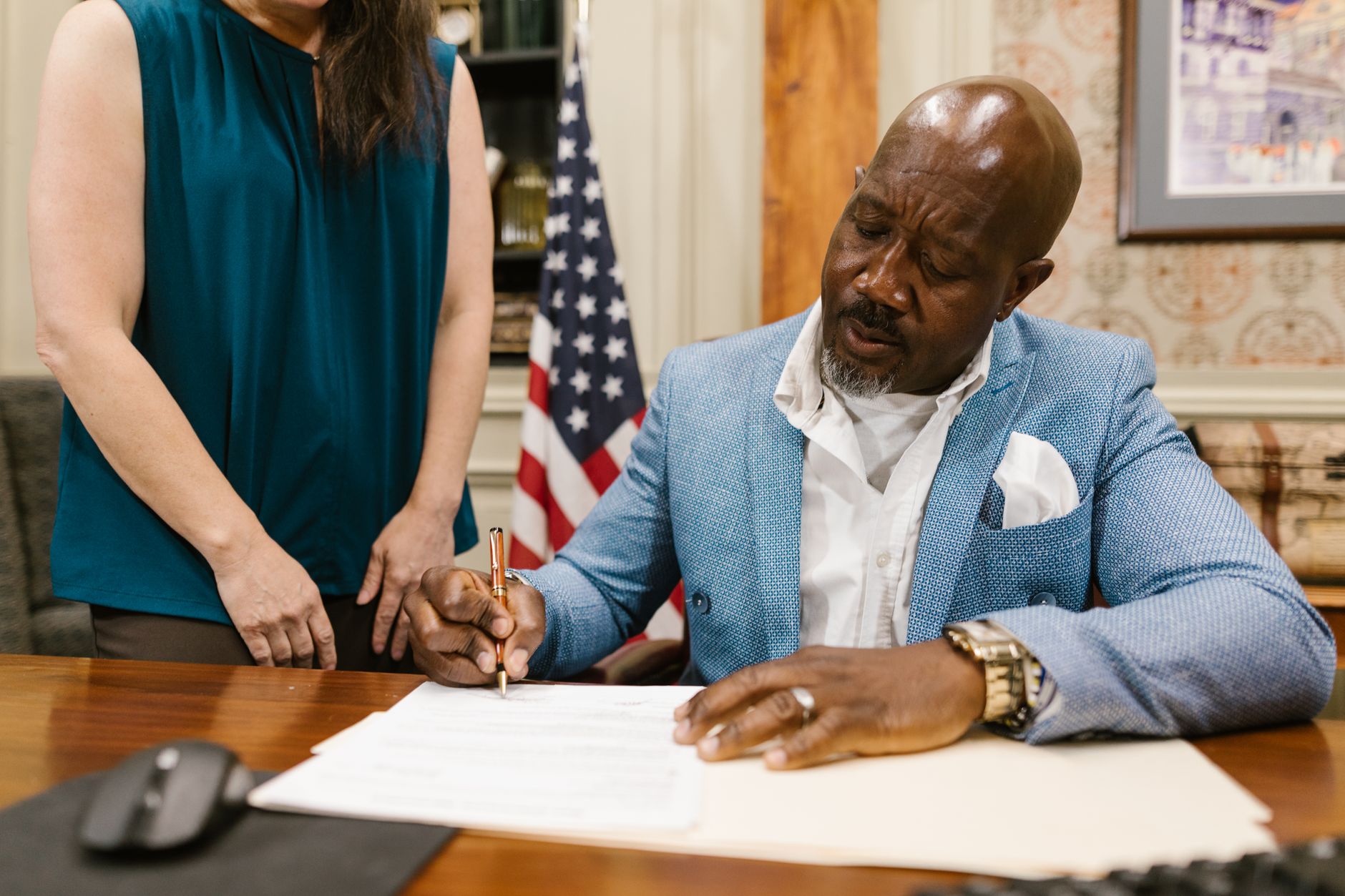
The California child marriage ban signed by Governor Gavin Newsom on September 30, 2026, marks a historic shift in the state’s legal framework by prohibiting anyone under the age of 18 from entering into a marriage or domestic partnership.
Key Takeaways
- Absolute Age Limit: Assembly Bill 1267 establishes 18 as the strict minimum age for marriage and domestic partnerships in California, removing all previous exceptions.
- End of Loopholes: The law eliminates the ability for minors to marry via parental consent or judicial approval, a system that previously left many children vulnerable.
- Effective Date: The new restrictions are scheduled to officially take effect on January 1, 2027.
- National Context: California becomes the 18th state to implement an absolute ban on child marriage since 2018, though 32 other states still allow exceptions.
- Protective Measures: Alongside the marriage ban, AB 2534 was signed to provide legal protections and restraining orders for victims of forced marriages.
- Legal Implications: The ban closes a critical gap in statutory rape laws by removing the “spousal exemption” that previously allowed adults to avoid prosecution if they married a minor.
- Lack of Legal Agency: Married minors often face significant barriers to hiring an attorney, filing for divorce, or obtaining protection from abuse.
- Economic Vulnerability: Early marriage is frequently linked to interrupted schooling, limiting future career and vocational advancement.
- Physical and Sexual Risk: The United Nations has characterized child marriage as a “human rights violation,” citing increased risks of early pregnancy, social isolation, and domestic violence.
- Federal Legislation: The progress of the Child Marriage Prevention Act in the U.S. Congress will be a critical indicator of whether a nationwide standard will be established.
- State-Level Battles: Activists will likely turn their attention to the 32 states where child marriage remains legal, with a focus on states like Mississippi and New Mexico that currently have no minimum age.
- Implementation Monitoring: Legal experts will be watching to see how California’s courts and marriage bureaus handle the transition and whether the “spousal exemption” in statutory rape cases is effectively closed.
- Global Accountability: With the UN’s 2030 goal in sight, international pressure on countries with high rates of child marriage is expected to intensify.
- www.bbc.com
- <a href="https://www.huffpost.com/entry/california-outlaws-child-marriagen6abe629ee4b0ecc03a1f267e”>www.huffpost.com
- www.lawcommentary.com
- equalitynow.org
- www.npr.org
What Happened
On Wednesday, September 30, 2026, California Governor Gavin Newsom signed Assembly Bill 1267, a landmark piece of legislation designed to end child marriage within the state. The bill, authored by Assemblymember Gail Pellerin, a Democrat from Santa Cruz, establishes 18 as the absolute minimum age for both marriage and domestic partnerships.
For decades, California was one of only three U.S. states—alongside Mississippi and New Mexico—that possessed no statutory minimum age for marriage. Under the previous legal structure, minors could enter into marriage contracts if they secured written consent from at least one parent or legal guardian and received formal approval from a judge. This “conditional permission” model allowed children of any age to marry, provided they met those specific criteria.
In a simultaneous move to bolster child safety, Newsom also signed Assembly Bill 2534. While AB 1267 focuses on the age of consent for marriage, AB 2534 addresses the issue of “forced marriage” by allowing victims to seek court-ordered protections, such as domestic violence restraining orders, against individuals—including family members or arrangers—who attempt to facilitate or coerce such unions.

Why It Matters: Closing the Legal Gap
The significance of the California child marriage ban extends far beyond a simple change in age requirements. For advocates and legal experts, the previous laws created a dangerous intersection with California’s statutory rape statutes.
Currently, California law provides an exemption for sexual intercourse between spouses. By raising the marriage age to 18, AB 1267 ensures that future marriages involving minors cannot be used to trigger this “spousal exemption,” thereby providing a layer of protection against predatory legal maneuvering. According to Unchained At Last, a nonprofit dedicated to ending forced and child marriage, state marriage age laws have historically served as “get-out-of-jail-free cards” for child rapists by providing a legal workaround for statutory rape laws.
Furthermore, the human cost of the previous system is documented in staggering numbers. According to data compiled by bill sponsors and advocacy groups, approximately 35,000 minors were married in California between the years 2000 and 2021. On a national scale, nearly 315,000 minors were legally married in the United States during that same period.
Advocates point to several critical risks faced by minors in these unions:
Comparative Marriage Data (2000–2021)
| Metric | California Estimates | United States Estimates |
|---|---|---|
| Total Minors Married | ~35,000 | ~314,000 – 315,000 |
| Primary Demographic | Predominantly Girls | Predominantly Girls (86%) |
| Minimum Age Status | 18 (Effective Jan 2027) | Varies (32 states allow exceptions) |
| States with No Minimum Age | 0 (as of new law) | 2 (Mississippi and New Mexico) |
Deep-Dive: The Voices of Survivors
The push for the California child marriage ban was not merely a legislative effort but a decade-long campaign fueled by the lived experiences of survivors. For many, the signing of AB 1267 represents a long-awaited validation of their trauma.
Courtney Stodden, a prominent media personality and advocate, was married at age 16 to actor Doug Hutchison. Stodden has since become an outspoken campaigner, describing the marriage as “abusive and predatory.” Following the signing of the bill, Stodden told reporters that the action made it clear to survivors everywhere that they “should never have been expected to carry this burden.”
Similarly, Sara Tasneem, a survivor who was forced into an arranged marriage at age 15, described the legislative victory as “surreal.” Tasneem has been a key lobbyist for the ban, noting that the ability to see this bill come to fruition has been a “marathon” of advocacy. “I’m just grateful that kids cannot get married after January 1, 2027 in California,” she said.
Other survivors, such as Brittany Bee, who was married at age 17, highlighted the inherent impossibility of consent for children. “People have the audacity to tell me that I made a choice—kids, they can’t consent,” Bee stated, adding that her experience felt like moving “from one prison to another.”

The Global and National Landscape
While California’s move is a major milestone, it is part of a much larger, more complex global and national struggle. The United Nations has set a goal to end child marriage by the year 2030, but progress remains uneven.
The United States: A Patchwork of Laws
In the U.S., child marriage remains legal under varying restrictions in 32 states. This lack of a federal standard has led to calls for national intervention. On July 16, U.S. Representative Gwen Moore of Wisconsin, alongside Senators Dick Durbin, Brian Schatz, and Kirsten Gillibrand, introduced the child marriage prevention act.
This federal bill aims to push all states toward a nationwide minimum marriage age of 18. Representative Moore emphasized that many of these marriages involve young girls and adult men, calling it a “predatory practice” that requires federal support to address prevalence and data collection.
However, the federal push faces opposition. In states like Missouri, some Republican lawmakers have argued that such bans constitute “government overreach” and interfere with parental authority. For example, Missouri State Representative Dean Van Schoiack has characterized proposed bans as “government intrusion in people’s lives.”
Global Efforts and Challenges
Since 2021, several countries have moved to set the marriage age at 18 without exceptions, including Sierra Leone, England, the Philippines, and the Dominican Republic.
In India, the situation presents a complex case study of why legislation alone may not be a silver bullet. While marriage under 18 is illegal in India, the National Family Health Survey found that one in five women ages 20 to 24 married before turning 18. UNICEF estimates that at least 1.5 million girls under the age of 18 are married in India each year.
Renu Singh, executive director of Young Lives India, explains that deeply ingrained cultural factors often override legal prohibitions. Through the Young Lives study—which has followed 3,000 children in India, Ethiopia, Peru, and Vietnam since 2002—researchers found that marriage is often driven by complex socio-economic pressures. In some Indian households, parents view marriage as a “security net” for daughters, or use it to manage the financial implications of the dowry system.
“Lasting change also requires communities to stop accepting and supporting the widespread practice,” Singh noted, emphasizing that solutions must address poverty, inequality, and gender roles.
What It Means for You
The implementation of the California child marriage ban will have practical implications for several groups:
For Minors and Young Adults
Under the new law, no person under 18 will be able to obtain a marriage license or enter into a domestic partnership in California, regardless of parental or judicial consent. This provides a legal shield for minors who might otherwise be pressured into unions by family members.
For Legal and Law Enforcement Professionals
The law changes the landscape of statutory rape investigations. By removing the “spousal exemption” for marriages involving minors, prosecutors will have a clearer path to holding adults accountable for predatory relationships that were previously shielded by marriage certificates.
For Young Parents and Families
There is a point of contention regarding the impact on minors who are already parents. The ACLU California Action has raised concerns that a total ban could deprive young pregnant or parenting individuals of certain legal and financial protections, such as spousal benefits or healthcare autonomy. They warn that such laws might inadvertently drive vulnerable young people “underground,” making them harder for social services to reach.
Counterpoints and Open Questions
Despite the widespread support from human rights organizations, the California child marriage ban has not been without controversy. The primary debate centers on the tension between child protection and individual autonomy/reproductive rights.
The Autonomy Argument:
As noted by the ACLU, some advocates worry that an absolute ban lacks the flexibility to account for the needs of teenagers who are already navigating the complexities of parenthood. They argue that for some, marriage might provide a structured legal status that offers certain protections, and that a blanket ban could strip them of those rights.
The “Underground” Risk:
Critics suggest that if marriage is no longer a legal option, families or partners might seek ways to formalize unions outside of legal channels, potentially increasing the risk of domestic violence by removing the ability of a minor to seek help through formal marital or domestic partnership legal frameworks.
The Effectiveness Question:
As seen in the case of India, there is an ongoing debate about whether legislative changes can truly succeed without a corresponding shift in cultural attitudes regarding gender, sexuality, and the role of women in society. Advocates like Casey Carter Swegman of the Tahirih Justice Center argue that “belief and behavior change” are just as essential as the law itself.
What Happens Next
As California moves toward the January 1, 2027 implementation date, several catalysts will determine the future of this movement:

Frequently Asked Questions
When does the California child marriage ban take effect?
The new law, Assembly Bill 1267, is scheduled to officially go into effect on January 1, 2027. Until that date, the previous system allowing marriage with parental and judicial consent remains in place.
Does this law apply to people who are already married?
No. The legislation is not retroactive. It establishes a new standard for future marriage and domestic partnership licenses but does not invalidate existing marriages entered into under the previous legal framework.
Can a minor still marry if they have a judge’s permission?
No. One of the primary functions of AB 1267 is to eliminate the “judicial approval” loophole. Once the law takes effect in 2027, no person under the age of 18 will be permitted to marry or enter a domestic partnership, regardless of any court order or parental consent.
What is the difference between AB 1267 and AB 2534?
AB 1267 is the primary bill that sets the minimum marriage age at 18. AB 2534 is a companion bill that focuses on protecting victims of forced marriage by allowing them to seek restraining orders and other legal protections against those attempting to coerce them into a union.
Closing
The passage of the California child marriage ban represents a significant victory for survivor-led advocacy and a major step in aligning state law with international human rights standards. By closing long-standing legal loopholes and prioritizing the protection of minors over parental or judicial discretion, California has set a new precedent for the rest of the United States. However, as the debate continues regarding the balance between absolute protection and individual autonomy, the true impact of this law will be measured by its ability to provide safety and agency to the state’s most vulnerable children.
References
Featured image: Photo by RDNE Stock project on Pexels