Key takeaways
- Voyager 1 will reach a distance of one light-day from Earth on November 18, 2026.
- NASA is hosting a “Shine Bright for Voyager’s Light-Day” event on November 17, 2026.
- Participants are encouraged to flash Morse code “VGR” using flashlights or NASA’s website.
- The spacecraft is currently the most distant human-made object in existence.
The Voyager 1 light-day milestone is set to be reached on November 18, 2026, as the spacecraft travels a distance equivalent to one full day of light travel from Earth. To commemorate this historic achievement, NASA has invited the public to participate in a global signaling event on the evening of November 17, 2026, by flashing lights in Morse code to salute the aging probe.
What happened
As the most distant human-made object in existence, Voyager 1 is approaching a mathematical and astronomical threshold that defines the sheer scale of our solar system and the interstellar void. According to NASA, the spacecraft will officially cross the one light-day mark at 05:16:07 EST (10:16:07 UTC) on Wednesday, November 18, 2026. This distance is staggering, totaling approximately 16,094,799,096 miles, or 25,902,068,356 kilometers.
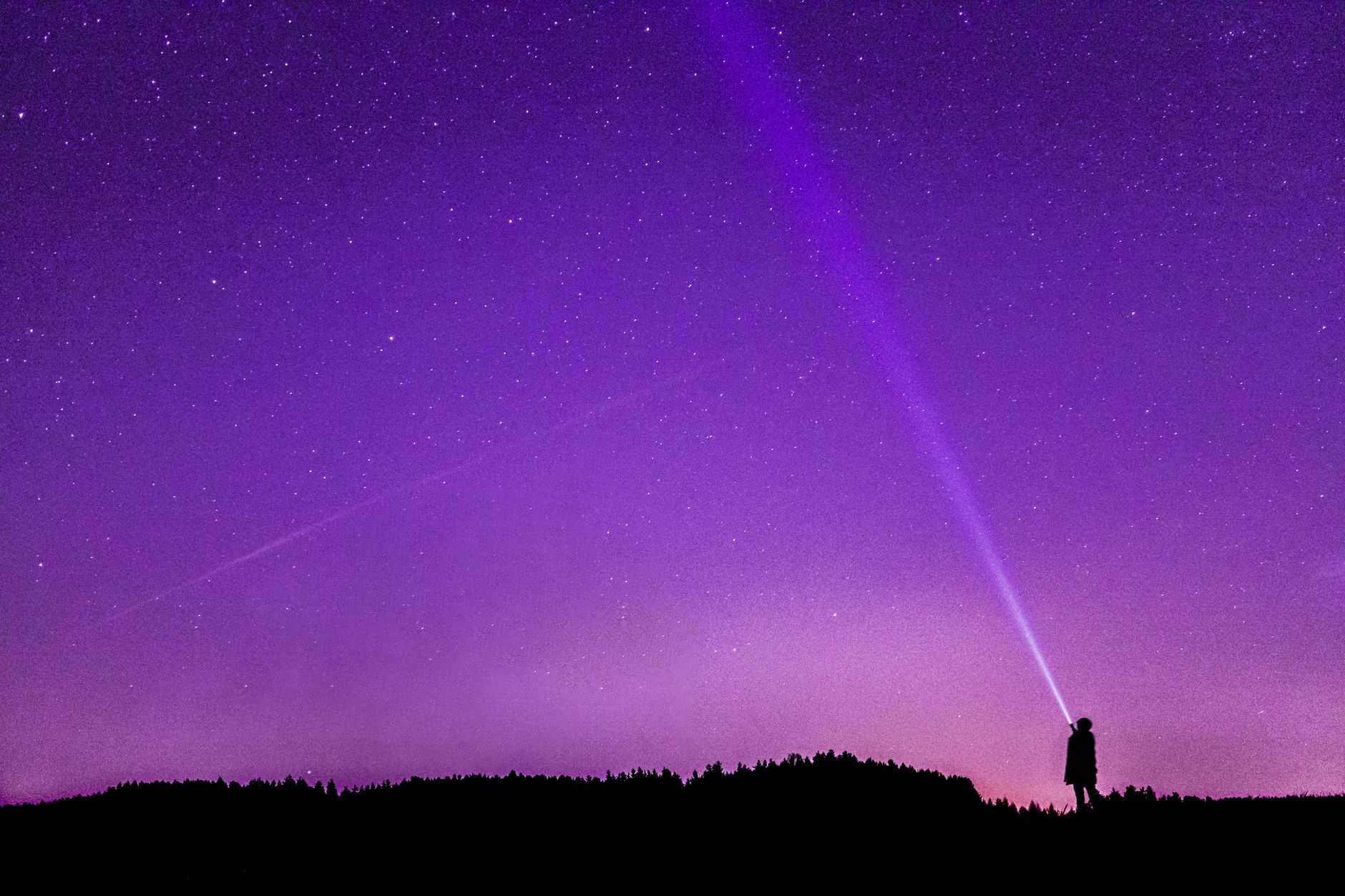
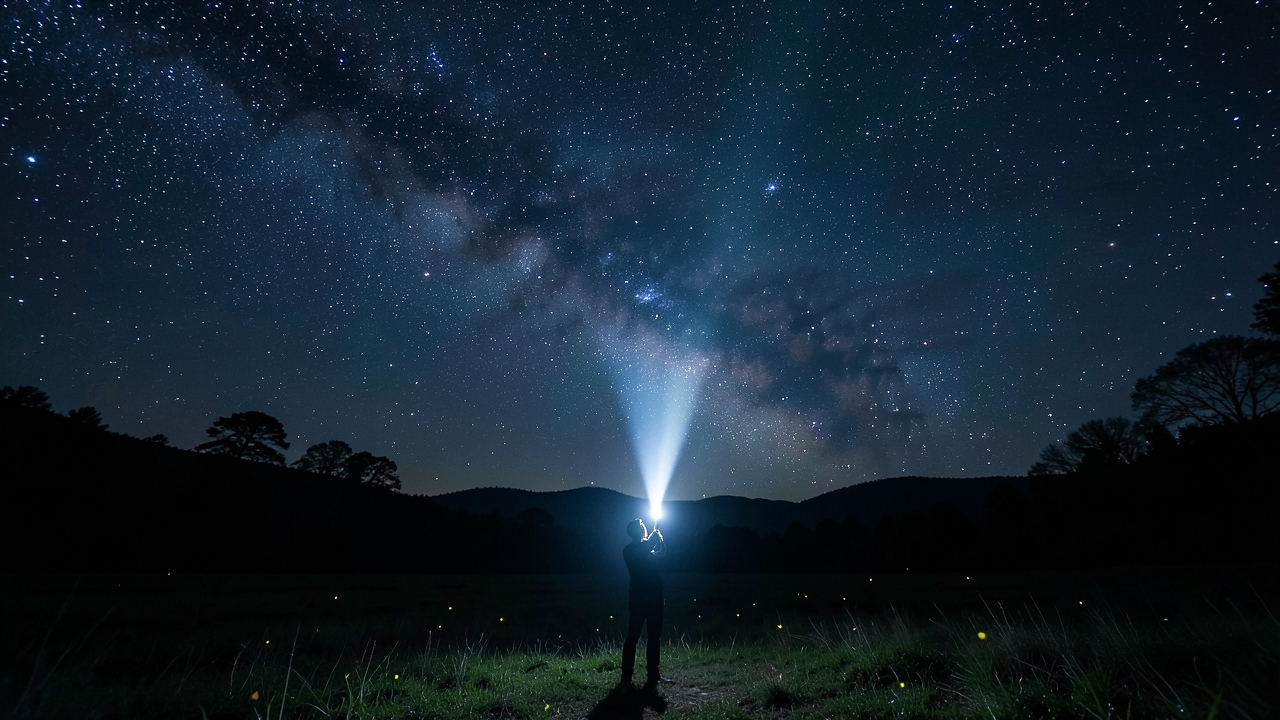
To celebrate, the space agency has launched the “Shine Bright for Voyager’s Light-Day” campaign. On the night of November 17, 2026, following sunset, people around the world are encouraged to look toward the sky and signal the probe. The instructions from NASA are specific: participants should flash the mission’s three-letter designation, VGR, in Morse code. This can be done manually using handheld flashlights or through a digital tool hosted on NASA’s official website. The agency stated that this collective effort is intended to create “a symbolic wave of golden light encircling the planet after sunset.”
While the gesture is deeply symbolic, NASA has been quick to manage expectations regarding the probe’s ability to receive these signals. The spacecraft’s onboard cameras were decommissioned by engineers decades ago, following the capture of the iconic “Pale Blue Dot” image. Consequently, Voyager 1 will be unable to visually detect the flashes of light from Earth. The event is designed as a human tribute to the probe’s longevity and its role as a messenger for humanity in the interstellar medium.
The significance of the one light-day milestone
To understand why a “light-day” matters, one must consider the physics of deep-space communication. A light-day represents the distance light travels in a 24-hour period. When a spacecraft is one light-day away, any signal sent from Earth—whether a command from mission control or a symbolic flash of light—takes a full 24 hours to reach the target. Conversely, any response or data transmitted back from the spacecraft will take another 24 hours to reach Earth. This creates a 48-hour round-trip delay, necessitating a level of patience and autonomous programming that is unique to interstellar missions.
Voyager 1 is currently traveling at an incredible velocity of approximately 38,000 mph (61,000 kph). Despite this speed, the vastness of space ensures that the distance continues to grow at an unrelenting pace. The achievement of reaching one light-day is not just a measurement of distance, but a testament to the endurance of the engineering and the mission’s continued relevance as it approaches its 50th anniversary of launch in 2027.
A legacy of exploration: From the solar system to interstellar space
Launched in 1977, the Voyager program was originally designed to conduct close-up studies of Jupiter and Saturn. However, the mission’s scope expanded far beyond its initial parameters. Voyager 1, in particular, became a pioneer of interstellar space, providing the first direct measurements of the environment outside the heliosphere—the bubble of charged particles and magnetic fields created by our sun.
One of the most profound moments in the mission’s history occurred decades ago when the spacecraft’s cameras were used to capture Earth as a tiny, fragile speck in the vastness of space. This image, famously known as the “Pale Blue Dot,” transformed the way humanity views its place in the cosmos. The decision to turn off the cameras was a strategic one, made by NASA engineers to conserve the spacecraft’s dwindling power supply for its primary scientific instruments and communication systems.
Technical challenges and the reality of deep space communication
Maintaining contact with a machine that is billions of miles away is a constant battle against physics and hardware degradation. NASA has recently had to manage several technical hurdles to keep the mission viable. The agency reported a “communications hiccup” in October 2026, which required engineers to troubleshoot the probe’s ability to transmit data back to the Deep Space Network on Earth.
Furthermore, the spacecraft is operating on a razor-thin margin of power. As the onboard radioisotope thermoelectric generators (RTGs) naturally decay over time, the amount of electricity available to power the probe’s scientific instruments and transmitters decreases. Every watt of power must be meticulously managed, with engineers frequently deciding which systems to keep active and which to power down to ensure the mission’s survival. This delicate balancing act is a core component of the modern Voyager mission management.
Comparing the Voyager twins
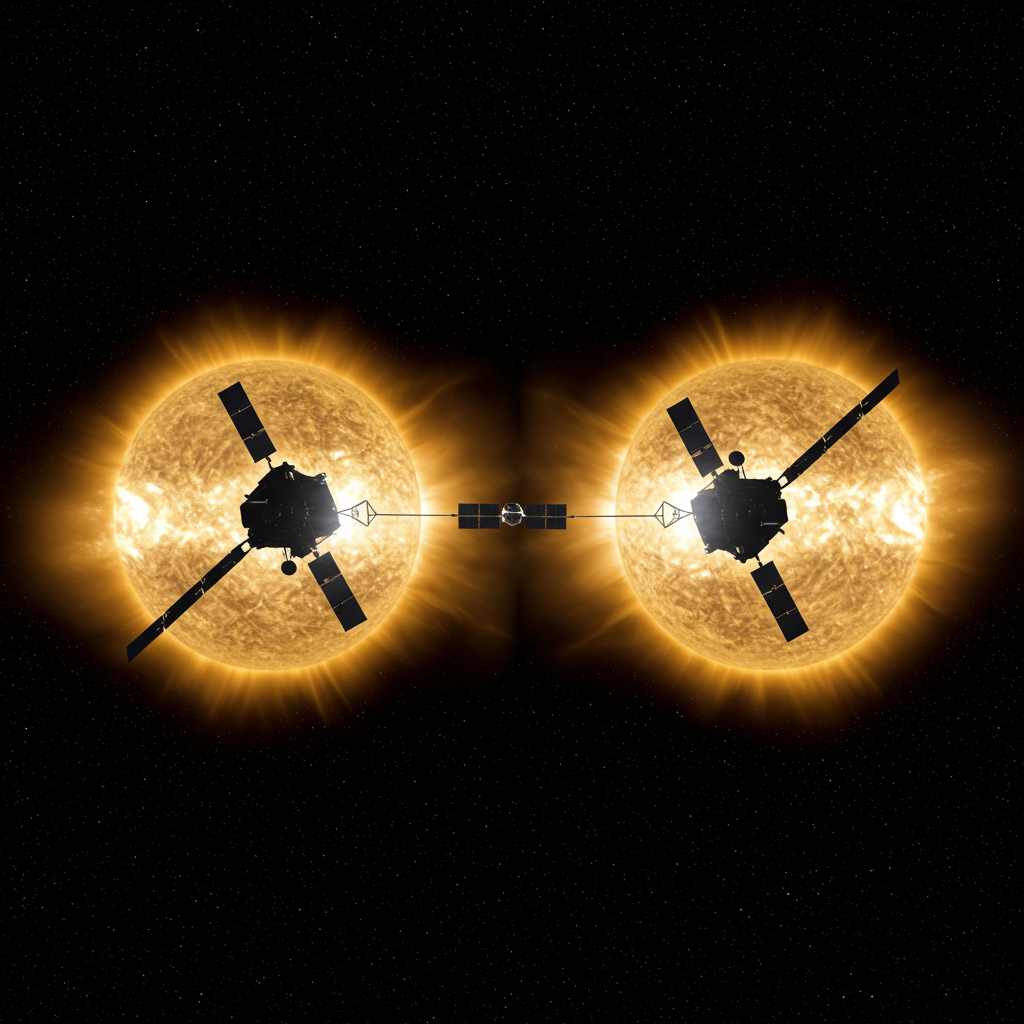
The Voyager mission consists of two identical spacecraft, but their paths and current statuses differ significantly. While Voyager 1 has taken a trajectory that led it into interstellar space more quickly, Voyager 2 followed a different path, performing historic flybys of Uranus and Neptune.
| Feature | Voyager 1 | Voyager 2 |
|---|---|---|
| Current Milestone | Reaching one light-day on Nov 18, 2026 | Expected in ~9 years |
| Trajectory Path | Interstellar space | Past Uranus and Neptune |
| Technical Status | Managing aging systems; recent comms hiccup | Dwindling power; tight margins |
| Distance Record | Most distant human-made object | Twin spacecraft |
Voyager 2 is not expected to reach the one light-day milestone for another nine years, placing that event somewhere around 2035 or 2036. However, there is significant uncertainty regarding whether Voyager 2 will still be capable of communicating with Earth by that time. The depletion of its power supply remains a critical concern for NASA scientists.
What it means for the future of interstellar science
For the scientific community, the continued operation of Voyager 1 provides a unique, real-time laboratory for studying the interstellar medium. As the probe moves through the space between stars, it sends back data on cosmic rays, magnetic fields, and plasma densities that cannot be gathered by any other means. The data collected by Voyager 1 serves as a baseline for understanding the environment that our solar system is moving through.
If you are a researcher or a student of astrophysics, the Voyager mission represents the ultimate long-term experiment. The lessons learned from managing its aging systems and its dwindling power will directly inform the design of future interstellar probes, such as those proposed for the next century. The mission teaches us how to build for longevity and how to communicate across the most extreme distances imaginable.
Counterpoints and open questions
Despite the celebratory nature of the upcoming milestone, several critical questions remain unanswered. The most pressing concern is the ultimate longevity of the spacecraft. While NASA has been successful in eking out every possible bit of power and functionality, there is no guarantee that Voyager 1—or Voyager 2—will remain operational for another decade, let alone the decades required to reach further milestones.
There is also the question of technical reliability. The recent communications hiccup in October 2026 serves as a reminder that even the most robustly engineered machines are susceptible to failure when operating in the harsh environment of deep space. Some skeptics within the scientific community wonder if the focus on maintaining these aging probes might detract from the development of newer, more capable interstellar technologies. Is it better to continue managing the twilight of the Voyager era, or should resources be pivoted entirely toward the next generation of deep-space explorers?
What happens next
Following the one light-day milestone on November 18, 2026, the focus of NASA’s mission teams will shift toward the upcoming 50th anniversary of the Voyager 1 launch in 2027. This anniversary will likely serve as a major touchstone for the agency, highlighting the mission’s unprecedented success and the enduring legacy of the engineers who designed it.
In the longer term, mission controllers will continue to monitor the power levels and communication health of both Voyager 1 and Voyager 2. For Voyager 2, the next decade will be a period of intense monitoring as it approaches its own light-day milestone. The signals we receive from these probes are becoming increasingly precious, and every piece of data returned from the interstellar void is a hard-won victory for human ingenuity.
As Voyager 1 continues its lonely trek through the interstellar medium, the upcoming light-day milestone serves as a profound reminder of humanity’s reach. Through the symbolic lights of millions of people on Earth, we acknowledge a machine that has become a silent, enduring ambassador for our species among the stars.
Frequently asked questions
How can I participate in the "Shine Bright" event?
To participate in the “Shine Bright for Voyager’s Light-Day” event, you should wait until after sunset on November 17, 2026. You can use a handheld flashlight to flash the Morse code for the mission’s designation, VGR, toward the sky. Alternatively, NASA provides a digital tool on its official website that allows you to participate in this symbolic wave of light from your computer.
Can Voyager 1 actually see the lights being flashed on Earth?
No, Voyager 1 will not be able to see the light displays from Earth. NASA engineers decommissioned the spacecraft’s cameras several decades ago to conserve power. This decision was made following the mission’s historic capture of the “Pale Blue Dot” image, ensuring that the remaining energy could be dedicated to scientific instruments and communication.
How fast is Voyager 1 traveling through space?
Voyager 1 is currently traveling at a speed of approximately 38,000 miles per hour, which is roughly 61,000 kilometers per hour. Even at this immense speed, the distance it must cover to reach further milestones is so vast that it will take years or even decades to reach subsequent astronomical landmarks.
When will Voyager 2 reach the one light-day milestone?
Voyager 2 is not expected to reach the one light-day distance from Earth for approximately another nine years. This would place its milestone achievement around the year 2035 or 2036. However, NASA scientists remain uncertain if the spacecraft’s dwindling power supply will allow it to maintain communication capabilities by that time.
References
- NASA asks public to flash lights as Voyager 1 reaches one light-day from Earth — news.lavx.hu
- NASA asks Earthlings to wave as Voyager 1 reaches a light-day away — theregister.com
Featured image: Photo by Felix Mittermeier on Pexels