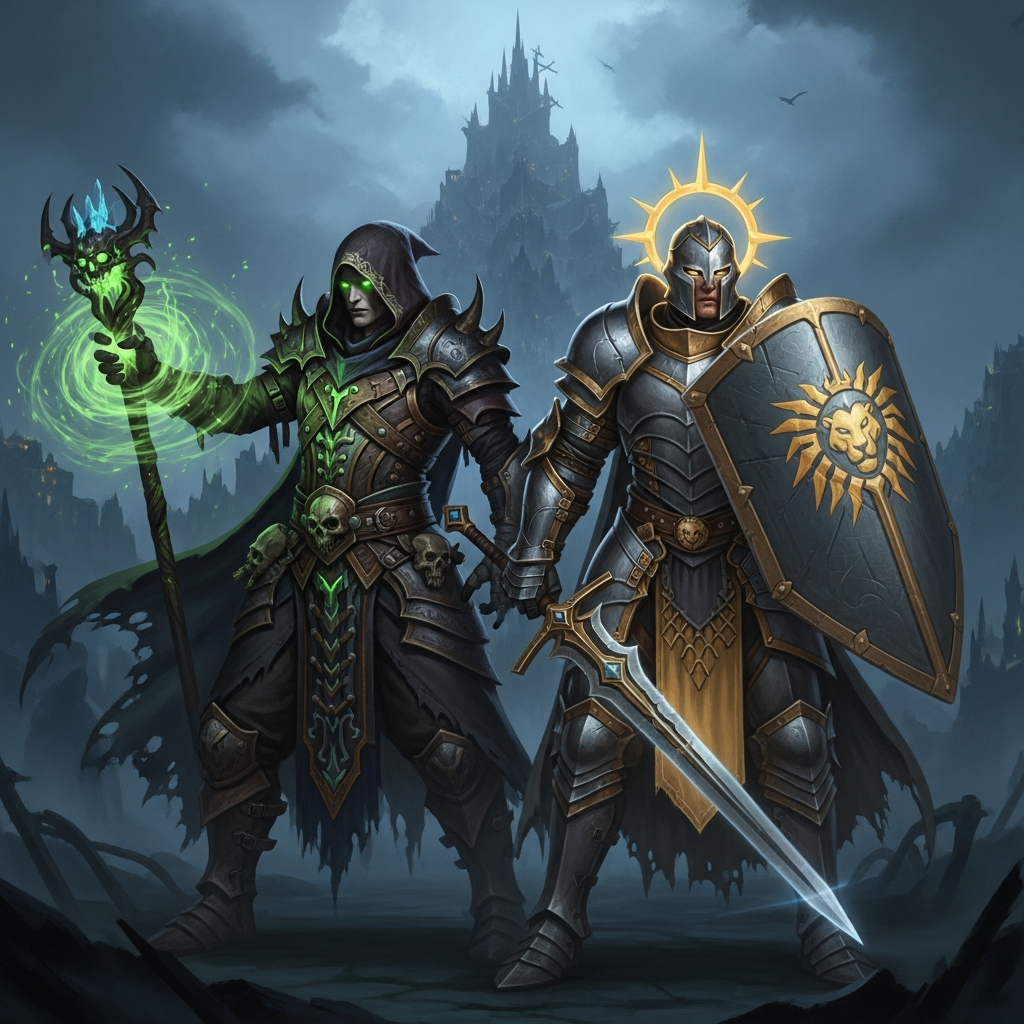
The Diablo IV universe expands dramatically with “Lord of Hatred,” an anticipated addition poised to wrap up the “Age of Hatred Saga.” This second major expansion not only continues the dark, gripping narrative from the base game and “Vessel of Hatred” but also introduces game-changing features. Players can explore the stunning Skovos Isles, master two compelling new classes – the Warlock and Paladin – and dive into a significantly revamped endgame experience. Our comprehensive Diablo 4 Lord of Hatred review unpacks why this expansion is a crucial return to Sanctuary, solidifying Diablo IV’s standing among the best action RPGs of its generation.
A Gripping Narrative: The Age of Hatred Concludes
“Lord of Hatred” plunges players directly into the aftermath of “Vessel of Hatred’s” cliffhanger. The stakes are immediately high, often reaching heart-wrenching emotional peaks. Mephisto, the Lord of Hatred, takes on a deceitful, benevolent form, aiming to corrupt the citizens of Skovos. This creates a morally ambiguous and captivating adventure, blurring the lines between salvation and damnation.
The campaign offers unexpected twists, notably the impactful return of Lilith. Players delve deeper into what truly drives the “Daughter of Hatred.” A strong cast of new and familiar allies supports this dark journey. If this is indeed the final chapter of Diablo IV’s core story, it delivers a satisfying and well-executed conclusion. The campaign itself is substantial, clocking in at approximately six hours of content.
Mephisto’s Deception and Skovos
Mephisto’s insidious presence on the Amazon Isles of Skovos drives the central conflict. He establishes himself as an antichrist figure, threatening to plunge Sanctuary into an age of malice. This narrative provides a perfect backdrop for exploring the vibrant new region. The story masterfully explores themes of corruption and the blurred lines of good and evil, culminating in a satisfying climax.
Lilith’s Return: Daughter of Hatred Explored
Lilith’s reappearance is a pivotal moment in “Lord of Hatred.” Her prophetic last words from previous installments resonate true, forcing players into a perilous alliance. This partnership is born of necessity, not trust, fueling a desperate race. Exploring Lilith’s complex motivations and her role in this final confrontation is a highlight for many. Her character arc feels expertly handled, adding significant depth to the story.
New Horizons: Skovos Isles Exploration
The expansion introduces the breathtaking Skovos Isles. This new region offers a stark visual contrast to Sanctuary’s traditional oppressive gloom. Players will discover scenic Mediterranean-inspired main cities and distinct seaside ports. These locations feel truly unique, setting them apart from other areas within the game.
Beyond its beauty, Skovos teems with new demonic and human threats. Adventurers can complete fresh sidequests, explore uncharted dungeons, and even enjoy a light fishing minigame. While fishing is a minor diversion, it adds a touch of charm. The region serves as an excellent playground for the new classes and systems, making exploration genuinely rewarding.
Unleash New Powers: Warlock & Paladin Classes
Two formidable new classes arrive with “Lord of Hatred”: the Warlock and the Paladin. Both are entertaining additions, significantly invigorating gameplay. These classes offer distinct playstyles and expand the game’s combat possibilities. They represent a significant draw, encouraging players to experiment with fresh builds and strategies.
Warlock: Master of Profane Magic
The Warlock is a standout addition, allowing players to turn the power of Hell against itself. This class is designed for impressive build diversity, offering more extensive options than many vanilla Diablo IV classes. Warlocks can be aggressive melee monsters, minion-focused summoners, or specialists in area control and traps. They introduce a dual-resource system, promoting careful management and creative spellcasting.
Examples include summoning exploding fallen lunatics or colossal “Fiends of Abaddon.” The “Vanguard Build” transforms the Warlock into a profane demon, unleashing fire and lava. Alternatively, the “Ritualist Build” focuses on strategic sigils and traps for battlefield control. The Warlock truly redefines demonic magic, offering a unique and engaging experience.
Paladin: Divine Fury and Unwavering Faith
The highly anticipated Paladin class empowers players with unwavering faith and overwhelming force. Wielding hammers, shields, and Holy Light, Paladins excel in defensive resilience and overwhelming offense. They offer a pure power fantasy, often feeling borderline overpowered with their toolkit. Paladin builds can focus on damage reflection or near-invulnerability.
This class features powerful auras and a ricocheting shield, making it incredibly effective in combat. Classic spinning hammer builds are also possible, providing nostalgic fun for long-time Diablo fans. The Paladin’s divine fury is a potent force, perfect for players who enjoy a direct and powerful combat approach. Early access to the Paladin is available for pre-purchasers.
Transforming the Grind: Endgame Innovations
“Lord of Hatred” brings significant enhancements to Diablo IV’s endgame, aiming to streamline progression and boost engagement. These additions provide meaningful progression and address previous criticisms regarding endgame variety. The new systems add layers of strategy and reward, encouraging continued play.
War Plans: Streamlined Progression
War Plans is a central hub that revitalizes endgame activities. It allows players to create custom playlists of randomly selected content. This includes Nightmare Dungeons, Helltides, The Pit, and Infernal Hordes. Players can queue up activities, eliminating the hassle of searching the vast map. Crucially, War Plans warps you directly to the action, saving valuable time.
This system offers increased rewards and adds progression trees to each activity. Completing an activity enough times unlocks modifiers, altering future runs. These modifiers can change reward types, add specific objectives, or spawn unique enemy types. War Plans is a significant improvement, making endgame grinding more structured, rewarding, and less overwhelming, especially for casual players.
Talismans, Horadric Cube & Other Systems
New Talismans introduce a fresh layer of character customization. Players can equip up to six charms (slots unlocked through play), granting perks from increased healing to multifaceted improvements with matching sets. While some found initial benefits “flat,” they add a new dimension to loadout tailoring.
The Horadric Cube makes a welcome return, offering extensive crafting and gear modification options. This system allows players to assemble new charms, runes, and heavily modify existing gear. It adds a level of customization complexity akin to other deep RPGs, though its late campaign introduction limits its immediate utility. The Cube provides significant depth for build optimization.
Echoing Hatred and Minor Additions
Echoing Hatred is a challenging wave-based activity where players survive increasingly difficult enemy waves. It’s a fun, albeit simple, diversion for monster slaughtering enthusiasts. However, it’s designed to be exceedingly rare and difficult to access, making it a smaller, more exclusive addition.
Beyond core mechanics, the expansion also includes a much-needed loot filter. This helps manage the previously overwhelming amount of drops, though some issues with loot density persist. These quality-of-life improvements contribute to a more enjoyable overall experience.
Skill Tree Revamp & Character Growth
The skill tree system has received a significant overhaul. Tiny passive nodes have been removed, replaced with more impactful choices. Each skill now offers three branches of upgrades, with three options per branch. Two options provide minor tweaks, while the third offers a major functional shift. This encourages meaningful decisions about how abilities fundamentally augment gameplay, rather than just boosting numbers.
For example, a Sorcerer’s Hydra can become an ice summon, or a Warlock’s defensive demon wall can transform into offensive roaming monsters. This change aims to make each skill purchase a truly “interesting decision.” The expansion also raises the level cap to 70 and introduces more Torment Tiers, now up to 12. This provides ample room for character growth, replayability, and tackling escalating challenges.
Visuals, Performance & Overall Polish
“Lord of Hatred” maintains Blizzard’s high visual and technical standards. Cinematic quality remains outstanding, among the best in the genre. The Mediterranean-inspired Skovos Isles are visually distinct, blending bright coastlines with encroaching darkness. This artistic pivot largely succeeds, though it occasionally softens the series’ signature gothic tone.
Voice acting, particularly from returning characters like Lorath, adds a serious and engaging tone to the narrative. On platforms like PlayStation 5, performance is generally smooth with stable frame rates and quick load times. Occasional dips might occur in demanding endgame activities, but the experience remains polished. The expansion serves as an “exceptional cherry on top” for Diablo IV, earning it a high score of 8.5/10 from various publications.
Frequently Asked Questions
What is the core narrative of the Diablo IV: Lord of Hatred expansion?
The “Lord of Hatred” expansion concludes the “Age of Hatred Saga,” picking up directly after “Vessel of Hatred.” Players race to stop Mephisto, disguised as a benevolent leader, from corrupting the new Skovos region. The narrative is dark and captivating, featuring the significant return of Lilith. It delves into her motivations and forces a tense, desperate alliance to prevent Mephisto from plunging Sanctuary into eternal malice.
Which new classes are introduced in the Lord of Hatred expansion?
“Lord of Hatred” introduces two new playable classes: the Warlock and the Paladin. The Warlock offers immense build diversity, allowing players to turn hellish powers against themselves through summoning, area control, or aggressive melee styles. The Paladin is a master of divine fury and defense, wielding hammers, shields, and holy light to strike with unwavering faith. Both classes provide fresh and engaging gameplay experiences.
Is the Lord of Hatred expansion worth returning to Diablo IV for?
Yes, “Lord of Hatred” is largely considered a compelling reason to return to Diablo IV, especially for players committed to the grind. It delivers a strong, satisfying story conclusion and introduces two excellent new classes that reinvigorate gameplay. Significant improvements to endgame systems, like the War Plans and the Horadric Cube, offer streamlined progression and deeper customization. The expansion enhances the overall package, cementing Diablo IV’s place as a top-tier action RPG.
Conclusion: An Essential Return to Sanctuary
The “Diablo 4 Lord of Hatred” expansion truly accomplishes what a great expansion should. It offers a compelling, emotional, and satisfying narrative conclusion to a saga that began with the base game. The introduction of the Warlock and Paladin classes injects fresh life into combat. Simultaneously, the overhauled endgame systems, particularly War Plans and the Horadric Cube, significantly enhance accessibility and player agency.
With a raised level cap, expanded skill trees, and more Torment Tiers, there’s ample room for growth and replayability. This expansion streamlines existing content while providing engaging new challenges and customization options. For both dedicated fans and those looking for a reason to jump back into Sanctuary, “Lord of Hatred” provides an exceptional, value-packed experience that is difficult to resist. Dive back into Hell and embrace the hatred, for the fate of Sanctuary hangs in the balance.