The 2026 World Cup guide is your essential roadmap for navigating what is arguably the biggest sporting spectacle to hit the San Francisco Bay Area in decades. Whether you are a die-hard USMNT supporter or an international visitor, the complexity of hosting a knockout-stage match at Levi’s Stadium requires more than just showing up with a ticket in hand. Having covered major international tournaments, I can tell you that the difference between an incredible experience and a logistical nightmare often comes down to how you handle the details weeks before the opening whistle. This tournament, the largest in history with 48 teams, turns our region into a high-stakes arena where preparation is your best defense against gridlock and chaos.
Quick Summary
The Match: USMNT takes on Bosnia-Herzegovina in a Round of 32 knockout clash at Levi’s Stadium.
Transport Rules: Do not drive to the stadium. Use the VTA Orange Line connecting from BART or Caltrain systems.
Ticket Reality: Secondary market prices for this home-soil match are high; watch parties offer a massive atmosphere for significantly less.
Fan Hubs: The San Pedro Square Market in San Jose is the primary regional fan destination—get there early to beat capacity limits.
Clear Bags: Strict 12x12x6 inch bag policies apply; bring only absolute essentials to clear security checkpoints.
Your Direct Strategy for Match Day
If you want the most direct answer to how you should handle the 2026 World Cup match in the Bay Area: Commit entirely to public transit. I cannot emphasize this enough. During my previous experience at large-scale regional events, trying to navigate private vehicles within a five-mile radius of the stadium turned a 30-minute trip into a three-hour slog. The official parking passes are sold out and the traffic authorities are ruthless about permit-only zones. Your ticket to an stress-free day is a pre-planned route on the VTA Orange Line. If you are coming from San Francisco, ride the Caltrain to Mountain View and transfer. From the East Bay, utilize the BART connection to Milpitas. Do not rely on ride-shares, as the post-match surge pricing and pickup congestion make them an expensive gamble you likely will not win.
Understanding the Stakes: Why This Matters
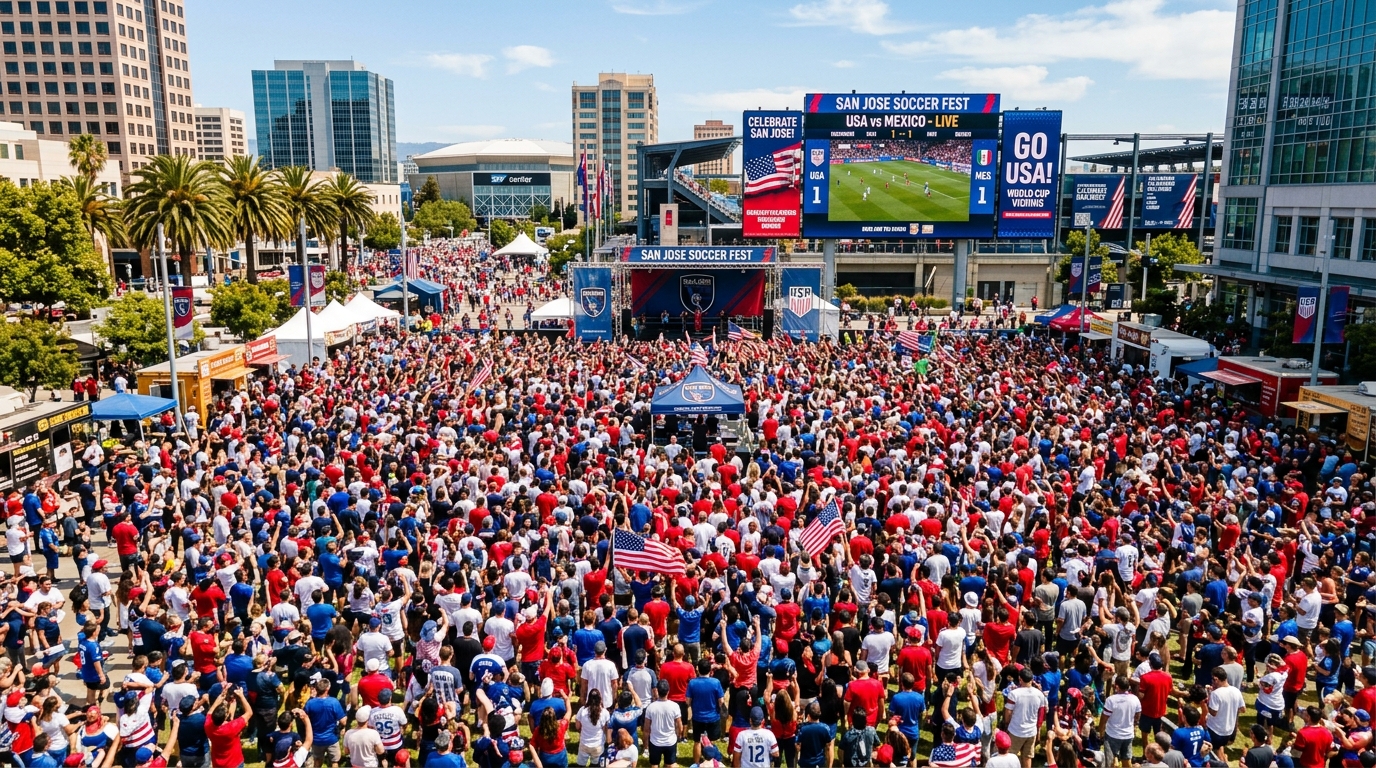
This is not just another international friendly. The 2026 World Cup has forced a reckoning in our local soccer culture, proving that the Bay Area is a legitimate engine for the sport. When the USMNT stepped onto the field after a difficult group stage exit of other rivals, the atmosphere at Santa Clara shifted into something visceral. I stood in the stands watching the team battle through the group rounds, and the pressure on this roster is immense. They aren’t just playing; they are carrying the expectations of a country on home soil.
When we look at the tactical matchup against Bosnia-Herzegovina, this is a team that grinded through tough qualification paths in Canada and Switzerland. They are disciplined and have zero issue playing the spoiler role. The USMNT’s familiarity with our media landscape is a double-edged sword; they are constantly in the spotlight, which can either fuel their adrenaline or lead to mental fatigue. Watching them navigate these pressures in real-time has been one of the most fascinating aspects of this tournament.
The Bay Area Legacy and Future
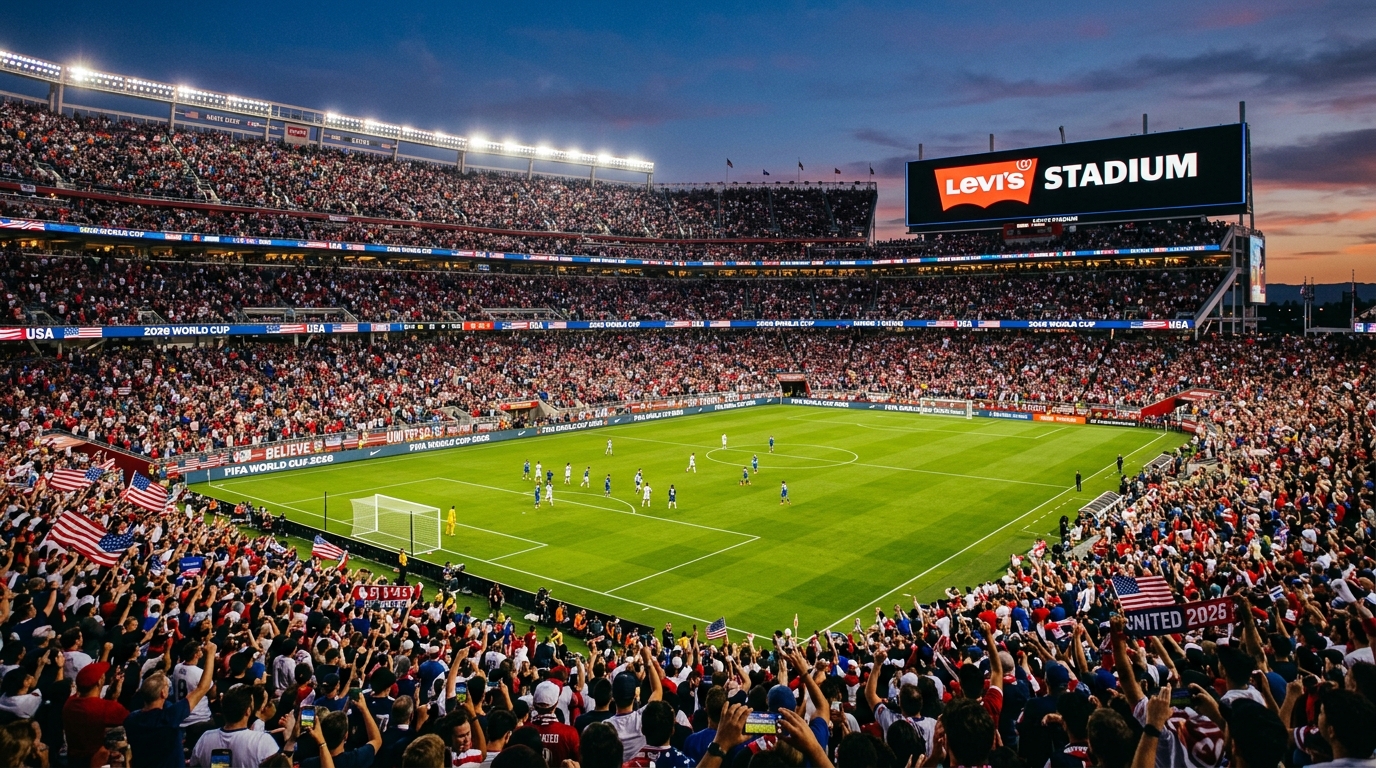
Our region has a long history with this sport, dating back to the 1994 tournament at Stanford Stadium. I remember the sense of wonder that event instilled in the local youth programs. Today, we are seeing the fruition of that legacy. The capacity crowds of 70,000 at Levi’s Stadium demonstrate that the demand was always there—it just needed the right catalyst. The fact that we are seeing attendance numbers rivaling the world’s most storied stadiums suggests that soccer here has moved beyond its ‘niche’ phase.
Navigating the Logistics of the Big Day
Logistics are where most fans falter. The security perimeter for this World Cup is, in a word, massive. You need to be prepared for significant walking. If you have mobility issues, you must contact the stadium accessibility services weeks in advance; there is no ‘winging it’ at this level of security. When I visited the site early in the tournament, I clocked nearly three miles of walking just between the transit drop-off and my section. Wear comfortable shoes and leave the designer gear at home.
Furthermore, the weather can be a factor. Despite the clear skies often associated with the region, temperatures inside the bowl can spike during afternoon matches. Stay hydrated. The rules on water bottles are strict—typically, you are only allowed one sealed 20oz bottle, so plan your concession spend accordingly. Prices for water can be high, and the lines during half-time are legendary for their length. My trick is to hit the concessions during the 35th minute of play to avoid the primary rush.
Ticket Strategy: The Scarcity Tax
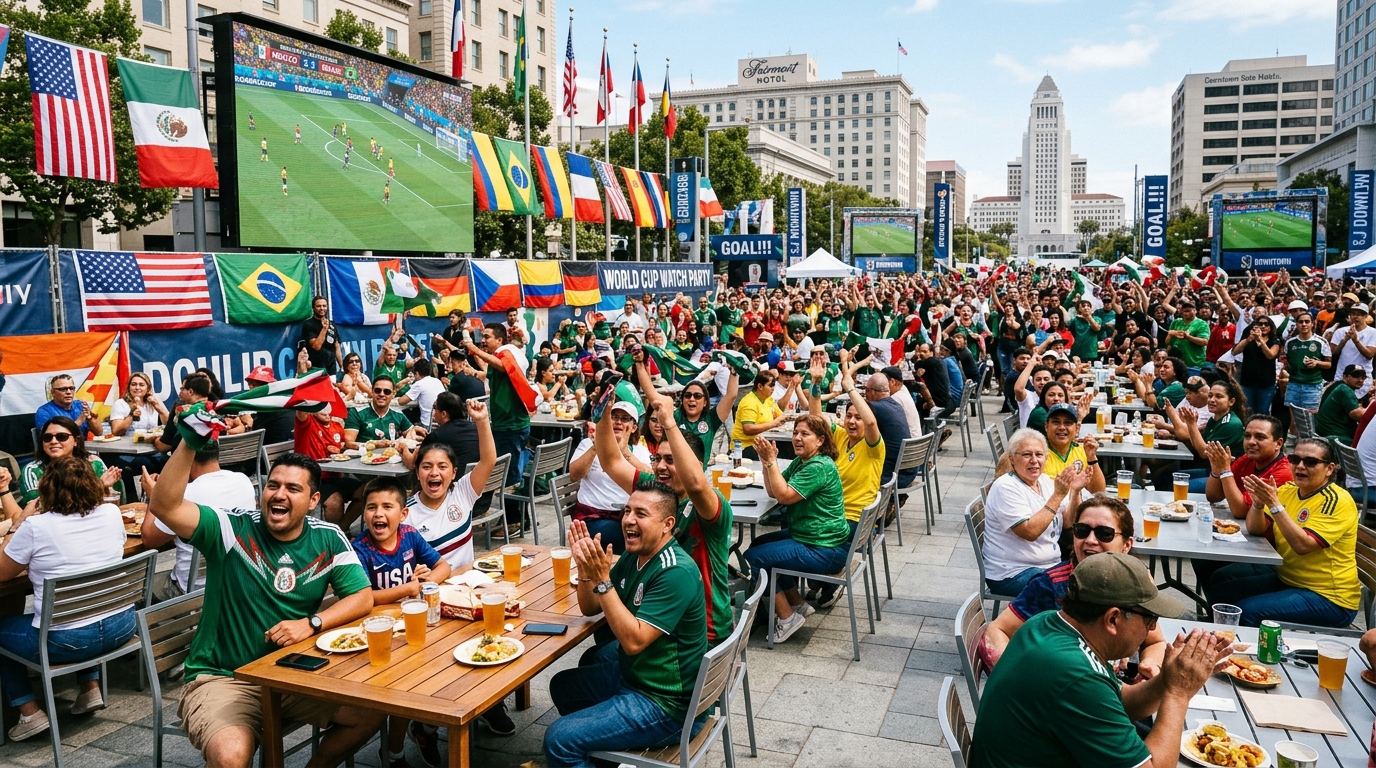
Let’s be honest about the economics here. If you are still hunting for tickets, you are entering a market defined by extreme scarcity. Secondary market prices often hover around $2,000 for a reason: it is a knockout match on home turf. I have tracked the trends, and there is rarely a ‘miracle’ drop in prices as kick-off approaches. If you see a price you can live with, buy it immediately. Do not hold out for a last-minute miracle. If the stadium is simply out of reach, don’t feel discouraged. The atmosphere at the San Pedro Square Market in San Jose is arguably more accessible. You get the camaraderie of thousands of fans without the $2,000 entry fee.
Who Should Attend the 2026 World Cup (And Who Should Not)
This decision framework is intended to keep your experience grounded in reality.
This is ideal for:
Die-hard soccer fans who want to witness history in person.
Individuals who thrive in high-energy, loud, and patriotic environments.
Travelers who enjoy combining sport with regional tourism, as the Bay Area has plenty to offer between matches.
You might want to skip the stadium experience if:
You have limited mobility, as the current layout requires significant walking through security and transit zones.
You are looking for a quiet, relaxing weekend getaway; this will be loud, crowded, and at times, overwhelming.
- You are on a very tight budget and cannot justify the secondary market markups.
- Forgetting the Digital-First Requirement: Many fans arrive at the gate assuming they can show an email confirmation or a printed PDF. Almost all tickets are now stored within specific apps. If your phone dies or your signal drops, you are stuck outside. Keep a portable power bank charged and carry a paper backup of your ticket if the platform allows it. I once saw a fan turned away at the gate because their battery died while they were trying to pull up their digital pass; don’t be that person.
- Ignoring the Bag Policy: I watched three separate groups get turned away by security because they brought standard-sized backpacks. The policy is rigid: 12x12x6 inches, and it must be clear. Security is not there to store your extra items. If you bring a non-compliant bag, you will be told to walk it back to your car, which could be an hour-long round trip if you parked at a remote lot.
- www.foxsports.com
- www.nysportsday.com
- www.houstonpublicmedia.org
- www.usatoday.com
- www.ajc.com
Innovations in the 2026 Tournament Structure
This tournament is structurally different from what we saw in 2022. The 48-team expansion means that the group stages were more chaotic, and the knockout rounds now have a slightly different feel. We are seeing a more frequent use of VAR (Video Assistant Review) with a centralized hub in Dallas. In my opinion, this has done a lot to reduce the ‘clear and obvious’ errors that used to define these matches. However, the rule regarding injury management—where a player must leave the pitch for a minute after being attended to by trainers—has fundamentally changed how teams handle game-time management. It has effectively put an end to the ‘tactical’ flopping we saw in previous tournaments.
Common Mistakes to Avoid
Frequently Asked Questions
Is it worth going to the stadium if I don’t have a ticket?
Absolutely not. The security perimeter for this World Cup is extremely restrictive. You will not be able to get close enough to hear the roar of the crowd, let alone see the pitch. There is no ‘spillover’ viewing area outside the stadium gates. You are much better off heading to one of the official watch parties in San Jose or Oakland, where you get a clear screen, food, and a massive crowd of fellow supporters.
What are the most effective ways to stay hydrated at the stadium?
It is easy to get caught up in the excitement and forget physical health, especially in the California sun. My advice is to hydrate significantly before you even board the train to the stadium. Inside, you can typically carry one sealed water bottle. Prioritize finding the refill stations if they are available, but expect lines. Don’t wait until you are thirsty to look for water—by then, you are already behind the curve.
How can I ensure my transit ride home isn’t a nightmare?
Most fans leave the moment the final whistle blows. If you want a smoother experience, you have two choices: leave ten minutes before the end of the match, or stay for an hour afterward to let the initial surge clear out. If you stay, check the transit apps to ensure your last train or connection hasn’t changed its schedule. I have spent many nights sitting in the stadium parking lot chatting with other fans while waiting for the shuttle lines to shorten; it’s often the best time to socialize.
Final Recommendations for the Remaining Rounds
As we advance into the final stages of the 2026 World Cup, keep in mind that this is a marathon, not a sprint. The energy in the Bay Area will continue to escalate as the matches become more consequential. Use the official Bay Area Host Committee website as your source of truth for all schedule changes or regional events.
If I were to provide one final piece of parting wisdom: keep your expectations flexible. International tournaments of this scale are prone to last-minute shifts, traffic delays, and weather interruptions. The fans who have the best time are the ones who treat the chaos as part of the story. Follow the transit rules, secure your digital tickets early, and embrace the fact that you are witnessing a transformative moment for American athletics. Whether you are in the stands at Levi’s or at a local hub in San Francisco, you are part of the legacy now. Enjoy the beautiful game.