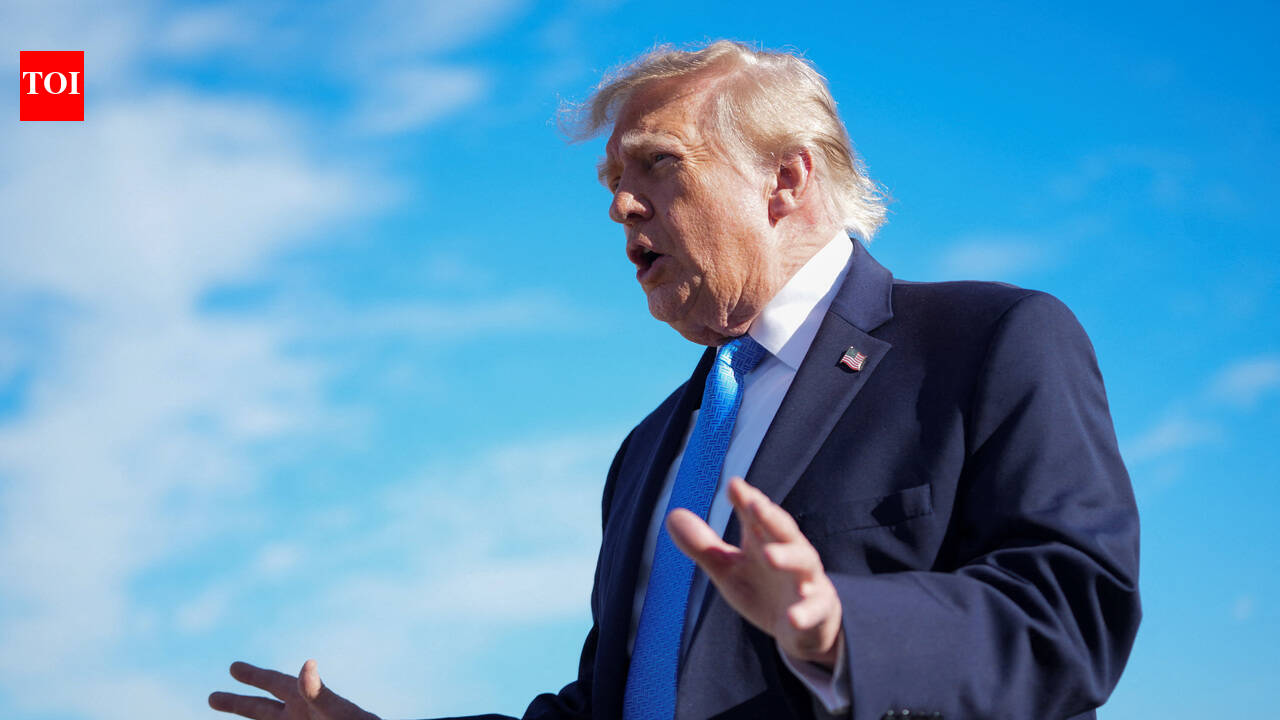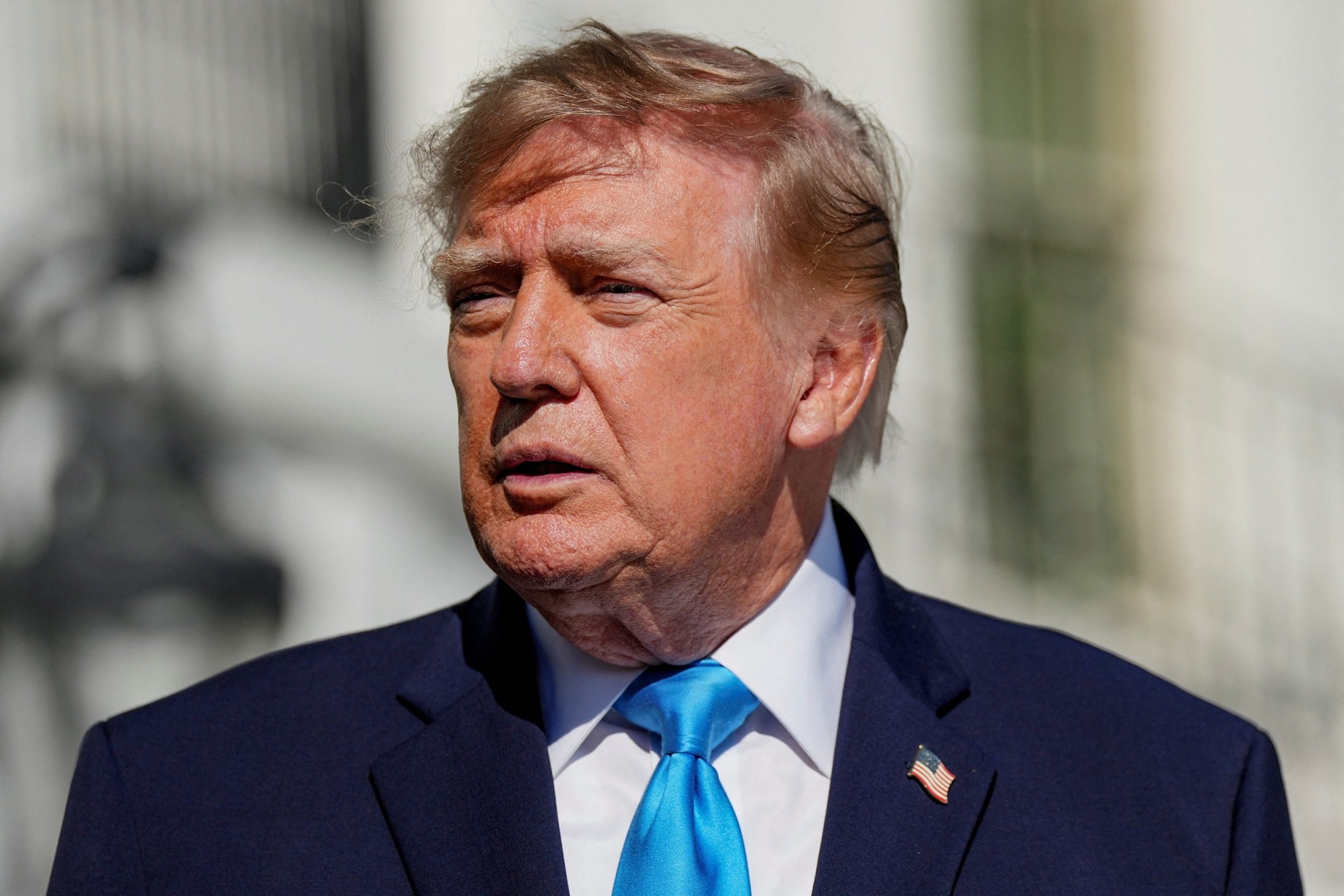
The controversy surrounding Trump Patriotic Ads intensified on Monday, October 5, 2026, as President Donald Trump announced he would shift the financial burden of the television campaign from federal taxpayers to his political action committee, MAGA, Inc. This abrupt policy reversal follows weeks of intense bipartisan criticism and allegations that the administration used government funds to produce partisan-style content designed to bolster the President’s image ahead of the upcoming November midterm elections.
Key Takeaways
- Funding Shift: President Trump announced via social media that MAGA, Inc. will now pay for the “Patriotic Ads,” which were previously labeled as “Paid for by the U.S. Government.”
- Financial Scale: While advertising agency AdImpact estimates the government has spent at least $2.5 million on these spots, the Department of Homeland Security (DHS) had reportedly been allocated $20 million for such media efforts.
- Content Controversy: The ads feature themes ranging from the “Deep State” and tax cuts to military footage regarding the ongoing eight-month war in Iran.
- Legal Scrutiny: Congressional Democrats and ethics watchdogs have called for investigations into whether the ads violate federal laws prohibiting the use of taxpayer funds for political propaganda.
- Political Context: The funding pivot occurs as the administration seeks to influence voter turnout for Republican candidates in the high-stakes midterm elections.
- The “Deep State” Ad: This monochrome video features President Trump walking down a hallway while his voice warns of a “final battle” against “the deep state,” “the globalists,” and a “sick political class.” Critics argue this is a direct echo of campaign rhetoric used to mobilize a specific political base.
- The Tax Cut Ad: A montage of Trump at various rallies and events, accompanied by onscreen text highlighting the “largest tax cuts in history.” This ad serves to promote a signature policy of his administration.
- The iran war Ad: Released last week, this ad focuses on the ongoing conflict in Iran, which has now reached its eighth month. It utilizes military footage, including unclassified strikes, overlaid with audio from President Trump and Defense Secretary Pete Hegseth. This ad follows a “State of the Force” speech delivered by Hegseth to 600 service members at the Marine Corps Base in Quantico, Virginia.
- The 2024 Re-run: One advertisement is reportedly a direct duplicate of a spot used by the Trump campaign during the 2024 election cycle, featuring the President walking through a hallway.
- GAO and OSC Investigations: The formal requests for investigation by Jamie Raskin and George Whitesides will be the primary legal hurdle. The findings of these watchdogs will determine if any federal statutes were violated.
- The November Midterm Elections: The effectiveness of the MAGA, Inc. spending will be tested in the battleground states. Observers will watch to see if the “Patriotic Ads” successfully drive Republican turnout.
- FEC Oversight: The Federal Election Commission will likely face increased scrutiny regarding how MAGA, Inc. coordinates its spending with the administration’s official messaging.
- abcnews.com
- www.cbsnews.com
- www.theguardian.com
What Happened: The Pivot to Private Funding
On Monday, October 5, 2026, President Donald Trump addressed the growing outcry over taxpayer-funded television advertisements by declaring that his super PAC, MAGA, Inc., would assume responsibility for the costs. In a post on social media, Trump characterized the advertisements—which critics have dubbed “Patriotic Ads”—as “a positive promotion for our Great U.S.A.” and described the previous use of federal funds as “a rather standard thing to do.”

According to reports from ABC News and The Guardian, the advertisements had been airing nationally since late September. The ads were explicitly labeled as being “Paid for by the U.S. Government,” a detail that sparked immediate backlash from both sides of the aisle. While the White House has defended the spots as non-partisan public service announcements (PSAs) intended to promote national pride and explain policy, many lawmakers viewed them as a blatant misuse of public resources for political gain.
Trump’s decision to tap into the MAGA, Inc. war chest—which had amassed more than $400 million by the end of August, according to Federal Election Commission (FEC) filings—serves as a tactical move to mitigate legal and ethical scrutiny. However, the President provided no specific details on how he intended to reimburse the taxpayers for the ads that had already aired, nor how the administration would prove that political funds are being used for future installments.
Why It Matters: Legal and Financial Implications
The significance of this funding shift extends beyond simple accounting; it touches on the fundamental legality of how executive branch agencies utilize appropriated funds. Legal experts cited by The Guardian suggest the ads may violate federal statutes, specifically those prohibiting the use of congressionally appropriated funds for “publicity or propaganda,” as well as laws that limit the partisan political activities of government employees.
The Financial Trail
The scale of the spending has been a central point of contention. While AdImpact tracked spending at approximately $2.5 million by late September, deeper investigations into agency budgets reveal a much larger allocation. According to CBS News, the Office of Management and Budget (OMB) granted $20 million to the Department of Homeland Security’s (DHS) Customs and Border Protection (CBP) for “OBBB Commemorative Events.” Simultaneously, the DHS awarded $20 million to the LMD Agency for a “National Media Campaign.”
| Funding Source | Estimated/Allocated Amount | Purpose/Context |
|---|---|---|
| AdImpact Estimate | $2.5 million | Total federal expenditure on ads to date |
| DHS (via OMB) | $20 million | Allocated to CBP for “OBBB Commemorative Events” |
| DHS (via LMD Agency) | $20 million | Awarded for a “National Media Campaign” |
| MAGA, Inc. | $400+ million | Total funds available for political use |

Deep-Dive: Analyzing the “Patriotic Ads”
To understand why the ads have caused such an uproar, one must examine their specific content. Over a two-week window, four distinct versions of these advertisements have been identified, each utilizing different imagery and messaging to align with the administration’s political narrative.
The Four Primary Ad Variations
Stakeholder Perspectives and Reactions
The fallout from these ads has created a deep rift among political figures, even within the Republican Party.
The Trump Administration: Vice President JD Vance and White House officials have maintained that the ads are “clearly not political” and are merely PSAs intended to “tell a story about how great the United States of America is.” They argue that using government resources to explain policy is a standard practice for any administration.
Congressional Democrats: High-ranking Democrats have been vocal in their condemnation. Representative Jamie Raskin and Congressman George Whitesides have formally requested that the Government Accountability Office (GAO) and the Office of Special Counsel (OSC) investigate the legality of the spending. Senator Adam Schiff has demanded proof that the use of taxpayer dollars has ceased, stating, “We don’t want the U.S. taxpayers to be the latest contractors to get stiffed.”
Senate Republicans: While many Republicans have remained silent, some have joined the criticism. Senator John Kennedy of Louisiana stated on Face the Nation that no public official should be using public money for “private ads for themselves.”
What It Means for You
The shift from taxpayer-funded to Super PAC-funded advertising has practical implications for different segments of the American public:
For Voters: As the November midterm elections approach, the media landscape will likely be saturated with high-frequency messaging. The blurring of lines between government-funded “patriotic” content and Super PAC-funded “political” content may make it increasingly difficult for voters to distinguish between official administration communications and partisan campaign material.
For Taxpayers: The central question remains one of accountability. If the administration does not provide transparent proof of reimbursement, taxpayers may effectively be subsidizing the initial rollout of what has now become a private political campaign.
For Political Observers: This move sets a potential precedent for how future administrations might navigate the legal boundaries of government messaging, using a “pivot to private” strategy to avoid investigations into the misuse of agency budgets.
Counterpoints and Open Questions
While the administration has moved to settle the funding dispute, several significant questions and risks remain unresolved.
Is the shift truly a resolution?
Critics argue that moving the funding to MAGA, Inc. does not address the underlying concern: whether the content itself constitutes illegal government propaganda. If the ads are deemed to have violated federal law during their initial taxpayer-funded run, a change in the source of the money may not absolve the administration of legal liability.
The transparency gap:
There is currently no mechanism in place to verify how the administration will prove that MAGA, Inc. is paying for these specific ads. Without independent oversight, the transition from the Department of Homeland Security budget to a private war chest could be difficult to track.
The partisan divide:
Does the use of a Super PAC to fund “patriotic” messaging further polarize the electorate? By utilizing a massive, nine-figure war chest to promote a specific national narrative, the administration may be deepening the divide between those who see these ads as educational and those who see them as propaganda.

What Happens Next
Several key catalysts will determine the outcome of this controversy in the coming months:
Frequently Asked Questions
What are the “Patriotic Ads”?
The “Patriotic Ads” are a series of television commercials that have aired nationally since late September 2026. They feature President Donald Trump and cover various topics including the “Deep State,” tax cuts, the 250th anniversary of the United States, and the ongoing war in Iran. They were initially labeled as being “Paid for by the U.S. Government.”
How much did the government spend on these ads?
Estimates vary. The advertising agency AdImpact reported that the government spent at least $2.5 million on the spots by the end of September. However, internal agency records show that the Department of Homeland Security had been allocated $20 million for media campaigns through the CBP and the LMD Agency.
Why is Trump using MAGA, Inc. to pay for them now?
President Trump decided to shift the funding to his Super PAC, MAGA, Inc., following intense backlash from Democrats and some Republicans who argued that using taxpayer money for partisan-style advertisements was illegal. This move is intended to avoid further accusations of misusing federal funds.
Are these ads legal?
This is a matter of ongoing debate and potential investigation. While the White House maintains the ads are legal, non-partisan public service announcements, Democratic lawmakers and legal experts have alleged they may violate federal laws against using government funds for propaganda and restricting partisan political activities by government employees.
As the midterm election cycle intensifies, the transition from taxpayer-funded to Super PAC-funded “Patriotic Ads” marks a significant shift in the administration’s communication strategy, moving the battle from the realm of public service into the high-stakes arena of campaign finance.
References
Featured image: Image via ABC News