
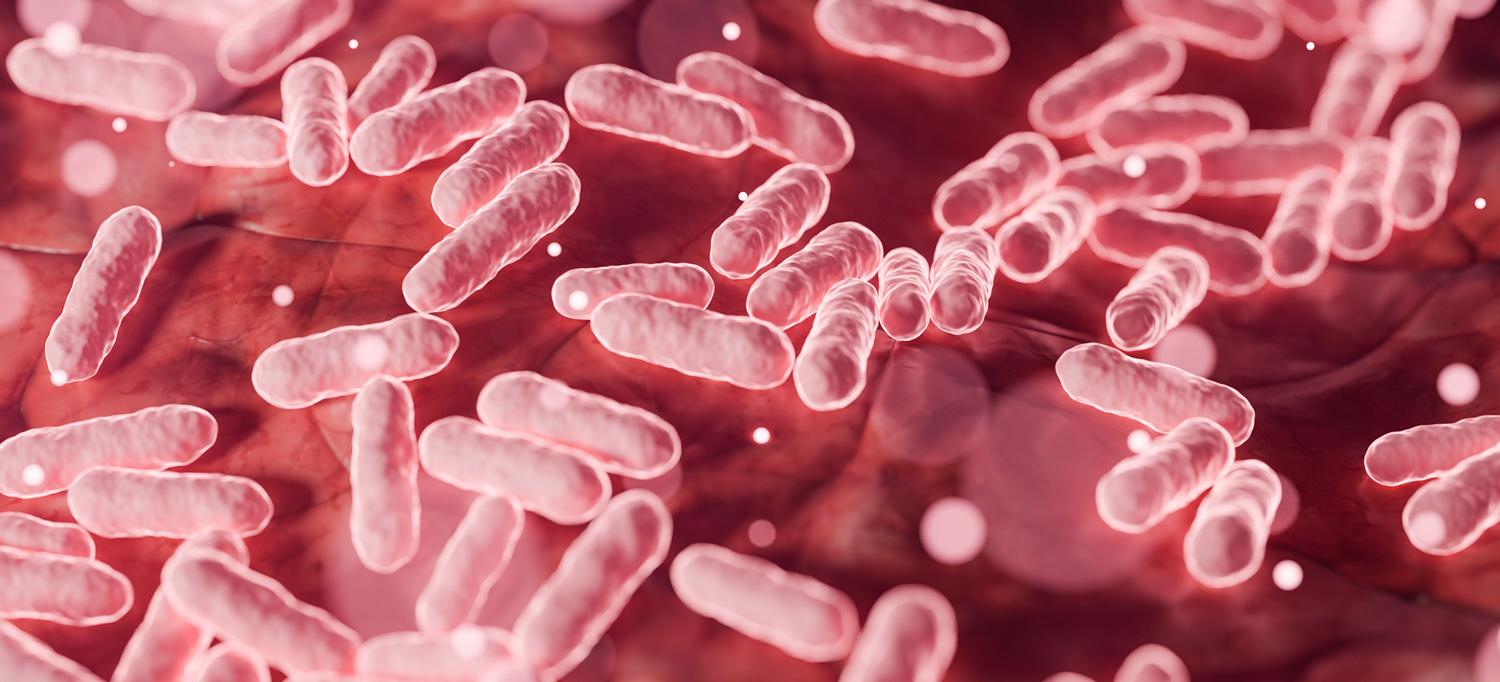
The synergistic relationship between sugar and antibiotics can significantly exacerbate the destruction of the human gut microbiome, according to a large-scale study published in the journal Nature.
Key Takeaways
- Synergistic Damage: Consuming sugary foods while undergoing antibiotic treatment accelerates the loss of beneficial gut bacteria.
- Pathogen Blooms: The combination of sugar and antibiotics triggers massive increases in harmful bacteria like Enterococcus faecium.
- Reduced Diversity: For every 100 grams of sugar consumed in the 48 hours before antibiotic treatment, researchers observed a 21 percent reduction in alpha diversity.
- Increased Mortality Risk: Patients who consumed more sugar than average faced a 12% higher risk of death following stem cell transplants.
- Clinical Implications: Researchers suggest that limiting sweets during antibiotic courses could potentially mitigate long-term health risks and infections.
- nyulangone.org
- www.cnn.com
The Discovery: How Sugar Amplifies Antibiotic Injury
Recent research conducted by a multi-institutional team of scientists has identified a dangerous biological interaction: dietary sugars act as an “amplifier” for the collateral damage caused by antibiotics. While antibiotics are essential tools for fighting harmful pathogens, they often indiscriminately kill the “normal community” of beneficial microbes that inhabit the human intestines. The new study, published on September 30 in Nature, demonstrates that when high amounts of sugar are introduced into this disrupted environment, the damage to the gut microbiome becomes significantly more severe.
The research was led by scientists from Memorial Sloan Kettering Cancer Center, NYU Langone Health, and City of Hope Cancer Center. The study focused on a highly vulnerable population: cancer patients undergoing intensive treatments, including sustained antibiotic regimens and stem cell transplants. Because these patients were hospitalized and consumed only hospital-prepared meals, researchers were able to track dietary intake with a level of precision rarely seen in nutritional science.
“One of the things that differentiates this study from other ones that have been previously published is that the patients are having their microbiome pummeled, and they’re also having their nutritional state disrupted by the cancer treatment,” said Dr. Jonathan Peled, a physician scientist at Memorial Sloan Kettering and a co-senior author of the study.
Why It Matters: The Role of the Microbiome
The human gut microbiome is a complex ecosystem consisting of trillions of bacteria, viruses, and other microbes. This community is not merely a passenger in the digestive tract; it is a vital organ that assists in digestion, produces essential vitamins, and plays a central role in regulating the immune system. Furthermore, science has established that the microbiome communicates with the brain to produce neurotransmitters such as serotonin, which is critical for managing sleep, mood, and stress levels.
A healthy microbiome is characterized by high alpha diversity—a metric representing the variety of different bacterial species present. A dense, diverse community of microbes acts as a protective barrier, preventing “pathobionts” (harmful bacteria) from overgrowing and causing illness. When antibiotics deplete these beneficial species, the ecosystem becomes unstable. The study found that adding sugar to this equation removes the final layer of protection, allowing dangerous organisms to take over.
The Enterococcus Threat
The most significant finding regarding bacterial shifts was the rapid expansion of Enterococcus faecium. Enterococcus is an opportunistic organism that typically lives harmlessly in the gut, kept in check by competing beneficial bacteria. However, when antibiotics wipe out those competitors, and sugar provides a fuel source, Enterococcus can undergo a massive “bloom.”
In patients undergoing bone marrow transplants, this bloom can lead to severe complications. Dr. Peled noted that Enterococcus can worsen graft versus host disease, a condition where donated stem cells attack a recipient’s healthy tissues. Furthermore, if these bacteria slip through the gut wall and enter the bloodstream, they can cause life-threatening sepsis.
Data Analysis: Human Observations vs. Mouse Models
The research team utilized a dual approach, combining high-resolution human data with controlled animal experiments to validate their findings. The human portion of the study analyzed more than 1,000 stool samples from 173 patients, tracking over 9,400 individually prepared meals.
To confirm the mechanisms observed in humans, researchers conducted experiments in mice. They administered a single injection of the broad-spectrum antibiotic biapenem and observed the results of varying diets. The results in the mouse model were stark, showing that sugar significantly accelerated the proliferation of harmful bacteria.
| Metric | Human Study Findings | Mouse Model Findings (Biapenem + Sucrose) |
|---|---|---|
| Microbiome Diversity | 24% decrease per 3.5oz increase in sweets | N/A |
| Alpha Diversity Impact | 21% reduction per 100g sugar (48h window) | N/A |
| Pathogen Growth (Day 3) | Expansion of Enterococcus faecium | 16.3-fold increase in Enterococcus |
| Pathogen Growth (Day 6) | Expansion of Enterococcus faecium | 33.4-fold increase in Enterococcus |
The Precision of the “Natural Experiment”
One of the primary reasons this study provides such high-quality data is the unique environment in which it was conducted. Most nutritional studies rely on participant recall, which is notoriously inaccurate as people often struggle to remember exactly what, and how much, they ate days prior.
Because the study subjects were hospitalized cancer patients eating exclusively hospital-prepared meals, the researchers had access to an exact record of every macronutrient and specific food item consumed. This allowed the team to look beyond broad categories like “carbohydrates” and examine the specific effects of foods such as chicken, apples, and chocolate cake.
“The theme that kept popping up over and over again was the more sugary foods you eat, no matter what type of sugar it is—with particularly noxious effects from added sugars—it seemed that really seemed to synergize with antibiotics in terms of damaging the microbiome,” Dr. Peled explained.
What It Means for You
While this study focused on high-risk cancer patients, the implications for the general public are worth noting. If you are prescribed a course of antibiotics, the research suggests that your dietary choices could influence how quickly your gut recovers.
For Patients Undergoing Medical Treatment
If you are a patient undergoing intensive medical procedures like chemotherapy or stem cell transplants, your nutritional status is a critical component of your clinical care. The study suggests that managing sugar intake during and after antibiotic courses could be a vital intervention to prevent infections and improve survival rates. Dr. Marcel van den Brink, Chief Physician Executive at City of Hope and a co-senior author, emphasized that the microbiome is emerging as an essential factor in modern cancer care.
For the General Public
For those taking antibiotics for common ailments—such as ear infections or skin infections—the study is provocative but not definitive. It is currently unknown if the same level of microbiome disruption occurs with shorter, less intensive antibiotic courses used in outpatient settings. However, given that high sugar consumption is linked to a general reduction in microbiome health, limiting sweets during an antibiotic course is a low-risk, potentially high-reward dietary strategy.
Counterpoints and Open Questions
Despite the strength of the data, the research team and independent experts have noted several limitations and areas where more clarity is needed.
First, Dr. William Jogia, a PhD student at NYU Langone and second author of the study, pointed out that the exact mechanism of the interaction remains unconfirmed. “Whether sugar directly supports Enterococcus, weakens competing bacteria, or acts through another mechanism in patients remains to be seen,” Jogia stated. In other words, it is not yet clear if the sugar is acting as a direct food source for the “bad” bacteria or if it is inadvertently suppressing the “good” bacteria that would otherwise keep the pathogens in check.
Second, this was not a randomized, controlled clinical trial. While the correlation between sugar and microbiome damage is strong, the researchers did not actively assign patients to different diets to test protective effects. Therefore, while the findings are highly suggestive, they require further validation through clinical trials designed to test specific dietary interventions.
Finally, there is the question of scalability. Does a high-sugar diet during a minor antibiotic course set a person up for long-term health issues or secondary infections? As Dr. Anthony Maresso, a professor of virology and microbiology at Baylor College of Medicine, noted, the next logical question is whether these findings apply to people taking antibiotics outside of a hospital setting.
What Happens Next
The scientific community is now looking toward clinical trials to turn these observations into actionable medical protocols. The goal will be to determine if specific dietary modifications—such as a low-sugar diet during an antibiotic course—can measurably improve patient outcomes, reduce infection rates, and lower mortality in transplant recipients.
There is also a growing conversation regarding hospital policy. Dr. Maresso, who was not involved in the research, suggested that these findings might necessitate a change in how hospitals approach patient nutrition. “Makes me wonder about whether we should change the diet of hospitals,” he said, highlighting the potential for systemic changes in clinical nutrition to support microbiome health.
Frequently Asked Questions
Does eating sugar alone damage the gut microbiome?
While a high-sugar diet is generally associated with lower microbial diversity, the primary finding of this study is the synergistic effect between sugar and antibiotics. The damage is significantly more pronounced when sugar is consumed in conjunction with antibiotic treatment, as the antibiotics create the initial disruption that the sugar then helps to amplify.
How much sugar should I avoid while taking antibiotics?
Researchers did not provide a specific “safe” threshold for the general public, but they did note that for every 3.5-ounce increase in sweets consumed during antibiotic treatment, microbiome diversity decreased by approximately 24%. In the clinical context of the study, even small increases in sugar consumption were linked to significant shifts in bacterial populations. The general recommendation from the study’s authors is to consider limiting sweets specifically during the window of antibiotic treatment.
Can I just skip antibiotics if I want to avoid gut damage?
No. Antibiotics are necessary to treat bacterial infections that could otherwise be fatal. The research does not suggest avoiding antibiotics, but rather focuses on how to mitigate the unintended side effects of the treatment through dietary management. The goal is to protect the microbiome while still allowing the antibiotics to perform their essential life-saving functions.
What is “alpha diversity” in the gut?
Alpha diversity is a scientific measure used to describe the variety and abundance of different species within a single biological community. In the context of the gut, a high alpha diversity means you have a wide array of different beneficial bacteria, which generally leads to a more resilient and healthy digestive and immune system. A low alpha diversity indicates a less stable ecosystem that is more vulnerable to infection.
Conclusion
The research published in Nature provides a clear warning: the way we eat during antibiotic treatment matters. By acting as an amplifier for microbiome disruption, dietary sugar can turn a necessary medical intervention into a period of heightened vulnerability
References
Featured image: Getty / Iana Kunitsa — via NYU Langone News


One thought on “Sugar and Antibiotics: Why Dietary Sugar Increases Gut Damage”