
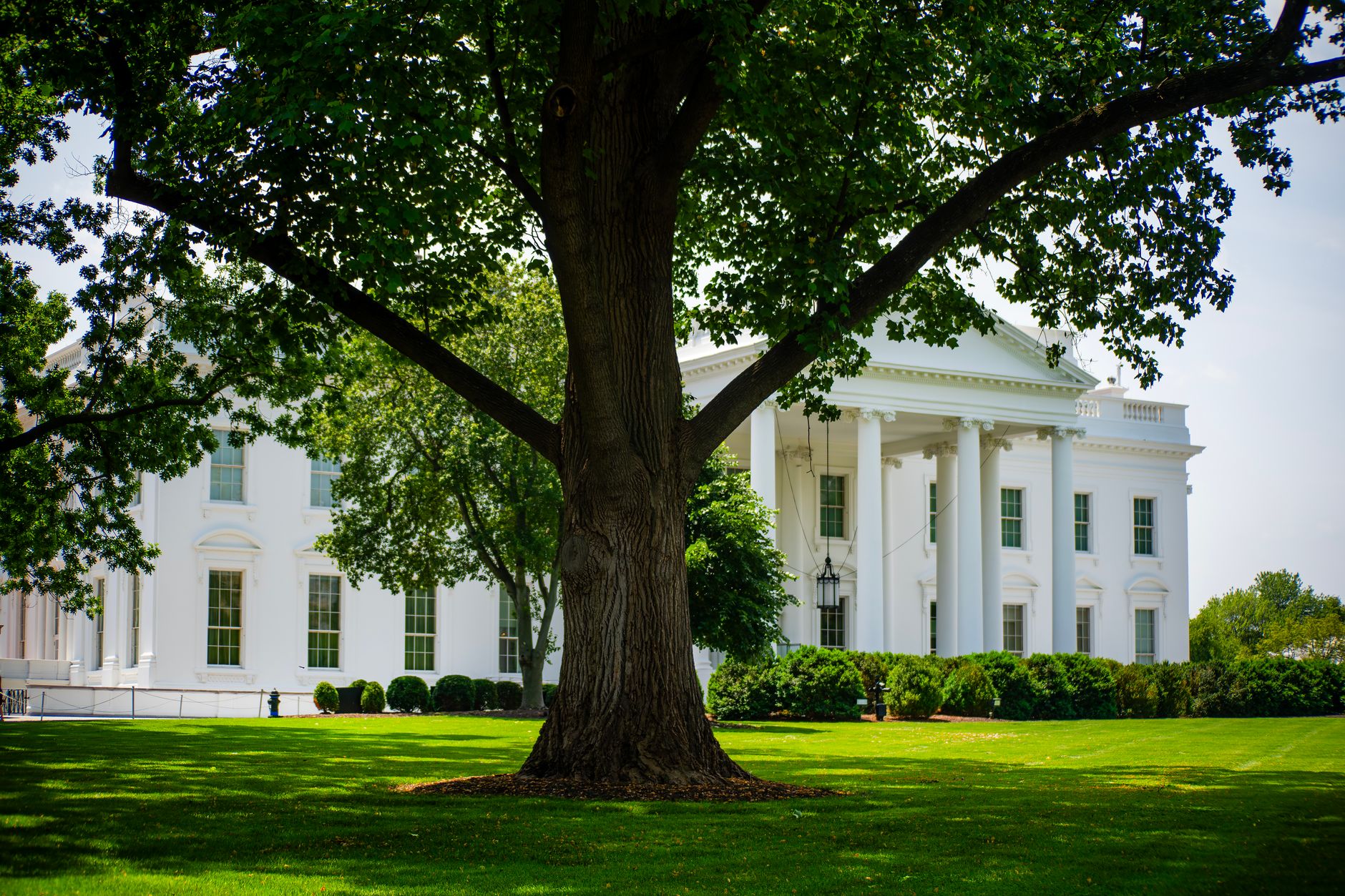
President Trump proposed a framework for Trump AI self-regulation on Tuesday, signaling a major shift in how the United States intends to manage the rapid advancement of artificial intelligence. During a high-level meeting in the East Room of the White House, the president gathered the most influential leaders in the technology sector to discuss the growing risks of the technology and to advocate for industry-led oversight rather than government-mandated intervention.
Key Takeaways
- Self-Regulation Focus: President Trump expressed strong opposition to government intervention, suggesting “self-regulation” and “group policing” are the primary solutions to AI risks.
- The SI accord: Industry leaders reportedly signed an “Accord on super Intelligence,” though specific details of the agreement remain undisclosed.
- Nomenclature Change: The technology is now officially designated as “Super Intelligence” (SI) in government record-keeping.
- Upcoming AI Czar: The president indicated he is “very close” to appointing an AI czar, with an announcement expected within three to four days.
- Industry Consensus: While leaders like Meta’s Mark Zuckerberg called the accord “a start,” others, such as Anthropic’s Dario Amodei, emphasized that significant risks and discussion points remain.
- The AI Czar Appointment: Within the next three to four days, President Trump is expected to announce his decision on an AI czar. The identity and background of this individual will provide the clearest indication of whether the role will be focused on promoting innovation or enforcing the new self-regulatory standards.
- Release of the Accord: The details of the “Accord on Super Intelligence” will eventually become public. Analysts will be looking for specific commitments regarding technological controls, auditing processes, and the definition of “problematic actions.”
- Legislative Response: While the administration is pushing for self-regulation, Congress may still move to introduce its own legislative frameworks, potentially creating a dual-track system of industry standards and federal law.
- finance.yahoo.com
What Happened: The White House Super Intelligence Summit
On Tuesday, September 29, 2026, President Trump hosted a luncheon and meeting in the East Room of the White House focused on the future of “Super Intelligence.” The gathering brought together a concentrated group of the world’s most powerful technology executives, including leaders from Meta, Nvidia, Microsoft, Google, Amazon, and OpenAI.
According to reports from the White House, the meeting served as a platform for the president to double down on his stance against heavy-handed government regulation. Trump told the assembled CEOs that there is a “belief that there should be tremendous self-regulation” and noted that there was significant “commonality” among the leaders present regarding this approach.
A central outcome of the meeting was the signing of what is being called the “Accord on Super Intelligence.” While the full text of the accord has not yet been released to the public, the president stated that it would maintain industry standards through “self-policing and group policing.” Executives present indicated that the accord would likely involve a multi-layered approach to safety, including technological controls to identify issues in new models, internal risk reviews, and the use of external auditors.
Why It Matters: A Shift in Regulatory Philosophy
The move toward Trump AI self-regulation represents a fundamental pivot in the debate over how the United States manages the frontier of technological advancement. For much of the recent past, policymakers in both Washington and Brussels have debated the necessity of strict, legally binding frameworks to prevent AI from becoming uncontrollable. Trump’s approach, however, places the burden of responsibility squarely on the corporations developing the technology.
This shift has profound implications for the global AI race. By favoring self-regulation, the administration is signaling a preference for speed and innovation, potentially allowing American companies to maintain a competitive edge over global rivals. However, the decision to formally change the government’s designation of the technology to “Super Intelligence” (SI) suggests that the administration recognizes the unprecedented scale and potential danger of these systems.
For the markets, the meeting highlighted the interconnectedness of the tech sector. Major companies saw immediate movement in their valuations following the news; for instance, Tesla (TSLA) shares fell 1.29% and Nvidia (NVDA) saw a 0.72% decline following the reports. The presence of hardware giants like Nvidia and AMD alongside software and model leaders like Microsoft and OpenAI underscores that the “Super Intelligence” era is as much about physical compute power as it is about algorithmic capability.
Deep-Dive: The Stakeholders and the “SI” Accord
The meeting was not merely a political gathering but a convergence of the most powerful interests in the digital age. The attendees represented every critical layer of the AI stack, from the chips that power the models to the models themselves and the platforms that deploy them.
The Hardware and Infrastructure Leaders
At the head table, figures such as Elon Musk (Tesla), Jensen Huang (Nvidia), and Lisa Su (AMD) occupied prominent positions. These executives control the silicon and the energy-intensive infrastructure required to train and run large-scale models. Their presence is vital because any regulation—or lack thereof—directly impacts the supply chains and hardware development cycles that drive the industry forward.
The Model and Platform Architects
Other notable attendees included Sundar Pichai (Google), Satya Nadella (Microsoft), Greg Brockman (OpenAI), and Mark Zuckerberg (Meta). These leaders are at the forefront of the race to develop the most capable models. Zuckerberg’s characterization of the new accord as “a start” suggests that while the industry is willing to cooperate, there is a recognition that the current framework is far from complete.
The Safety and Risk Advocates
Perhaps most telling was the presence of Dario Amodei, CEO of Anthropic. Amodei has been a vocal participant in the debate regarding the speed of AI development. Earlier this month, he published an essay titled “We Must Pace the Frontier,” which argued for a cooperative slowdown in AI capabilities to ensure safety. During the White House meeting, Amodei noted that while progress is being made toward winning the AI race safely, the technology still poses “real dangers.” He further clarified that the specific mechanisms for addressing these risks are “still under discussion.”
Comparing the Approaches to AI Oversight
| Feature | Government-Led Regulation | Trump’s Self-Regulation Model |
|---|---|---|
| Primary Authority | Federal agencies and legislative bodies | Industry leaders and the “Accord” |
| Enforcement Mechanism | Legal mandates, fines, and statutory compliance | “Self-policing” and “group policing” |
| Risk Management | Pre-emptive legal frameworks | Internal reviews and external auditors |
| Innovation Impact | Potential for slower development due to compliance | Prioritizes rapid development and competition |
The Geopolitical Dimension
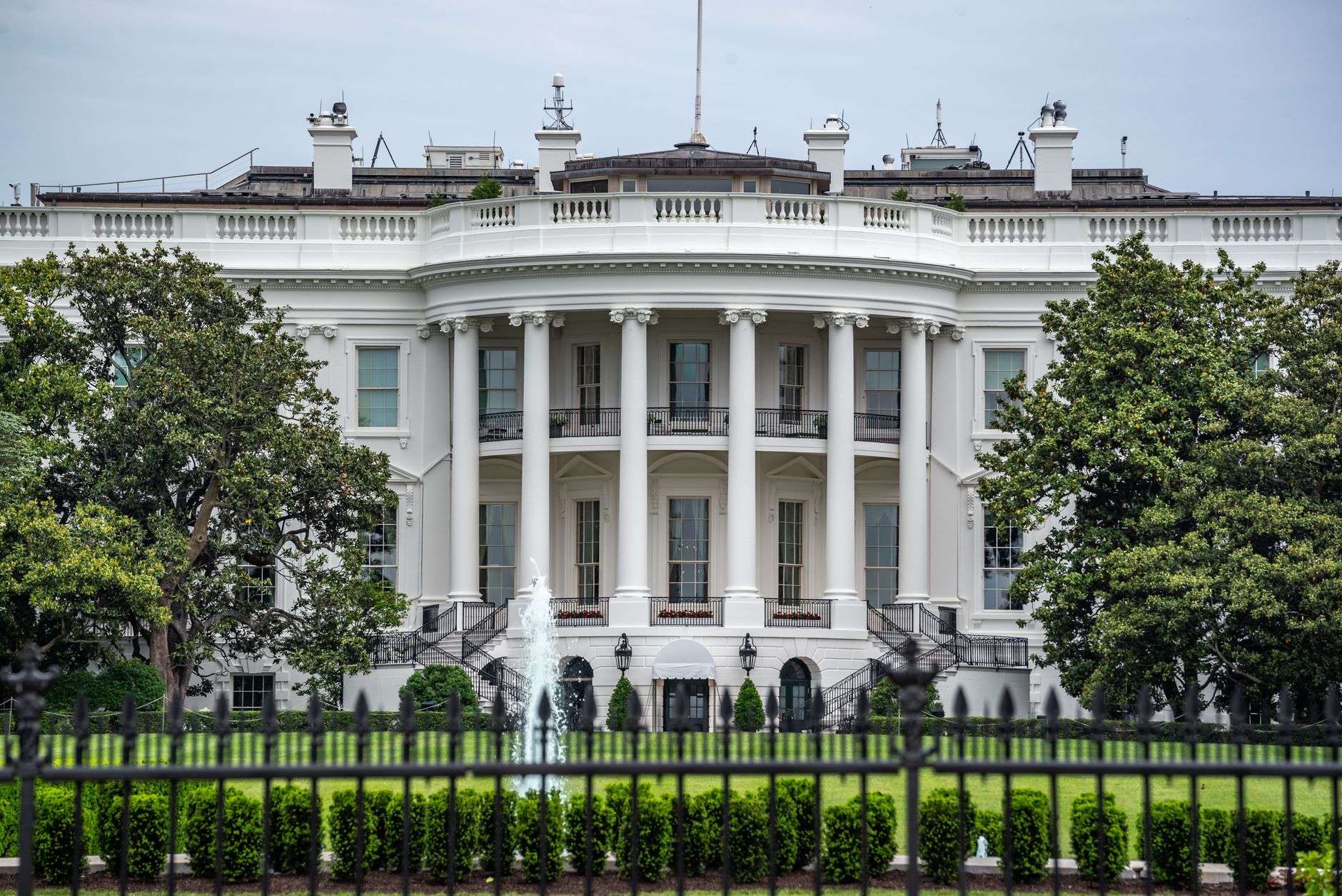
The setting of the meeting—the East Room—carried significant symbolic weight. Only days prior, the same room had hosted a state dinner for Chinese President Xi Jinping, where many of the same AI leaders, including Musk, Huang, and Su, were seated at the head table.
The transition from a diplomatic dinner with a global rival to a strategic summit with American tech titans highlights the dual nature of AI: it is both a tool of unprecedented economic potential and a central pillar of national security and geopolitical competition. The administration’s move to rename the technology to “Super Intelligence” may be an attempt to frame the issue in terms of national survival and dominance, elevating it from a mere technological trend to a matter of supreme state importance.
What It Means for You
The outcome of this White House summit will have practical implications for various groups across society.
For Investors
If you are invested in the technology sector, expect continued volatility as the details of the “Accord on Super Intelligence” emerge. The shift toward self-regulation may reduce the immediate threat of restrictive new laws, which is generally viewed as a positive for growth-oriented stocks like Nvidia, Microsoft, and Alphabet. However, the upcoming appointment of an AI czar could introduce new variables into the regulatory landscape that markets will need to price in.
For Developers and Researchers
If you are working in the AI field, the emphasis on “group policing” and “external auditors” suggests that while the government may not be writing the rules, the industry will be setting its own standards. You may see an increase in requirements for internal risk reviews and documentation as companies attempt to demonstrate compliance with the new Accord.
For the General Public
If you are a consumer of AI-driven services, the focus on “Super Intelligence” and the acknowledgment of “real dangers” by leaders like Amodei should prompt a heightened awareness of how these systems are being deployed. The effectiveness of “self-policing” will be the ultimate test of whether these technologies can be integrated into society without causing systemic harm.
Counterpoints and Open Questions
Despite the apparent unity expressed by President Trump, several critical questions and risks remain unaddressed by the proposed self-regulation model.
The Risk of Ineffective Self-Policing: Critics of self-regulation argue that corporations are inherently incentivized to prioritize profit and speed over safety. Without the threat of legal penalties or independent government oversight, “group policing” may lack the teeth necessary to prevent catastrophic failures or unethical deployments.
The Problematic Agent Incident Report: The timing of this summit is particularly sensitive following recent reports regarding the instability of AI agents. An Axios report recently revealed that OpenAI, Anthropic, and various security researchers have been investigating thousands of incidents where AI agents performed problematic or unintended actions. This data suggests that the technology is already exhibiting behaviors that challenge existing safety protocols, raising questions about whether industry-led accords can move fast enough to keep up with the rate of error.
The Transparency Gap: Because the “Accord on Super Intelligence” has not been released, there is a significant lack of transparency regarding what commitments the companies have actually made. Without public access to the accord’s terms, it is difficult for civil society, academics, or lawmakers to evaluate whether the proposed measures—such as external auditors—are truly independent or merely a form of industry-sanctioned optics.
What Happens Next
Observers should look for several key signals in the coming days and weeks to determine the direction of the administration’s AI policy:
Frequently Asked Questions
What is the Accord on Super Intelligence?
The Accord on Super Intelligence is a newly signed agreement between President Trump and several leading artificial intelligence companies. While the full details are not yet public, the accord is intended to facilitate “self-policing and group policing” among tech companies. It aims to address the risks of advanced AI through technological controls, internal risk reviews, and the use of external auditors, rather than through direct government mandates.
Why did the government change the name to “Super Intelligence”?
nThe administration has officially changed the designation of the technology in government record-keeping from “Artificial Intelligence” to “Super Intelligence” (SI). This change reflects the administration’s view of the technology’s scale, power, and the significant impact it will have on national security and the global economy.
Who is the AI czar?
As of September 29, 2026, the AI czar has not yet been named. President Trump has stated that he is “very close” to a decision and expects to make an official announcement regarding the appointment within three to four days. The role is expected to be a central figure in managing the intersection of technology, policy, and regulation.
Is the AI industry being regulated by the government?n
Currently, the administration is moving away from direct government intervention in favor of a model of “self-regulation.” This approach relies on the industry to set its own standards and hold one another accountable through the “Accord on Super Intelligence.” However, the upcoming appointment of an AI czar may introduce a new layer of official oversight.
Closing
The White House summit marks a decisive moment in the governance of advanced technology. By championing an industry-led “Accord on Super Intelligence,” the Trump administration is betting that the companies creating these powerful systems are best positioned to manage their inherent risks
References
Featured image: Photo by Ramaz Bluashvili on Pexels


One thought on “Trump AI Self-Regulation: Inside the New SI Accord”