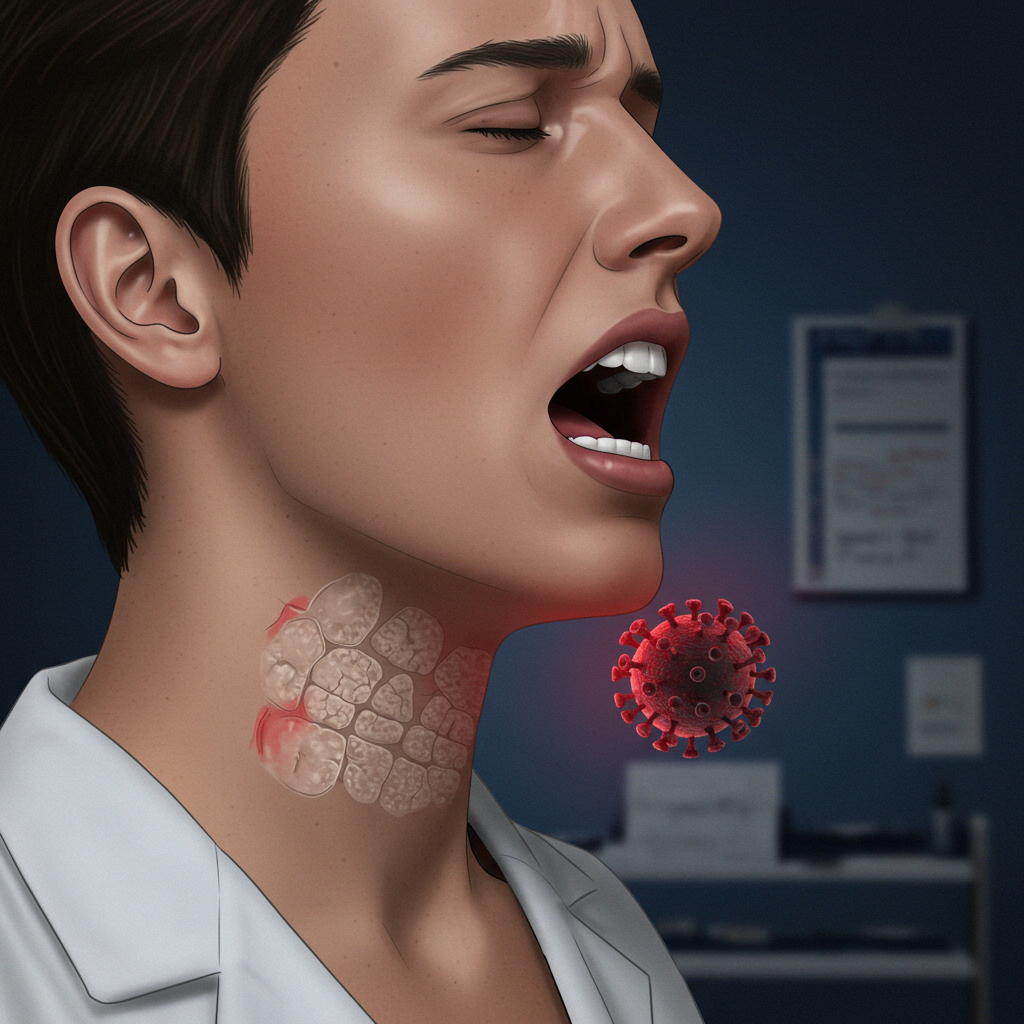
The <a href="https://news.quantosei.com/2026/09/27/pennsylvania-measles-outbreak-key-analysis-of-the-2026/" title="<a href="https://news.quantosei.com/2026/09/27/pennsylvania-measles-outbreak-key-details-and-impact/" title="<a href="https://news.quantosei.com/2026/09/23/pennsylvania-measles-outbreak-why-cdc-death-counts-differ/" title="Pennsylvania measles outbreak: Why CDC Death Counts Differ”>Pennsylvania measles outbreak: Key Details and Impact”>Pennsylvania measles outbreak: Key Analysis of the 2026 Crisis”>Pennsylvania measles outbreak has escalated significantly, with the state Department of health (DoH) reporting 890 confirmed cases across 39 counties as of late September 2026. This surge, which includes 55 new cases reported in a single 48-hour window ending on Friday, September 26, has brought the state to a critical juncture involving rising hospitalizations, reported fatalities, and a high-stakes political confrontation with federal health authorities.
Key Takeaways
- Rising Case Counts: Pennsylvania has recorded 890 confirmed measles cases in 2026, with Lancaster County serving as the epicenter with 359 cases.
- Critical Health Impact: The outbreak has resulted in 173 hospitalizations and four reported deaths, marking the highest number of measles-related deaths in the U.S. since 1992.
- Vaccination Gap: Fewer than 1% of those infected have been vaccinated, highlighting a dangerous drop in community immunity levels.
- Political Deadlock: A dispute over mortality reporting has led Pennsylvania health officials to issue an ultimatum to the CDC regarding emergency assistance.
- Aggressive Mitigation: The state is deploying pop-up clinics and at-home vaccination services to combat declining immunization rates.
- The CDC’s Response: The medical community is watching to see if the CDC will acknowledge the Pennsylvania deaths and if the state will receive the requested Epi-Aid technical assistance.
- Community Vaccination Drives: The state is scheduled to host free MMR vaccination clinics at the Bloomsburg Fair from September 26 through October 3. The success of these community-based efforts will be a key indicator of whether vaccination rates can be stabilized.
- Federal Policy Shifts: The ongoing dispute over mortality data and the shift to NCHS data may lead to changes in how national infectious disease outbreaks are tracked and reported in the future.
- www.inquirer.com
- www.theguardian.com
- abcnews.com
- www.theguardian.com
What Happened
On Friday, September 26, 2026, the Pennsylvania Department of Health announced a sharp increase in the state’s measles numbers, noting that 55 new cases had been identified since the previous Wednesday. This latest spike contributes to a total of 890 confirmed cases for the year, a significant increase from earlier reports in September that placed the count at 731 or 792 cases.
According to state data, the outbreak has spread to 39 counties, with the highest concentration of infections located in Lancaster County, which has recorded 359 positive cases. Other heavily impacted areas include Mifflin County, with 93 cases, and Chester County, with 76 cases. The outbreak, which began in late April, has also seen a significant number of pediatric cases, with 31% of all reported infections occurring in individuals under the age of 18.
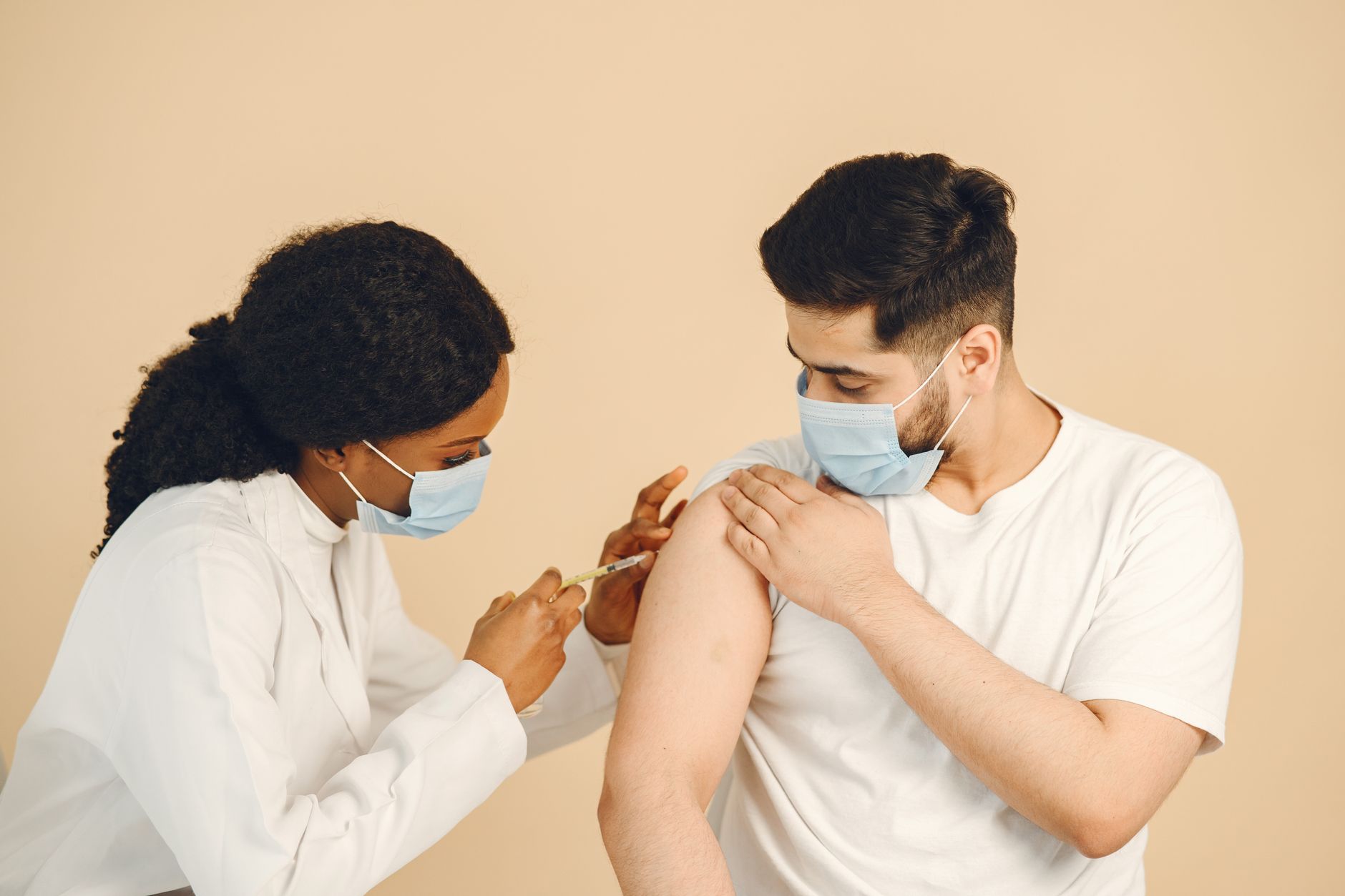
The medical toll has been severe. State officials have confirmed 173 hospitalizations related to the virus. Most controversially, the state has reported four deaths associated with the measles outbreak: two infants in Lancaster County, one 40-year-old woman in Jefferson County, and one 18-year-old in Mifflin County.
Why It Matters
The scale and nature of this outbreak represent more than just a localized health crisis; they signal a profound breakdown in both public health immunity and the cooperation between state and federal institutions.
First, the data reveals a stark vulnerability in Pennsylvania’s population. With fewer than 1% of the infected individuals having received the measles, mumps, and rubella (MMR) vaccine, the virus is moving through under-vaccinated communities with ease. To maintain “herd immunity” and prevent such outbreaks, experts say approximately 95% of a community must be vaccinated. Current trends in several Philadelphia-region kindergartens suggest vaccination rates have fallen well below this essential threshold.
Second, the outbreak has become a flashpoint for a political battle. The disagreement between Pennsylvania’s leadership and the Trump administration’s Department of Health and Human Services (HHS) threatens to delay the arrival of specialized federal expertise. If the Centers for Disease Control and Prevention (CDC) does not acknowledge the state’s reported deaths, Pennsylvania may be forced to rescind its request for a CDC Epi-Aid team, potentially leaving state officials to fight the spread without necessary federal technical support.
Deep-Dive: Data, Politics, and Clinical Realities
The Statistical Landscape
The geographic distribution of the virus shows a concentrated pattern of infection. While the outbreak is statewide, the density of cases in specific counties has necessitated different levels of intervention.
| County | Confirmed Cases (2026) | Primary Impact Area |
|---|---|---|
| Lancaster | 359 | Epicenter; high infant impact |
| Mifflin | 93 | Significant pediatric and young adult cases |
| Chester | 76 | High activity; aggressive at-home response |
| Dauphin | Reported | Bordering the epicenter |
| Montgomery | 3 | Separate winter outbreak |
The Political and Inter-agency Conflict
The outbreak has triggered a sharp divide between Pennsylvania’s Democratic leadership and the federal administration. U.S. Health Secretary Robert F. Kennedy Jr., a longtime vaccine skeptic, has actively questioned the validity of the state’s mortality data. In recent social media posts, Kennedy suggested that some of the deaths reported by Pennsylvania “may even have been altogether fabricated” for political purposes.
In response to these claims, Pennsylvania Governor Josh Shapiro has accused the HHS Secretary of spreading misinformation that contributes to declining vaccination rates. “Incompetence is denying the tragedy of four measles-associated deaths in Pennsylvania,” Shapiro stated on X (formerly Twitter) in response to criticisms regarding the state’s management of the crisis.
This tension is compounded by a change in how the CDC tracks mortality. The agency has shifted to utilizing data from the National Center for Health Statistics (NCHS), a move that has resulted in the CDC not including Pennsylvania’s four reported deaths in its national measles outbreak dashboard.
Debra Bogen, Pennsylvania’s Secretary of Health, has taken a firm stance. In a letter to CDC Director Erica Schwartz, Bogen stated, “The CDC’s choice not to publicly recognize the deaths undermines our response.” She further issued an ultimatum: if the CDC does not transparently and accurately communicate the information regarding these deaths, the state will rescind its request for a CDC Epi-Aid team.
Clinical Observations and Healthcare Response
Medical professionals on the ground describe a shift in how the disease is encountered. Dr. John Goldman, an infectious disease specialist for the University of Pittsburgh Medical Center (UPMC), noted that measles has transitioned from an “extremely rare disease” to something that is now “common,” with patients being admitted to hospitals on a regular basis.
Dr. Patrick Gavigan, a pediatric infectious disease physician at Penn State Health Golisano Children’s Hospital, reported that approximately 10 children have been admitted with complications this year. He identified the most common symptoms as high fever, rash, respiratory distress, and conjunctivitis (pink eye), though some cases have also presented with gastrointestinal symptoms like hepatitis.
To manage the surge, healthcare providers have adopted several aggressive strategies:
Enhanced Triage: Hospitals like Penn State Health are using external signage and phone triage to ensure potentially exposed individuals do not enter crowded waiting rooms.
Aggressive Screening: UPMC is implementing heightened screening protocols for any patient presenting with fever, rash, or cough to prevent hospital-acquired transmission.
Mobile and At-Home Vaccination: The Chester County Health Department has successfully implemented at-home vaccination services to reach residents who may be hesitant to visit traditional clinics.
Targeted Support: Programs like Penn Medicine Lancaster General Health’s “ChildProtect” are providing free vaccinations to uninsured children in rural and remote areas.
What It Means for You
As the outbreak continues to move through various counties, the implications for residents vary depending on their vaccination status and location.
If you are a parent or guardian: Ensure your children are up to date on both doses of the MMR vaccine. The CDC recommends the first dose at 12–15 months and the second at 4–6 years. The vaccine provides 97% lifetime protection when both doses are administered. If your child shows symptoms—specifically a high fever followed by a rash—call your pediatrician before visiting the office to prevent potential exposure to others in the waiting room.
If you are an unvaccinated adult or resident in an affected county: Be aware that measles is highly contagious. The virus can remain active in the air for up to two hours after an infected person has left the area. If you have been in high-traffic areas like Philadelphia International Airport or the Children’s Hospital of Philadelphia (CHOP) recently, monitor your health for symptoms that typically appear 7 to 14 days after exposure.
If you live in Lancaster, Mifflin, or Chester counties: Expect increased activity from mobile vaccination clinics and pop-up sites. Local health officials are prioritizing these areas to rebuild herd immunity.
Counterpoints and Open Questions
While the state reports four deaths directly associated with measles, there are nuances in the medical data that have fueled the ongoing debate. For instance, the Lancaster County Coroner clarified that one of the infants who tested positive for measles actually died from a “lacerated spleen, not measles.”
However, medical experts, including physicians at UPMC, have noted that the measles virus can weaken the spleen, potentially making it more susceptible to rupture. This distinction—whether the virus was the primary cause or a contributing factor—is at the heart of the disagreement between state health officials and federal agencies like the CDC.
Furthermore, there is an ongoing debate regarding the accuracy of current case counts. Dr. John Goldman of UPMC suggested that the total number of cases is likely an undercount, as many individuals with suspected measles may not undergo formal laboratory testing. This raises the question: is the current outbreak even larger than the 890 cases officially reported?
What Happens Next
Several key developments will determine the trajectory of the outbreak in the coming weeks:
Frequently Asked Questions
How is measles transmitted?
Measles is a highly contagious virus that spreads through respiratory droplets produced by coughing and sneezing. According to the CDC, the virus is so resilient that it can live in the air or on surfaces for up to two hours after an infected person has left the area. This makes it exceptionally easy to spread in crowded indoor spaces, such as schools, airports, or hospital waiting rooms.
What are the most common symptoms of measles?
Symptoms typically appear 7 to 14 days after infection. The initial signs often include a high fever, cough, runny nose, and red, watery eyes (conjunctivitis). This is usually followed by a characteristic rash that begins on the face and spreads downward toward the rest of the body. Some patients may also experience gastrointestinal issues or respiratory distress.
How effective is the MMR vaccine?
One dose of the MMR vaccine is approximately 93% effective at preventing measles, while two doses provide roughly 97% lifetime protection. Because the virus is so contagious, high community vaccination rates (at least 95%) are necessary to prevent widespread outbreaks and protect those who cannot be vaccinated for medical reasons.
Why is there a dispute over the death count?
The dispute centers on the definition of a “measles-associated” death. Pennsylvania officials count deaths occurring within 30 days of symptom onset in patients with positive lab tests. However, federal officials and the CDC have questioned whether some deaths were caused by underlying conditions or other medical complications rather than the measles virus itself. This disagreement has led to a breakdown in communication between state and federal health agencies.
As the Pennsylvania measles outbreak continues to evolve, the intersection of public health necessity and political ideology remains the primary obstacle to containment. Whether the state can successfully rebuild herd immunity through localized clinics or if the federal-state impasse will allow the virus to spread further remains the defining question for the region’s health security.
References
Featured image: Photo by RDNE Stock project on Pexels