The documentation of humpback whale mourning behavior has provided scientists with a rare and profound look into the emotional lives of baleen whales, challenging long-held assumptions about the social complexity of these massive marine mammals. In a groundbreaking study published in the journal Discover Animals, researchers revealed that a female humpback whale exhibited what they termed “postmortem attentive behavior” toward her stillborn calf, marking the first time such a phenomenon has been recorded in a toothless baleen species.
Key Takeaways
- First of its kind: This represents the first documented instance of mourning-like behavior in a baleen whale (Mysticetes), as opposed to the more commonly studied toothed whales (Odontocetes).
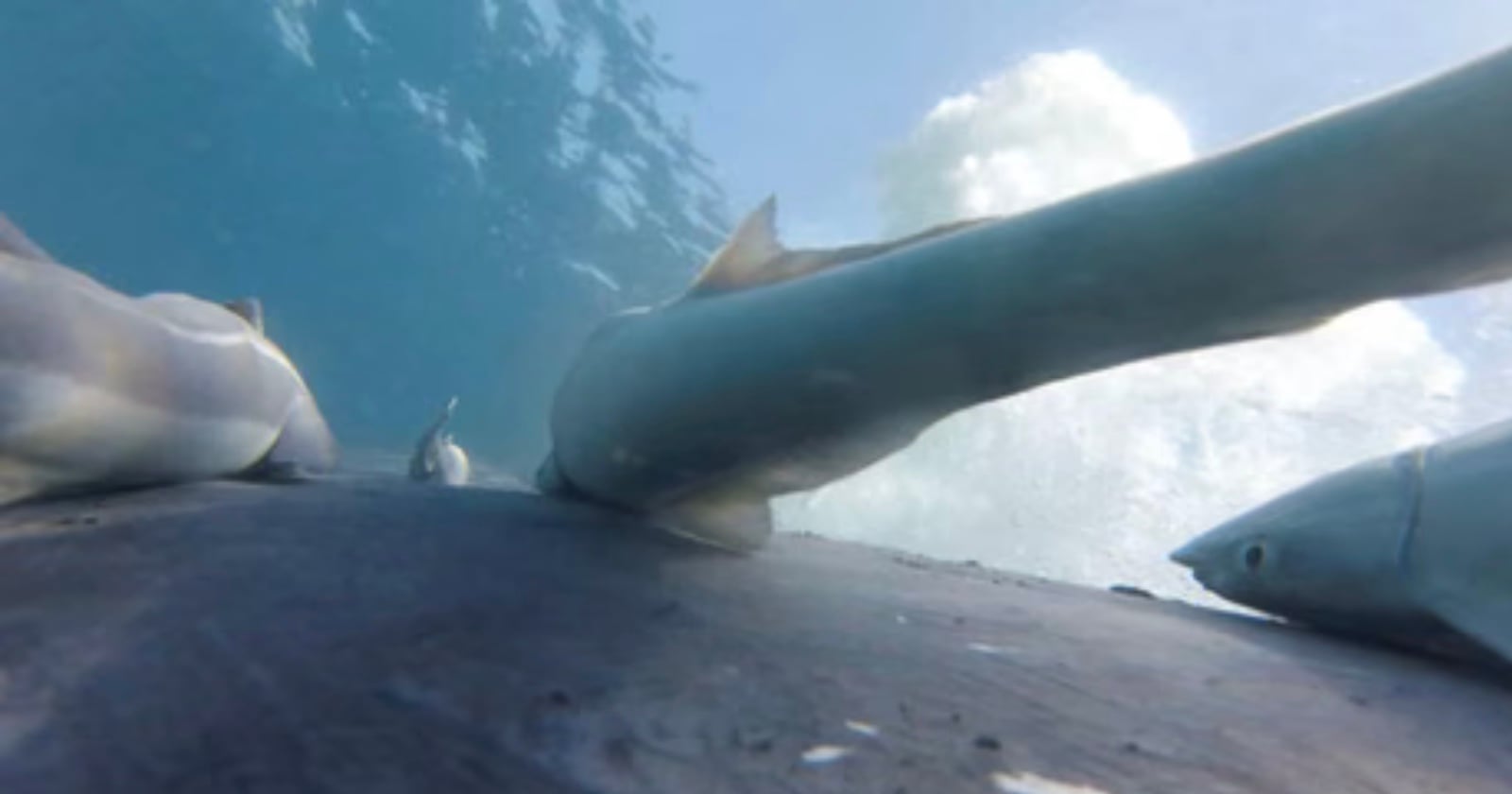
- Visual evidence: The behavior was captured using underwater GoPro footage taken off Australia’s Gold Coast in July 2025.
- Postmortem attentive behavior: Researchers observed the mother whale staying in close proximity to her deceased calf, making continuous contact with the body for hours and potentially days.
- Evolutionary implications: The discovery suggests that complex emotional responses to death may be more widespread across mammalian lineages than previously understood.
- Research significance: The findings highlight the need for advanced deep-sea observation tools to study baleen whales, whose carcasses often sink rapidly.
- For Marine Researchers: This study serves as a catalyst for developing new methodologies. Expect to see increased investment in deep-sea autonomous vehicles and long-term underwater monitoring systems designed to capture the behavior of species that inhabit the darker, deeper reaches of the ocean.
- For Conservationists: Understanding the emotional and social needs of whales is crucial for effective conservation. If whales experience profound grief, the psychological impact of habitat loss, noise pollution, and ship strikes—which can separate mothers from calves—may be much more devastating than previously quantified.
- For the General Public: This research offers a new perspective on the ocean, shifting the view of whales from mere biological machines to sentient, social beings with complex inner lives. It fosters a deeper sense of stewardship for the marine environments they inhabit.
- Technological Advancement: Development of specialized, low-light, deep-sea cameras and AI-driven analysis tools to identify specific behavioral patterns in the dark ocean depths.
- Comparative Studies: Expanding research to other baleen species, such as Blue or Fin whales, to see if this behavior is consistent across the entire order of Mysticetes.
- Acoustic Monitoring: Investigating whether the vocalizations of humpback whales change during periods of perceived loss or following the death of a calf.
- Long-term Population Studies: Tracking individual whales over decades—much like the whale that was tracked from Brazil to Australia over 22 years—to understand the long-term social impacts of calf mortality on mother whales.
- petapixel.com
- www.cbsnews.com
What Happened
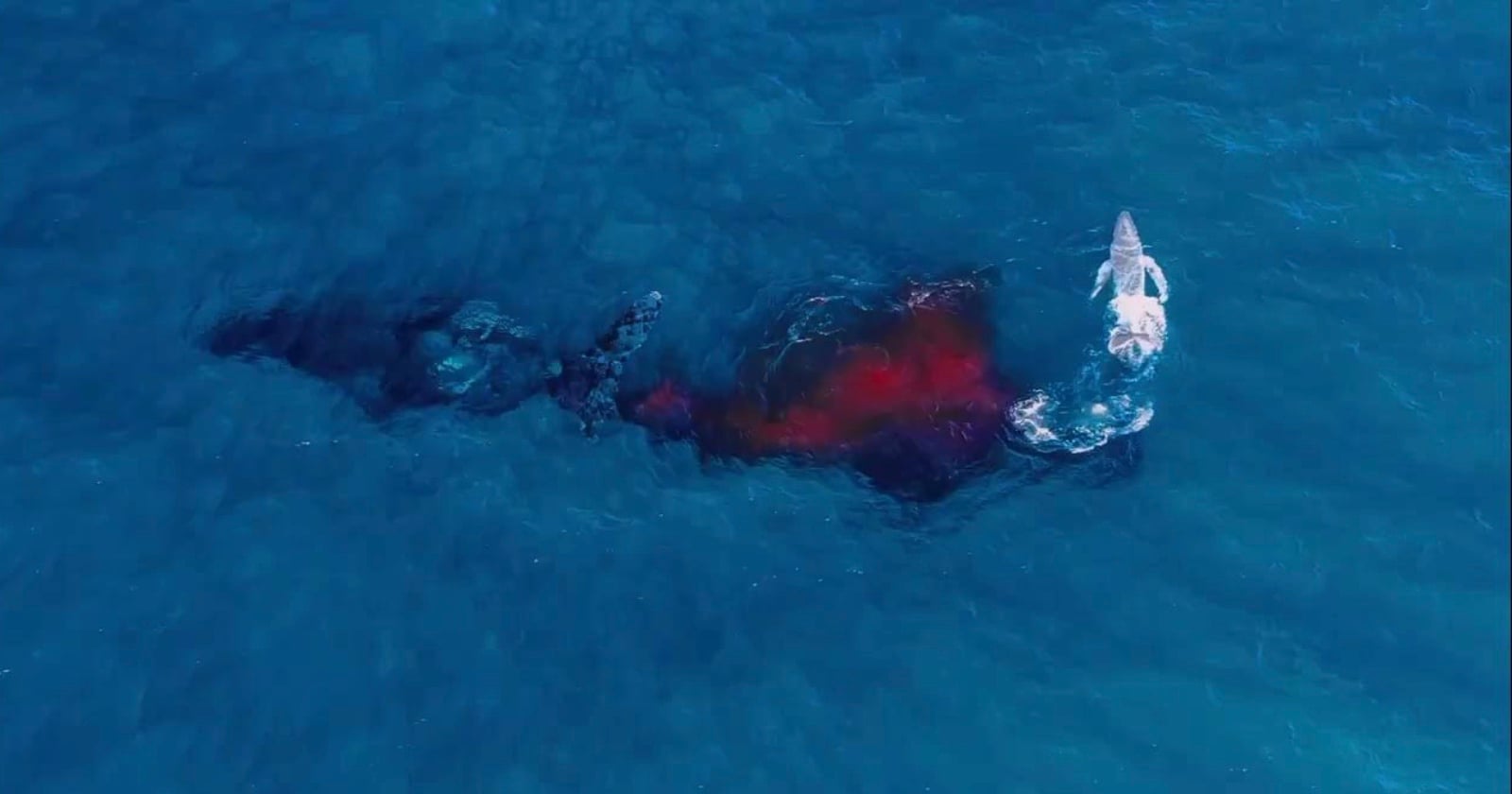
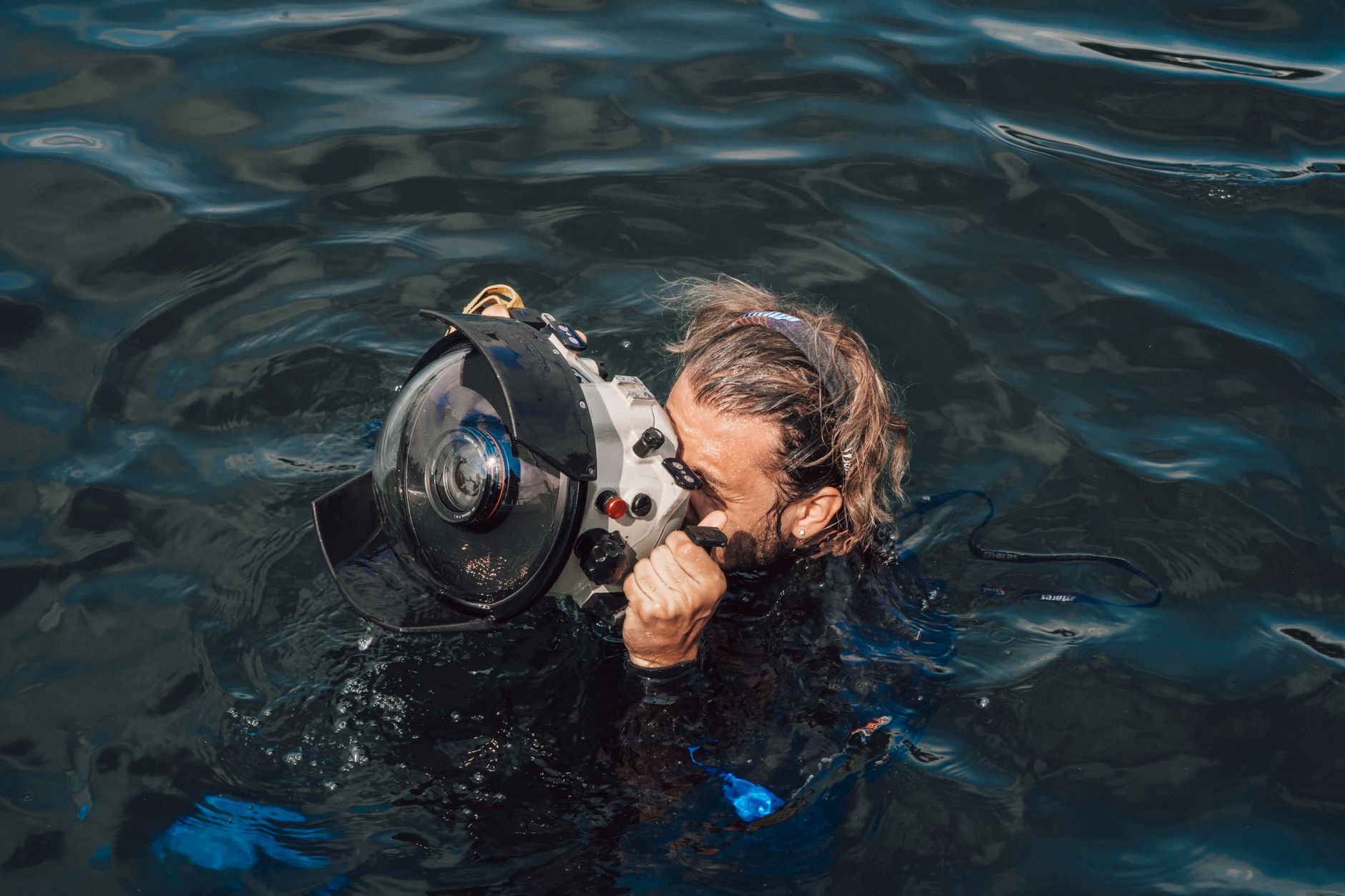
In July 2025, while traveling on a private vessel near the Gold Coast of Australia, researcher and study co-author Andrew Mulville from the Sea World Foundation witnessed an unusual scene on the ocean surface. According to reports, Mulville initially observed two adult humpback whales. As he watched, one of the whales transitioned into a vertical position, with its tail pointing toward the surface. Upon closer inspection, Mulville identified a piece of fetal membrane floating in the water, a clear indicator that a birth had recently occurred.
However, the newborn calf was not immediately visible on the surface. To investigate further, Mulville and his team utilized a GoPro camera to follow the female whale underwater. The footage revealed a somber scene: the newborn calf was lying motionless on the seafloor. Rather than departing, the mother whale remained in immediate proximity to the deceased infant. The recorded footage showed the female returning to the stillborn calf repeatedly for over an hour, and researchers, including Olaf Meynecke of Griffith University’s Whales and Climate Research Program, suggest the interaction may have lasted for several days.
During these encounters, the mother whale was observed making physical contact with the calf using her head and fins, and she appeared to maintain direct eye contact with the motionless body. Researchers interpreted these actions as a potential attempt to check for any remaining signs of life, a behavior they have categorized as “postmortem attentive behavior.”
Why It Matters
The significance of this discovery lies in the distinction between the two major groups of cetaceans: the toothed whales (Odontocetes) and the baleen whales (Mysticetes). For decades, the scientific community has documented complex grieving rituals in toothed whales, such as orcas, dolphins, and pilot whales. These species are known for their highly social structures and have been observed carrying deceased calves or staying with fallen group members.
Until now, there has been a lack of evidence regarding similar emotional responses in baleen whales, a group that includes the humpback, blue, and gray whales. This study fundamentally shifts the scientific understanding of baleen whale social complexity. It suggests that the perceived lack of grieving in these species may not be due to a lack of emotion, but rather a limitation in human observation capabilities. Because newborn baleen whales are often heavy and lack the buoyancy of toothed whales, their carcasses tend to sink rapidly to the ocean floor, making it extremely difficult for researchers to witness post-death interactions.
Comparative Analysis of Cetacean Social Behavior
To understand the weight of this discovery, it is necessary to compare the documented behaviors of the two primary cetacean lineages. The following table summarizes the current scientific understanding of how these groups interact with death.
| Feature | Toothed Whales (Odontocetes) | Baleen Whales (Mysticetes) |
|---|---|---|
| Common Species | Orcas, Dolphins, Pilot Whales | Humpback, Blue, Gray Whales |
| Grief Documentation | Well-documented in multiple studies | Newly documented in humpbacks |
| Social Structure | Highly complex, often matrilineal | Socially complex, but less studied |
| Primary Observation Method | Surface and shallow water observation | Deep-sea and specialized imaging |
| Carcass Behavior | Often remain near the surface | Tend to sink rapidly to the seafloor |
Deep-Dive: The Emotional Complexity of Marine Mammals
Olaf Meynecke, a marine ecologist at Griffith University, noted that the encounter offers a rare window into one of the least understood aspects of whale behavior: how these highly social animals respond to death. The research suggests that the bond between a humpback mother and her calf is not merely biological or instinctual, but carries a level of social-emotional weight that mirrors other highly intelligent mammals.
“It’s pretty heartbreaking to watch this female making continuous contact with the deceased calf,” Meynecke told AFP. He further emphasized that whales are far from the first non-human mammals to exhibit such rituals, drawing parallels to the observed behaviors of elephants and great apes. These land-based mammals have long been known to engage in complex mourning processes, and the discovery in humpback whales suggests that such traits may be an ancient evolutionary hallmark of highly social mammals, regardless of whether they live on land or at sea.
The Evolutionary Context
The implications for evolutionary biology are substantial. If complex social-emotional responses like grief are present in both toothed and baleen whales, it implies that these traits may have evolved in a common ancestor or emerged independently as a result of high sociality. This challenges the idea that emotional depth is tied to specific brain structures found only in certain lineages. Instead, it points toward a broader biological principle: where there is complex social bonding, there is likely a corresponding emotional response to the loss of those bonds.
What It Means for You
The findings of this study have implications for various groups of people, from the scientific community to the general public:
Counterpoints and Open Questions
While the research is groundbreaking, it is not without its scientific debates and unanswered questions. Some researchers may argue that “postmortem attentive behavior” is an interpretation of movement that could be explained by other biological drivers. For instance, could the mother whale be investigating the calf due to olfactory cues or a lingering instinct to protect, rather than a conscious experience of grief?
Furthermore, the “sinking hypothesis” remains a significant variable. While it is highly probable that the rapid descent of baleen whale carcasses prevents observation, it remains an unconfirmed theory that we cannot yet fully prove. Until more widespread, long-term deep-sea monitoring is implemented, scientists cannot definitively say whether mourning is a universal trait among all baleen whales or if it is specific to certain species or circumstances.
Another open question involves the nature of the stillbirth itself. The researchers noted that the whale did not attempt to bring the calf to the surface, which suggests she may have been aware of the death shortly after birth. This leads to further inquiries into how much sensory information—such as sound or chemical signals—a mother whale uses to assess the viability of her offspring.

What Happens Next
Moving forward, the scientific community will likely focus on several key areas to build upon the findings of Mulville and Meynecke:
Frequently Asked Questions
Is this the first time a whale has been seen mourning?
While mourning behaviors have been extensively documented in toothed whales like orcas and dolphins, this is the first documented instance of such behavior in a baleen whale. Previous observations of baleen whales have focused more on migration and feeding, largely because their carcasses sink so quickly that post-death interactions are difficult to observe.
What is the difference between baleen and toothed whales?
Toothed whales (Odontocetes), such as dolphins and orcas, have teeth and typically hunt individual prey. Baleen whales (Mysticetes), such as humpbacks, have baleen plates instead of teeth, which they use to filter small organisms like krill from the water. This biological difference also affects how their bodies behave after death; baleen whales tend to sink much faster than toothed whales.
How did researchers capture this footage?
The footage was captured using a GoPro camera during an underwater observation off the Gold Coast of Australia in July 2025. The researchers followed the female whale underwater to locate the calf and record her interactions with the deceased newborn on the seafloor.
Does this mean whales feel emotions like humans do?
While researchers cannot claim to know the exact subjective experience of a whale, the term “postmortem attentive behavior” is used to describe actions that strongly resemble grief in other highly intelligent, social mammals like elephants and apes. The study suggests a high level of social-emotional complexity, but the specific nature of whale “emotions” remains a subject of ongoing scientific inquiry.
In summary, the discovery of humpback whale mourning behavior marks a pivotal moment in marine biology
References
Featured image: Image via PetaPixel