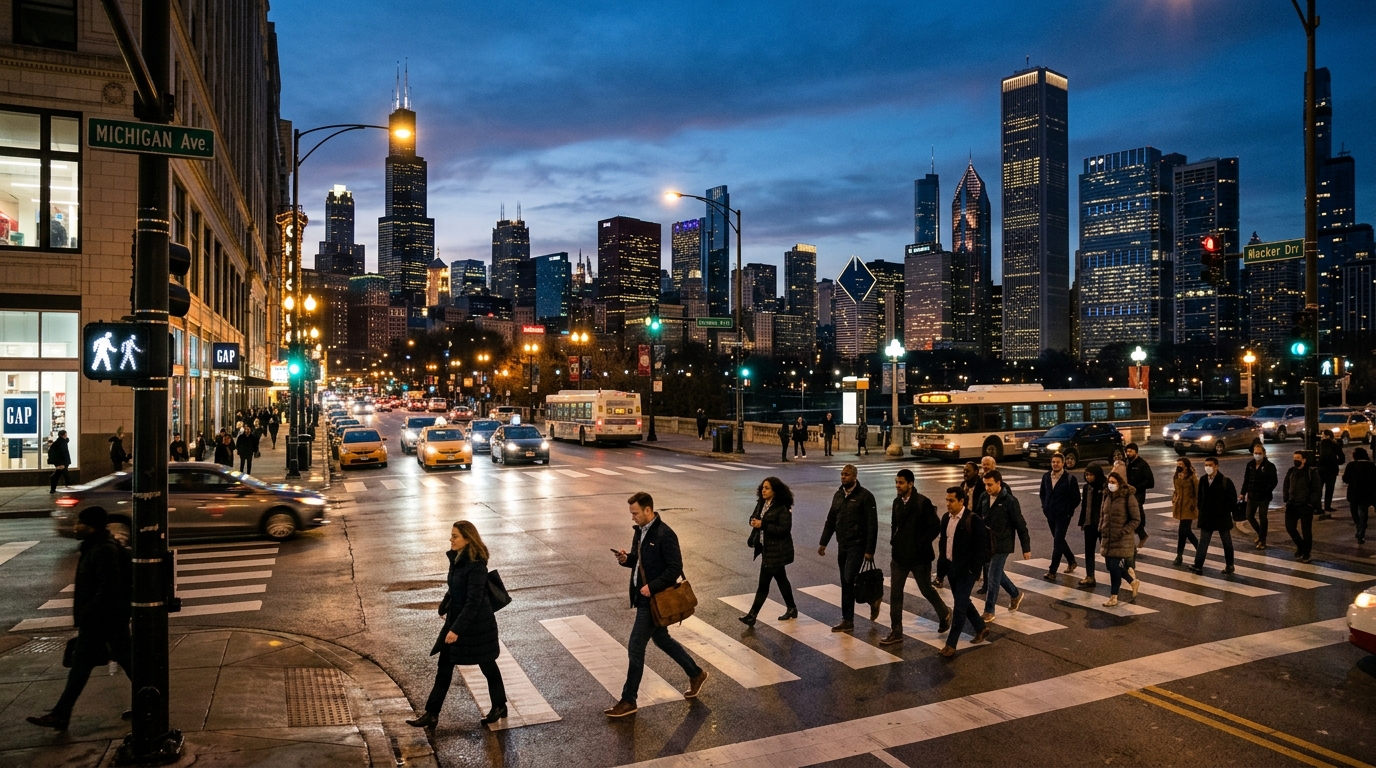
The Essential Guide to Chicago Public Safety in 2026
Maintaining Chicago public safety is a multifaceted task that requires a blend of constant situational awareness, local knowledge, and proactive decision-making. As someone who has spent years navigating the city’s diverse neighborhoods, I have learned that security is rarely about chance; it is a calculated result of your environment, your behavior, and your preparation. Recent reports regarding high-profile incidents involving students and professional media crews have highlighted that even during ordinary activities—like a late-night walk or professional assignment—the landscape can shift rapidly. Understanding these dynamics is the first step toward reclaiming your agency and moving through the city with confidence rather than fear.
Quick Summary
Situational awareness serves as your primary defense against unexpected aggression or potential threats in an urban environment.
Public safety is a shared community responsibility that requires active, alert participation and prompt reporting of suspicious behavior.
University-adjacent zones and lakefront areas demand heightened caution, especially after dusk, regardless of how safe they appear during daylight.
Adopting a “Rule of Three” (never travel alone at night, notify a third party, and maintain 360-degree awareness) is a foundational, non-negotiable security habit.
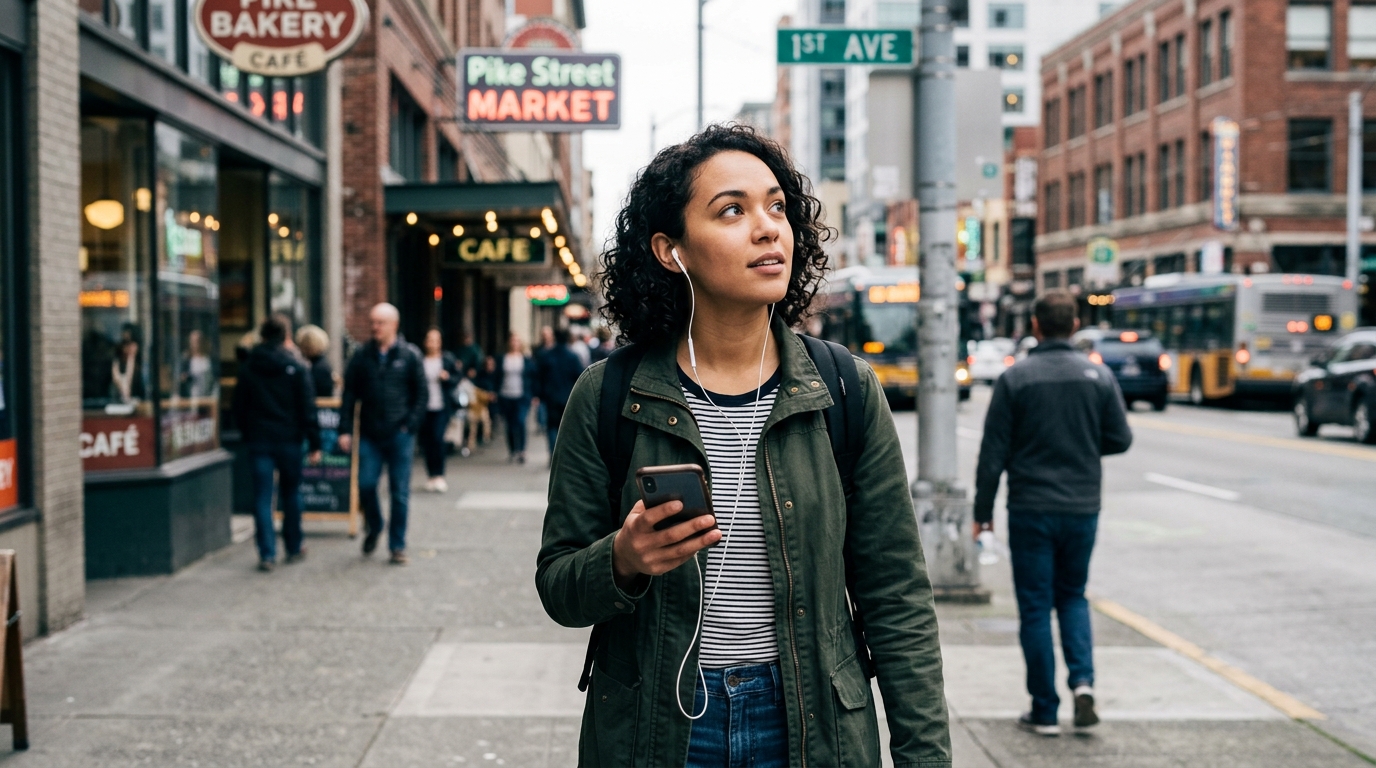
Technology and distraction-free walking are essential; headphones or phone addiction create sensory gaps that predators can easily exploit.
Direct Answer: How to Stay Safe in Chicago
To prioritize your security, you must treat your movement through the city as a dynamic, tactical process. Start by applying the ‘Rule of Three’: never transit alone at night, always notify a trusted third party of your route and estimated arrival, and keep your head up with 360-degree environmental awareness. Avoid ‘sensory voids’—meaning put your phone away and keep both ears free from noise-canceling headphones. If you encounter aggressive behavior, your only objective is immediate de-escalation and withdrawal. Never attempt to intervene in volatile confrontations; instead, move to a high-visibility, populated area and report the incident to authorities immediately.
Understanding the Fluidity of Urban Security
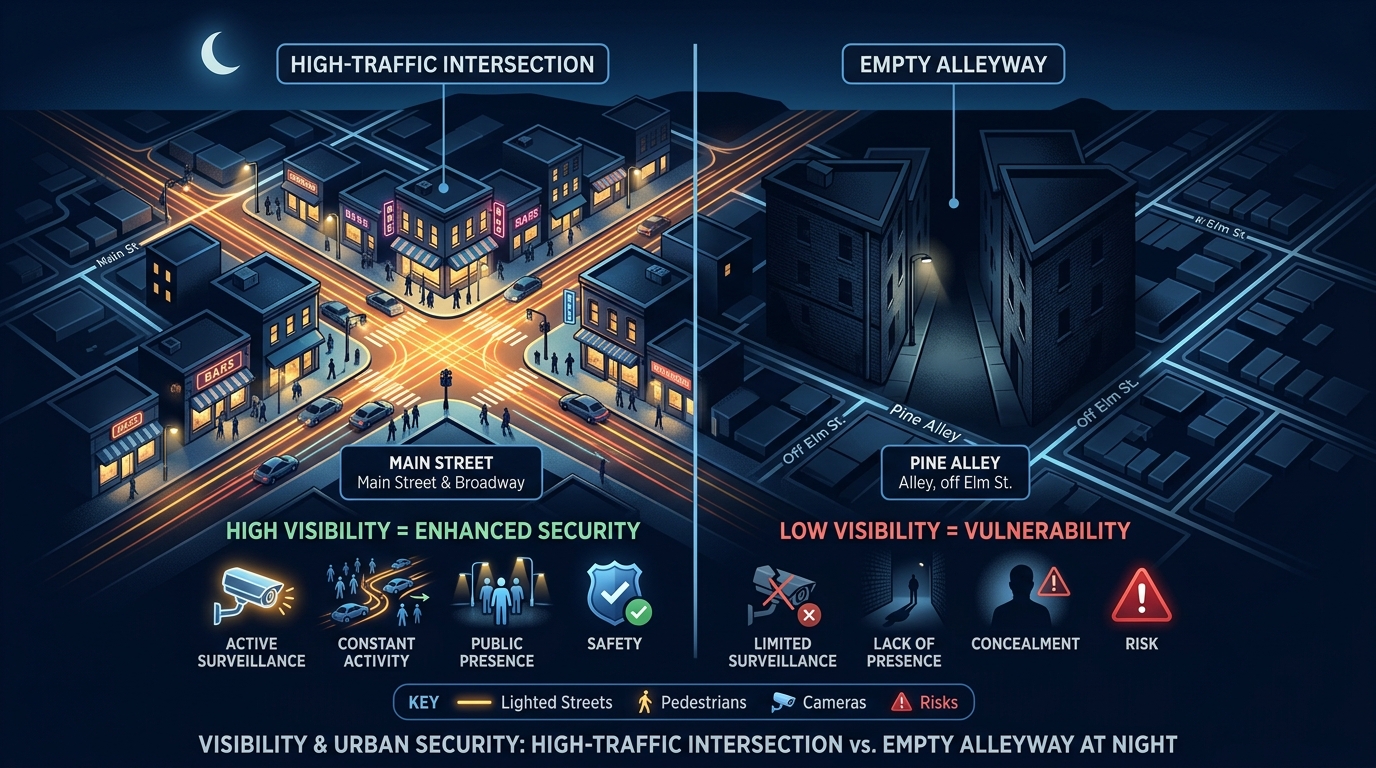
In my own experience working and commuting across major cities, the greatest mistake one can make is viewing safety as a static quality of a specific neighborhood. A street that is bustling, well-lit, and perfectly secure at 2:00 PM on a Saturday can transform into a completely different landscape by 2:00 AM on a Tuesday. The assumption that ‘being in the right place’ equals safety is a common trap that leads to the complacency that perpetrators look for. When I navigate areas near the Loop or popular nightlife hubs, I am constantly assessing my exit routes. Is the next block well-lit? Are there open businesses, or am I walking alongside long, dark walls? By treating every transit route as a variable rather than a fixed path, you shift from being a passive target to an active participant in your own security.
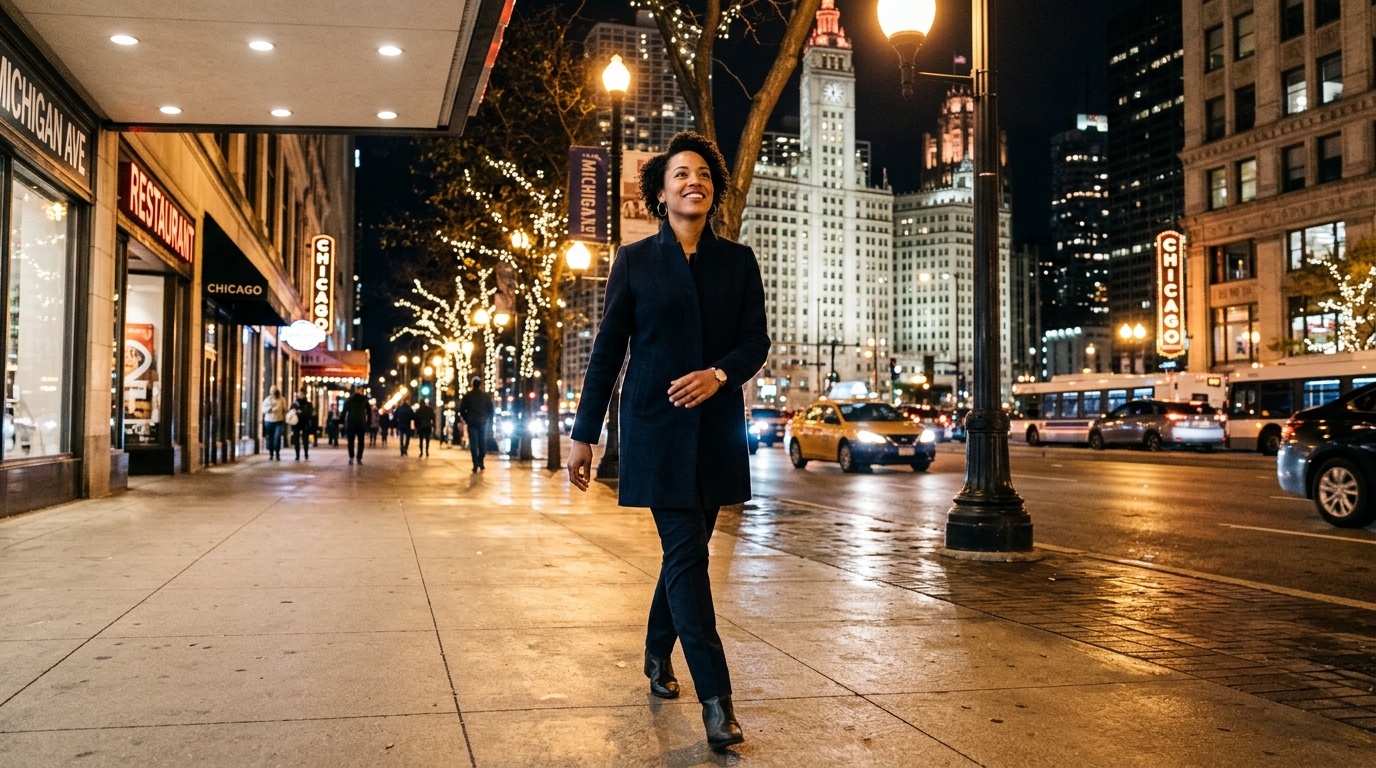
The Reality of Campus and Lakefront Safety
Loyola University and other institutions provide necessary security resources, but students often fall into the trap of believing that the university’s presence creates an impenetrable shield. In reality, these campus borders are porous, and popular attractions like the lakefront or public park paths are inherently difficult to secure completely. During my time as a student, I witnessed too many peers bypassing shuttle programs because they wanted to ‘save time.’ My advice is to leverage every resource provided by your institution. If a safe-walk program or security app is available, download and use it. Do not prioritize convenience over the redundancy of having a professional escort or a verified transport service. Proximity to your dorm or classroom does not exempt you from the need for standardized safety protocols.
Strategic Citizen Reporting
Effective public safety relies on the community acting as an early warning system. When individuals see suspicious activity—such as someone stalking a group or acting erratically in an area where they don’t belong—the most powerful tool is communication. I have found that people often fear being ‘alarmist’ or getting involved, but your input is the primary data law enforcement uses to resolve incidents and deter future crime. Document details like vehicle descriptions, clothing, or specific actions from a secure distance. When you report this information, you aren’t just protecting yourself; you are providing the critical data needed to keep others safe. Remember, doing nothing is never neutral; your silence inadvertently provides cover for bad actors.
Who Should Prioritize Safety Training (And Who Should Not)
This guidance is designed for anyone living, working, or studying within Chicago.
You should prioritize active safety training if: You are a student walking home late, a professional working in the media or high-profile public roles, or someone who frequently utilizes the lakefront trail or public transit at odd hours.
You should exercise extreme caution if: You are a visitor or resident planning to photograph or visit poorly lit areas during the night for recreational purposes.
You might skip this if: You operate exclusively in high-security, private-door environments and rarely walk alone between transit points after dark. However, maintaining baseline awareness is a skill that serves you anywhere.
Cost and Value of Security Tools
Investing in your personal security is more about habit than high-end equipment, but certain tools provide a measurable advantage.
High-Visibility Personal Alarms ($15–$25): These are a high-value investment. A high-decibel alarm is designed to disrupt an attacker’s concentration and draw immediate, unwanted attention to the situation.
Enhanced Lighting ($100–$300): For property owners or small business operators, motion-activated, high-lumen lighting is a top-tier deterrent for unwanted loitering.
Safety Apps (Free to $0): Most institutional or city-sponsored apps are free. The cost here is your time—the time spent setting up your emergency contacts and learning how to trigger an alert effectively.
Professional Self-Defense Seminars ($150–$500): While the cost is significant, a reputable program provides the muscle memory and mental framework needed to survive a high-stress scenario.
Common Mistakes to Avoid
Many people unknowingly compromise their own safety by falling into predictable patterns or habits.
The ‘Routine’ Trap: If you walk the exact same route at the exact same time every day, you become a predictable entity. Predators look for patterns and rhythm. I intentionally vary my walking path by a few blocks or change my departure time by ten minutes to ensure I never establish a monitorable rhythm.
The Sensory Void: Technology is the number one cause of situational blindness. When you walk while deeply engrossed in a text or listening to music with noise-canceling headphones, you are shutting off your primary defensive alarms. Your ears are often the first to detect an approaching threat. If you must use tech, keep one ear free and your eyes scanning the horizon, not the screen.
Frequently Asked Questions
How can I report suspicious activity without being targeted?
The golden rule is distance. Use your phone to record or take notes on descriptions—like license plates or clothing—from a concealed, secure location. Never confront the person. Your role is that of a witness providing intelligence to the police, not an intervention force. If you feel actively threatened, call 911 immediately and prioritize getting yourself out of the area before trying to provide detailed descriptions.
Are specific areas of the city universally dangerous?
Security is entirely dynamic. There is no such thing as a ‘universally safe’ or ‘universally dangerous’ neighborhood. An area that feels vibrant and welcoming at noon can be deserted and high-risk at midnight. Always research the ‘time-of-day’ factor. Never assume that proximity to a tourist attraction or a high-end restaurant grants you immunity from standard urban risks. Always check the lighting and foot traffic before entering an area.
How can families support students in the city?
Communication is the most effective tool. Move beyond the standard ‘how was your day?’ and ask, ‘how do you feel about the routes you take to class at night?’ Encourage them to use university-provided shuttles and security apps. Remind them that listening to their gut feeling is a skill, not a weakness. If they feel uncomfortable, they should be empowered to call for an escort, regardless of the inconvenience.
Why does the time of day change an area’s safety profile?
Urban spaces rely on ‘eyes on the street.’ During peak business hours, there are shoppers, commuters, and staff who provide organic surveillance. When those populations leave and the streets become empty, that natural surveillance disappears. The lack of witnesses is exactly what criminals look for. Always plan your movements to coincide with the presence of other people, and if an area feels unusually empty, it is time to adjust your plan.
Navigating the Future of Your Security
Personal security is an active commitment that requires constant refinement. In a city as complex as Chicago, you cannot afford to wait until an incident occurs to think about your safety. By maintaining active situational awareness, refusing to fall into routine traps, and staying informed about your surroundings, you build a foundation of resilience that protects you wherever you go.
I have seen too many people brush off safety as something they ‘will deal with later’—but the time to prepare is today. Whether you are a student, a visitor, or a long-term resident, your vigilance remains your most potent tool. My recommendation is to take one hour this weekend to walk your typical routes during the day and again at night. Identify where the streetlights are dim, where the blind spots are, and where the safe zones—like 24-hour convenience stores or police stations—might be. This simple, practical step will significantly improve your confidence and your actual safety profile. Don’t be a passive participant in your environment. Take control, stay alert, and walk with the confidence that comes from being prepared for the world around you.