Antarctica, Earth’s frozen southern frontier, faces an unprecedented crisis. Recent scientific findings reveal a “triple whammy” of interconnected environmental pressures pushing the continent into a dangerous downward spiral. This alarming development signals a profound shift in one of the planet’s most vital climate regulators. Understanding these converging threats is crucial for grasping the severe implications for global ecosystems and human civilization. The future of Antarctica—and our world—hangs in the balance as these forces accelerate its transformation.
Unpacking Antarctica’s Dire “Triple Whammy”
Scientists are observing a confluence of factors creating a perilous feedback loop across Antarctica. This “triple whammy” isn’t a single event but rather three powerful, intensifying stressors. Each factor exacerbates the others, accelerating ice loss and ecosystem disruption. This complex interaction defines the current Antarctica crisis, demanding urgent attention from the international community.
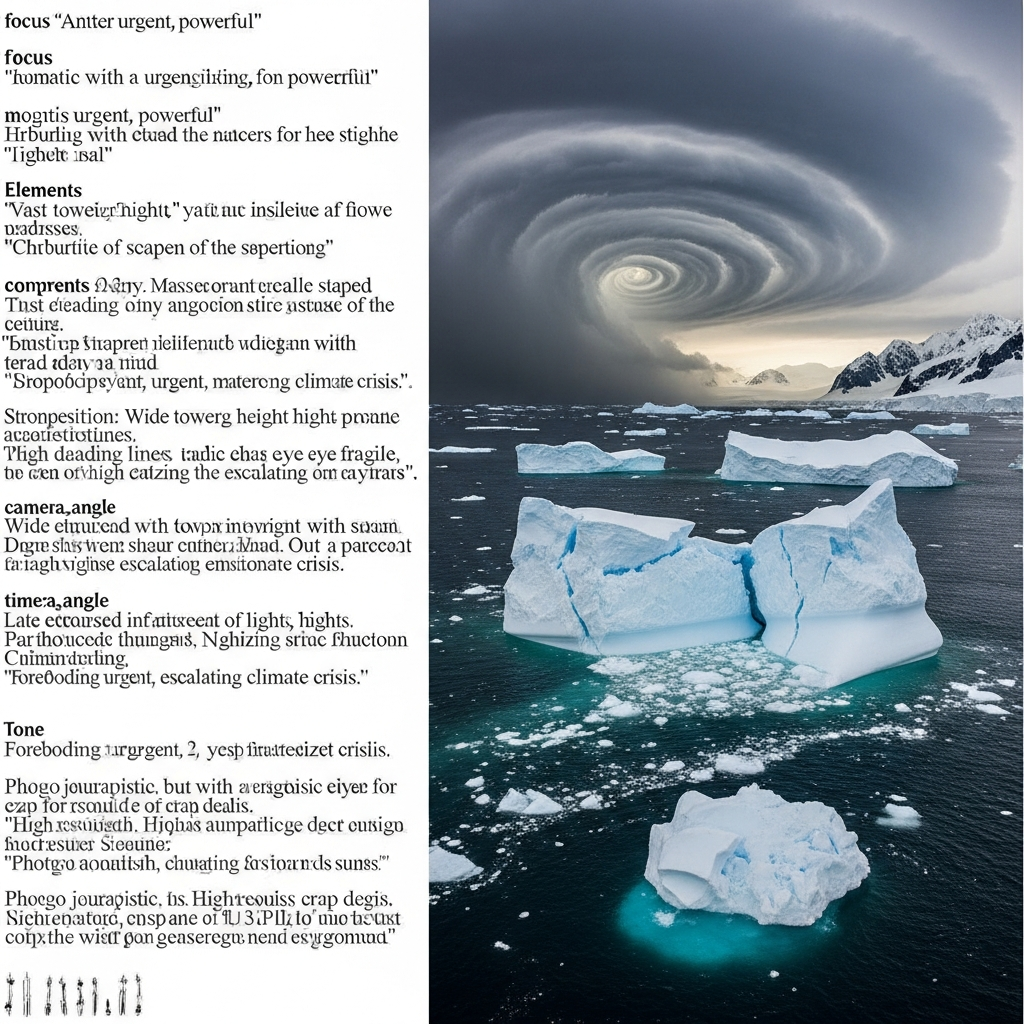
The first critical component is the dramatic rise in ocean temperatures. Warmer waters are aggressively eroding ice shelves from below. These massive floating ice platforms act as buttresses, holding back inland glaciers. As they thin and collapse, vast quantities of terrestrial ice flow more rapidly into the ocean. The second whammy comes from atmospheric warming. While often localized, rising air temperatures contribute to surface melt on glaciers and ice sheets. They also foster more extreme weather patterns, including intensified polar storms that can weaken ice structures. Finally, altered ocean currents represent the third major threat. These currents distribute heat and nutrients, and their disruption can bring warmer water into contact with ice, further accelerating melt. They also impact marine ecosystems, particularly the base of the food chain.
The Accelerating Melt: A Cascading Effect
The direct consequence of this triple assault is the rapid acceleration of ice melt across the continent. Both the West Antarctic Ice Sheet and parts of the larger East Antarctic Ice Sheet are experiencing significant mass loss. This melt isn’t just about ice disappearing; it initiates a cascading series of environmental changes. As ice melts, it contributes directly to global sea-level rise, threatening coastal communities worldwide. This process also alters ocean salinity and density, which can further impact ocean currents and marine life. The delicate balance of the Southern Ocean ecosystem is already showing signs of strain under these conditions.
The disintegration of ice shelves is particularly concerning. Research indicates that these shelves are thinning at an alarming rate, losing billions of tons of ice annually. This thinning removes the natural barrier that prevents glaciers from flowing freely into the ocean. Once these shelves are compromised, the flow of ice from the land-based ice sheets can increase exponentially. This is a critical component of the Antarctica crisis, as the West Antarctic Ice Sheet alone holds enough water to raise global sea levels by several meters.
Ecosystems Under Siege: A Downward Spiral for Life
Beyond the ice, Antarctica’s unique ecosystems are also caught in this downward spiral. Marine life, from microscopic plankton to mighty whales, relies on stable polar conditions. The triple whammy disrupts these conditions in profound ways. Changing ocean temperatures and currents directly affect the distribution and abundance of krill, a tiny crustacean that forms the bedrock of the Antarctic food web.
Krill, Penguins, and the Food Web
Krill populations are highly sensitive to sea ice extent and ocean acidity. With less sea ice, there’s less habitat for krill to feed and breed. As krill numbers decline, so do the populations of animals that depend on them for survival. This includes several species of penguins, seals, and whales. For instance, Adélie and Chinstrap penguin colonies, once thriving, are facing significant food shortages. Their breeding success and overall numbers are declining in areas most affected by rapid environmental change. This disruption isn’t just an ecological tragedy; it’s a clear indicator of the profound systemic breakdown occurring. The ripple effects could extend far beyond the polar regions.
Furthermore, changes in the Southern Ocean’s chemistry, driven by increased CO2 absorption, lead to ocean acidification. This makes it harder for shelled organisms, including some forms of plankton and young krill, to develop their protective shells. This further weakens the base of the food chain, intensifying the ecosystem’s vulnerability. The cumulative impact paints a grim picture for the entire Antarctic biome, signaling a widespread Antarctic chaos that could reshape the continent for centuries.
Global Repercussions: Beyond the Frozen Continent
The challenges unfolding in Antarctica are not isolated to the polar region. The melting ice and ecological shifts have profound global implications. The most immediate and widely discussed impact is global sea-level rise. Even a small increase in global sea levels can lead to devastating consequences for coastal cities and low-lying islands, displacing millions and causing trillions in economic damage. Projections suggest that Antarctica could become the dominant contributor to sea-level rise in the coming decades.
Moreover, Antarctica plays a crucial role in regulating Earth’s climate and ocean circulation. The cold, dense waters formed around the continent drive deep ocean currents that distribute heat and nutrients worldwide. Disruptions to this process could alter weather patterns across the globe, intensifying storms, droughts, and heatwaves in unexpected regions. This underscores why the Antarctica crisis is truly a global crisis. The continent’s ice sheets reflect a significant amount of solar radiation back into space. As this reflective ice cover diminishes, more heat is absorbed by the darker ocean and land, creating a feedback loop that accelerates global warming.
The scientific community continues to monitor these changes with increasing urgency. Satellite data, oceanographic surveys, and ground-based observations provide critical insights into the accelerating pace of change. Understanding these complex interactions is the first step toward developing strategies to mitigate the worst potential outcomes. It emphasizes the need for international cooperation on climate action.
Frequently Asked Questions
What specifically constitutes Antarctica’s “triple whammy” of environmental pressures?
Antarctica’s “triple whammy” refers to three interconnected and intensifying environmental threats. First, rapidly rising ocean temperatures are melting ice shelves from below, weakening their structural integrity and accelerating glacier flow. Second, atmospheric warming contributes to surface melt and extreme weather events. Third, altered ocean currents redistribute warmer waters, further impacting ice melt and disrupting marine ecosystems. These three factors combine to create a perilous feedback loop, driving the continent into an accelerating state of decline.
How can scientific research help monitor and address Antarctica’s downward spiral?
Scientific research is crucial for understanding, monitoring, and potentially mitigating Antarctica’s downward spiral. Scientists use satellite imagery, autonomous underwater vehicles, and on-site expeditions to track ice melt, ocean temperature changes, and ecosystem health. This data helps create climate models that predict future impacts, inform policy decisions, and raise global awareness. Continued funding and international collaboration for polar research are essential to provide the accurate, timely information needed to address this complex crisis effectively.
What are the main global consequences if Antarctica’s ice melt accelerates significantly?
If Antarctica’s ice melt accelerates significantly, the primary global consequence would be a substantial rise in global sea levels. This would threaten coastal cities, displace populations, and cause widespread economic disruption. Additionally, the influx of fresh meltwater could disrupt crucial ocean currents, altering global weather patterns and intensifying extreme climate events worldwide. The loss of reflective ice further accelerates global warming by reducing Earth’s albedo, creating a feedback loop that could lead to more rapid and unpredictable climate shifts.
The Urgent Call for Action
The findings about Antarctica’s “triple whammy” serve as a stark warning. The continent’s downward spiral is not a distant problem; it is an unfolding reality with immediate and far-reaching global implications. Addressing this crisis requires a concerted global effort to reduce greenhouse gas emissions, transition to renewable energy sources, and invest in sustainable practices. Protecting Antarctica means protecting our planet’s future. The stability of our climate, the health of our oceans, and the viability of countless communities depend on our collective response to this urgent call for action.