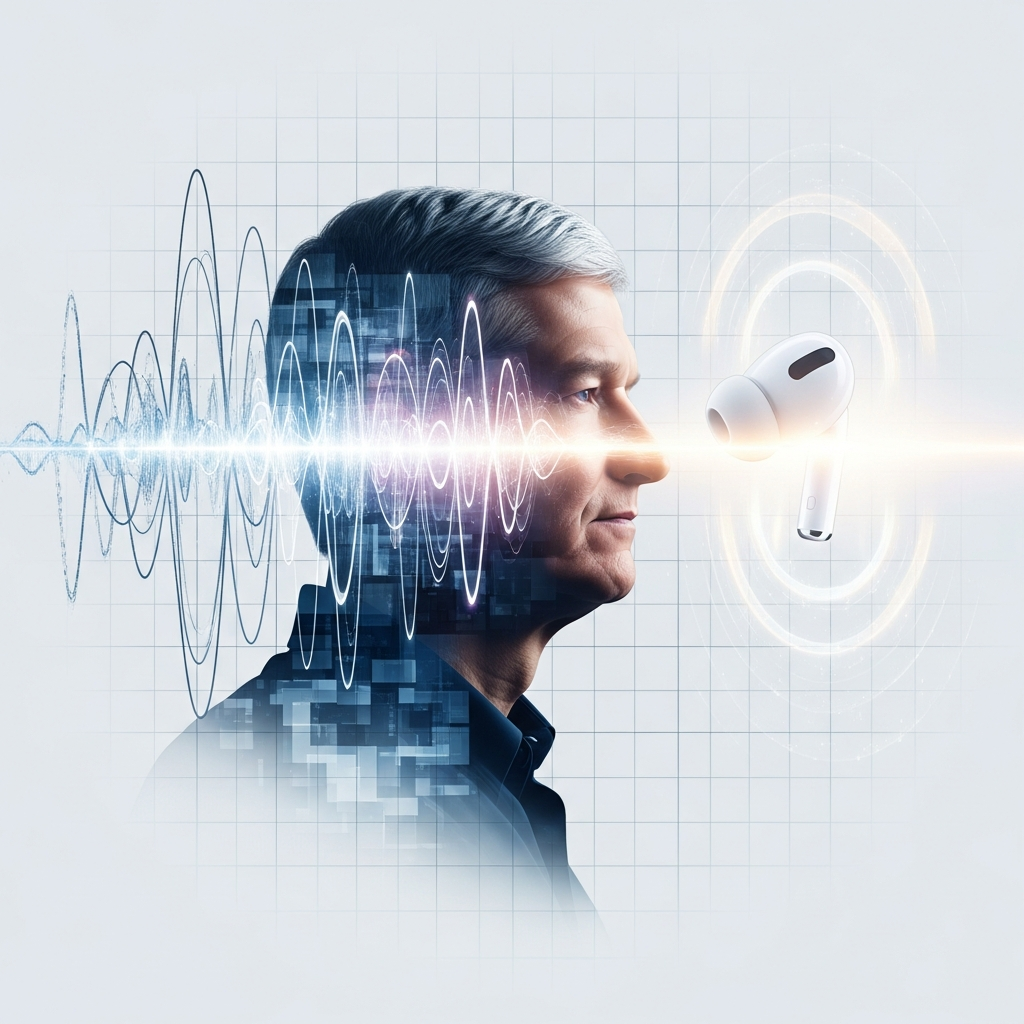
Apple’s AirPods stand as a testament to transformative innovation, arguably Tim Cook’s most underrated triumph during his tenure as CEO. These deceptively simple true wireless earbuds didn’t just create a new product category; they reshaped user expectations for personal audio, propelling Apple into a dominant position within the 21st-century soundscape. Despite their monumental impact, the original AirPods often miss the top spots in Apple product rankings, highlighting their subtle yet profound influence that deserves far greater recognition. This article explores how AirPods redefined wireless listening, integrated seamlessly into daily life, and solidified Apple’s standing as a premier audio innovator.
Reshaping the Sound Landscape: The Pre-AirPods Era
Before 2016, the world of personal audio looked dramatically different. Wired earbuds were the undisputed norm, their white cords a signature accessory often seen in Apple’s vibrant, dancing silhouette advertisements. These cables, while familiar, often led to frustrating tangles and accidental snags, tethering users physically to their devices. The market offered some nascent true wireless options like the Bragi Dash, Onkyo W800BT, and Earin, all emerging in 2015. However, these early contenders struggled with widespread adoption due to technical complexities, limited battery life, and often clunky user experiences. The stage was set for a truly disruptive force.
The “Courageous” Shift: Ditching the Headphone Jack
The catalyst for Apple’s audio revolution arrived in September 2016. At a special event, Phil Schiller, then Apple’s senior vice president of worldwide marketing, famously lauded the “courage” required to remove the traditional 3.5mm headphone jack from the new iPhone 7 and iPhone 7 Plus. This controversial decision, initially met with considerable skepticism and even disdain by many, was swiftly followed by another groundbreaking announcement. Jony Ive, Apple’s chief design officer, unveiled the AirPods, a sleek pair of untethered earbuds that promised a new era of freedom for listeners. A captivating black and white advertisement featuring dancer Lil Buck effortlessly moving through Mexico City, liberated from wires, immediately conveyed this vision of untethered motion and sound.
The AirPods Phenomenon: From Novelty to Necessity
While the iPhone 7 initially included a Lightning-to-3.5mm adapter to ease the transition, Apple had firmly signaled its commitment to a wireless future. The AirPods, with their distinctive white charging case, quickly transcended mere functionality. Initially, some users reportedly felt “stupid” wearing the unfamiliar-looking devices, but this perception rapidly shifted. AirPods soon became an undeniable fashion statement, synonymous with a modern, forward-thinking lifestyle. Their ubiquity was staggering; Apple sold an estimated 14–16 million units in 2017 alone, with sales skyrocketing consistently in the years that followed.
The Genius of Seamless Integration: Apple’s W1 Chip
The true brilliance of the original AirPods wasn’t just their wireless design; it was their unparalleled ease of use, powered by Apple’s innovative W1 chip. This proprietary silicon eliminated the common frustrations associated with traditional Bluetooth pairing. Instead, AirPods connected instantly and seamlessly, not just with an iPhone but across a user’s entire Apple ecosystem—iPads, Macs, and Apple Watches—requiring virtually no setup. This effortless connectivity transformed how users interacted with their audio, creating a magical experience that cemented their place in daily routines. The W1 chip’s intelligence, working quietly in the background, represented a paradigm shift in user convenience.
Evolving Excellence: The AirPods Lineage
The initial “one-size-fits-all” open-ear design of the first AirPods, while iconic, wasn’t universally comfortable and offered “merely fine” sound quality. However, Apple listened and innovated. The AirPods line has continuously evolved, introducing significant enhancements with each new generation. Later iterations, most notably the AirPods Pro series, brought substantial improvements in areas like active noise cancellation, dramatically enhancing the listening experience in noisy environments.
Advanced Features and Future Directions
Beyond superior noise canceling, subsequent AirPods models have introduced a suite of advanced features. Enhanced call quality, facilitated by multiple microphones and sophisticated algorithms, ensures clear communication even in challenging conditions. Emerging capabilities like heart rate tracking hint at AirPods’ potential as a health and wellness device. Live translation features break down language barriers, while adaptive audio dynamically adjusts sound levels based on environmental noise. Notably, the AirPods Pro 2 and future AirPods Pro 3 are anticipated to function as over-the-counter hearing aids, underscoring their expanding role beyond traditional audio consumption. These innovations illustrate Apple’s commitment to making AirPods not just personal audio devices, but indispensable tools for productivity, health, and connectivity within the wider Apple ecosystem.
Today, AirPods are integrated into countless lives, used for everything from professional video calls and immersive media consumption on an iPad to navigating city streets with adaptive noise canceling for situational awareness. This deep integration is a testament to Tim Cook’s strategic vision, which prioritized user experience and ecosystem synergy. The legacy of AirPods, however, continues under the leadership of John Ternus, who oversaw the development of the original AirPods and remains a key figure in guiding their ongoing progress. As Apple looks to the future, we can anticipate further integration, smarter features, and perhaps even a wider array of color options beyond the classic white that started it all.
Frequently Asked Questions
How did AirPods fundamentally change the personal audio industry?
AirPods revolutionized the personal audio industry by normalizing true wireless earbuds, making them incredibly accessible and easy to use. Before their 2016 launch, wired headphones were standard, and existing wireless options were often complex. AirPods, driven by Apple’s W1 chip, offered seamless pairing and integration across Apple devices, setting a new benchmark for user experience. This simplicity, combined with their portability and the removal of the iPhone’s headphone jack, rapidly propelled the market towards untethered listening, transforming a niche product into a mainstream, indispensable accessory for millions.
What technological innovation made the original AirPods so uniquely user-friendly?
The groundbreaking user-friendliness of the original AirPods was primarily due to Apple’s proprietary W1 chip. This advanced chip enabled instant, hassle-free pairing with iPhones and automatic connection across a user’s other Apple devices like iPads and Macs, bypassing the often-frustrating traditional Bluetooth setup process. The W1 chip managed connectivity, battery life, and audio processing with remarkable efficiency, creating a “magical” and intuitive experience that distinguished AirPods from their competitors and cemented their rapid adoption.
How have AirPods evolved since their introduction, and what future innovations might we see?
Since their introduction, AirPods have significantly evolved, moving beyond their initial open-ear design to offer advanced features like active noise cancellation in AirPods Pro models. Subsequent iterations have improved call quality, introduced spatial audio, and added health-focused capabilities such as heart rate tracking. Future innovations, potentially under John Ternus’s continued guidance, are likely to include further integration within the Apple ecosystem, advanced adaptive audio, and expanded functionalities like over-the-counter hearing aid capabilities, cementing their role as a versatile personal assistant and health device.
The Enduring Legacy of Apple’s AirPods
The journey of AirPods, from an initially polarizing product to an indispensable part of modern life, underscores their profound impact. They represent more than just a successful gadget; they symbolize Apple’s ability to anticipate and shape user needs, even when it means challenging established norms like the headphone jack. This transformation into a leading audio company of the 21st century is a significant part of Tim Cook’s legacy, a quiet revolution that continues to resonate. As John Ternus guides the AirPods line forward, their evolution promises to keep Apple at the forefront of audio innovation, continuously enhancing the way we connect with our digital world.