

Lung cancer screening is now recognized by medical experts as one of the most effective tools in preventive medicine, with the potential to reduce mortality rates by as much as 20%. As medical technology evolves, the ability to detect cancer before symptoms even appear is shifting the prognosis for thousands of high-risk individuals.
Key Takeaways
- Significant Mortality Reduction: Annual low-dose CT scans can reduce the risk of death from lung cancer by 20%.
- Current Eligibility: The American Cancer Society recommends annual screening for adults aged 50–80 with a 20 pack-year smoking history.
- The Silent Threat: Many lung cancers, including ground-glass opacities, can grow for years without causing any physical symptoms.
- Non-Smoker Risk: Approximately one in seven lung cancer cases occurs in individuals who have never smoked.
- High Benign Rate: Over 99% of lung nodules detected during screenings are benign, often representing scars or infections.
- Future Diagnostics: Experts predict blood tests may become the primary screening method within the next four to five years.
- Age Range: Between 50 and 80 years old.
- Smoking History: Current smokers or those with a significant history, specifically defined as at least a 20 pack-year history.
- Benign Nodules: Over 99% of detected lung nodules are actually benign, often resulting from past infections, inflammation, or scarring.
- Unrelated Findings: In approximately one-third of all screenings, doctors detect health issues unrelated to the lungs, such as the hardening of heart arteries or nodules in other parts of the body.
- Improved Non-Smoker Guidance (1–2 Years): The medical community is conducting intense research to better identify which non-smokers are at the highest risk, which will likely lead to more specific screening guidelines for this demographic.
- Blood-Based Screening (4–5 Years): A significant shift is expected where blood tests become the primary method for identifying cancer risk. In this future model, a positive blood test would serve as the initial trigger, with the CT scan being used only as a confirmatory tool.
- www.vietnam.vn
- www.foxnews.com
What Happened
Medical professionals and researchers are increasingly emphasizing the critical window for early intervention in lung cancer cases. According to Dr. Daniel J. Boffa, a thoracic surgeon at Yale University and chair of the American College of Surgeons Commission on Cancer, the gap between eligible patients and those who actually undergo screening is a major public health crisis. Dr. Boffa noted that the failure to comply with screening guidelines translates to “tens of thousands of preventable deaths every year.”
While lung cancer has historically been viewed as a terminal diagnosis with a heavy social stigma, recent advancements in research and treatment have fundamentally changed the landscape. The current medical consensus is moving toward a model where early detection through routine, low-intensity scans allows for much higher survival rates, even as the disease is identified in its earliest, most treatable stages.
Why It Matters
The significance of lung cancer screening lies in the disease’s ability to remain “silent.” Unlike many other conditions, lung cancer often presents no outward signs until it has reached an advanced stage. By the time a patient experiences a persistent cough or shortness of breath, the cancer may have already progressed significantly.
For the medical community, the stakes are high. The ability to identify a malignancy while it is still localized can mean the difference between a minimally invasive procedure and aggressive, systemic treatments like chemotherapy or radiation. Furthermore, the economic and social impact of successful early detection is massive, as it moves the needle from managing terminal illness to successfully curing patients through surgical intervention.
The Current Standards for Lung Cancer Screening
To maximize the effectiveness of these interventions, the American Cancer Society (ACS) has established specific protocols. These guidelines are designed to target the populations most likely to benefit from the sensitivity of imaging technology.
According to the ACS, annual low-dose CT scans are recommended for individuals who meet the following criteria:
Medical professionals advise that individuals should engage in a thorough dialogue with their healthcare providers before deciding to undergo screening. This conversation should cover the purpose of the scan, the specific benefits, the inherent limits of the technology, and the potential for incidental findings. For those who currently smoke, doctors emphasize that screening should be paired with counseling and resources to assist with smoking cessation.
However, the guidelines are not universal. The ACS notes that individuals with serious health problems that would likely limit their lifespan should not undergo screening, nor should those who would be unable to receive necessary treatment if cancer were detected. This ensures that the benefits of screening are not outweighed by the burdens of treating an advanced condition in a medically fragile patient.
The Silent Threat: A Case Study in Asymptomatic Progression
While guidelines focus on smokers, the danger of “silent” growth is best illustrated by clinical observations of non-symptomatic patients. A recent report from Báo Khoa học và Đ đời sống (via Vietnam.vn) details the case of a 63-year-old female from Lam Dong province, whose experience highlights why longitudinal monitoring is essential.
In 2024, during a routine health check-up, the patient was found to have a ground-glass nodule (GGN) in the upper lobe of her left lung. At the time, the lesion was relatively small and lacked solid components, leading specialists at Cho Ray Hospital to classify it as Lung-RADS 2, a low-risk category. The patient felt entirely healthy and reported no symptoms of fatigue or respiratory distress.
Despite her lack of symptoms, the medical team insisted on regular monitoring via low-dose CT scans every six months. This persistence proved life-saving. Over the next two years, the lesion underwent a gradual but significant transformation.
Clinical Timeline of a Growing Lesion
| Year | Lesion Size (mm) | Characteristics | Clinical Status |
|---|---|---|---|
| 2024 | 13 x 15 mm | No solid components; no signs of invasion | Low-risk (Lung-RADS 2) |
| 2025 | 15 x 20 mm | Predominantly ground-glass composition | Increased size; continued monitoring |
| 2026 | 20 x 27 mm | Appearance of solid tissue components | High risk of malignancy; surgical intervention |
Following the discovery of solid tissue in 2026, the patient underwent a robotic-assisted lobectomy at Cho Ray Hospital. Dr. Nguyen Hoang Binh, Head of the Thoracic Surgery Department, noted that such early detection offers patients a chance at a complete cure and may eliminate the need for adjuvant chemotherapy or radiation therapy.
Understanding the Screening Process and Results
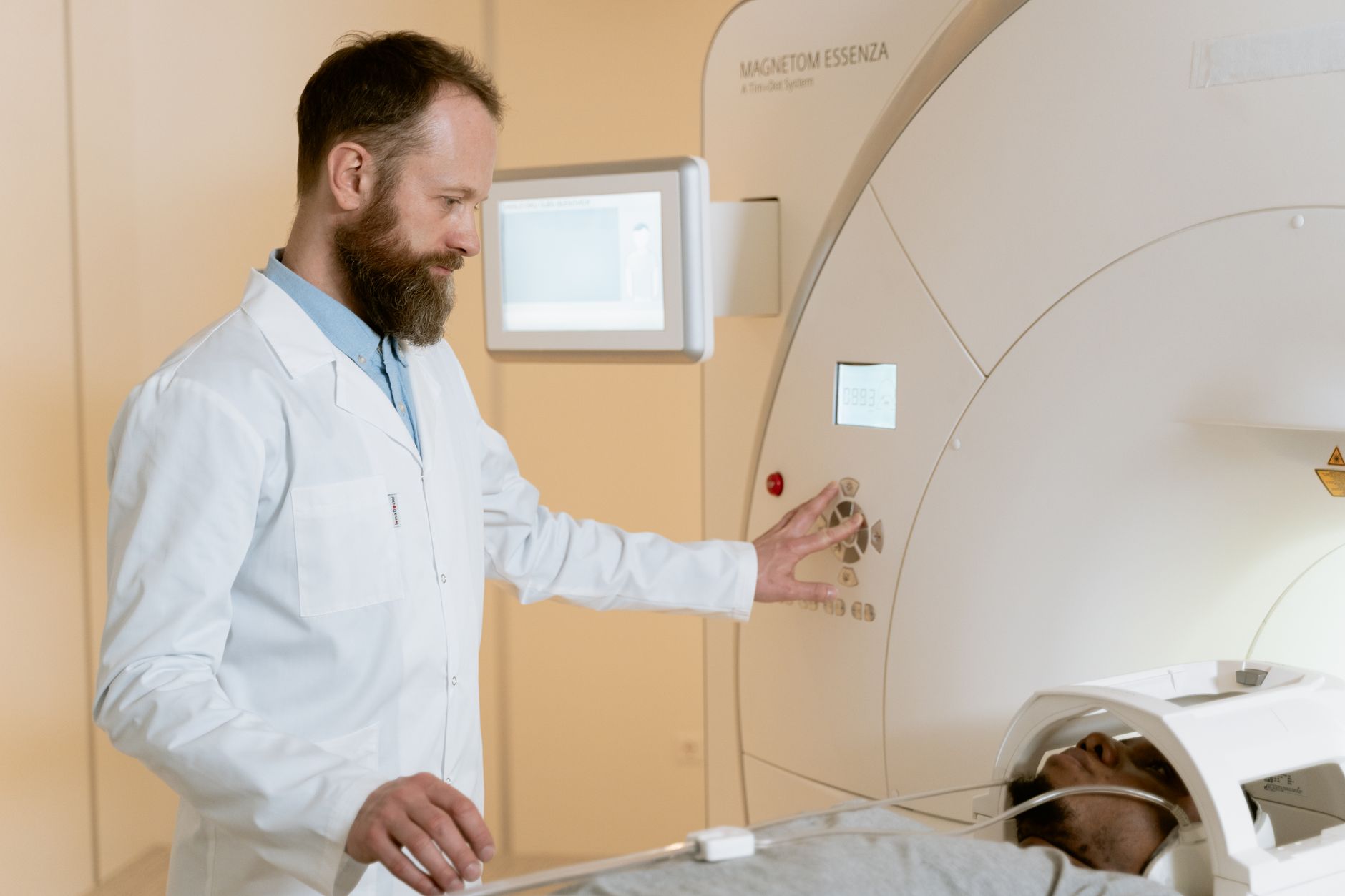
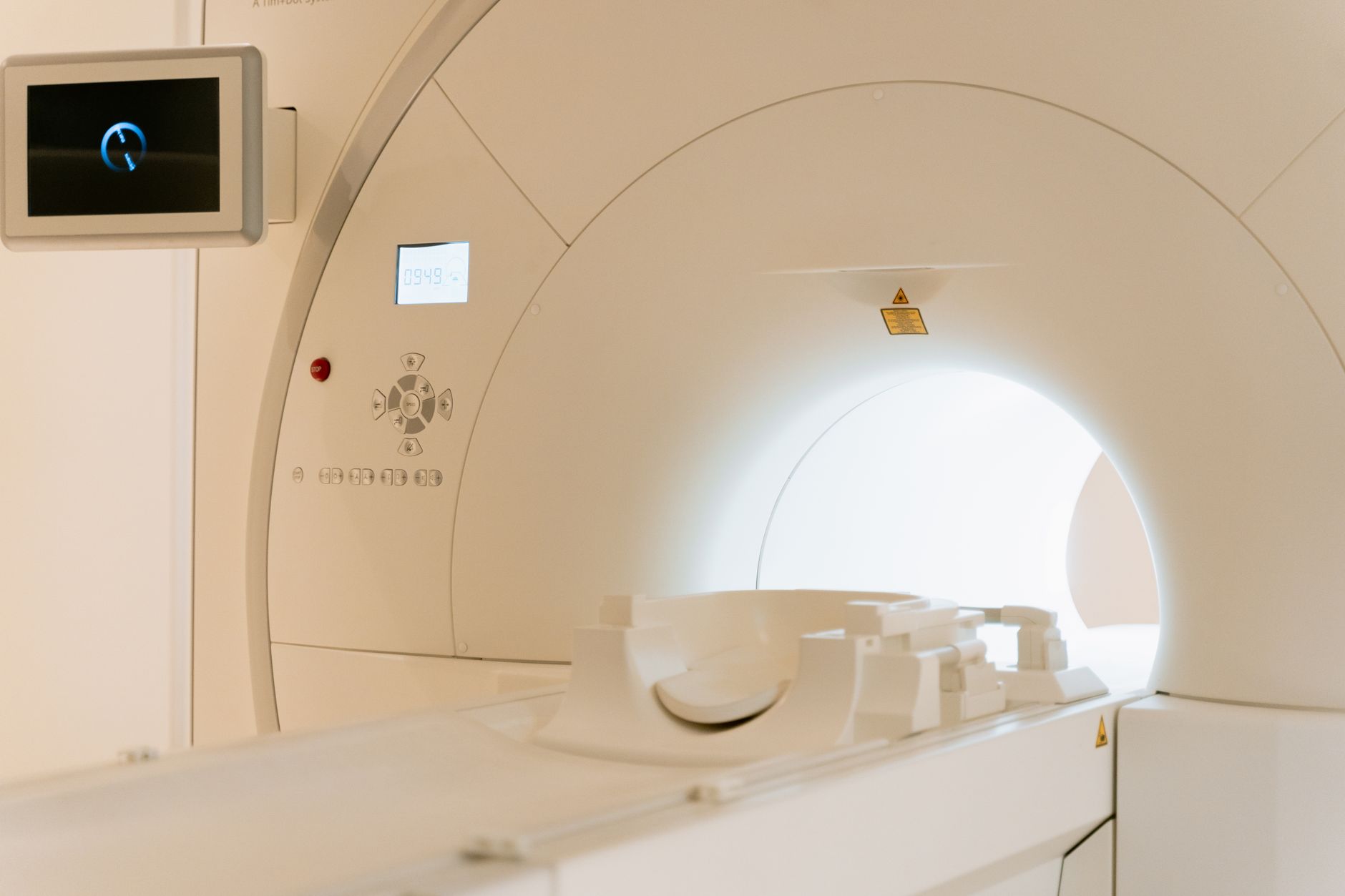
One of the primary barriers to screening is the fear of the procedure itself. However, medical experts clarify that a low-dose CT scan is significantly different from an MRI. Dr. Boffa noted that the scan only takes a few minutes to perform and does not involve an enclosed space, which makes it an accessible option even for patients who struggle with claustrophobia.
Managing the “Incidentaloma”
A major point of discussion for clinicians is the management of unexpected findings, often referred to in medical circles as “incidentalomas.” When a patient undergoes a scan to check for lung cancer, the technology is sensitive enough to pick up various other abnormalities.
According to Dr. Boffa, the vast majority of these findings are not life-threatening:
Because of this, doctors stress the importance of setting expectations before the scan occurs. The goal is to ensure patients understand that finding a nodule is not an automatic diagnosis of cancer, but rather a prompt for further clinical conversation.
What It Means for You
If you are considering lung cancer screening, your path will depend heavily on your personal health profile and history.
For high-risk smokers: If you are between the ages of 50 and 80 and have a history of at least 20 pack-years, you should proactively schedule a consultation with your doctor to discuss annual low-dose CT scans. This is currently the most effective way to reduce your mortality risk.
For non-smokers: While there are currently no standardized screening guidelines for those who have never smoked, you should not assume you are exempt from risk. Dr. Boffa suggests that individuals with a direct family history of lung cancer or those in higher-risk demographics—specifically Asian women—should consider discussing annual screenings with their physicians.
For those experiencing symptoms: While screening is intended for asymptomatic individuals, you should seek immediate medical attention if you experience a persistent cough, shortness of breath, coughing up blood, unexplained weight loss, or neurological symptoms like persistent headaches. Dr. Lary Robinson, an oncologist at Moffitt Cancer Center, emphasizes that while early-stage cancer is often silent, these symptoms warrant professional evaluation.
Counterpoints and Risks
Despite the clear benefits, the expansion of lung cancer screening is not without controversy or risk. Some medical professionals raise concerns regarding over-diagnosis. Because low-dose CT scans are so sensitive, they may detect very small, slow-growing nodules that might never have caused harm during a patient’s lifetime. Subjecting these patients to biopsies or surgeries could lead to unnecessary physical complications and psychological distress.
Furthermore, the anxiety caused by “incidentalomas” cannot be overlooked. As Dr. Boffa noted, the reality of finding something unexpected—even if it is benign—can be a significant emotional burden for patients. There is a delicate balance between the benefit of early detection and the potential for medical over-treatment and patient anxiety.
What Happens Next
The landscape of lung cancer detection is expected to shift rapidly over the next few years. Dr. Boffa anticipates two major developments:
Frequently Asked Questions
What are the most common symptoms of lung cancer?
While early-stage lung cancer is frequently asymptomatic, common symptoms include a persistent cough, shortness of breath, or coughing up blood. Other indicators can include unexplained weight loss and neurological issues like persistent headaches. However, because the disease can grow silently, doctors emphasize that the absence of symptoms does not guarantee the absence of cancer.
Do I need a CT scan if I have never smoked?
There are currently no official, standardized screening guidelines for people who have never smoked. However, medical experts suggest that if you have a direct family history of lung cancer or belong to high-risk demographics, such as Asian women, you should consult your doctor about the possibility of annual screenings.
Is a lung cancer CT scan painful or claustrophobic?
No. Unlike an MRI, which requires you to lie inside an enclosed tube, a low-dose CT scan is a brief procedure that does not take place in a confined space. Dr. Boffa noted that most patients who suffer from claustrophobia do not have difficulty with this specific type of screening.
What if the scan finds a nodule? Does that mean I have cancer?
Not necessarily. In fact, the vast majority of nodules are not cancerous. Dr. Boffa stated that over 99% of detected nodules are benign, often representing simple inflammation, scarring, or previous infections. Finding a nodule usually leads to a follow-up conversation with your doctor to determine the next steps.
Lung cancer screening remains a powerful, life-saving tool that is continuously being refined by medical science
References
Featured image: Image via FOX 2 Detroit


One thought on “Lung Cancer Screening Explained: Why Early Detection Matters”