In a significant diplomatic move, the United Kingdom has definitively rejected joining a proposed United States military blockade of Iranian ports in the strategically vital Strait of Hormuz. Prime Minister Sir Keir Starmer confirmed British forces will not enforce the US initiative, opting instead for a path of de-escalation and international cooperation. This pivotal decision underscores the UK’s commitment to upholding freedom of navigation and stabilizing global energy markets amidst heightened tensions in the Middle East.
The UK’s stance stands in stark contrast to assertions made by US President Donald Trump, who had suggested other nations, including the UK, would participate. This divergence highlights a deepening transatlantic divide on the approach to Iran, with London prioritizing multilateral efforts over unilateral military enforcement. The ripple effects of this geopolitical decision are already being felt across global economies and energy sectors.
UK’s Firm Stance: Not Joining the US Blockade
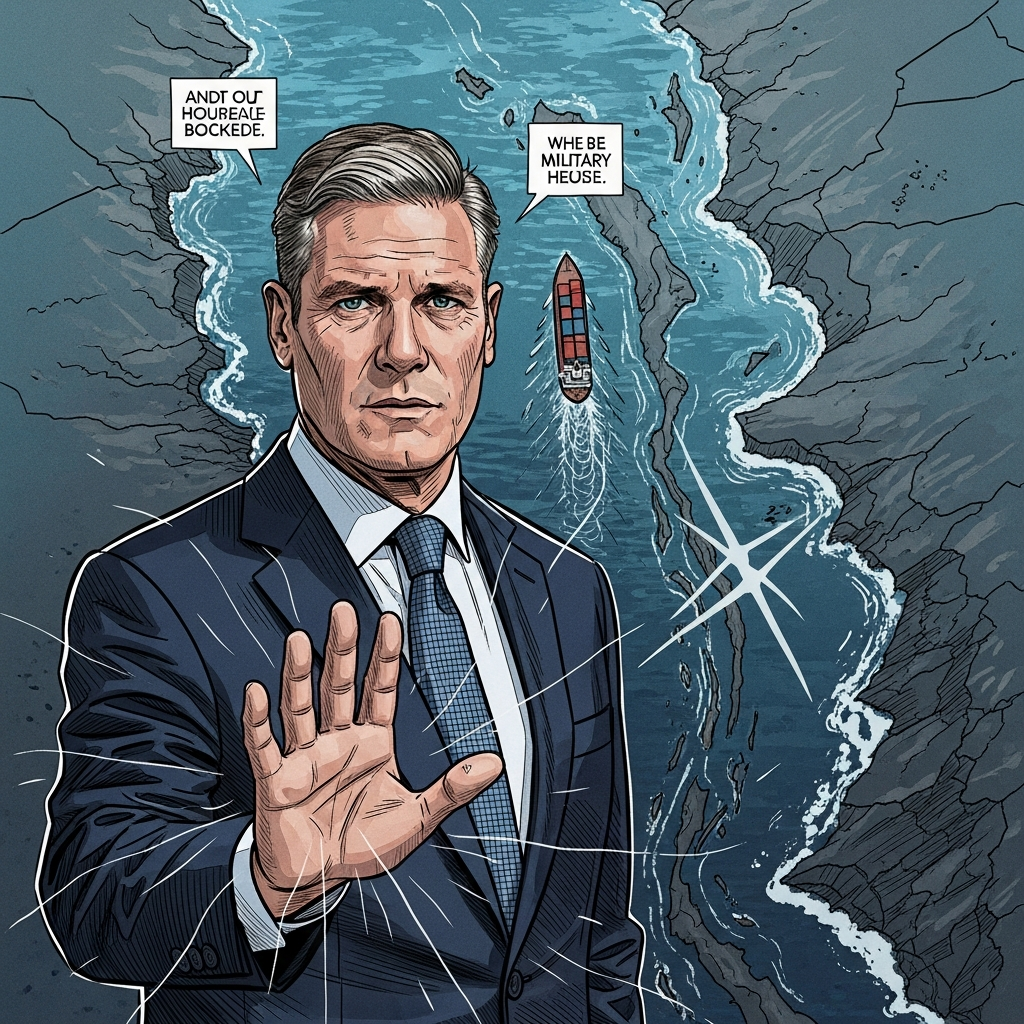
Prime Minister Sir Keir Starmer has made it unequivocally clear that the UK will not deploy British naval ships or soldiers to enforce the American military blockade of Iranian ports. While British forces will not join the US effort, UK minesweepers and anti-drone capabilities will continue their existing operations in the region. This maintains a British presence for maritime security without direct involvement in a blockade operation.
A spokesperson for the UK government articulated the nation’s core principle: “We continue to support freedom of navigation and the opening of the Strait of Hormuz, which is urgently needed to support the global economy and the cost of living back home.” This statement underscores the economic rationale behind the UK’s position, linking regional stability directly to domestic prosperity. Sir Keir has consistently ruled out direct UK military engagement in the escalating Middle East conflict. Australia has also confirmed it has not received a request to join the blockade, with Prime Minister Anthony Albanese highlighting the “unilateral way” the US decision was made.
Prioritizing Diplomacy and Maritime Freedom
The UK’s strategy focuses on diplomatic channels and coalition-building rather than military confrontation. Sir Keir Starmer recently held discussions with French President Emmanuel Macron, emphasizing the urgent need to “work with a wide coalition of partners to protect freedom of navigation” in the Strait. A UK government spokesperson confirmed active efforts with France and other allies to form this broad coalition, aiming for collaborative solutions.
Furthermore, the UK government has strongly condemned reports of Iran demanding $2 million (£1.5 million) in transit fees for tankers passing through the Strait. Official statements declare that ships traversing the Strait of Hormuz “must not be subject to tolling,” upholding the international principle of free passage through critical maritime chokepoints.
The US Blockade Announcement: Context and Implications
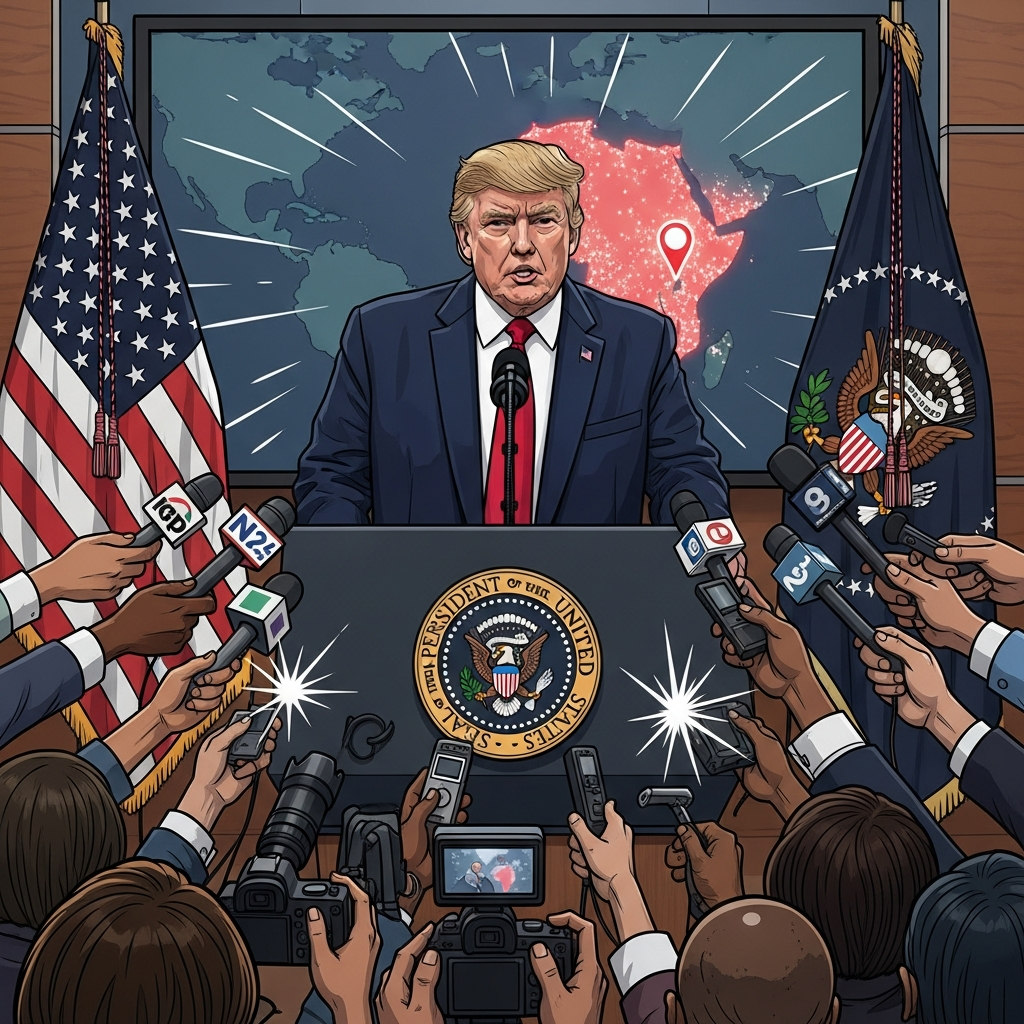
President Trump announced the US blockade after crucial peace negotiations between American and Iranian representatives in Pakistan’s capital, Islamabad, failed to secure a lasting agreement. A key sticking point in these talks was reportedly the “NUCLEAR” issue, which remained unresolved. Following the breakdown, Trump declared on social media that the US would begin “BLOCKADING any and all Ships trying to enter, or leave, the Strait of Hormuz.” He accused Iran of “WORLD EXTORTION” and vowed that US forces would interdict vessels, even in international waters, that paid tolls to Iran. Trump also suggested US forces would commence clearing mines he alleged Iran had placed.
Understanding the Proposed Blockade
US Central Command (Centcom) later clarified the scope of the proposed blockade, stating its forces would enforce it “impartially” on vessels heading to or from Iranian ports, including those in the Arabian Gulf and Gulf of Oman. Significantly, Centcom also confirmed that transit to and from non-Iranian ports would not be impeded. Formal notices were promised to commercial mariners before the blockade’s commencement.
Experts suggest that a naval blockade of this nature would likely involve threats to divert vessels, rather than the use of missiles which risk environmental catastrophe. If threats proved ineffective, armed boarding parties would be deployed to take physical control of ships. However, former Pentagon official Dana Stroul highlighted the significant practical difficulties and potential unsustainability of such a mission if executed unilaterally over an extended period. The Iranian Revolutionary Guard Corps (IRGC) has warned that any warships attempting to enforce a blockade would be considered a violation of the current ceasefire and would face a strong response, reiterating that the Strait remains under Iranian control.
Global Economic Repercussions and Energy Security
The Strait of Hormuz is an unparalleled maritime chokepoint, facilitating the passage of approximately one-fifth of global oil and liquefied natural gas (LNG) shipments. This makes its stability critically important to the world economy. Since US-Israeli strikes began on February 28, Iran has effectively restricted access to the waterway, leading to significant disruptions in global trade flows.
Surging Oil Prices and Iran’s Toll Demands
The announcement of the US blockade immediately triggered an intense reaction in global energy markets. Benchmark Brent crude oil prices surged above $US100 a barrel, reflecting acute concerns over supply disruptions. US crude prices also saw an 8% increase, reaching $104.24 a barrel. This sharp increase underscores the Strait’s indispensable role in global energy supply and its direct impact on consumer costs worldwide.
Iran, in response to the pressure and as a means of leverage, reportedly started demanding $2 million (£1.5 million) in transit fees for tankers passing through the Strait. This move, widely rejected by international partners including the UK, is seen as a direct challenge to the principle of freedom of navigation and an attempt to profit from its strategic control over the waterway. This complex situation presents a paradox: while the US aims to “clean out” the Strait to restore free trade, its unilateral blockade announcement has, at least initially, further tightened markets and driven prices higher, inadvertently strengthening Iran’s leverage.
A Coalition for Navigation: UK’s Alternative Approach
The UK’s approach to the escalating tensions in the Middle East is firmly rooted in diplomacy and the formation of a wide international coalition. Instead of military intervention in the Iran blockade, Prime Minister Starmer has consistently called for the Strait to be reopened. He sees this as essential to alleviate the surging oil prices exacerbated by Iran’s embargo and the wider conflict.
Beyond engaging with France, Sir Keir has recently visited four Gulf countries. These diplomatic efforts aim to secure and strengthen relations with key allies in the region, fostering a collaborative environment for de-escalation. Further demonstrating the UK’s commitment to diplomatic and economic solutions, Chancellor Rachel Reeves plans to attend the International Monetary Fund (IMF) meeting in Washington. There, she will advocate for the urgent re-opening of the Hormuz shipping channel, reinforcing the UK’s focus on economic stability over military confrontation.
International Calls for De-escalation
Across the international community, there is a prevailing call for de-escalation. Sir Keir Starmer has urged both the US and Iran to “find a way through” the current impasse following the faltering peace talks. Similarly, Australian Prime Minister Albanese has pressed Washington and Tehran to resume negotiations, emphasizing the severe global consequences of the ongoing conflict and the imperative for trade to resume. Mediators, including Oman’s Foreign Minister Badr Albusaidi, have advocated for extending the ceasefire and continuing diplomatic efforts, highlighting that the “pain of failure and war” far outweighs any concessions. This collective sentiment underscores the global desire for a peaceful resolution that safeguards vital trade routes and averts a broader regional conflict.
Frequently Asked Questions
What makes the Strait of Hormuz so critical to global energy supply?
The Strait of Hormuz is one of the world’s most vital maritime chokepoints, through which approximately one-fifth of global crude oil and liquefied natural gas (LNG) shipments pass daily. Its strategic location, connecting the Persian Gulf to the open ocean, means that any disruption or closure can severely impact international energy markets, leading to significant price surges and global economic instability. The flow of energy resources through this narrow waterway is essential for economies worldwide.
What specific actions is the UK taking to address the Strait of Hormuz situation?
Instead of joining the US blockade, the UK is prioritizing diplomatic solutions and international cooperation. Prime Minister Sir Keir Starmer is actively working with France and other partners to form a “wide coalition” dedicated to protecting freedom of navigation. The UK government is also advocating for the urgent re-opening of the Strait and has rejected Iran’s reported demands for transit fees. Additionally, Chancellor Rachel Reeves plans to address the issue at the International Monetary Fund (IMF) meeting in Washington to promote diplomatic resolution.
How has the recent blockade announcement affected international oil prices?
The announcement of the proposed US blockade, coupled with Iran’s effective closure of the Strait since February 28, has led to a significant increase in international oil prices. Global benchmark Brent crude oil surged above $US100 a barrel, and US crude prices rose by 8% to $104.24 a barrel. This immediate market reaction reflects deep concerns among traders and analysts about potential supply disruptions and the escalating geopolitical risks in a region critical to global energy stability.
Conclusion: Navigating a Volatile Geopolitical Landscape
The United Kingdom’s clear refusal to participate in the US-led blockade of Iranian ports marks a critical juncture in the ongoing geopolitical tensions surrounding the Strait of Hormuz. By prioritizing diplomatic engagement, coalition-building, and the principle of freedom of navigation, the UK seeks to de-escalate the conflict and protect the global economy from further shocks. The contrasting approaches by major Western allies highlight the complex challenges of managing international relations in a volatile Middle East. As global oil prices remain elevated and diplomatic efforts continue, the international community watches closely for a resolution that can restore stability to this indispensable maritime artery and avert a broader conflict.