Historic and fragile peace negotiations between the United States and Iran are underway in Islamabad, Pakistan. These crucial discussions aim to de-escalate a devastating six-week Middle East conflict. However, the path to a lasting peace is fraught with peril. A primary stumbling block has emerged: the scope of a recently brokered ceasefire. While the US and Israel maintain that Lebanon falls outside the agreement, Iran and key mediator Pakistan insist its inclusion is paramount. This deep divergence threatens to derail the most significant diplomatic push between Washington and Tehran since 2018.
Islamabad Hosts High-Stakes Diplomacy
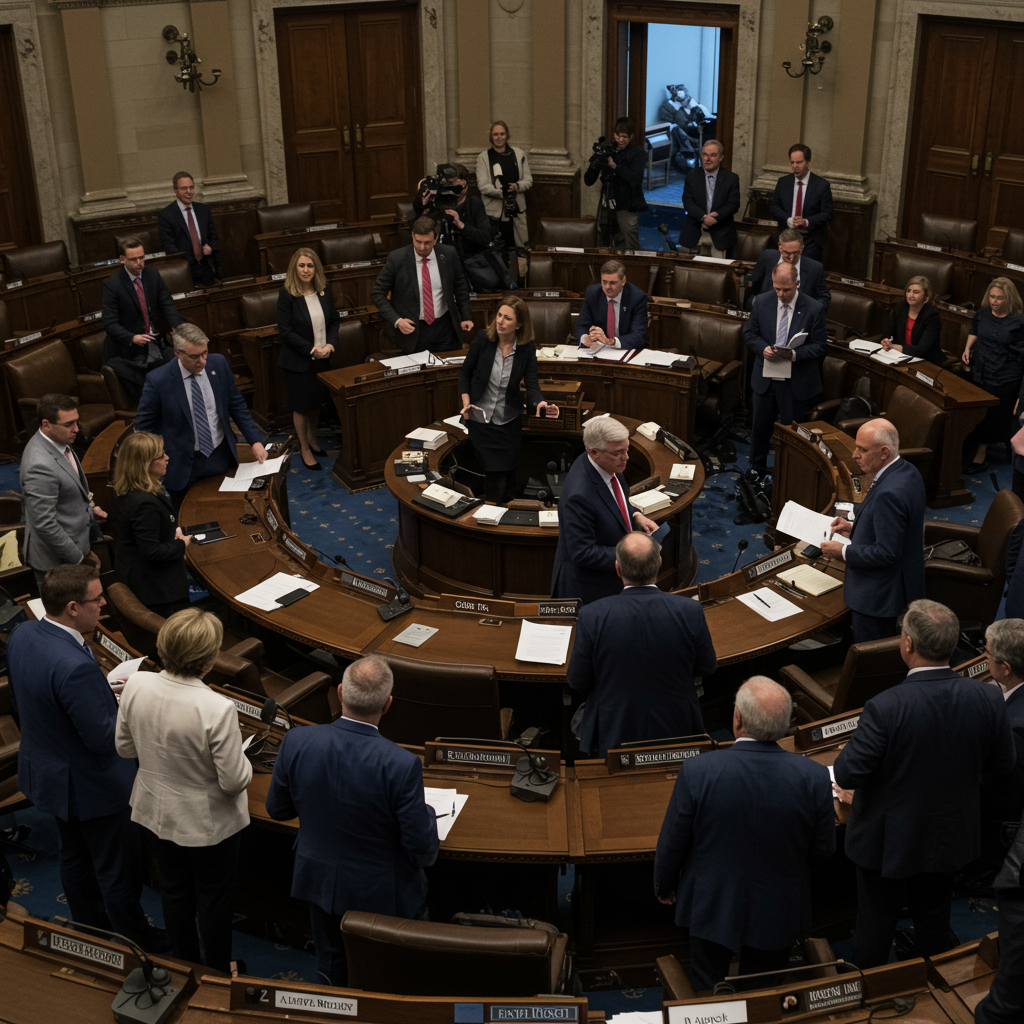
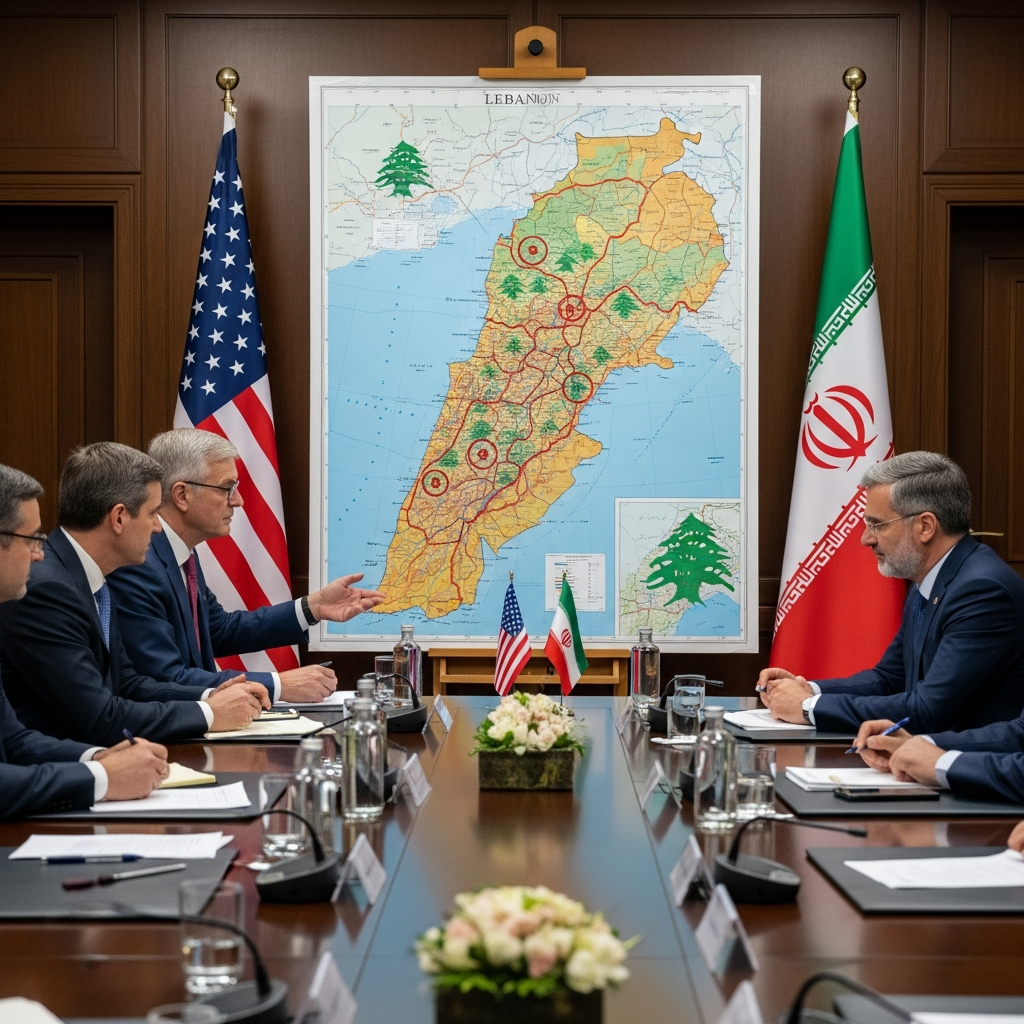
Islamabad has transformed into the epicenter of high-stakes international diplomacy. The city is under stringent security measures, with army and paramilitary forces deployed. Streets are eerily empty, and public holidays were declared. This intense environment reflects the gravity of the talks. The US delegation, led by Vice President JD Vance, includes President Donald Trump’s son-in-law Jared Kushner and Special Envoy Steve Witkoff. For Iran, Parliament Speaker Mohammad Bagher Ghalibaf and Foreign Minister Abbas Araghchi lead the charge. These are the highest-level face-to-face discussions between the two nations since the 1979 Islamic Revolution. Both delegations received a formal welcome from Pakistan’s Foreign Minister Ishaq Dar and military chief Asim Munir. The luxurious Serena Hotel, secured extensively, is a likely venue for these sensitive proceedings, though other secure military facilities are also prepared.
Pakistan’s Pivotal Role as Mediator
Pakistan has emerged as an indispensable mediator in this escalating crisis. The nation successfully brokered a fragile two-week ceasefire preceding these talks. Pakistani officials facilitated discreet communication through a “very small circle” of negotiators. This diplomatic achievement has garnered national pride for Pakistan, even prompting a two-day holiday and digital billboards celebrating “ISLAMABAD TALKS.” Pakistan’s Minister for Planning and Development, Ahsan Iqbal, stresses the need for a “package ceasefire.” He hopes Israel “will not act as a spoiler for this historic opportunity.” Pakistan views its role as vital, hoping to prevent a “nightmare scenario” where it could be drawn into conflict with its neighbor Iran. Its credibility stems from a 900km shared border with Iran, hosting the world’s second-largest Shia Muslim population, and not housing US military bases.
The Contentious Question of Lebanon
The most significant point of contention revolves around Lebanon. Despite the broader US-Iran ceasefire announced on April 7, fighting has continued between Israel and Hezbollah in Lebanon. Just a day later, Israel launched a massive aerial attack on Lebanon, killing at least 303 people. This drew international condemnation for allegedly violating the spirit of the ceasefire.
Differing Interpretations of the Truce
US and Israeli officials firmly state that Lebanon is not part of the current ceasefire agreement. Israeli Prime Minister Benjamin Netanyahu asserted, “no ceasefire in Lebanon.” Conversely, Iran and Pakistan strongly maintain that a comprehensive ceasefire must include Lebanon. Iranian Foreign Minister Araghchi warned Tehran could abandon the ceasefire if Israeli strikes continue. He cited Pakistani Prime Minister Sharif’s understanding that the truce included a pause in regional attacks. This fundamental disagreement has transformed Lebanon into a critical fault line for the entire diplomatic process. Analysts like former Pakistani ambassador Masood Khalid view Israel’s actions as a deliberate “spoiler.” He believes they aim to undermine the talks and prevent any meaningful progress.
Beyond Lebanon: Other Sticking Points
While Lebanon dominates immediate concerns, other significant issues loom large for these crucial negotiations. These long-standing strategic disputes underscore the complexity of achieving lasting peace.
Economic Sanctions and Strait of Hormuz
Iran has clearly signaled that a key demand is the lifting of all economic sanctions. These sanctions have severely impacted its economy. Reports suggest Iran’s economy is in a worse state than before the conflict began. US and Israeli attacks on major industries, coupled with a government-imposed internet outage, have further crippled businesses. Another critical point is Iran’s control over the Strait of Hormuz. This vital waterway typically sees 20 percent of global oil and gas pass through it. The conflict has led to its closure, triggering the worst energy crisis in history and soaring global energy prices. Ensuring the strait’s security is paramount for both regional and global economic stability.
Iran’s Nuclear Program
Iran’s stockpile of enriched uranium also remains a significant point of negotiation. The US continues to insist on Iran surrendering its enriched uranium, a demand Iran has not officially accepted. These nuclear concerns were central to the previous deal that the US pulled out of in 2018. The current talks represent a renewed effort to address this sensitive issue.
High Stakes and Deep-Seated Distrust
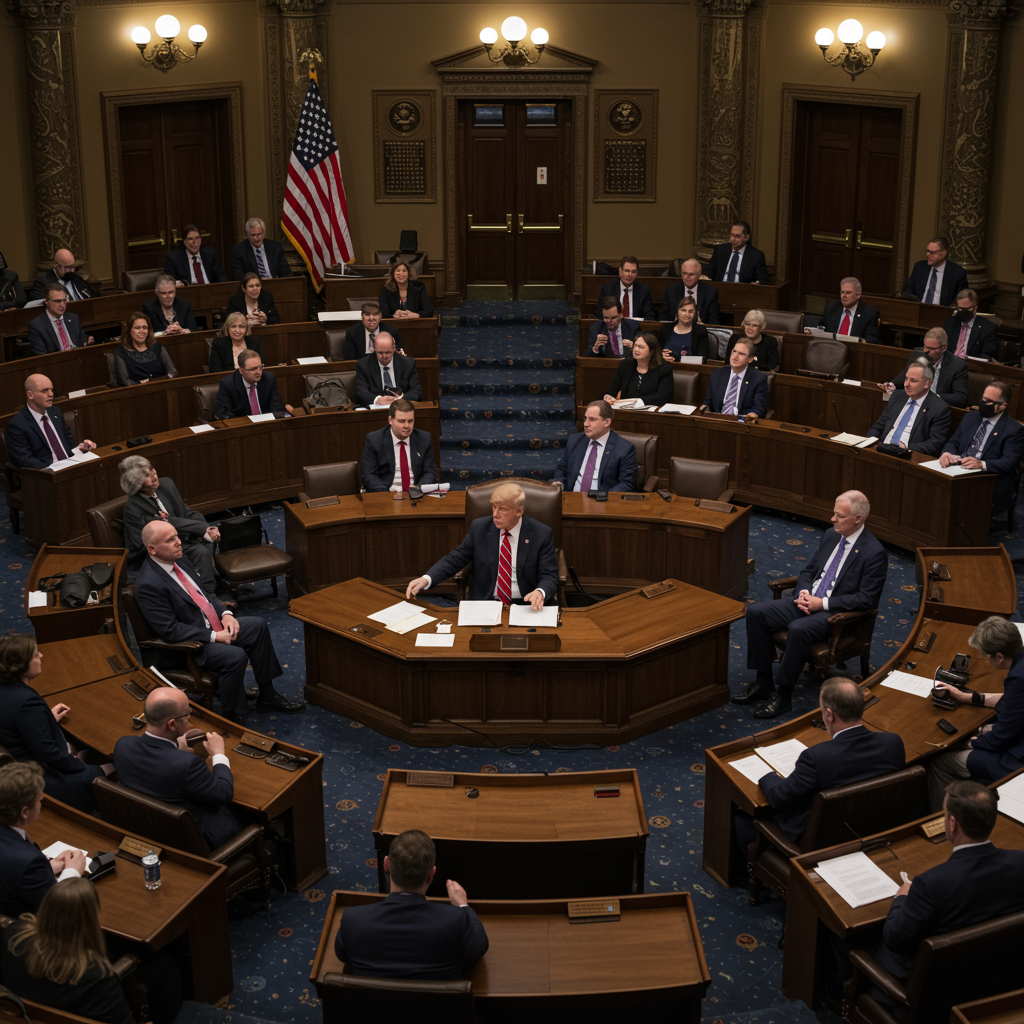
Both sides approach these talks with a fragile mix of cautious optimism and profound distrust. US Vice President Vance expressed a willingness to extend an “open hand” if Iran negotiates in “good faith.” However, he also warned against attempts to “play us.” President Trump humorously, but tellingly, suggested he would blame Vance if the talks failed. He added that he would take full credit if they succeeded. This underscores the immense political stakes for Vance. On the Iranian side, Parliament Speaker Ghalibaf stated, “We have good intentions but we do not trust.” He cited a history of “failure and broken promises” in past negotiations with Americans.
Challenges and Cautious Optimism
Analysts remain cautiously optimistic, acknowledging a final settlement is unlikely in the short term. Sahar Khan, an independent analyst, highlights that “lack of trust is the biggest obstacle.” Both sides are presenting maximalist demands. Dania Thafer of the Gulf International Forum points to a structural challenge: Israel’s absence from the talks. Despite being a key party to the war, Israel’s non-participation could undermine any agreement. Former ambassador Masood Khalid suggests that a “modicum of agreement” on the nuclear issue and a multilateral understanding to reopen the Strait of Hormuz might be achievable. Both sides appear fatigued by hostilities. The UN Secretary-General António Guterres has welcomed the talks, urging engagement in “good faith” to achieve a lasting and comprehensive agreement. The immediate goal, Khan believes, is to build trust. If the US can “tame Israel” and halt its attacks on Lebanon during these talks, it would be a significant step forward.
Frequently Asked Questions
What is the primary obstacle to a comprehensive ceasefire at the US-Iran peace talks?
The most significant hurdle is the dispute over Lebanon’s inclusion in the ceasefire. Pakistan and Iran insist that the truce must encompass a halt to all military actions, including Israeli strikes in Lebanon. Conversely, the US and Israel firmly state that their agreement with Iran does not cover Lebanon. This fundamental disagreement has led to continued fighting between Israel and Hezbollah, risking the entire diplomatic process. Iran has explicitly stated that progress in talks is contingent on an immediate cessation of Israeli military operations in Lebanon.
Who are the high-level delegates attending the US-Iran talks in Islamabad?
The US delegation is led by Vice President JD Vance, accompanied by President Donald Trump’s son-in-law Jared Kushner and Special Envoy Steve Witkoff. Representing Iran are Parliament Speaker Mohammad Bagher Ghalibaf and Foreign Minister Abbas Araghchi. Both delegations were formally greeted by Pakistan’s Foreign Minister Ishaq Dar and military chief Asim Munir, highlighting the high profile of these crucial peace discussions.
How could the resolution of the Strait of Hormuz issue impact global oil prices?
A positive resolution regarding the Strait of Hormuz is crucial for global energy markets. This vital waterway, through which approximately 20% of the world’s oil and gas passes, was closed during the recent conflict, leading to the worst energy crisis in history and soaring prices. If the US-Iran talks can secure an agreement to reopen the Strait and ensure its stability, it would significantly ease global supply concerns. This could potentially lead to a stabilization or even reduction in global oil and gas prices, offering considerable relief to economies worldwide.
A Precarious Path Forward
The US-Iran peace talks in Islamabad represent a critical juncture for the Middle East and global stability. While Pakistan’s mediation has been instrumental in bringing both sides to the table, the deep-seated distrust and the contentious issue of Lebanon cast a long shadow. Achieving a comprehensive peace remains a distant goal. However, any “modicum of agreement” on issues like the nuclear program and the Strait of Hormuz could pave the way for de-escalation. The world watches anxiously as these crucial conversations unfold, hoping diplomacy can prevail over continued conflict.