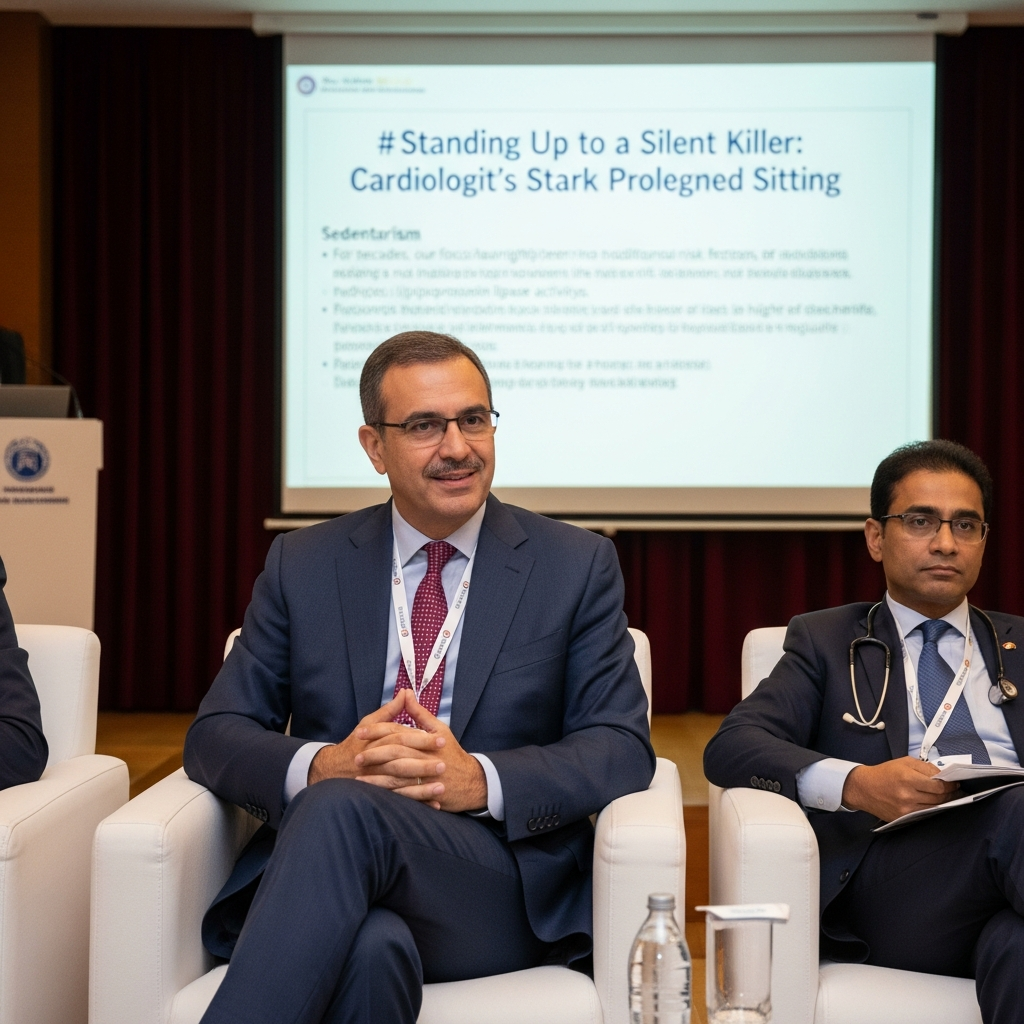
Are you unknowingly engaging in a daily habit that silently doubles your heart attack risk? A leading California-based cardiologist, Dr. Sanjay Bhojraj, is sounding the alarm on a modern epidemic most people ignore: prolonged sitting. With over two decades of experience, Dr. Bhojraj identifies this pervasive lack of movement as a primary driver of heart disease in his clinical practice, often overshadowed by more commonly discussed risk factors like diet or smoking. This article unpacks his urgent warning and provides actionable steps to safeguard your cardiovascular health.
The Alarming Truth: A Cardiologist’s Stark Warning
The human body is designed for movement, yet modern life often dictates long periods of stillness. Dr. Sanjay Bhojraj, a respected California-based specialist in cardiovascular medicine, recently highlighted a habit many consider harmless: staying still for extended periods. He describes this as a “silent killer” that significantly elevates the danger of life-threatening cardiac events. His insights are echoed by other prominent experts, including Dr. Dmitry Yaranov, a Memphis heart transplant cardiologist, who starkly declares, “sitting is the new smoking” when it comes to cardiovascular health.
The Silent Epidemic: Why Prolonged Sitting is a Major Threat
Dr. Bhojraj’s observations stem from over 20 years of clinical practice. He notes that while patients are often concerned about diet or genetics, “the one habit that shows up every time: people don’t move enough.” This isn’t just an anecdote; global health data strongly supports this claim. The World Health Organization (WHO) identified physical inactivity as a leading risk factor for mortality from non-communicable diseases in its 2024 fact sheet. Adults who fall short of recommended activity levels face a 20 to 30 percent increased risk of death.
Unpacking the Science: How Inactivity Damages Your Heart
So, how exactly does sitting for hours harm your heart? Medical experts explain that prolonged sitting initiates a ‘metabolic slowdown.’ This crucial process impairs the body’s ability to function optimally.
Here’s a breakdown of the physiological mechanisms:
Slowed Circulation: Extended stillness reduces blood flow, hindering the efficient delivery of oxygen and nutrients.
Elevated Blood Sugar: Inactivity impacts how your body processes glucose, leading to higher blood sugar levels. This increases the risk of type 2 diabetes, a significant heart disease prevention challenge.
Increased Clot Risk: Sluggish blood flow heightens the likelihood of blood clot formation, which can directly contribute to heart attacks and strokes.
Decreased Fat-Burning Enzymes: When the body remains stationary, enzymes responsible for breaking down fats in the blood decrease. This can lead to higher cholesterol levels.
Inflammation and Hypertension: Inactivity is linked to increased inflammation throughout the body and a higher risk of hypertension (high blood pressure). Both are “gateway” conditions for cardiovascular failure.
These factors combine to significantly escalate your heart attack risk. The economic burden is also substantial, with a 2022 study cited by the WHO attributing approximately $27 billion in annual direct healthcare costs globally to type 2 diabetes and heart disease caused by physical inactivity.
Beyond Sitting: Other Everyday Habits Quietly Harming Your Heart
While prolonged sitting is a major concern, Dr. Dmitry Yaranov warns of several other common, seemingly minor daily habits that quietly accumulate damage to your heart, energy, and overall resilience. Addressing these “little compromises” now is vital for long-term cardiovascular health.
The Crucial Role of Sleep
Often seen as a luxury, adequate sleep is, in fact, non-negotiable for heart health. Dr. Yaranov emphasizes that insufficient rest contributes to:
Higher Blood Pressure: A significant risk factor for heart attack, stroke, and kidney disease.
Weight Gain: Disrupts hormones that regulate appetite.
Persistent Burnout: Diminishes overall physical and mental resilience.
A recent American Heart Association study confirms that teenagers with inadequate sleep face an increased risk of high blood pressure, highlighting the long-term impact of sleep neglect.
Addressing Chronic Stress
In our fast-paced world, many people brush off stress as “just part of life.” However, Dr. Yaranov highlights that consistently ignoring or downplaying stress is a significant red flag for your heart. Chronic stress manifests internally through physical symptoms such as:
Chest tightness
Gut issues
Insomnia
Sudden panic attacks
A 2022 study confirms that prolonged, severe stress elevates the risk of cardiovascular disease. Unaddressed stress leads to elevated cortisol levels and inflammation, progressively damaging blood vessels over time.
Re-evaluating Your Diet
The convenience of fast food and takeout can be detrimental to your heart. Dr. Yaranov points out that habits like skipping breakfast, relying on drive-thru lunches, and consuming sugary dinners force the heart to work overtime. These patterns cause wild fluctuations in blood sugar, ultimately leading to poor heart health and metabolic imbalances. Dr. Andrew Freeman, a board-certified cardiologist at National Jewish Health, advocates for a predominantly plant-based diet, rich in fruits, vegetables, beans, nuts, and whole grains, as the most effective defense against cardiovascular disease.
The Hidden Cost of Overcommitment
Dr. Yaranov also emphasizes the importance of setting boundaries. Constantly saying ‘yes’ when you truly need to say ‘no’ leads to emotional overextension and chronic fatigue. This emotional strain adds considerable stress to your cardiovascular system. He encourages introspection: “You’re doing everything for everyone else—but when’s the last time you checked in with yourself?”
Your Proactive Blueprint: Simple Steps for Robust Heart Health
Mitigating these risks doesn’t require drastic overhauls; instead, it calls for consistent, small adjustments. Dr. Bhojraj, Dr. Yaranov, and Dr. Freeman all agree: heart disease prevention is about proactive lifestyle choices.
Integrating Movement into Your Day
Stand Up Regularly: Dr. Bhojraj’s advice is simple: “Stand up every 30–60 minutes. Walk. Do a few squats. Move your body daily. It’s truly that simple.”
Mini-Breaks: Use a standing desk, walk during phone calls, take the stairs instead of the elevator. Even small bursts of movement improve circulation and regulate blood sugar.
Consistent Exercise: Dr. Freeman suggests starting with 20 to 30 minutes of physical activity daily, ideally in the morning to ensure it gets done. He stresses making it an ingrained routine. Don’t worry about perfection; “get back on” track after any lapse.
Embracing a Heart-Healthy Lifestyle
Prioritize Sleep: Aim for consistent, quality sleep to regulate blood pressure and support overall bodily function.
Manage Stress Effectively: Implement stress-reduction techniques. This could include mindfulness, deep breathing, or setting clear boundaries.
Mindful Eating: Focus on balanced, nutritious meals. The American Heart Association advises a plant-centered eating plan, emphasizing that it doesn’t necessarily mean strict veganism but rather a diet rich in whole foods.
- Set Boundaries: Learn to say ‘no’ to protect your energy and reduce emotional strain. This self-care is foundational to long-term health.
- www.hindustantimes.com
- www.timesnownews.com
- timesofindia.indiatimes.com
- www.today.com
- m.economictimes.com
Expert Consensus: Prevention is Key
The message from top cardiologists is clear: “prevention is sexier than treatment.” Dr. Yaranov powerfully states, “Nothing’s cute about meds, procedures, or burning out in your 30s.” By making conscious choices today—addressing prolonged sitting, prioritizing sleep, managing stress, eating mindfully, and setting boundaries—you can significantly reduce your heart attack risk and enhance your overall well-being. These small, consistent changes are the most effective defense against cardiovascular disease.
Frequently Asked Questions
What specific physiological changes does prolonged sitting cause to increase heart attack risk?
Prolonged sitting triggers a ‘metabolic slowdown’ in the body. This leads to slowed blood circulation, elevated blood sugar levels, and an increased risk of blood clot formation. Additionally, it decreases the enzymes responsible for breaking down fats, potentially leading to higher cholesterol and increased inflammation. These cumulative effects significantly heighten the risk of cardiovascular disease and heart attacks.
How often should I take movement breaks, and what are some simple exercises to do at my desk?
Experts like Dr. Sanjay Bhojraj recommend standing up and moving every 30 to 60 minutes. Simple desk exercises include taking a short walk around your office or home, performing a few squats, or doing light stretches like neck rolls, shoulder shrugs, and leg extensions while seated. Using a standing desk, walking during phone calls, and opting for stairs are also effective ways to integrate more movement throughout your day and reduce heart attack risk.
Besides inactivity, what other common daily habits contribute to long-term heart damage?
Beyond prolonged sitting, other daily habits that quietly damage your heart include neglecting sleep, consistently ignoring stress, maintaining unhealthy and inconsistent eating patterns, and always saying ‘yes’ while neglecting personal boundaries. These factors can lead to elevated blood pressure, hormonal imbalances, inflammation, fluctuating blood sugar levels, and chronic stress, all of which significantly contribute to long-term cardiovascular disease.
Conclusion: Protecting Your Heart, One Habit at a Time
The warnings from leading cardiologists are a potent reminder that our daily habits profoundly impact our heart health. The “silent epidemic” of prolonged sitting, alongside other often-overlooked lifestyle choices, poses a significant and preventable heart attack risk. By understanding the science behind these dangers and actively integrating simple, consistent movements, prioritizing sleep, managing stress, embracing a heart-healthy diet, and setting personal boundaries, you empower yourself to build a robust defense against cardiovascular disease. Start today—your heart will thank you.