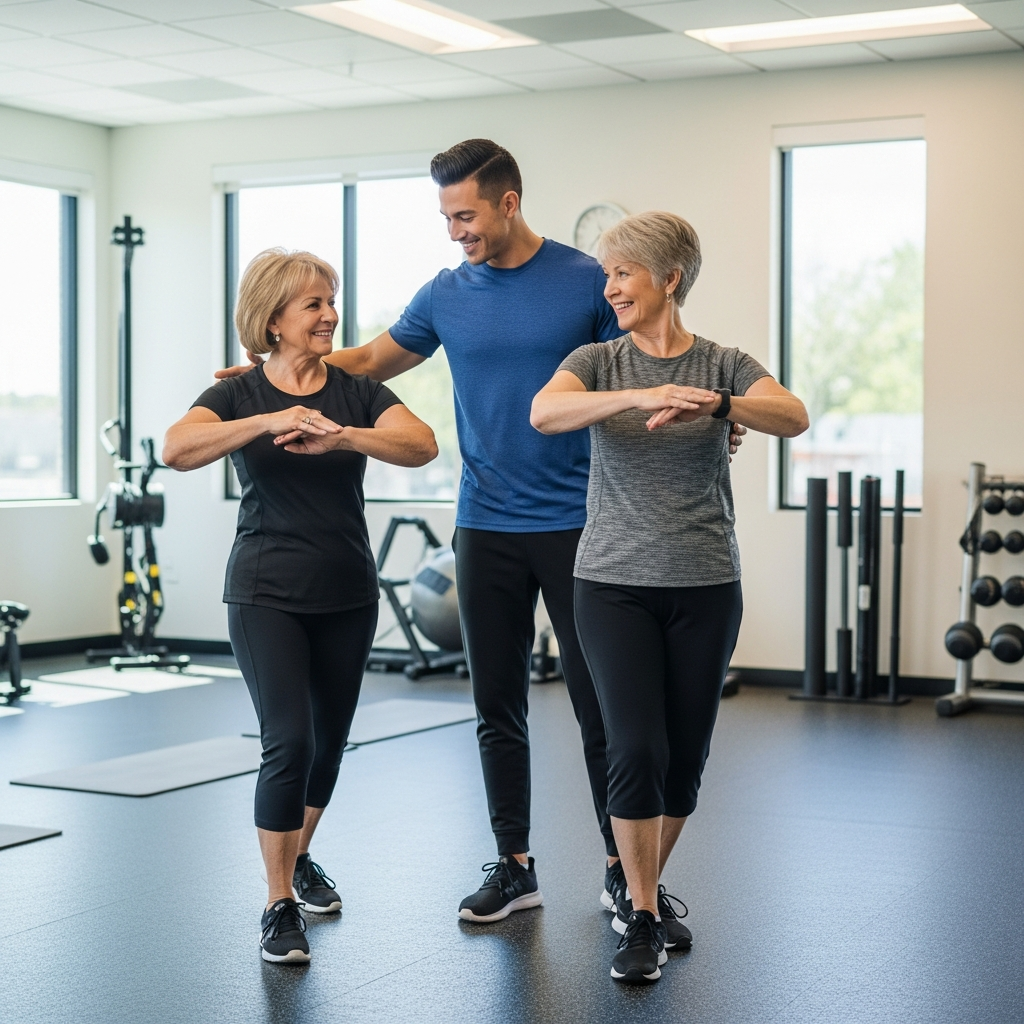
Feeling the creaks and stiffness associated with aging doesn’t have to be your new normal. Many believe that diminished mobility is an unavoidable part of getting older, but certified personal trainer Carter Lee of BetterMe challenges this notion. He emphasizes that consistent, gentle movement is the key to unlocking comfort and fluidity, especially for seniors seeking effective joint stiffness relief for seniors. This article delves into Lee’s proven 5-move mobility routine, designed to alleviate stiffness and enhance overall well-being after 60, complemented by expert insights for comprehensive joint care.
Embrace Movement: The Core of Joint Health
“Your joints need to move to feel good,” asserts Carter Lee, echoing a fundamental truth in musculoskeletal health. As we age, many experience morning stiffness or discomfort after periods of inactivity. This isn’t just an inconvenience; it can limit daily activities and reduce quality of life. Lee’s gentle mobility sequence directly counters this decline. It stimulates the production and circulation of synovial fluid, the natural lubricant within your joints, helping them glide more freely.
Physical therapist Michael Piccirillo from Banner Health reinforces this proactive stance, stating that early, consistent habits are crucial for preventing the loss of flexibility and function. Joints are the meeting points of two bones, enabling diverse movements. Over time, wear and tear, injury, or conditions like arthritis can cause pain and impaired movement. However, adopting specific habits, like Lee’s routine, can significantly reduce these risks.
Understanding Why Joints Stiffen
Beyond the natural aging process, several factors contribute to stiff joints. Cold weather, for instance, can exacerbate discomfort. Dr. Jordan Metzl, a sports medicine physician, notes that the body’s response to cold—like tensing muscles to conserve heat—can lead to soreness. Synovial fluid also thickens in colder temperatures, making joints feel stiffer.
Sedentary lifestyles play a major role. Chris Travis, a certified personal trainer, highlights that decreased movement causes muscles to adapt to shorter positions. This means joints receive less regular loading and lubrication. Prolonged sitting is specifically linked to back stiffness, underscoring the importance of regular movement. Lee’s routine is a simple yet powerful antidote to these common issues, targeting age-related joint pain through gentle, deliberate motion.
Carter Lee’s 5-Move Gentle Mobility Routine
This routine is designed to work from the spine outwards, gradually waking up the hips, shoulders, and ankles. Each exercise focuses on controlled, deliberate movement through a full range of motion, which is ideal for aging connective tissue. Spend 30-60 seconds on each stretch, allowing about five minutes for the entire sequence.
1. Wall-Supported Cat-Cow
This exercise is a perfect “wake-up call for the spine.”
Stand shoulder-width apart, knees slightly bent, with a wall behind you. Lean forward, placing hands on your thighs for support, and allow your backside to rest against the wall in a half-squat.
As you exhale, tuck your chin and round your spine towards the ceiling (cat). As you inhale, lift your chest, look up, and gently arch your lower back (cow). Focus on moving each vertebra slowly, melting away mid-back tightness.
2. Wall Scapular Circles
Improve posture and shoulder mobility with this move.
Stand facing a wall, an arm’s length away, palms flat against it at shoulder height. Keeping your arms straight, move your shoulders in a circular motion: up towards your ears, back away from the wall, down, then towards the wall. This targets crucial scapular muscles, often weakened by desk work.
3. Wall-Supported Standing Hip Opener
Enhance vital hip socket range of motion.
Face a wall with arms extended, palms against it for support. Lift your left knee to hip height, then rotate it out to the left. Reverse the movements back to the start. Repeat on the other side, keeping movements slow and controlled. This exercise improves external and internal hip rotation, making everyday tasks easier.
4. Cross-Legged Side Stretch
Release tension in your lateral muscles for better spinal flexibility.
Stand right-side to a wall. Place your right forearm vertically against the wall, elbow level with your shoulder. Cross your left leg over your right and stand tall. Reach your left arm up and overhead, leaning towards the wall until you feel a gentle stretch along your left side. This targets obliques and lats, relieving tension from prolonged sitting or standing.
5. Foot Rotation (Ankle Alphabets)
Strengthen ankle stabilizers crucial for balance and fall prevention.
While seated or holding onto a wall for support, lift one foot. Slowly rotate your foot in a circular motion in each direction. Alternatively, use your big toe to “draw” letters (A through M, then N through Z) in the air. Focus on achieving a full range of motion from the ankle, keeping your leg steady. This is a fun way to engage and strengthen the stabilizing muscles around the ankle.
Enhancing Joint Health: A Holistic Approach
Beyond specific movements, integrating a holistic approach can significantly boost your senior flexibility routine and overall joint well-being.
Prioritize Good Posture
Poor posture, especially from desk work, stresses muscles and joints in the neck, shoulders, back, hips, and knees. Sit straight with feet flat, monitors at eye level, and use lower back support. Set a timer every 10-15 minutes to prompt posture checks or short breaks.
Daily Stretching & Strengthening
Just 10 minutes of daily stretching can reduce stress and strain on joints. Focus on gentle, full-body stretches or target tight areas. Complement this with safe movement and strengthening exercises. Bodyweight exercises like sit-to-stands, leg raises, wall push-ups, and shoulder raises are excellent for supporting joints. Low-impact activities such as walking, swimming, or yoga are also highly recommended.
Distinguish Soreness from Pain
It’s vital to recognize the difference between normal muscle soreness (which resolves quickly) and sharp or lasting joint pain. If you experience pain, stop the activity and consult a healthcare professional. Proper exercise form is paramount to prevent injury.
Protect Joints in Daily Life
Good body mechanics extend to everyday tasks. When lifting, bend your knees and hips, not your back. Carry bags close to your body, distributing weight evenly. Wear supportive shoes and avoid locking your knees when standing.
Fuel Your Joints with Healthy Habits
Proper nutrition and hydration are critical. Adequate water keeps joints lubricated, preventing stiffness. An anti-inflammatory diet rich in fatty fish, leafy greens, berries, nuts, seeds, and olive oil provides essential nutrients for joint function and reduces inflammation. Limit processed foods and added sugars.
Complementary Mobility Techniques
To further enhance your joint stiffness relief for seniors, consider integrating self-myofascial release (SMR) with tools like a lacrosse ball. This technique applies pressure to muscles, reducing tension and improving joint range of motion. While SMR is a powerful complement to stretching, always consult a doctor or physical therapist before trying it, especially with existing injuries.
SMR can target specific tight areas around your hips, such as the TFL, piriformis, and hip flexors. Perform these moves for 15-30 seconds, three to four times a week, ideally as part of a warm-up or cool-down. Remember, “more pressure is not always better”; aim for tolerable pressure, akin to a deep massage, rather than aggressive pain.
Boosting Hip Mobility for Everyday Comfort
Beyond Carter Lee’s general routine, specific attention to hip mobility can significantly improve comfort, particularly for activities like sitting cross-legged. Pilates instructor Jill Drummond highlights that hip mobility is complex, involving synchronized movement across hips, knees, ankles, pelvis, and spine. Here are a few additional dynamic stretches to target this area:
Windshield Wiper: Gentle hip opening and spinal warm-up.
Butterfly Stretch: Lengthens inner thigh adductor muscles.
Mermaid Twist Z-Sit: Dynamically opens hips and lengthens obliques.
Runner’s Lunge: Stretches hip flexors and quadriceps.
- Happy Baby: A static stretch for deep hip and inner thigh release.
- www.fitandwell.com
- www.fitandwell.com
- www.bannerhealth.com
- www.outsideonline.com
- www.fitandwell.com
Incorporating these exercises can further boost your hip mobility exercises and contribute to overall flexibility.
Consistency is Key: How Often to Move
Carter Lee recommends performing his routine whenever your body feels tight. For many seniors, this could be daily, either first thing in the morning to gently “wake everything up,” or before bed when your body might already be more flexible. The overarching message is clear: consistency is the critical factor for improving and retaining greater mobility long-term. Making these gentle mobility exercises a regular part of your day is paramount for sustained relief from joint stiffness.
Expert Insights and Credibility
The advice presented here draws on the expertise of several professionals: Carter Lee (Certified Personal Trainer, BetterMe), Dr. Thanos Papavasiliou (Board-Certified Physical Therapist), Michael Piccirillo (Physical Therapist, Banner Health), Jill Drummond (Pilates Instructor, BODYBAR Pilates), Dr. Jordan Metzl (Sports Medicine Physician), and Chris Travis (Certified Personal Trainer). Their collective wisdom underscores the importance of proactive, consistent movement and a holistic approach to maintaining joint health and mobility well into senior years.
Frequently Asked Questions
What causes joint stiffness in seniors?
Joint stiffness in seniors results from a combination of factors. As we age, the production of synovial fluid, which lubricates joints, can decrease, leading to less smooth movement. Sedentary lifestyles, poor posture, and even cold weather can exacerbate stiffness by reducing muscle efficiency, causing muscles to tense, and thickening synovial fluid. Conditions like arthritis also contribute to pain and reduced range of motion. Consistent, gentle movement helps counteract these effects by keeping joints lubricated and muscles flexible.
Where can seniors find effective daily mobility exercises?
Seniors can find effective daily mobility exercises, such as Carter Lee’s 5-move routine detailed in this article. This routine specifically targets the spine, hips, shoulders, and ankles through gentle, controlled movements like the Wall-Supported Cat-Cow and Ankle Alphabets. Additionally, complementary techniques like self-myofascial release with a lacrosse ball or dedicated hip mobility exercises (e.g., Windshield Wiper, Butterfly Stretch) can be integrated. Many online resources and local fitness centers also offer specialized senior flexibility routine programs.
Should I stretch daily to prevent age-related joint issues?
Yes, daily stretching is highly recommended to prevent and alleviate age-related joint issues. Incorporating just 10 minutes of gentle, full-body stretching into your routine can significantly improve muscle flexibility, reduce stress on joints, and maintain range of motion. Consistent movement, like Carter Lee’s daily mobility routine, helps keep synovial fluid circulating, lubricating the joints. Daily practice, whether in the morning or before bed, is crucial for long-term improvements in mobility and for reducing age-related joint pain and stiffness.
Conclusion
Overcoming joint stiffness relief for seniors is an achievable goal, not an elusive dream. By adopting Carter Lee’s gentle yet effective 5-move mobility routine, combined with a holistic approach to joint care, you can significantly enhance your comfort and mobility. Remember to prioritize good posture, maintain a healthy diet, and incorporate complementary techniques like SMR or targeted hip stretches. Consistency is the cornerstone of success. Don’t let stiffness dictate your activity; empower yourself with movement and embrace a life of greater fluidity and well-being. Start your journey to better joint health today!