Imagine a world where both our beloved canine companions and we could enjoy longer, healthier lives. This isn’t a distant dream, but the profound mission of the groundbreaking Dog Aging Project (DAP). Spearheaded by leading scientists, this ambitious initiative studies the intricate biology of dog aging. Its ultimate goal? To unlock vital secrets that could extend healthy lifespans for both dogs and humans. This article delves into how dogs serve as an unparalleled model for understanding human longevity, exploring groundbreaking discoveries and promising interventions.
Why Dogs Are Our Best Hope for Longevity Research
Dogs are more than just pets; they are crucial partners in the quest for extended health. Researchers like Matt Kaeberlein from Colorado State University highlight several compelling reasons why canines offer an ideal bridge between lab animals and humans in aging research:
Accelerated Aging: Dogs age significantly faster than humans, typically 7 to 10 times quicker. This condensed timeline allows scientists to observe aging processes and evaluate interventions efficiently, gathering data equivalent to decades of human aging within just five to ten years.
Remarkable Diversity: With hundreds of breeds, dogs showcase an incredible range of body sizes, genetic makeups, and lifespans. This mirrors human genetic diversity, providing invaluable insights into how various factors influence aging outcomes.
Shared Environment: Unlike lab animals, companion dogs live in our homes, sharing our air, water, food, and lifestyles. This shared environment is critical, as over 50% of human longevity is environmentally determined. Dogs offer a “real-world” context often missing in controlled studies.
Naturally Occurring Diseases: Dogs naturally develop many age-related diseases that afflict humans, including dementia, cancer, and arthritis. This makes them a far more relevant model than mice, where treatments effective in 90% of cases often fail in human trials.
Citizen Science Power: The DAP actively involves tens of thousands of dog owners as citizen scientists. This unique collaboration integrates communities directly into the research, fostering a powerful sense of partnership and expanding data collection immensely.
Dual Benefit: The findings from dog aging research promise to improve the lives of both our canine companions and humans, strengthening the profound human-animal bond.
Unpacking Shared Ailments: From Dementia to Cancer
The parallels between canine and human aging are striking, especially concerning age-related diseases. Veterinary neurologist Stephanie McGrath and neuropathologist Dr. Dirk Keene, both key researchers, emphasize these similarities. They note that canine dementia, often referred to as “doggy dementia,” presents with symptoms eerily similar to human Alzheimer’s, such as confusion, spatial disorientation, and anxiety. Dr. Keene, who witnessed both his mother’s Alzheimer’s and his dog Spring’s dementia, found the behavioral similarities profound.
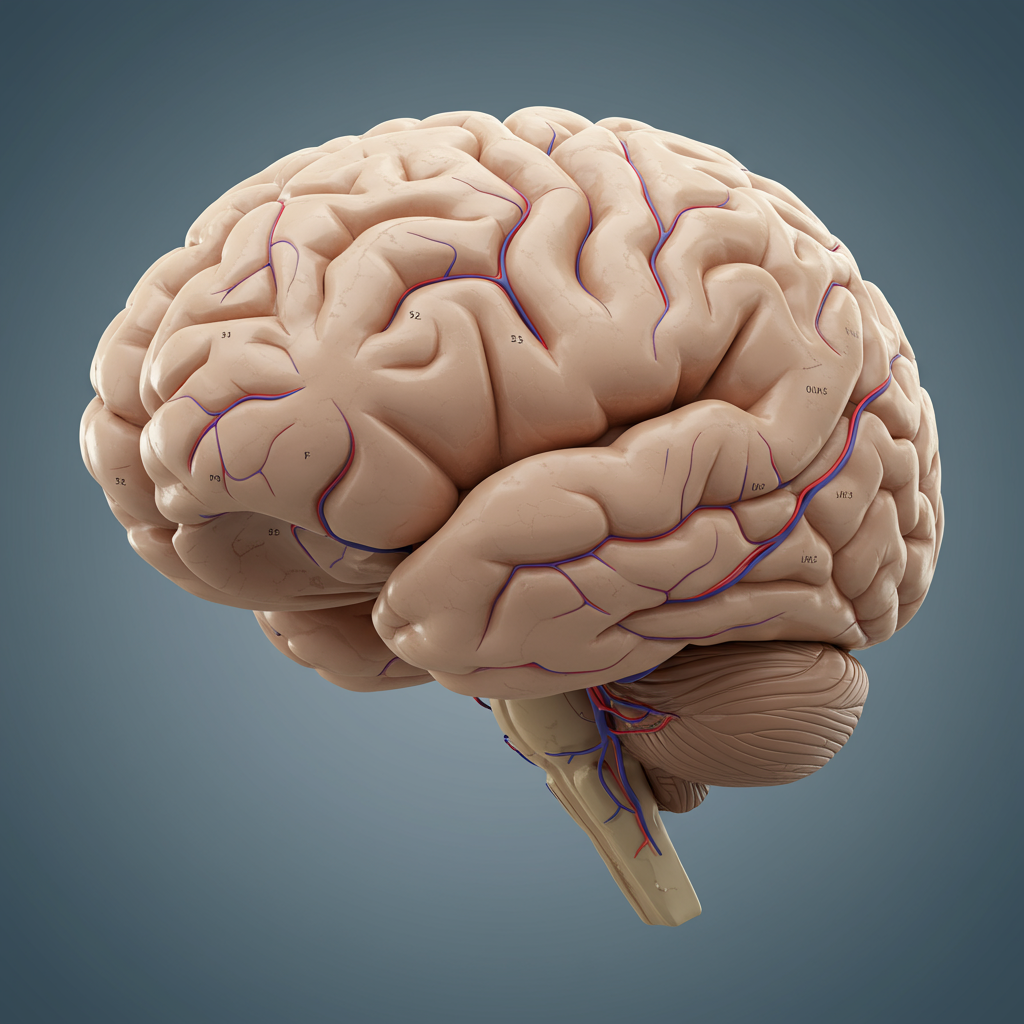
Post-mortem brain examinations confirm these connections. Dog brains share the same fundamental structures as human brains (frontal, temporal, occipital lobes). Dementia in both species leads to comparable pathological changes: brain shrinkage, enlargement of internal cavities, and a noticeable reduction in brain weight due due to neuron loss. Critically, donated dog brains, including Spring’s, have revealed the presence of beta amyloid plaques. These misshapen proteins are a hallmark of Alzheimer’s disease in humans, underscoring the deep biological commonalities. This makes dog aging research incredibly valuable.
The Dog Aging Project: A Collaborative Scientific Frontier
Launched in 2014 by biologists Matt Kaeberlein and Daniel Promislow, the Dog Aging Project is a massive collaboration. It involves over 50,000 dog owners, scientists, and veterinarians across hundreds of clinics, including Colorado State University. Researchers collect extensive data: diet, exercise routines, blood samples, and even brain MRIs. This wealth of information contributes to a publicly accessible database.
This vast data pool has already informed over 50 scientific studies, yielding groundbreaking insights into canine health and human longevity. The project’s commitment to scientific rigor ensures that findings are robust and impactful.
Groundbreaking Discoveries and Lifestyle Connections
The DAP has already revealed compelling correlations between lifestyle, environment, and disease risk. Some key findings include:
Social Connection: Dogs living with other dogs tend to suffer from fewer diseases, suggesting the protective power of social interaction.
Exercise is Key: Dogs that do not engage in regular exercise face a six times greater chance of developing dementia. This highlights the crucial role of physical activity in maintaining cognitive health for both species.
Feeding Frequency: An early, surprising finding suggests that feeding dogs once a day may lower their risk of several age-related conditions. While this observational study requires further investigation into causation, it opens new avenues for research into dietary patterns and longevity.
These insights offer practical takeaways for pet owners and provide fascinating leads for human health research, especially concerning “time-restricted eating.”
Pioneering Longevity Interventions
Beyond understanding aging, the Dog Aging Project and related initiatives are actively exploring interventions to extend healthy lifespans. This is a vital step in translating scientific knowledge into real-world benefits.
Rapamycin’s Promise for Extended Life
One of the most promising drugs under investigation is rapamycin. Discovered on Easter Island, rapamycin is a compound known to induce autophagy (cellular self-cleaning) and has extended the lifespan of various organisms, from yeast to mice (by up to 60%). Molecular biologist Julie Moreno led a pilot study where dogs exhibiting dementia signs were treated with rapamycin. Results were promising: treated dogs showed fewer microglial cells, which are associated with inflammation common in dementia, compared to placebo groups.
This success has paved the way for TRIAD (Test of Rapamycin In Aging Dogs), a larger, NIH-funded clinical trial involving hundreds of dogs. Scheduled for 2026, TRIAD aims to assess rapamycin’s potential to extend lifespan and improve cognition, potentially by over 20% in larger dogs. If successful, this could revolutionize both canine and human longevity medicine.
Biotech’s Role: Loyal and Future Drugs
The biotech startup Loyal, founded by Celine Halioua, is a significant player in canine longevity research. Having raised over $250 million, Loyal is developing several anti-aging drugs for dogs. Their vision is a daily preventative pill for dogs to extend their healthy lifespan by approximately one year, similar to human statins.
One of Loyal’s experimental drugs, LOY-002, received FDA approval with a “Reasonable Expectation of Effectiveness.” This historic approval for a longevity drug for any species focuses on extending overall healthy lifespan rather than treating a specific disease. LOY-002 is described as a “caloric restriction mimetic,” designed to replicate the lifespan-extending benefits of dietary restriction without actual calorie reduction. Other drugs, LOY-001 and LOY-003, target insulin-like growth factor 1 (IGF-1) in large dogs, a hormone linked to body size and lifespan. Successful trials in dogs could unlock unprecedented insights into human aging, as Halioua states, “going dogs first is the fastest way to work on and understand the biology of human aging.”
The Surprising Role of CBD in Canine Health
Beyond these cutting-edge drug developments, the Dog Aging Project has also provided extensive data on cannabidiol (CBD) use in dogs. A large-scale study, published in Frontiers in Veterinary Science*, analyzed information from over 47,000 dogs, shedding light on the prevalence and impact of CBD and hemp supplements.
Key findings revealed that 7.3% of U.S. companion dogs had received CBD or hemp products, with 5.8% being frequent users. These dogs were, on average, three years older than non-users, indicating a strong link to aging pets and age-related ailments. CBD use was most strongly associated with dogs diagnosed with dementia (18.2%), followed by osteoarthritis/joint problems (12.5%), and cancer (10%). This suggests owners frequently turn to CBD to alleviate chronic health issues in their senior pets.
A particularly unique and surprising finding involved aggression. Dogs given CBD products for multiple years initially displayed higher aggression levels. However, their aggression significantly decreased and became less intense over time. While other anxious behaviors did not show similar improvement, this specific reduction in aggression warrants further investigation into CBD’s therapeutic potential for canine behavioral issues. The study also noted that dogs in states with legal medical cannabis for humans were more likely to receive CBD, reflecting how human attitudes influence pet care.
It’s important to remember that while these findings are intriguing, the study did not explore the biological reasons behind the behavioral shifts. Owners considering CBD for their dogs should choose reliable products, exercise caution with dosing, and consult their veterinarian, as CBD can cause side effects like gastrointestinal upset.
Beyond the “Seven-Year Rule”: Understanding Canine Aging
The widespread belief that one human year equals seven dog years has largely been debunked by modern science. Research, including studies from the University of California San Diego using epigenetic age DNA tests, shows a more nuanced picture. For instance, Labradors age faster initially, reaching the equivalent of 31 human years in their first year. However, their aging then slows down, making a 12-year-old Labrador equivalent to a 71-year-old human, not 84. This evolving understanding of canine aging further highlights the complexity and richness of dog aging research.
Challenges and the Path Forward
Despite the immense promise, the Dog Aging Project faces significant challenges, particularly concerning funding. Budget cuts have unfortunately halted much scientific work, and proposed NIH cuts further threaten future studies. Project leaders emphasize the missed opportunity, noting that a modest $25-50 million could test numerous interventions in dogs within five years. The project continues to seek participants for its studies, hoping for renewed support to advance this critical human longevity research. The sheer scale of collaboration required across geroscientists, geneticists, veterinarians, and institutions remains both a challenge and a core strength.
Frequently Asked Questions
What is the Dog Aging Project, and why are dogs ideal for studying human longevity?
The Dog Aging Project (DAP) is a large-scale research initiative studying the biology of aging in companion dogs to unlock secrets for extending healthy lifespans in both dogs and humans. Dogs are ideal models because they age rapidly (7-10 times faster than humans), share similar age-related diseases like dementia and cancer, live in the same complex environments as people, and exhibit vast genetic diversity, all of which provide invaluable, real-world data in a condensed timeframe.
What specific treatments or lifestyle changes are being explored by the Dog Aging Project to extend lifespan?
The DAP and related research explore both lifestyle interventions and pharmaceutical approaches. Key lifestyle findings suggest that social interaction, regular exercise, and possibly once-a-day feeding may reduce disease risk. In terms of drugs, rapamycin is a primary focus, with pilot studies showing promise in reducing inflammation associated with dementia and a larger NIH-funded clinical trial (TRIAD) planned. Biotech startup Loyal is also developing multiple drugs, including a “caloric restriction mimetic” (LOY-002) and IGF-1 targeting drugs (LOY-001, LOY-003), with one having received FDA “Reasonable Expectation of Effectiveness.”
Should dog owners consider CBD products for their aging pets based on research?
Research from the Dog Aging Project indicates that CBD use is common in older dogs, particularly those with dementia, osteoarthritis, and cancer, suggesting owners perceive benefits for these age-related conditions. While a surprising finding showed a significant decrease in aggression over long-term CBD use, the study did not explore biological mechanisms, and other anxious behaviors did not show improvement. Owners should proceed with caution, consult their veterinarian, purchase reliable products, and be aware of potential side effects like gastrointestinal upset, as detailed dosage and long-term effects still require more controlled research.
Conclusion
The journey to understand and extend healthy lifespans is one of the most significant scientific endeavors of our time. Through the invaluable contributions of the Dog Aging Project and its dedicated researchers, our canine companions are leading the way. By uncovering the mechanisms of aging in dogs, we gain profound insights that could revolutionize human longevity. The collaboration, the discoveries, and the sheer potential for a future where both dogs and humans enjoy more years of vibrant health are truly inspiring. This is a testament to the powerful bond we share with our pets and the science that continues to elevate it.