The delicate quest for life beyond Earth faces a significant, unforeseen challenge. Recent startling discoveries by NASA reveal fungal strains possessing an unparalleled ability to survive even the most rigorous sterilization efforts. This troubling revelation raises profound concerns: could Earth-based microbes already contaminate Mars? Or might future space missions inadvertently introduce them, thus jeopardizing our monumental search for genuine extraterrestrial life? This article delves into the critical implications of these “near-unkillable fungi” for planetary protection and the very future of astrobiology.
The Alarming Discovery: Near-Unkillable Fungi Threaten Space Exploration
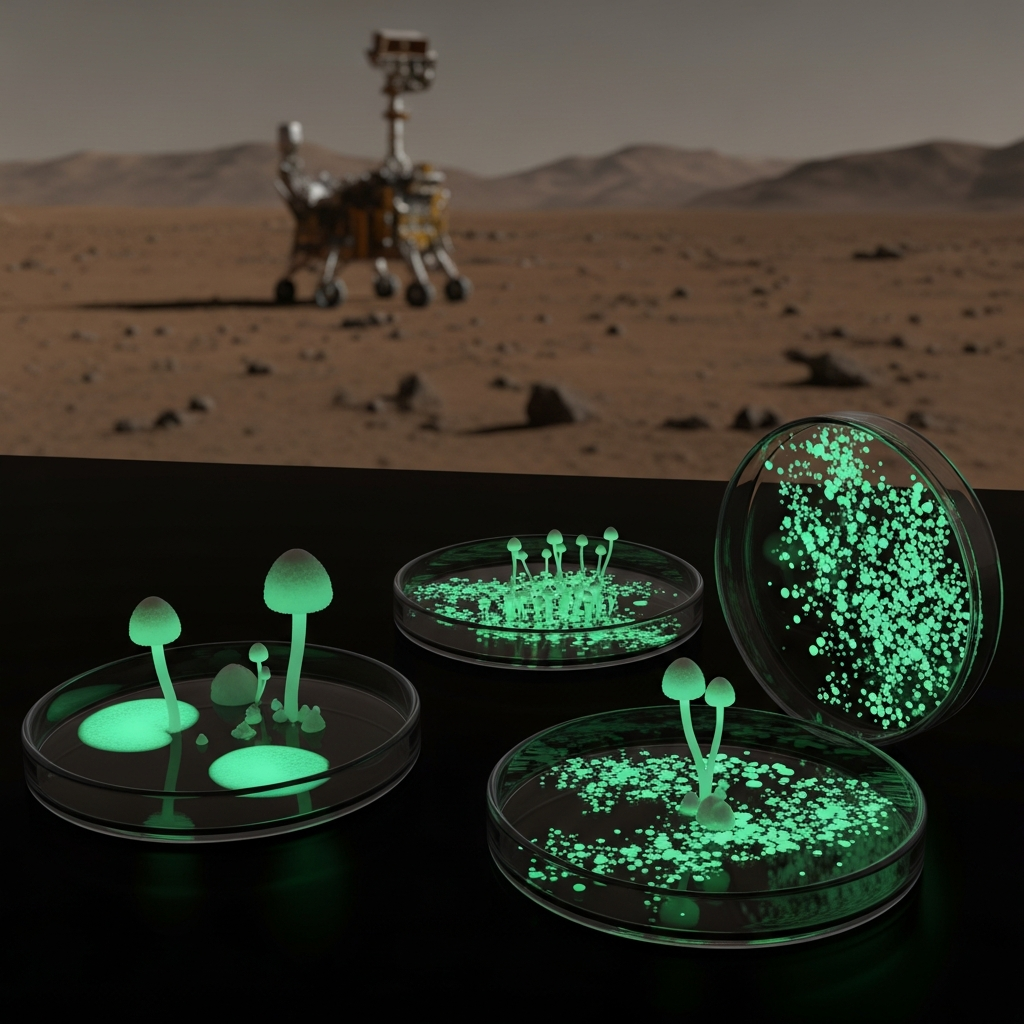
NASA’s groundbreaking, yet worrying, discovery highlights specific fungal strains in space that defy conventional sterilization. These resilient microorganisms withstand extreme conditions that would annihilate most life forms. Such findings fundamentally question the efficacy of current planetary protection protocols. For decades, space agencies meticulously designed these measures to prevent biological contamination of celestial bodies. The primary goal is straightforward: if we discover life on worlds like Mars, Europa, Enceladus, or Titan, we need absolute certainty it originated there, not hitchhiked from Earth. The existence of these hardy fungi introduces a grave new layer of complexity to this crucial mission.
Why Planetary Protection Matters More Than Ever
Planetary protection stands as a cornerstone of responsible space exploration. Its purpose is twofold: to safeguard other potentially habitable worlds from Earth’s biology and to protect Earth from potential extraterrestrial biological hazards. Introducing terrestrial microbes could irrevocably compromise the integrity of scientific investigations. Imagine discovering what appears to be alien life, only to find it’s a descendant of a microbial stowaway from an Earth-bound spacecraft. This would represent a catastrophic setback for astrobiology. The resilience of these newly identified fungi underscores the urgent need for enhanced vigilance and innovative solutions in our quest to explore the cosmos ethically.
Mars Missions: A Potential Contamination Crisis Unfolding
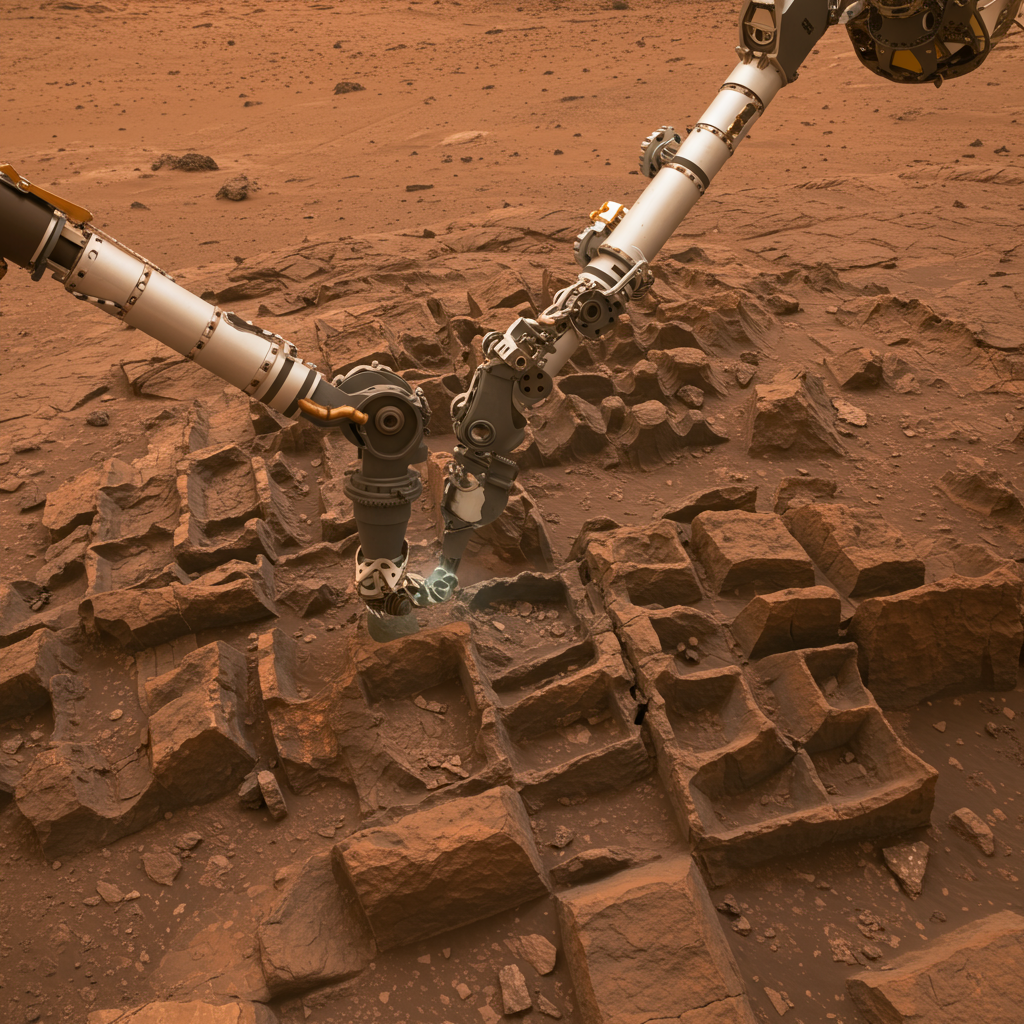
The implications of these tenacious fungi are particularly stark for Mars exploration. Scientists now openly question whether past Mars rover missions might have unknowingly acted as “seeds of terrestrial life,” inadvertently introducing these robust microbes to the Red Planet. This potential contamination casts a long shadow over previous scientific findings and future endeavors. The presence of such durable space fungal contamination makes upcoming Mars rover missions considerably more “fraught” with risk. It necessitates an immediate and comprehensive re-evaluation of all existing sterilization procedures. Without improved methods, every mission carries the heightened potential for biological contamination, making the search for indigenous Martian life far more ambiguous.
Rethinking Sterilization: New Frontiers in Bioburden Control
Current sterilization techniques, while stringent, clearly fall short against these newly identified fungal extremophiles. Traditionally, methods like heat sterilization, chemical baths, and radiation are employed to reduce microbial “bioburden” on spacecraft components. However, certain fungi, known as extremophiles, can survive in environments with extreme temperatures, radiation, or desiccation. The discovery pushes researchers to develop entirely new approaches. This could involve novel antimicrobial coatings, advanced UV-C exposure chambers, or even biological agents that specifically target and neutralize resilient contaminants. The race is on to devise techniques that can truly ensure the biological integrity of our extraterrestrial probes.
The Titan Incident: A Historical Precedent of Concern
The issue of space contamination isn’t entirely new; historical examples serve as stark reminders. Consider the Cassini-Huygens orbiter, which visited Saturn’s moon Titan in 2004. At that time, scientists had not yet fully understood that Titan possessed liquid oceans beneath its icy surface. Because Titan wasn’t then recognized as a prime candidate for harboring life, the probe did not undergo the rigorous sterilization protocols that would be mandatory today. Years later, in 2017, a mission scientist voiced significant concern that the unsterilized spacecraft “might be seeding life” on Titan. This incident underscores the dynamic nature of planetary protection and the ongoing learning curve in space exploration, making the current space fungal contamination a pressing concern.
Beyond Fungi: The Broader Scope of Space Microbes
While the focus is currently on resistant fungi, the broader challenge encompasses all potential microbial hitchhikers. Earth’s biosphere teems with countless types of bacteria, archaea, and viruses, many of which possess surprising resilience. The ability of some microbes to form spores, enter dormant states, or repair DNA damage under radiation makes them formidable survivors in harsh conditions. Understanding these adaptations is crucial for developing holistic space sterilization techniques. Every mission to a potentially habitable world must consider the vast and diverse world of terrestrial microorganisms and their potential for unforeseen survival and proliferation in extraterrestrial environments.
The Future of Space Exploration: Balancing Discovery and Protection
The identification of exceptionally resilient fungal strains in space presents a critical, multifaceted challenge for global space exploration and astrobiology. It highlights the persistent difficulty in preventing terrestrial biological contamination of potentially habitable extraterrestrial environments. This carries significant implications for both past and future missions to other planets and moons. Moving forward, a collaborative approach among international space agencies is paramount. Sharing research, developing standardized advanced sterilization protocols, and investing in new technologies will be essential. The ethical dimensions of space exploration require us to be exemplary stewards of both Earth’s biology and any potential life we might find elsewhere. Our ultimate goal remains the pure, unadulterated discovery of life beyond our home planet.
Frequently Asked Questions
What makes these newly discovered fungal strains so concerning for space missions?
These fungal strains are alarming because they demonstrate an unprecedented ability to survive NASA’s most stringent sterilization efforts. This resilience means that current planetary protection protocols, designed to prevent Earth-based microbes from contaminating celestial bodies, may not be fully effective. If these “near-unkillable fungi” can survive pre-launch sterilization, they could inadvertently be introduced to potentially habitable worlds like Mars, compromising the integrity of the search for genuine extraterrestrial life and blurring the lines between Earth life and any indigenous alien life.
Which celestial bodies are most at risk from Earth-based microbial contamination, and why?
Celestial bodies identified as most at risk include Mars, Europa (Jupiter’s moon), Enceladus (Saturn’s moon), and Titan (Saturn’s moon). These worlds are prioritized because they are considered potentially habitable environments, possessing liquid water or conditions that could support life. Introducing Earth microbes to these locations could make it impossible to determine if any life discovered is truly extraterrestrial or simply a transplant from Earth. This risk necessitates rigorous planetary protection to preserve the scientific value of these exploration targets.
What steps are space agencies taking to prevent future contamination of potentially habitable planets?
Space agencies are now intensely re-evaluating and looking to upgrade their planetary protection protocols. This involves a renewed focus on researching the biology of extremophiles, improving existing sterilization techniques, and exploring novel methods to ensure spacecraft are truly free of viable Earth-based life. Future missions will likely require even more advanced decontamination procedures and stricter bioburden controls. The goal is to develop an adaptive strategy that evolves with our understanding of microbial resilience and the unique challenges posed by long-duration space travel.
Ultimately, the discovery of these resilient fungal strains in space serves as a powerful reminder of the complex dance between scientific ambition and ecological responsibility. As humanity ventures further into the cosmos, our commitment to preserving the pristine nature of other worlds must grow in equal measure. Supporting continued research into advanced sterilization and planetary protection isn’t just a scientific endeavor; it’s an ethical imperative for all future interstellar travelers and explorers.