Get ready for an awe-inspiring celestial event! On March 3, 2026, North and Central America will witness a rare and spectacular total lunar eclipse, famously known as a “Blood Moon.” This highly anticipated astronomical show will transform the full moon into a stunning coppery red, offering a truly unforgettable skywatching experience. This comprehensive guide provides all the crucial details for observing this captivating phenomenon, including precise timings across various time zones, optimal viewing tips, and livestream options for those unable to watch outdoors.
What Transforms the Moon into a “Blood Moon”?
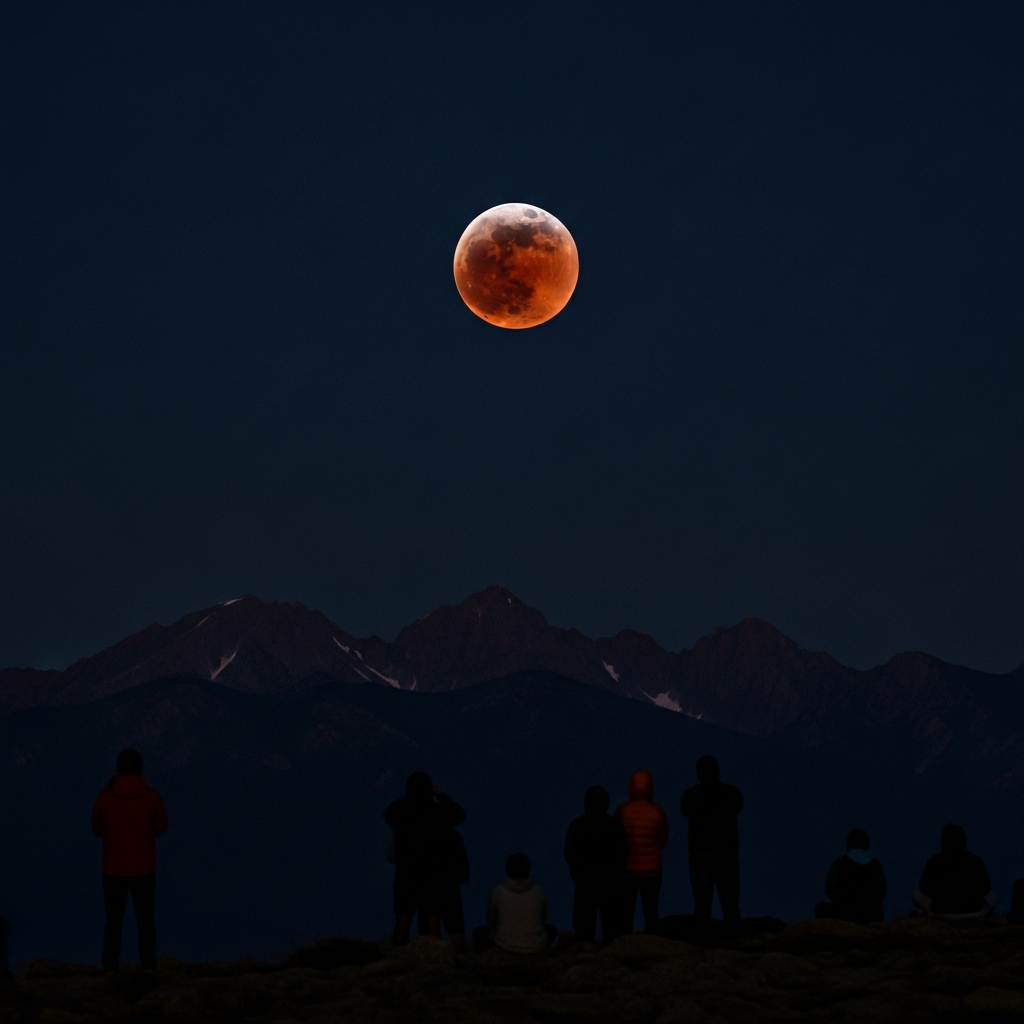
A total lunar eclipse is a breathtaking cosmic ballet. It happens during a full moon, when Earth precisely positions itself between the Sun and the Moon. As the Moon enters Earth’s darkest, central shadow, known as the umbra, direct sunlight is blocked. However, the Moon doesn’t disappear entirely. Instead, it takes on a mesmerizing reddish glow, earning it the popular “Blood Moon” moniker.
This vibrant hue is a result of a phenomenon called Rayleigh scattering. When sunlight filters through Earth’s atmosphere, shorter blue and violet wavelengths scatter away more easily. Longer, red and orange wavelengths, however, penetrate our atmosphere, bending around our planet’s edges. This filtered red light then travels to the lunar surface, reflecting back to us. Think of it as witnessing all the world’s sunrises and sunsets projected onto the Moon simultaneously. This unique atmospheric filtering gives the eclipsed Moon its distinct coppery appearance instead of simply rendering it dark.
The March 2026 Total Lunar Eclipse: A Rare Celestial Treat
This upcoming total lunar eclipse on March 3, 2026, marks the first major celestial spectacle visible in North America for the year. It’s a significant event for skygazers across the continent, as the last total lunar eclipse visible in the Americas occurred in March 2025. This particular full moon is also traditionally known as the “Worm Moon,” signaling the arrival of spring as the ground thaws and worm trails begin to appear. Combining the Worm Moon with a rare Blood Moon promises a truly striking sky phenomenon.
Unlike a total solar eclipse, a total lunar eclipse is completely safe to view with the naked eye. No special protective equipment is needed, allowing everyone to enjoy this stunning celestial show directly.
When to Watch: Key Timings Across North America
The March 3, 2026, Blood Moon will unfold over several hours, with the peak totality offering the most dramatic views. The eclipse concludes shortly after dawn in many regions. Here are the crucial timings for totality, when the Moon will appear its deepest red:
Pacific Time (PST): 3:04 a.m. to 4:02 a.m. PST
Mountain Time (MST): 4:04 a.m. to 5:02 a.m. MST
Central Time (CST): 5:04 a.m. to 6:02 a.m. CST
Eastern Time (EST): 6:04 a.m. to 7:02 a.m. EST (Note: Moonset may occur during totality in most EST areas, offering a unique “selenelion” or horizontal eclipse if you have a clear western horizon.)
Alaska Time (AKST): 2:04 a.m. to 3:02 a.m. AKST
Hawaii Time (HST): 1:04 a.m. to 2:02 a.m. HST
For observers in California, including Santa Barbara, the penumbral phase begins at 12:44 a.m. PST, transitioning to totality at 3:04 a.m. PST. The eclipse peaks around 3:33 a.m. PST, and the total phase, when the Moon glows deepest red, will last approximately 58 minutes. The entire eclipse event in California will conclude by 6:23 a.m. PST. Skywatchers in cities like Fresno, Los Angeles, San Francisco, and San Jose can anticipate seeing 100% obscuration of the Moon during totality.
Where to Find the Best View
Visibility for the Blood Moon 2026 will be excellent across most of North and Central America. To maximize your viewing experience, consider these tips:
Seek an Unobstructed View: The Moon will be near the horizon during totality, especially in eastern time zones. Find a high vantage point with a clear, open view of the western horizon, free from tall buildings, trees, or other obstructions.
Dress Warmly: Since the eclipse occurs in the early morning hours, temperatures can be quite low. Layer up to stay comfortable during your skywatching session.
Check Local Weather: While the eclipse will be visible across wide regions, local weather conditions, particularly cloud cover, will play a significant role. Historically, early March cloud cover in California cities ranges from about 51% in Los Angeles to 65% in Sacramento. Clear skies are always essential for optimal viewing.
Binoculars or a small telescope can enhance the view, bringing out more detail on the lunar surface, but they are certainly not required. The beauty of a total lunar eclipse is its accessibility to everyone.
Catch the Spectacle Online: Livestream Options
If weather conditions aren’t favorable in your area, or if you prefer to experience the eclipse from the comfort of your home, several reputable organizations will provide high-quality livestreams. These broadcasts often feature expert commentary, offering an educational and engaging alternative.
Griffith Observatory: This renowned institution plans to host a livestream from 12:47 a.m. to 6:25 a.m. PST on March 3. California’s favorable position means the observatory’s feed is expected to capture the entire event. Note that Griffith Park will remain closed during the broadcast, so onsite public viewing is not available.
Timeanddate.com: Known for its comprehensive astronomical coverage, timeanddate.com will also stream the eclipse live. Their global broadcast, hosted by experts Graham Jones and Anne Buckle, will begin at 12:44 a.m. PST on their YouTube channel, potentially including feeds from locations such as Hawaii and near Los Angeles.
The Virtual Telescope Project: Founded by astrophysicist Gianluca Masi, this project will curate a global livestream. Their broadcast is scheduled to start at 3:30 a.m. EST, incorporating real-time views from North America and Australia.
These livestreams offer an excellent way to connect with a global community of astronomy enthusiasts and witness this incredible event, regardless of your geographical location or local conditions.
Beyond 2026: Future Lunar Eclipses
The March 2026 Blood Moon is a truly special occurrence for North American observers. While total lunar eclipses might seem relatively common, they are actually slightly rarer than total solar eclipses, occurring approximately every 2.5 years on average. However, total lunar eclipses tend to feel more frequent because they are visible to anyone on Earth’s night side, unlike solar eclipses which have very narrow paths of totality.
Following this event, the next total lunar eclipse visible anywhere on Earth will occur on December 31, 2028. This eclipse will primarily be visible in Europe, Africa, Asia, Australia, and the Pacific, unfortunately not in North America. North America’s next opportunity to witness a total lunar eclipse won’t arrive until June 26, 2029. This makes the March 2026 event a must-see for anyone on the continent.
Frequently Asked Questions
What exactly causes the Moon to turn red during an eclipse?
The Moon appears red during a total lunar eclipse because of how Earth’s atmosphere filters sunlight. When the Sun, Earth, and Moon align, Earth casts its shadow on the Moon. However, some sunlight bends through Earth’s atmosphere, just like during a sunset. Our atmosphere scatters shorter blue wavelengths of light more effectively, allowing longer, warmer red and orange wavelengths to pass through. This red light then reaches the lunar surface and reflects back to our eyes, giving the Moon its characteristic “blood red” hue.
Where in North America will the March 2026 Blood Moon be most visible?
The March 2026 Blood Moon will be widely visible across all of North and Central America. Observers across the Pacific and Mountain Time Zones, from Hawaii to the Rockies, will experience the entire total phase well before dawn. Viewers in Central and Eastern Time Zones will also see totality, though moonset may occur during this phase in many eastern regions, potentially offering a unique spectacle if the horizon is clear. Coastal California, for instance, is well-positioned for an excellent, unobstructed view.
Is special equipment needed to safely observe the Blood Moon?
No, you do not need any special equipment or eye protection to safely observe the Blood Moon. Unlike solar eclipses, which require certified protective eyewear, lunar eclipses are entirely safe to view directly with the naked eye. While binoculars or a telescope can enhance the view and reveal more details on the lunar surface, they are not necessary for enjoying the beauty of the reddish Moon. Simply find a clear spot with an unobstructed view of the horizon.
Don’t Miss This Stunning Celestial Show!
The total lunar eclipse on March 3, 2026, is a truly special astronomical event. Known as the Blood Moon, it offers a rare opportunity to witness our celestial neighbor transform into a coppery orb, bathed in the filtered light of Earth’s atmosphere. Whether you plan to brave the early morning hours for an outdoor viewing or prefer to join a virtual livestream, prepare to be captivated by this stunning display. Mark your calendars, set your alarms, and get ready to experience the mesmerizing beauty of the Blood Moon 2026!