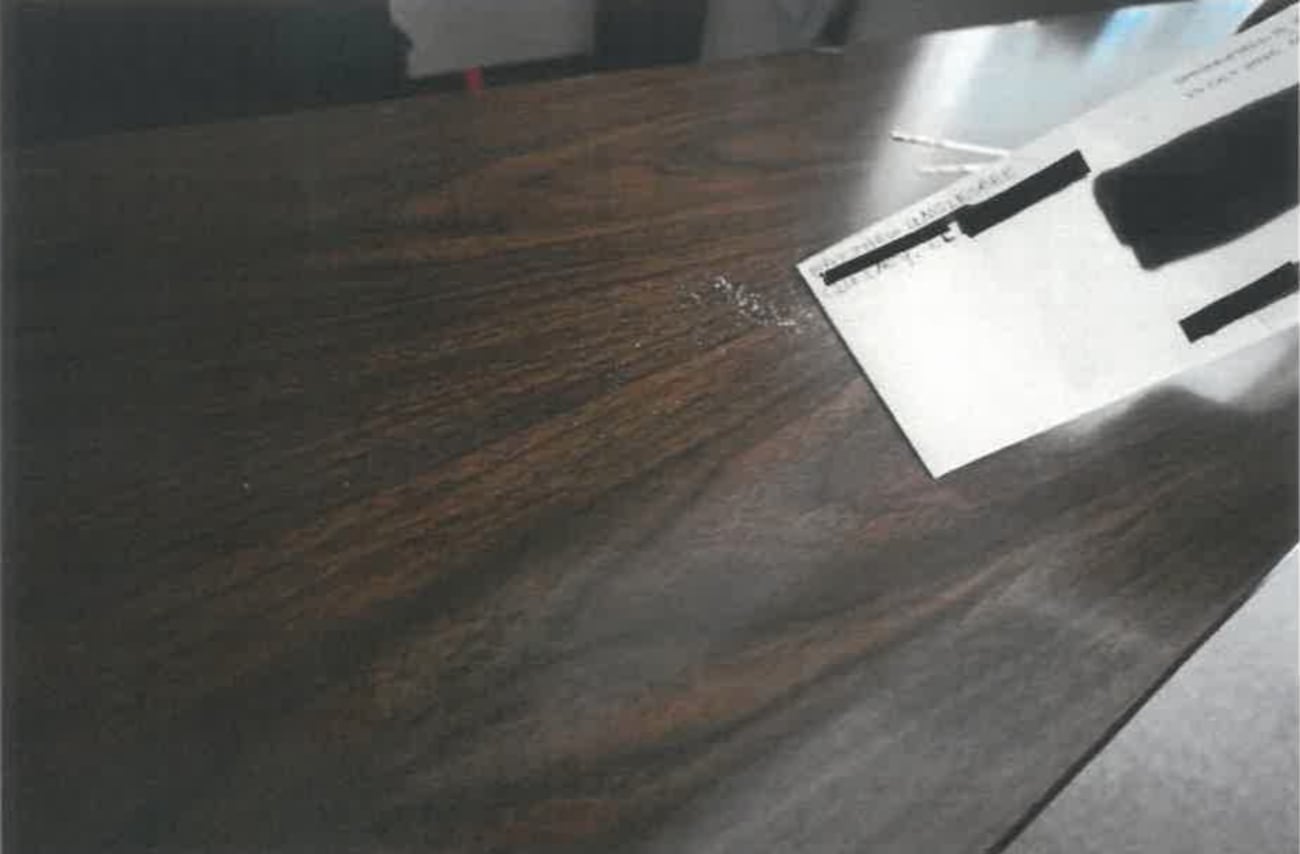
The investigation into threatening letters to congress has led to the federal arrest of an Illinois man who allegedly used salt to mimic the appearance of a biological agent in a series of taunting mailings.
Key Takeaways
- The Arrest: Matthew Unglesbee, 37, was taken into federal custody in Quincy, Illinois, following an FBI operation.
- The Threat: Four letters containing a white granular substance and taunting notes like “HA HA” were sent to members of Congress.
- The Substance: According to the FBI, the substance was identified as salt, intended to mimic the look of anthrax to provoke an emergency response.
- Criminal History: Unglesbee is a registered sex offender with prior felony convictions for false impersonation and threatening public officials.
- The Catalyst: An anonymous tipster reported overhearing Unglesbee discussing the mailings at a restaurant.
- Arraignment: Unglesbee will formally hear the charges of false information and hoaxes, and mailing threatening communications.
- Pre-trial Motions: Defense attorneys and federal prosecutors will engage in motions regarding the evidence gathered during the FBI’s search of his home and the details of his interview.
- Discovery: The defense will be granted access to the FBI’s investigative files, including the contents of the intercepted letters and the results of the forensic testing.
- Sentencing: Should Unglesbee be convicted, his prior felony record and the nature of the threats will be central to determining the length of his federal prison sentence.
- www.wgem.com
- www.nbcnews.com
What Happened
On October 26, 2026, federal authorities confirmed the arrest of Matthew Unglesbee, a 37-year-old resident of Quincy, Illinois, in connection with a series of threatening letters to Congress. The investigation, which spanned multiple FBI field offices, centered on four envelopes containing a white granular substance that were intercepted by congressional offices in the Northern District of Illinois.
According to a criminal complaint filed in the U.S. District Court, the letters were sent to four different members of Congress. Some of the envelopes contained handwritten, taunting messages. One letter, which was received by a four-term member of Congress on October 23, included the note, “HAH enjoy the gift.” Another letter sent to a different congressional office contained only the words “HA HA.”
The investigation was triggered on October 16, 2026, when the FBI National Threat Operations Center received an anonymous tip. The tipster alleged they had overheard Unglesbee at a restaurant claiming to have mailed a suspicious substance to members of the United States Congress. Following this tip, the FBI Chicago Field Office responded to the offices of three members of Congress on October 21, after they reported receiving the suspicious envelopes.

On Sunday, October 25, 2026, FBI agents from the Springfield Field Office conducted an operation at Unglesbee’s residence in Quincy. During an interview with FBI personnel, Unglesbee allegedly admitted to mailing the four letters. He reportedly stated that he sent the mailings after hearing news reports about other suspicious letters sent to government officials earlier in the month.
During the questioning, Unglesbee allegedly explained his reasoning for the contents of the envelopes. He told agents that the granular substance was salt, which he claimed “kind of looks like” anthrax. According to the FBI, Unglesbee admitted he knew the letters would be perceived as dangerous, specifically telling agents that “hazmat come in white suits” in response to his actions. He also reportedly remarked that “anthrax is dangerous” when discussing why he chose a substance that could be mistaken for a biological threat.
Why It Matters
The mailing of threatening letters to Congress represents a significant security challenge for the federal government, even when the substances involved are non-toxic. These incidents force congressional offices, law enforcement, and emergency responders to activate high-level safety protocols, often involving hazardous materials (HAZMAT) teams and biological testing units.
This case is particularly notable due to the psychological intent behind the act. By using salt to mimic anthrax, the perpetrator sought to trigger a specific, high-intensity emergency response. Such hoaxes can drain law enforcement resources, cause unnecessary panic among staff and constituents, and create a climate of fear within the halls of government.
Furthermore, the incident highlights the increasing reliance on anonymous tips and community vigilance in detecting domestic threats. The fact that an unidentified individual overheard a conversation in a public restaurant and contacted the FBI was the decisive factor in identifying and apprehending the suspect before further mailings could occur.
Deep-Dive: Timeline and Criminal Background
To understand the gravity of the charges against Unglesbee, it is necessary to examine both the timeline of the 2026 mailings and his extensive history of legal issues involving public officials.
Timeline of the 2026 Incident
| Date | Event |
|---|---|
| October 16, 2026 | FBI National Threat Operations Center receives an anonymous tip regarding Unglesbee’s comments at a restaurant. |
| October 21, 2026 | FBI Chicago Field Office responds to three congressional offices in the Northern District of Illinois following receipt of suspicious mail. |
| October 23, 2026 | FBI agents respond to the office of a four-term member of Congress to recover a letter containing the note “HAH enjoy the gift.” |
| October 25, 2026 | FBI Springfield agents conduct an interview and operation at Unglesbee’s home in Quincy, resulting in his arrest. |
| October 26, 2026 | Criminal complaint and arrest details are made public. |
Criminal History of Matthew Unglesbee
Unglesbee is not a first-time offender regarding crimes involving public figures or deception. His legal history shows a pattern of behavior that federal prosecutors may use to establish intent and risk.
| Year | Conviction/Charge | Legal Classification |
|---|---|---|
| 2013 | False impersonation and solicitation | Class 4 Felony |
| 2023 | Threatening public officials | Class 3 Felony |
In addition to these felony convictions, the FBI and local records indicate that Unglesbee is a registered sex offender. This background, combined with his recent actions, provides a complex profile for the court to consider during his initial appearance.

The Investigation and Forensic Findings
The FBI’s response to the threatening letters to Congress involved a multi-agency coordination between the Springfield and Chicago field offices. Once the suspicious envelopes were identified, they were treated as potential biological threats.
Upon testing, the white granular substance was confirmed to be salt. While the substance itself posed no biological threat, the investigation revealed that the letters were not a random act of mischief. The envelopes were postmarked in Springfield, Illinois, and contained Unglesbee’s own name and home address, suggesting a lack of attempt to conceal his identity or a deliberate attempt to ensure the letters were traced back to him.
During a search of his residence, FBI agents discovered a fifth envelope. While this envelope was unmailed, it was addressed to a member of Congress in Washington, D.C. This finding suggests that the sequence of mailings may have been intended to continue.
What It Means for You
While this case specifically targets federal lawmakers, the implications of such hoaxes extend to the broader public and the security infrastructure of the United States.
For Government Employees and Officials
If you work in a high-profile government office, expect heightened security screening protocols for all incoming mail. The recent trend of “white powder” hoaxes means that mail is more likely to be intercepted, screened by specialized units, and delayed as part of standard safety procedures.
For the General Public
This case serves as a reminder of the legal consequences associated with making false reports or threats. Under federal law, creating a hoax that mimics a biological or chemical threat is a serious offense. Even if the substance used is harmless, the act of intentionally causing a public alarm or a large-scale emergency response can lead to significant prison time.
For Law Enforcement and First Responders
Agencies must maintain a high state of readiness for “low-tech” threats that mimic high-consequence biological agents. The ability to quickly differentiate between a genuine biological threat and a hoax—such as salt or flour—is critical to preventing the unnecessary exhaustion of emergency resources.
Counterpoints and Open Questions
While the current investigation has focused on Unglesbee’s individual actions, several questions remain open that may influence the direction of the case.
Is there a broader conspiracy?
Unglesbee has denied any involvement in other recent mailings that have targeted members of Congress and election officials. He has claimed that he lacks the financial resources to travel to other states. However, investigators are still looking into whether his actions were part of a larger trend or an isolated incident inspired by media coverage of previous threats.
The Motive vs. The Intent
There is a distinction between the motive (boredom or a desire for attention) and the legal intent (the intent to threaten or cause fear). Unglesbee’s claim that he merely wanted to see “hazmat come in white suits” may be viewed by the defense as a lack of intent to cause physical harm, but federal prosecutors will likely argue that the intent to cause terror and disrupt government operations is sufficient for the charges of mailing threatening communications and false information.
What Happens Next
Matthew Unglesbee is scheduled to make his initial appearance in court on Monday afternoon. Following this appearance, the legal process will proceed through several stages:
Frequently Asked Questions
What was the white substance found in the letters sent to Congress?
According to the FBI and the criminal complaint, the white granular substance found inside the envelopes was salt. While the substance was harmless, Unglesbee allegedly intended for it to be mistaken for anthrax to provoke a high-level emergency response from hazardous materials teams.
Who is Matthew Unglesbee and what is his background?
Matthew Unglesbee is a 37-year-old man from Quincy, Illinois. He is a registered sex offender and has a history of criminal convictions, including a 2013 felony for false impersonation and a 2023 felony for threatening public officials. He is currently in federal custody facing new charges related to the congressional mailings.
What specific charges is Unglesbee facing?
Unglesbee faces two primary federal charges: mailing threatening communications and providing false information and hoaxes. These charges stem from the alleged mailing of four letters to members of Congress that contained both the suspicious substance and taunting messages.
How did the FBI find out about the mailings?
The investigation began after an anonymous tipster informed the FBI National Threat Operations Center that they had overheard Unglesbee discussing the mailing of a suspicious substance to members of Congress while at a restaurant. This tip allowed the FBI to respond quickly once the letters were received by congressional offices.
Closing
The arrest of Matthew Unglesbee marks a significant development in the ongoing effort to secure congressional offices against mail-related threats. As the legal proceedings begin, the focus remains on the intersection of individual criminal behavior and the broader security implications of biological hoaxes in the United States. The case will serve as a test of how federal authorities manage the psychological and logistical challenges posed by non-lethal but highly disruptive threats to government institutions.
References
Featured image: (WGEM) — via https://www.wgem.com