
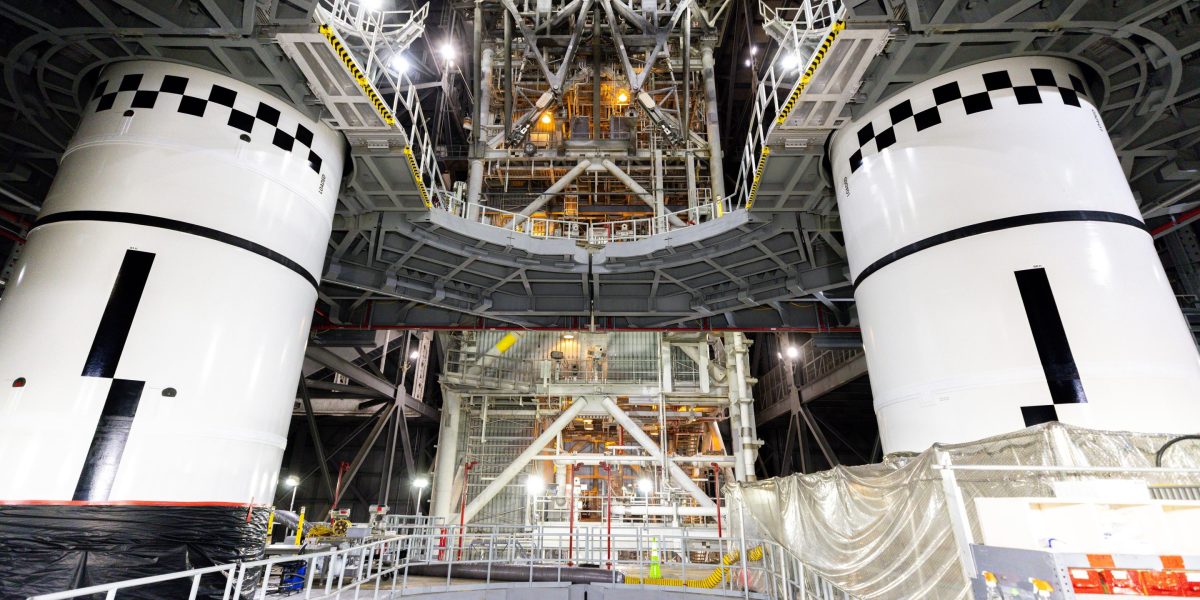
The Artemis program acceleration is now the central pillar of NASA’s strategy to reclaim mission-selection-why-the-shift-matters/” title=”NASA Science Mission Selection: Why the Shift Matters”>lunar dominance and outpace international competitors in a high-stakes “new space race.” According to NASA Administrator Jared Isaacman, the agency is pivoting away from traditional bureaucratic processes toward a management style inspired by the rapid-fire development seen during the Apollo era. This shift aims to facilitate a critical series of missions, beginning with a complex orbital docking exercise in the summer of 2027, which will test the capabilities of private aerospace giants SpaceX and Blue Origin.
Key Takeaways
- Accelerated Timeline: NASA is targeting the Artemis III mission for summer 2027, serving as a critical docking test in Earth’s orbit.
- Commercial Competition: The mission will pit SpaceX’s Starship against Blue Origin’s Blue Ghost lander in a high-stakes orbital demonstration.
- Apollo-Style Management: Administrator Jared Isaacman is implementing an “urgent and intense” management model to bypass bureaucratic inertia.
- Lunar Base Ambitions: The long-term goal is to establish a permanent lunar base near the moon’s south pole, with Artemis IV slated for 2028 to achieve the first human moon landing since the 1970s.
- Geopolitical Pressure: The rapid schedule is a direct response to the growing lunar capabilities and ambitions of China.
- Late 2026: Scheduled launch of the first lunar base components, including rovers and experimental modules, near the moon’s south pole.
- 2027: Axiom Space begins testing new “sortie suits” on the International Space Station (ISS).
- Summer 2027: The launch of Artemis III, featuring the two-week orbital docking exercise involving four astronauts.
- 2028: The scheduled launch of Artemis IV, intended to be the first crewed moon landing since the Apollo era.
- fortune.com
- timesofindia.indiatimes.com
What Happened: A Pivot to Urgency
NASA has officially confirmed an aggressive new timeline for its Artemis missions, signaling a fundamental change in how the agency approaches deep-space exploration. The agency is moving from a period of steady progress to a phase of intense, rapid development. The immediate milestone is the Artemis III mission, which is currently scheduled for the summer of 2027.
Unlike the Apollo missions, which focused on direct lunar descent, Artemis III will function as a sophisticated orbital docking exercise. The mission will involve four astronauts—three from NASA and one from Italy—traveling within the Orion capsule. To execute this, NASA requires three rapid-succession launches from Cape Canaveral. The exercise is designed to test the integration and docking capabilities of two distinct commercial lunar landers: Blue Origin’s “Blue Ghost” and SpaceX’s “Starship.”
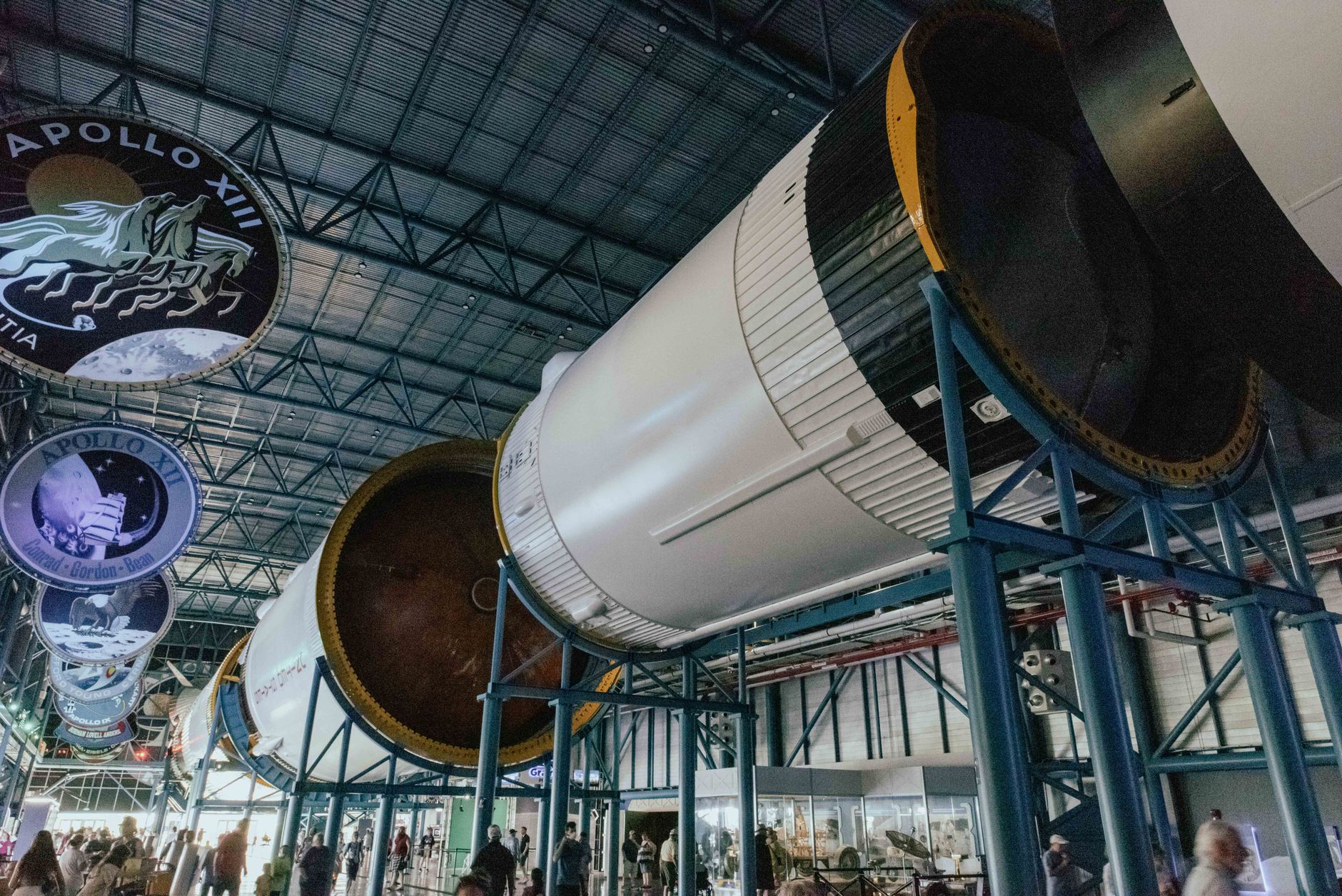
According to reports from Fortune and The Associated Press, the mission will involve the Blue Ghost docking first at an altitude of approximately 270 miles (435 kilometers), followed by the Starship in a lower orbit. This sequence is critical for validating the safety and reliability of commercial hardware before any human descent to the lunar surface is attempted.
Why It Matters: The Commercialization of Deep Space
The Artemis program acceleration represents more than just a faster schedule; it marks a definitive shift in the paradigm of space exploration. For decades, NASA was the primary architect, builder, and operator of space hardware. Today, the agency is transitioning into a customer role, relying heavily on the innovation and rapid prototyping of private companies like SpaceX and Blue Origin.
This transition introduces a competitive element previously unseen in government-led lunar programs. By utilizing two different lander designs, NASA is building redundancy into its mission architecture. If one commercial provider encounters technical hurdles, the other provides a fallback, ensuring that the goal of a sustained lunar presence is not derailed by a single point of failure.
Furthermore, the strategic focus on the moon’s south pole indicates that NASA is looking beyond short-term exploration. The south pole is a region of immense scientific and strategic interest, potentially containing resources that could support long-term habitation. Establishing a base there requires a modular approach, meaning NASA is prioritizing the deployment of rovers, orbiters, and infrastructure before the first astronauts arrive on the surface.
The Apollo Playbook: Managing for Speed
To achieve these aggressive goals, NASA is looking backward to move forward. Administrator Jared Isaacman has stated that the agency is adopting a management philosophy modeled after the 1968–1972 Apollo era. During that period, NASA achieved unprecedented speed, moving from the Apollo 7 splashdown to the Apollo 11 moon landing in just nine months.
“The ‘new space race’… will be ‘much closer than it ever needed to be’ because of slow going in past years,” Isaacman told reporters, noting that the current competition makes the stakes higher than they have been in decades. He emphasized that this shift is not merely “tech industry pixie dust,” but a return to a proven historical playbook of intense, mission-focused management.
Amit Kshatriya, a NASA Associate Administrator, echoed this enthusiasm, describing the upcoming technical challenges as “pretty awesome” from a technical perspective. However, this urgency comes with significant pressure. The agency is currently bolstering its workforce and streamlining decision-making processes to match the speed of the private sector and the rising capabilities of China.
Technical Specifications: Comparing the Landers
As the Artemis III mission details become clearer, the technical differences between the two primary commercial partners have become a focal point for aerospace analysts. The two landers are being tested in different orbital environments to ensure they can handle the complexities of lunar approach and docking.
| Feature | Blue Origin “Blue Ghost” | SpaceX “Starship” |
|---|---|---|
| Primary Mission Role | First docking in Earth orbit | Second docking in lower orbit |
| Target Altitude | ~270 miles (435 km) | Lower Earth Orbit (LEO) |
| Developer | Blue Origin (Jeff Bezos) | SpaceX (Elon Musk) |
| Primary Advantage | Redundancy and specialized design | High capacity and proven flight heritage |

Infrastructure and the “Sortie Suit” Strategy
NASA is also addressing the physical risks of lunar exploration through a modular infrastructure strategy. Before humans attempt to walk on the moon during the Artemis IV mission in 2028, NASA plans to have a suite of supporting technologies in place. This includes the deployment of rovers and orbiters, which will be launched as early as late 2026.
One of the most notable components of this risk-mitigation strategy is the development of “sortie suits.” Developed by Axiom Space, these suits are designed to be lighter and less complex than the heavy, pressurized suits used in previous eras. The plan is to test these suits on the International Space Station (ISS) in 2027 before they are utilized for the initial lunar landings. By using simpler suits for the first phases of exploration, NASA hopes to reduce the technical complexity and potential for failure during the most dangerous parts of the mission.
What It Means for You
The acceleration of the Artemis program has far-reaching implications across several sectors:
For Investors and the Economy
If you are invested in the aerospace, defense, or technology sectors, expect increased volatility and opportunity. The shift toward a commercial-heavy model means that the success of NASA’s missions is now inextricably linked to the stock performance and technical milestones of companies like SpaceX and Blue Origin. The “new space race” is effectively a massive procurement engine for the private sector.
For the Tech and Engineering Community
If you work in robotics, AI, or materials science, the push for modular lunar infrastructure represents a massive frontier. The requirement for autonomous docking, lunar rovers, and advanced life-support systems will drive demand for cutting-edge engineering solutions.
For Geopolitical Observers
If you follow international relations, the Artemis timeline is a signal of American intent. The race is not just about scientific discovery; it is about establishing a presence in a strategic domain before other global powers, specifically China, can claim dominance over lunar resources.
Counterpoints and Open Questions
Despite the optimism from NASA leadership, the aggressive timeline is not without its critics and inherent risks. The primary concern is whether the “scramble” to meet deadlines will lead to technical oversights. The history of space exploration is littered with missions that were delayed or lost due to rushed development cycles.
Furthermore, there is the challenge of complexity. While the Apollo missions were “commuter-style” flights—short trips where astronauts returned to Earth quickly—the Artemis program aims for long-term habitation. Transitioning from short-duration trips to a permanent lunar base requires a level of life-support reliability and resource management that has never been tested at scale.
There are also unanswered questions regarding the failed 2024 lunar mission by an unnamed Pittsburgh-based company, which serves as a reminder of how difficult lunar landings remain. Critics also question whether the reliance on two private companies creates a dependency that could leave NASA vulnerable to the commercial priorities of Elon Musk or Jeff Bezos.
What Happens Next: A Critical Timeline
To track the progress of the Artemis program acceleration, keep an eye on these upcoming milestones:

Frequently Asked Questions
What is the main goal of the Artemis III mission?
Unlike previous moon missions that focused on landing, Artemis III is primarily a high-stakes orbital docking exercise. It will test the ability of two different commercial landers—SpaceX’s Starship and Blue Origin’s Blue Ghost—to dock with the Orion capsule in Earth’s orbit. This is a critical safety step before any human landing is attempted.
Who are the main players in the “new space race”?
The competition is characterized by a partnership between the public sector (NASA) and private giants. The primary commercial competitors are SpaceX, led by Elon Musk, and Blue Origin, led by Jeff Bezos. On a geopolitical level, the race is also a competition between the United States and China to establish dominance and presence on the moon.
Why is the moon’s south pole so important?
NASA is prioritizing the moon’s south pole because of its strategic and scientific potential. The region is believed to contain resources, such as water ice, that could be vital for sustaining a long-term human presence. Establishing a modular base there is a key step toward a permanent lunar economy.
How is NASA’s management style changing?
Under Administrator Jared Isaacman, NASA is moving away from a slow, bureaucratic approach toward an “urgent and intense” management style. This is modeled after the Apollo era, which prioritized rapid development and aggressive timelines to meet historical milestones.
Closing
The Artemis program acceleration marks a high-stakes gamble on the power of commercial competition and historical urgency. By pitting SpaceX against Blue Origin and adopting a more aggressive management posture, NASA is attempting to leapfrog the bureaucratic hurdles of the past
References
Featured image: Image via Fortune



One thought on “Artemis Program Acceleration: NASA’s New Space Race”