The Pope Leo XIV lung cancer diagnosis and subsequent surgery have reached a significant milestone as the vatican confirmed the 71-year-old pontiff is showing “steady improvement” following a successful thoracic procedure.
Key Takeaways
- Successful Surgery: Pope Leo XIV underwent a lobectomy on Tuesday to remove the lower lobe of his right lung.
- Confirmed Diagnosis: Tissue examination confirmed the presence of lung adenocarcinoma.
- Recovery Milestone: The Pope is now able to carry out normal daily activities independently at Gemelli Hospital.
- Public Appearance: A return to public life is anticipated this Sunday during the traditional noon Angelus.
- medical Outlook: Experts suggest that because the disease appears localized, there is a high probability of successful long-term recovery.
- Travel Uncertainty: While a planned trip to South America in November remains on the schedule, his participation is currently unconfirmed.
- For the Catholic Faithful: The immediate focus is on the Pope’s spiritual and physical strength. His planned appearance at the Angelus this Sunday is a vital signal of his return to his duties. The stability of the Papacy is a central concern for those following the Church’s leadership.
- For Health Professionals and Patients: The Pope’s diagnosis serves as a reminder that lung cancer can affect anyone, regardless of smoking history. It underscores the importance of regular health screenings and the advancements in minimally invasive surgical techniques like VATS that allow for faster recovery in elderly patients.
- For Global Observers: The Pope’s ability to fulfill his international commitments, such as the upcoming trip to South America, will be a key indicator of the Vatican’s operational capacity in the coming months.
- The Pathology Results: The most critical unknown is the exact stage and grade of the adenocarcinoma. While doctors hope for Stage 1, any evidence of Stage 2 or higher would significantly alter the treatment plan and the timeline for his return to full duties.
- The South America Trip: There is a tension between the official schedule and the reality of post-operative recovery. While the trip in November is reportedly still on, medical experts often caution that long-haul flights and the physical demands of international travel can be taxing for patients recovering from thoracic surgery.
- Long-term Respiratory Function: While Dr. Siegel suggests the loss of one lobe shouldn’t have a major impact, the long-term effects of lung tissue removal on a 71-year-old’s respiratory capacity during periods of high stress or illness remain to be seen.
- Sunday, October 19, 2026: The Pope’s anticipated first public appearance during the noon Angelus. This will be the most significant visual confirmation of his health for the global public.
- Pathology Report Release: The medical team at Gemelli Hospital will finalize the analysis of the removed tissue. The findings will determine if further oncology interventions are necessary.
- November Travel Decision: As the date for the South America trip approaches, the Vatican will likely provide a definitive update on whether the Pope is medically cleared for international travel.
- www.foxnews.com
What Happened: The Surgery and Diagnosis
On Tuesday, Pope Leo XIV underwent a major thoracic operation at Gemelli Hospital in Rome, Italy. According to a statement from the Holy See Press Office, surgeons performed a procedure to remove the lower lobe of the Pope’s right lung. This surgical intervention was necessitated by a diagnosis of lung adenocarcinoma, a specific type of lung cancer.
Following the procedure, the 71-year-old pontiff has spent four days in convalescence at the hospital. On Friday, October 16, 2026, the Vatican provided the public with its first visual update of the Pope since the operation. The released images show the Pope standing at an altar in a makeshift chapel located on the 10th floor of Gemelli Hospital. Dressed in green vestments, he was seen celebrating Mass and distributing communion to those in attendance.
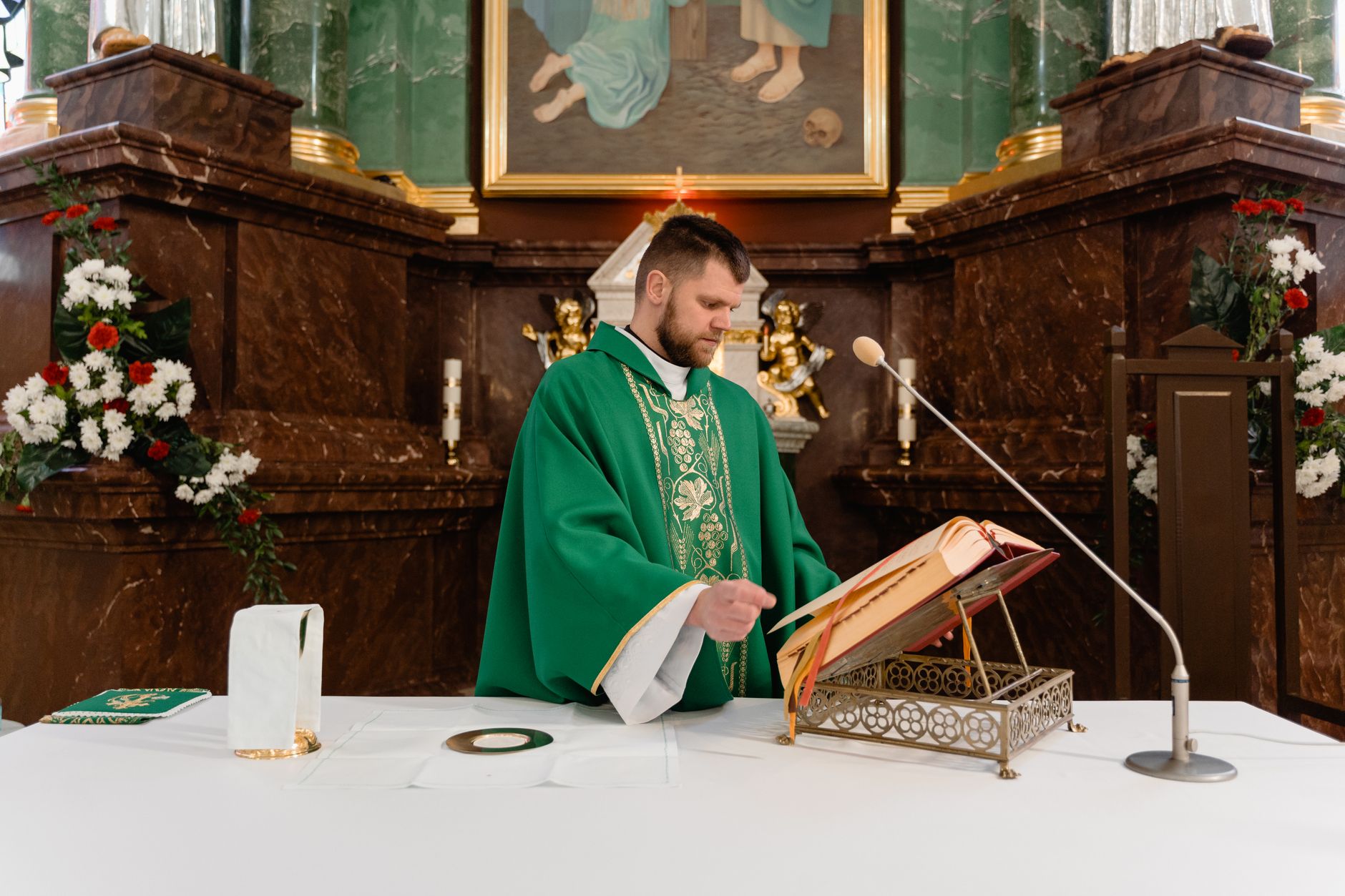
According to the Vatican, the service was attended by members of the hospital’s medical and nursing staff, as well as personnel from the Vatican City State Gendarmerie Corps. During his homily, the Pope expressed his gratitude to the healthcare workers, specifically mentioning the doctors, nurses, and orderlies for their care during his period of frailty.
Why It Matters: Global and Religious Implications
The health of the Pope is never merely a private medical matter; it is a matter of global interest and institutional stability. As the spiritual leader of over 1.3 billion Catholics, any significant health crisis involving the Papacy carries weight for the continuity of the Church and the diplomatic functions of the Vatican.
For the medical community, the case is equally significant. The Pope’s diagnosis of lung adenocarcinoma in a patient who is a non-smoker highlights a growing trend in oncology. The fact that a high-profile figure is navigating this specific type of cancer brings increased visibility to the complexities of lung health in populations previously thought to be at lower risk.
Furthermore, the Pope’s ability to maintain his schedule—including his upcoming public appearances and potential international travel—serves as a barometer for the stability of his leadership. A prolonged recovery could lead to a shift in how the Vatican manages its global outreach and diplomatic engagements.
Deep-Dive: Understanding the Medical Context
To understand the gravity and the hope surrounding the Pope’s condition, it is necessary to examine the specific medical details of his diagnosis and the surgical method employed.
The Nature of Lung Adenocarcinoma
Lung adenocarcinoma is a type of non-small cell lung cancer (NSCLC) that typically starts in the cells that line the outer surfaces of the lungs. Unlike other forms of lung cancer that are heavily linked to smoking, adenocarcinoma is frequently found in non-smokers.
Dr. Lary Robinson, an oncologist at Moffitt Cancer Center in Tampa, Florida, noted that while approximately 80% of lung cancers occur in those with a history of smoking, a significant minority occurs in non-smokers. Specifically, Robinson pointed out that an estimated 10% of male patients and 25% of female patients diagnosed with lung cancer have never smoked.
The Surgical Approach: VATS and Lobectomy
The procedure performed on Pope Leo XIV was a lobectomy, which involves the removal of one of the lobes of the lung. The human lungs are divided into lobes—the right lung has three, and the left lung has two. By removing only the lower lobe of the right lung, surgeons aimed to excise the cancerous tissue while preserving as much respiratory function as possible.
Dr. Marc Siegel, a senior medical analyst, explained that the procedure likely utilized VAT (video-assisted thoracoscopy). This minimally invasive technique involves small incisions rather than a large open chest cavity incision. The benefits of VATS include:
| Feature | VATS (Video-Assisted) | Traditional Thoracotomy (Open) |
|---|---|---|
| Incision Size | Small, localized incisions | Large incision through the chest wall |
| Pain Levels | Generally lower post-operative pain | Higher post-operative pain |
| Recovery Speed | Quicker return to daily activities | Longer hospital stay and recovery |
| Scarring | Minimal scarring | Significant scarring |
Dr. Siegel noted that because the Pope was in good health prior to the diagnosis and was a non-smoker with likely strong underlying lung function, the loss of a single lobe should not significantly impede his ability to conduct daily activities, provided his pain is effectively managed.
Analyzing the Prognosis
The primary factor in determining the long-term outlook for the Pope is the stage of the cancer. The fact that the medical team proceeded directly to surgery suggests that the cancer was likely localized, meaning it had not spread to distant organs or lymph nodes.
Dr. Robinson explained that if the cancer is confirmed to be Stage 1, the chances of a cure are high—approximately 90%. However, the final determination will depend on the results of the pathology report, which will examine the removed tissue to see if any microscopic cancer cells were found at the margins of the surgical site. This report will dictate whether the Pope requires follow-up treatments, such as chemotherapy or radiation, to ensure no residual disease remains.
What It Means for You
Depending on your connection to this story, the implications of Pope Leo XIV’s health vary:
Counterpoints and Open Questions
While the Vatican’s reports of “steady improvement” are encouraging, several questions remain unanswered that could impact the narrative of his recovery:
What Happens Next
The coming days will be critical in determining the trajectory of the Pope’s recovery. Key milestones to watch include:
Frequently Asked Questions
What specific type of lung cancer does Pope Leo XIV have?
According to the Vatican and medical experts, the Pope has been diagnosed with lung adenocarcinoma. This is a type of non-small cell lung cancer that often occurs in the outer regions of the lungs and is frequently diagnosed in individuals who have never smoked cigarettes.
Can you get lung cancer if you have never smoked?
Yes. While smoking is a primary risk factor for many types of lung cancer, lung adenocarcinoma is notably common among non-smokers. Medical data cited by Dr. Lary Robinson indicates that approximately 10% of men and 25% of women diagnosed with lung cancer have no history of smoking. Other factors, such as environmental exposure or genetics, may play a role.
Where is the Pope currently receiving treatment?
The Pope is recovering at Gemelli Hospital in Rome, Italy. This facility is well-known for treating high-profile patients and has provided specialized care for the Pope during his current recovery from thoracic surgery.
When will the Pope return to his public duties?
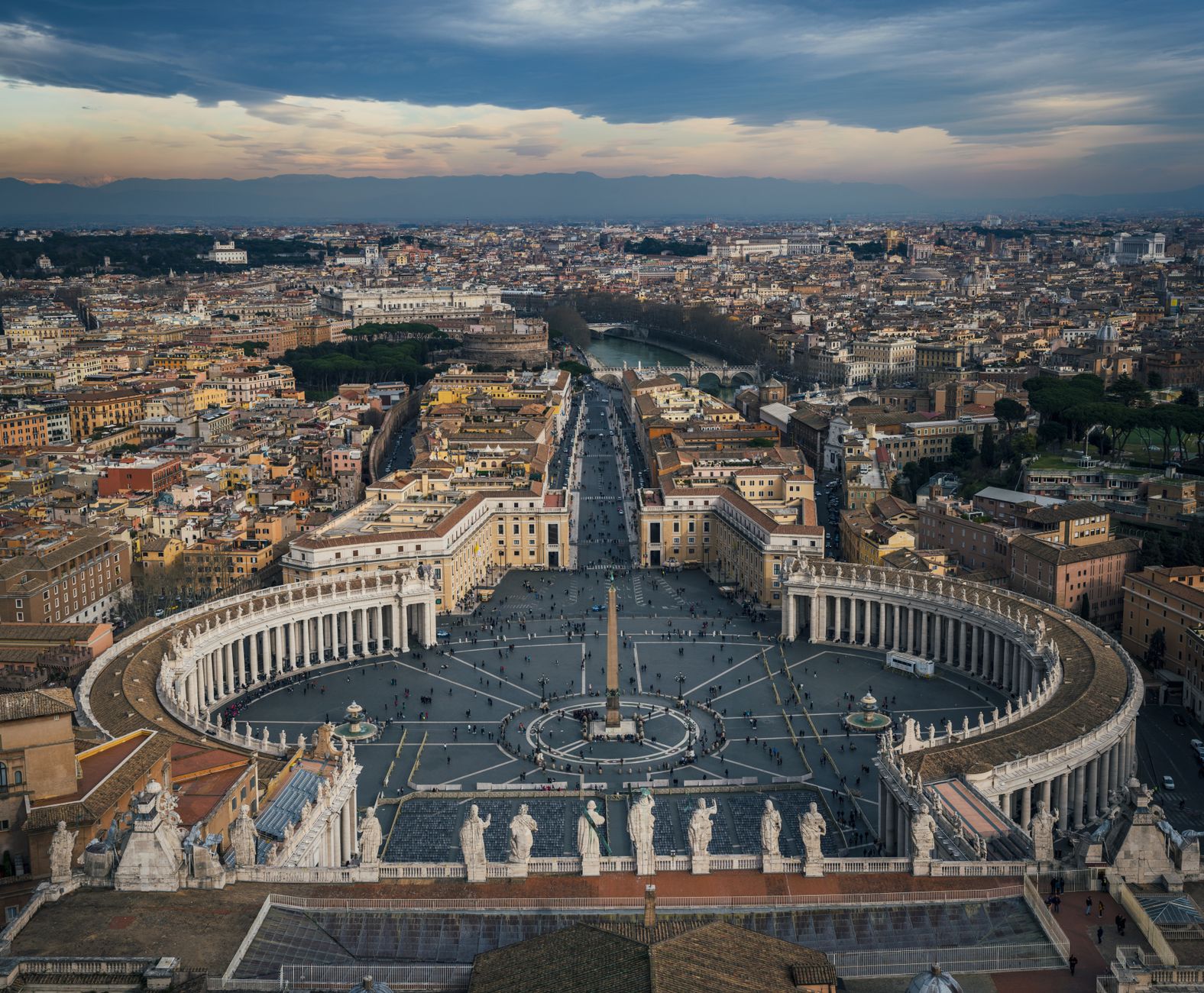
The Vatican has indicated that Pope Leo XIV plans to make his first public appearance since his surgery this coming Sunday during the noon Angelus. This event is a traditional weekly appearance where the Pope addresses the faithful in Saint Peter’s Square.
Conclusion
As Pope Leo XIV continues his recovery at Gemelli Hospital, the focus remains on the successful results of his recent lobectomy and the forthcoming pathology reports. While the diagnosis of lung adenocarcinoma is serious, the Pope’s ability to celebrate Mass and his “steady improvement” offer a sense of cautious optimism for the Vatican and the global Catholic community. The coming weeks will provide the necessary clarity regarding his long-term health and his ability to maintain his rigorous international schedule.
References
Featured image: Photo by M.Emin BİLİR on Pexels