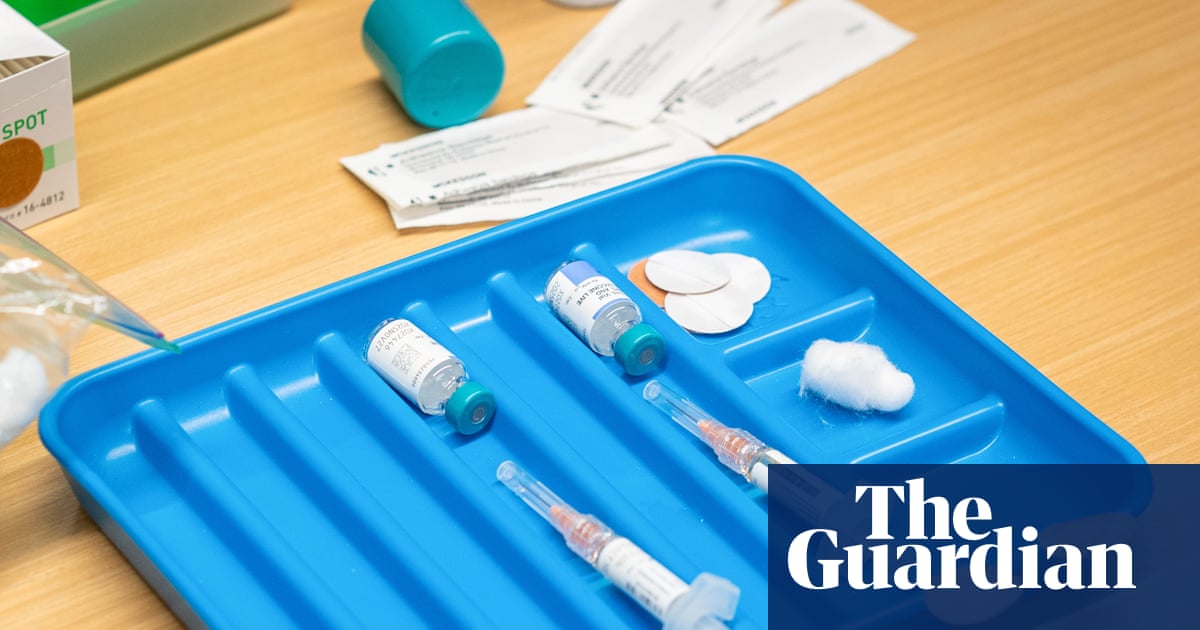
The Pennsylvania <a href="https://news.quantosei.com/2026/09/27/pennsylvania-measles-outbreak-key-details-and-impact/" title="<a href="https://news.quantosei.com/2026/09/27/pennsylvania-measles-outbreak-key-analysis-of-the-2026/" title="Pennsylvania measles outbreak: Key Analysis of the 2026 Crisis”>Pennsylvania measles outbreak: Key Details and Impact”>measles outbreak has escalated into a significant public health crisis, with state health officials reporting 890 confirmed cases and four deaths as the virus continues to spread across dozens of counties.
Key Takeaways
- Rapid Escalation: 55 new cases were reported in a single two-day period starting Wednesday, September 24, 2026.
- High Hospitalization Rate: Of the total cases, 173 individuals have been hospitalized as the virus spreads through under-vaccinated communities.
- Geographic Epicenter: Lancaster County remains the hardest-hit area, recording 359 positive cases so far this year.
- Political Standoff: A heated dispute has emerged between Pennsylvania’s leadership and the federal government over the accuracy of reported measles-associated deaths.
- Vaccination Surge: Despite the crisis, state health officials have administered over 7,900 MMR vaccine doses this year through various community initiatives.
- For Parents and Guardians: Ensure that children are up to date on their MMR vaccinations. The CDC recommends a two-dose schedule: the first dose at 12–15 months and the second at 4–6 years. In outbreak areas, the CDC may suggest an early third dose for infants between 6 and 11 months.
- For Travelers: If you have recently traveled through Philadelphia International Airport or visited major medical centers in the region, monitor yourself for symptoms. Measles symptoms typically appear 7 to 14 days after infection and include high fever, cough, runny nose, red, watery eyes, and a spreading rash.
- If You Feel Ill: If you or a family member develops a fever and a rash, do not walk directly into a doctor’s office or emergency room. Call your healthcare provider first to arrange for phone triage or specialized entry to prevent spreading the virus to others in the waiting area.
- The Data Dispute: Is the federal government’s decision to exclude certain deaths a standard scientific review of causality, or is it a political move to minimize the perceived severity of the outbreak?
- The Effectiveness of Response: Does the state’s refusal to request an Epi-Aid until the CDC acknowledges the deaths hinder the containment of the virus, or is the refusal a necessary stand for data integrity?
- The Role of Misinformation: To what extent has the rhetoric from federal officials contributed to the declining vaccination rates that allowed this outbreak to occur?
- Underreporting: As noted by infectious disease specialist Dr. John Goldman, there is a significant risk that the official case count is an underestimation, as symptomatic family members who do not seek hospital care are often not tested.
- The Bloomsburg Fair Clinic: A free vaccination clinic is scheduled to take place at the Bloomsburg Fair in Columbia County from September 26 through October 3, 2026. The success of this clinic will be a key indicator of the state’s ability to reach community members through local events.
- CDC Response: All eyes are on the CDC to see if they will respond to Secretary Bogen’s request for death recognition or if the impasse with the state will continue.
- Case Trend Monitoring: Health officials will be watching to see if the 55-case surge seen in late September continues or if the increased vaccination efforts and hospital triage protocols begin to flatten the curve.
- www.inquirer.com
- www.theguardian.com
- abcnews.com
- www.theguardian.com
What Happened
On Friday, September 26, 2026, the Pennsylvania Department of Health (DoH) announced a sharp increase in the Pennsylvania measles outbreak, noting that 55 new cases had been identified since the previous Wednesday. This recent surge contributes to a growing total of 890 confirmed measles cases across 39 counties within the state for the 2026 calendar year.
The outbreak, which began in late April 2026, has not only increased in volume but also in severity. According to state data, the outbreak has resulted in 173 hospitalizations and four deaths. Health officials noted that the virus is disproportionately affecting younger populations, with 31% of all reported cases occurring in individuals under the age of 18. Furthermore, the department highlighted a critical vulnerability in community immunity, stating that fewer than 1% of the infected individuals had been vaccinated against the disease.
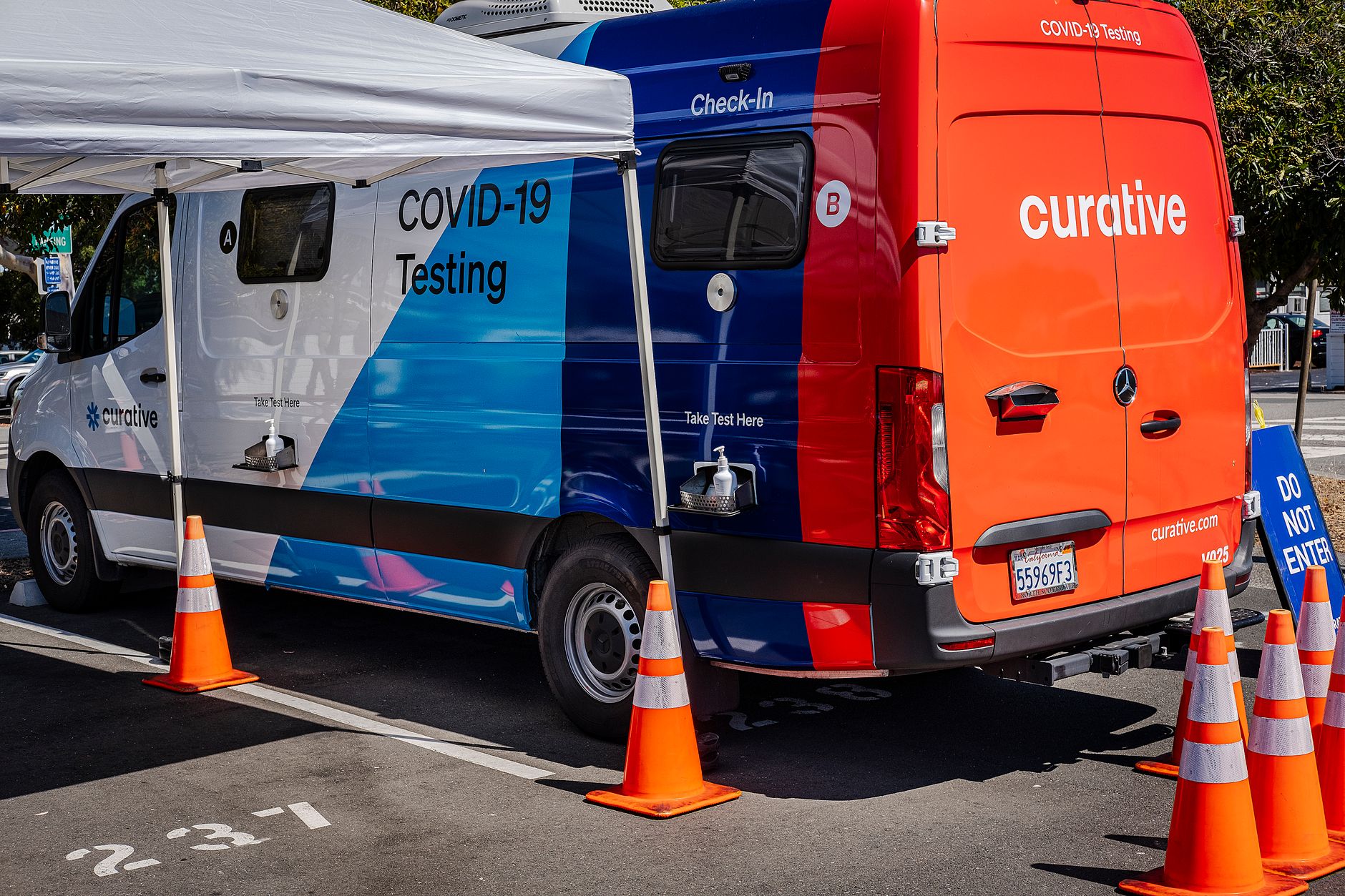
The rapid spread has been exacerbated by specific exposure incidents in high-traffic and sensitive areas. In mid-September, reports surfaced of measles exposure at the Children’s Hospital of Philadelphia (CHOP), specifically within a neonatal intensive care unit (NICU), and at the Philadelphia International Airport, where travelers moved through Terminals B, C, D, E, and F.
Why the Outbreak Matters
The scale of this outbreak is significant because measles is one of the most contagious viruses known to medicine. According to the Centers for Disease Control and Prevention (CDC), the virus can survive in the air for up to two hours after an infected person has left an area. The contagion rate is exceptionally high, with the potential to infect up to 9 in 10 unvaccinated people who are exposed to the virus.
Beyond the immediate clinical risk, the Pennsylvania measles outbreak has become a flashpoint for intense political conflict. The crisis has exposed a deep rift between state-level Democratic leadership and the Republican-led federal administration. This friction is not merely rhetorical; it has begun to impact the technical response to the outbreak, specifically regarding how mortality data is reported and how federal assistance is deployed.
Regional Impact and Case Distribution
The outbreak is not uniform across the state. While dozens of counties are affected, a small number of regions account for the vast majority of the infections. Lancaster County has emerged as the epicenter, bearing the brunt of the epidemic.
| County | Reported Cases (2026) | Status |
|---|---|---|
| Lancaster | 359 | Epicenter / Highest Case Count |
| Mifflin | 93 | High Concentration |
| Chester | 76 | Significant Cluster |
| Other Counties | 362 | Distributed Spread |
Deep-Dive: The Conflict Over Mortality Data
At the heart of the current crisis is a dispute over the characterization of the four deaths associated with the measles outbreak. The deaths include two infants in Lancaster County, a 40-year-old woman in Jefferson County, and an 18-year-old in Mifflin County.
Federal officials have cast doubt on these figures. U.S. Health and Human Services (HHS) Secretary Robert F. Kennedy Jr., a prominent vaccine skeptic, has used social media to suggest that some of the reported deaths “may even have been altogether fabricated” for political purposes. While Secretary Kennedy later partially retracted this by acknowledging one death was indeed caused by measles, the skepticism has persisted.
Adding to the complexity, the CDC has reportedly instructed agency staff not to include two of the measles-associated deaths reported by Pennsylvania in its national tally. Federal officials stated they are reviewing “additional information” regarding the deaths. This decision has led to a standoff between Pennsylvania Health Secretary Debra Bogen and federal agencies.
Secretary Bogen has taken a firm stance, stating that the CDC’s refusal to recognize these deaths undermines the state’s public health response. In a formal communication to CDC Director Erica Schwartz, Bogen indicated that the state would consider rescinding its request for a CDC Epi-Aid—an emergency epidemiological assistance team—unless the agency acknowledges the deaths in its official data. This creates a dangerous paradox: the state needs federal expertise to manage the outbreak, but it refuses to accept that expertise if it comes at the cost of data transparency.

The Medical Reality of Measles-Associated Deaths
While the political debate rages, medical professionals are working to explain the clinical nuances of these fatalities. One point of contention involves the two infants in Lancaster County. A local coroner noted that while one of the infants tested positive for the measles virus, the immediate cause of death was recorded as a lacerated spleen.
However, medical experts, including those observing the outbreak, have noted that measles infections can significantly weaken the spleen, potentially increasing the risk of a rupture. This distinction—whether a death is caused directly by the virus or by a complication made possible by the virus—is at the center of the disagreement between state health officials and federal observers.
Healthcare Response and Vaccination Efforts
In response to the rising numbers, the Pennsylvania Department of Health has pivoted toward aggressive, community-based intervention. Recognizing that traditional clinical settings may not reach the most vulnerable or hesitant populations, the state has utilized “pop-up” vaccination clinics to increase access to the measles, mumps, and rubella (MMR) vaccine.
Since the outbreak began in April, the state has conducted 148 pop-up clinics across affected communities. These efforts have yielded significant results: state health center staff have administered more than 7,900 MMR vaccine doses to residents this year. There has also been a notable surge in demand from the general public. While healthcare providers typically administer approximately 25,000 MMR doses per month statewide, that number spiked to over 46,000 in August 2026, and more than 25,000 doses were administered in just the first two weeks of September.
Clinical Management and Triage
Hospitals across the state have implemented strict protocols to prevent further transmission within healthcare facilities. For example, the University of Pittsburgh Medical Center (UPMC) has instituted aggressive screening for any patient presenting with symptoms such as fever, rash, or respiratory distress.
Similarly, Penn State Health Golisano Children’s Hospital and Penn Medicine have adopted triage protocols where symptomatic or unvaccinated patients are instructed to call ahead for phone triage rather than entering waiting rooms directly. These measures are designed to protect vulnerable patients, such as those in neonatal units, from accidental exposure.
What It Means for You
If you are a resident of Pennsylvania, particularly in Lancaster, Mifflin, or Chester counties, the current Pennsylvania measles outbreak necessitates immediate proactive health measures.
Counterpoints and Open Questions
The current situation is characterized by several unresolved questions and competing viewpoints:
What Happens Next
Several key developments will determine the trajectory of the Pennsylvania measles outbreak in the coming weeks:
Frequently Asked Questions
How contagious is measles?
Measles is one of the most infectious diseases known. It is an airborne virus that can spread through coughing and sneezing. The virus can remain suspended in the air or on surfaces for up to two hours after an infected person has left the room. If an unvaccinated person enters an area where the virus is present, they have a roughly 90% chance of becoming infected.
What are the primary symptoms of measles?
Symptoms typically emerge 7 to 14 days after exposure. Common early signs include a high fever, cough, runny nose, and conjunctivitis (red, watery eyes). These are often followed by a characteristic rash that begins on the face and spreads downward across the body. Some patients may also experience gastrointestinal symptoms or, in rare cases, complications like hepatitis.
How effective is the MMR vaccine?
According to the CDC, the MMR (measles, mumps, and rubella) vaccine is highly effective. A single dose provides approximately 93% protection, while two doses provide roughly 97% lifetime protection. Achieving a community vaccination rate of approximately 95% is generally considered necessary to maintain ‘herd immunity’ and prevent outbreaks.
Why is there a dispute over the death counts?
The dispute centers on the ‘causality’ of the deaths. While Pennsylvania health officials report four deaths ‘associated’ with measles, federal officials and the CDC are reviewing whether these deaths were caused directly by the virus or by other underlying conditions. For example, one infant in Lancaster County died of a lacerated spleen, though the child had tested positive for measles. This distinction is the core of the political and scientific disagreement between state and federal authorities.
References
Featured image: Image via the Guardian