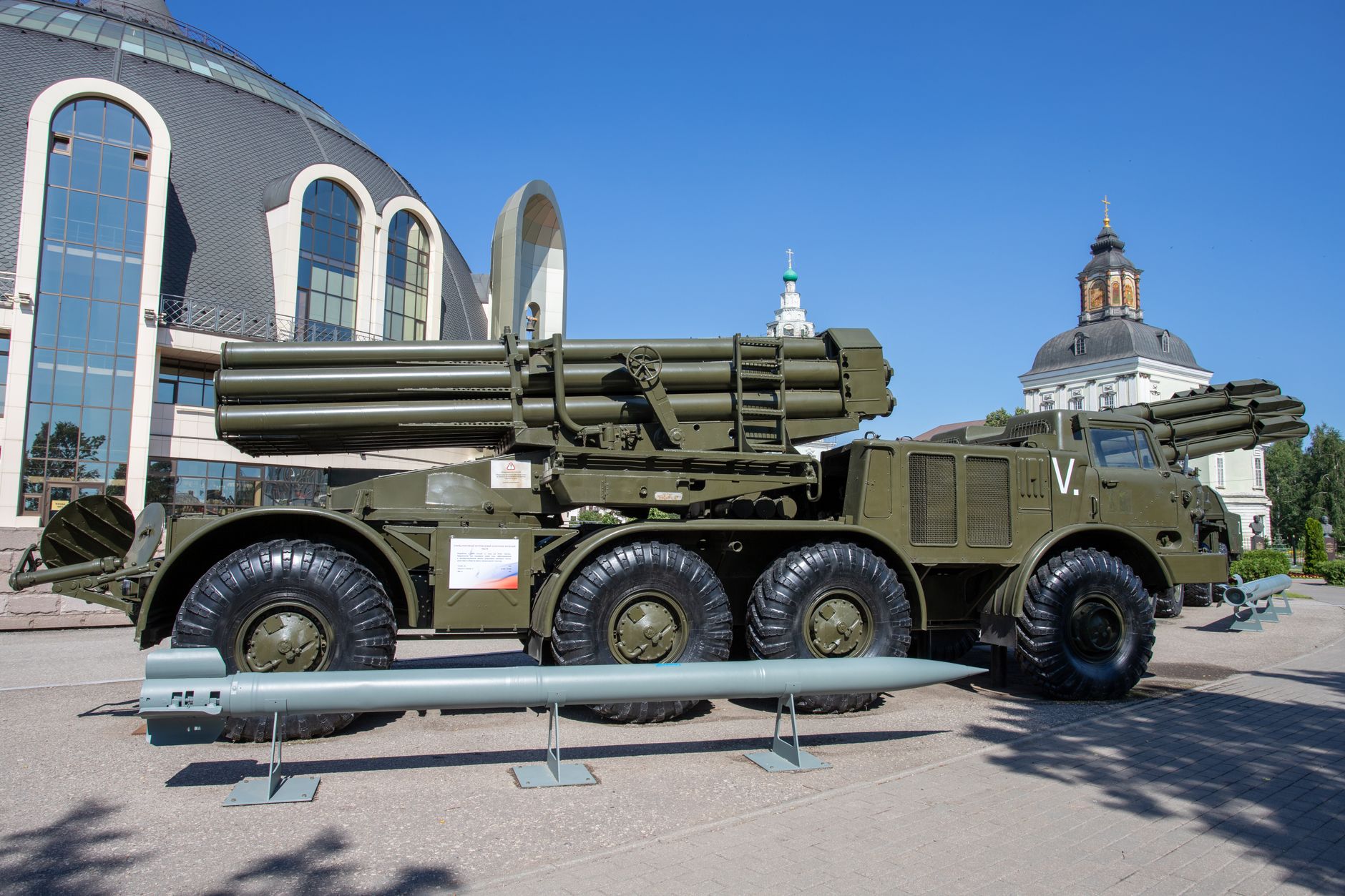
The ukraine patriot missile shortage has reached a critical tipping point, leaving the nation’s major cities increasingly vulnerable to Russian ballistic missile strikes after a recent large-scale attack resulted in zero interceptions by Ukrainian forces. This failure, occurring on August 5, 2026, has intensified fears in Kyiv that the window for effective air defense is closing as international supplies dwindle and political tensions in Washington create uncertainty regarding future aid.
Key Takeaways
- Critical Interception Failure: A massive Russian ballistic missile attack on August 5 resulted in zero interceptions, highlighting the immediate impact of depleted air defense stocks.
- Depleted U.S. Reserves: CSIS estimates suggest U.S. Patriot PAC-3 MSE inventories have fallen from over 2,300 to approximately 800 units.
- Declining Supply Rates: Ukrainian President Volodymyr Zelenskyy reported that interceptor deliveries in 2026 have dropped to just one-third of the levels seen during the same period in 2025.
- production Lag: While U.S. production of Patriot interceptors has doubled to 600 per year, the target of 2,000 per year is not expected until at least 2030.
- Geopolitical Vulnerability: Experts warn that depleted U.S. stockpiles could signal weakness to adversaries such as China and Iran, potentially creating a “window of vulnerability.”
- New Threats: Reports indicate a North Korean missile unit may be deploying to western Russia, bringing up to 120 ballistic missiles to the conflict.
- The Netherlands: While providing approximately 3 billion euros in annual military aid to Ukraine until at least 2029, the Netherlands Defense Ministry spokesman, Kees Bakhuis, stated on August 6 that they have already delivered their Patriot missiles and are currently unable to deliver more from existing stockpiles.
- Sweden: Providing significant financial support through the PURL initiative, with a total contribution of $535 million, including an additional $108 million.
- Germany and Romania: Both nations have declined to comment on the operational specifics of their Patriot inventories, leaving their ability to assist unconfirmed.
- Other EU Nations: Countries like Poland and Greece also operate these systems, but the immediate availability of interceptors remains a critical unknown.
- The North Korean Deployment: The arrival of North Korean ballistic missiles in western Russia will be the first major test of Ukraine’s depleted interceptor stocks in the second half of 2026.
- U.S. Production Milestones: Watch for reports from Lockheed Martin and Northrop Grumman regarding their ability to sustain and exceed the current production rate of 600 interceptors per year.
- European Aid Decisions: The degree to which countries like Germany and Romania move from “no comment” to active assistance will be a critical indicator of the EU’s ability to fill the gap left by the U.S.
- The 2030 Target: The long-term stability of global air defense depends on whether the U.S. can successfully scale production to the 2,000-per-year target by the end of the decade.
- www.rferl.org
- www.washingtonpost.com
What Happened: The August 5th Crisis
On August 5, 2026, a large-scale Russian ballistic missile attack targeted key regions of Ukraine, including the capital, Kyiv. Despite the presence of advanced air defense systems, Ukrainian forces were unable to intercept a single incoming missile during the strike. This event served as a stark, real-world demonstration of the Ukraine Patriot missile shortage that has been warned about by military analysts and Ukrainian officials for months.
Following the attack, Ukrainian President Volodymyr Zelenskyy met with military leadership on August 2 to discuss the protection of critical infrastructure. In the wake of the failed interceptions, Zelenskyy emphasized that the primary obstacle to defending Ukraine is not the existence of the missiles themselves, but the political decisions governing their delivery. “Our partners have the missiles,” Zelenskyy stated, “What is needed are the necessary political decisions on deliveries and on accelerating production, including localization in Ukraine.”
Ukrainian Foreign Minister Andriy Sybiha echoed this urgency on August 5, noting that Russian strikes do not take vacations and that every interceptor is a life-saving tool. The failure to intercept missiles on August 5 has transformed the theoretical threat of a munitions shortage into a visible, deadly reality for the Ukrainian population.

Why It Matters: A Depleting Shield
The significance of this shortage extends far beyond the immediate battlefield. The inability to intercept ballistic missiles puts civilian infrastructure, energy grids, and urban centers at extreme risk. For Ukraine, the scarcity of interceptors means that even when the technology to stop a missile exists, the lack of physical ammunition prevents its use.
Furthermore, the shortage has significant geopolitical implications. The Ukraine Patriot missile shortage is not just a local problem; it is a symptom of a broader depletion of United States strategic reserves. Military analysts from the Center for Strategic and International Studies (CSIS) have warned that as the U.S. depletes its own inventories to support Ukraine, it may inadvertently create a “window of vulnerability” that other global actors could exploit.
If China perceives that U.S. readiness is diminished, or if Iran concludes that the U.S. lacks the resources to engage in new hostilities, the regional balance of power could shift. This creates a paradox where the effort to defend one nation might unintentionally weaken the deterrent capabilities of the United States in other critical theaters.
The Inventory Gap: U.S. Stockpile Analysis
To understand the scale of the crisis, one must look at the data regarding U.S. military inventories. While the U.S. administration has publicly maintained that munitions supplies are “massive,” independent research suggests a much more precarious situation.
According to research from CSIS, the inventories of the most critical interceptor systems have seen dramatic declines since the conflict began in February. The following table outlines the estimated changes in U.S. strategic stockpiles as reported by CSIS and other military analysts:
| System Type | Pre-Conflict Inventory (Est.) | Current Inventory (Est.) | Status/Trend |
|---|---|---|---|
| Patriot PAC-3 MSE | >2,300 | ~800 | Significant Depletion |
| THAAD | (Not specified) | Nearly Halved | High Usage in Iran |
| Annual Patriot Production | ~300 | ~600 | Doubled, but below target |
| Target Production (2030) | N/A | 2,000 | Long-term goal |
Mark Cancian, a senior adviser at CSIS, noted that the current levels of Patriot interceptors are near a threshold that war planners are hesitant to cross. “We’re down to about 800 or 900,” Cancian told RFE/RL. “The war planners don’t want to go below that, so it would be very difficult to provide any of those or any new production to Ukraine for quite a while.”
Political Friction in Washington
The Ukraine Patriot missile shortage has become a focal point of intense political disagreement within the United States. On one side, media reports and think tanks are sounding the alarm regarding depleted stocks. On August 4, CNN reported that Patriot inventories have reached “dangerously low” levels, citing unnamed officials.
On the other side, the Trump administration has pushed back against these reports. Defense Secretary Pete Hegseth dismissed the CNN report as “fake news.” President Donald Trump has also taken to Truth Social to assert that the United States possesses “massive” amounts of munitions and is currently building more factories than at any other time in the country’s history. In an August 6 post, Trump stated, “Defense companies are building the largest number of plants and factories in our country’s history… The ‘leakers’ of these treasonous statements are being hunted down.”
Despite these assertions, anonymous U.S. administration officials told RFE/RL that the CSIS estimates regarding the depletion of Patriot and THAAD stocks are “broadly accurate.” This disconnect between official rhetoric and intelligence-based estimates creates a volatile environment for both diplomatic negotiations and military planning.

The European Response and the Pivot to Alternatives
As U.S. supplies remain uncertain, Ukraine has been forced to look toward its European neighbors. In early July, Ukrainian Defense Minister Mykhaylo Fedorov sent requests to nearly 40 countries for the temporary transfer of Patriot interceptors. However, the ability of European nations to assist is highly uneven.
While seven EU nations operate Patriot systems, many are facing their own supply constraints. The current landscape of European support is summarized below:
Because of the high cost and extreme scarcity of Patriot interceptors, military analysts suggest that Ukraine may eventually be forced to undergo a strategic shift. This would involve transitioning from high-end, expensive interceptors to “attritable” or lower-cost technologies. These include drone-based air defense systems and experimental laser-based systems designed to intercept incoming threats at a fraction of the cost of a PAC-3 MSE missile.
The North Korean Factor
The urgency of the Ukraine Patriot missile shortage is compounded by new intelligence regarding North Korean involvement. Reports indicate that a North Korean missile unit may be deploying to western Russia. This deployment could bring up to 120 ballistic missiles and six launchers into the conflict, significantly increasing the volume of incoming threats that Ukraine’s depleted air defenses must manage.
If Russia successfully integrates North Korean ballistic missile capabilities, the demand for interceptors will likely outpace even the current doubled production rates of the United States. This creates a mathematical impossibility for Ukraine to maintain its current defense posture without a massive influx of new technology or a significant increase in production speeds.
What It Means for You
The implications of the Ukraine Patriot missile shortage vary depending on your role in the global community:
For Investors and Market Analysts
If you are invested in the defense sector, specifically companies like Lockheed Martin and Northrop Grumman, the current crisis highlights both a massive demand driver and a production bottleneck. The U.S. has signed agreements with these firms to expand production, but the timeline to reach 2,000 interceptors per year is not until 2030. Expect continued volatility as production milestones are met and as political debates in Washington dictate contract volumes.
For Voters and Policy Observers
If you are following U.S. foreign policy, the tension between the White House’s claims of “massive” supplies and the CSIS/CNN reports of “dangerously low” stocks is a key indicator of how the administration manages transparency and international commitments. The outcome of this debate will likely shape the future of U.S. involvement in NATO and other international security frameworks.
For Residents in Conflict-Adjacent Regions
If you live in Europe or near potential conflict zones, the depletion of U.S. strategic reserves is a signal of a shifting security landscape. The potential for a “window of vulnerability” means that regional stability may rely more heavily on European industrial capacity and the success of new, lower-cost defense technologies like drones and lasers.
Counterpoints and Open Questions
While the shortage is widely reported, there are significant counter-arguments and unknowns that prevent a definitive conclusion on the severity of the crisis.
The Production Argument: Supporters of the current administration, such as Senator Rick Scott, argue that the U.S. is making unprecedented strides in industrial mobilization. Scott has stated that the White House is “absolutely committed to supporting Ukraine” and is confident that weapons will be provided as needed. This perspective suggests that the current shortage is a temporary logistical hurdle rather than a systemic failure.
The Localization Question: President Zelenskyy has suggested that the solution lies in the localization of production within Ukraine. If production can be moved closer to the front lines, the logistical strain of shipping interceptors from the U.S. or Europe could be mitigated. However, the technical complexity of Patriot systems makes rapid localization a massive industrial challenge.
Unconfirmed Data: Much of the data regarding the exact number of missiles in U.S. and European stockpiles is classified. While organizations like CSIS provide highly credible estimates, they are still estimates. The exact level of depletion remains an open question that only the Pentagon can fully answer.

What Happens Next
Several key catalysts will determine if Ukraine can stabilize its air defenses in the coming months:
Frequently Asked Questions
Why is there a shortage of Patriot missiles in Ukraine?
The shortage is driven by a combination of high consumption rates during the conflict and a historical lack of high-volume production. Before the war, the U.S. was only producing about 300 interceptors per year. While that has doubled to 600, the demand from Ukraine and the need to replenish U.S. strategic reserves has outpaced this increased production. Additionally, the depletion of THAAD stocks due to operations in Iran has further strained overall missile defense resources.
How does the U.S. respond to the reported shortage?
The U.S. response is divided. The executive branch, including President Trump and Defense Secretary Hegseth, has publicly denied that there is a critical shortage, emphasizing that production is at record levels. However, military analysts and think tanks like CSIS argue that despite increased production, the actual inventories of PAC-3 MSE interceptors have dropped significantly, leaving little room for error in supporting Ukraine.
Can Ukraine use other technologies besides Patriot missiles?
Yes. Because Patriot interceptors are extremely expensive and scarce, Ukraine is increasingly looking toward alternative technologies. This includes the use of drone-based air defense systems and the potential integration of laser-based systems. These “attritable” technologies are designed to be much cheaper and more numerous, though they currently lack the same level of effectiveness against high-end ballistic missiles.
What is the role of North Korea in this crisis?
Intelligence reports suggest that North Korea may be providing Russia with ballistic missile capabilities, including up to 120 missiles and six launchers. This adds a new layer of complexity to the conflict, as it increases the total number of missiles Ukraine must intercept, further straining its limited supply of Patriot interceptors.
Conclusion
The Ukraine Patriot missile shortage represents a critical intersection of military necessity, industrial capacity, and geopolitical strategy. As the gap between Russian missile volume and Ukrainian interception capability widens, the international community faces a choice: accelerate the industrial mobilization of missile defense or witness a fundamental shift in the security landscape of Eastern Europe. For now, the skies over Ukraine remain a testing ground for the limits of Western munitions and the resilience of the nations that supply them.
References
Featured image: Photo by Михаил Крамор on Pexels