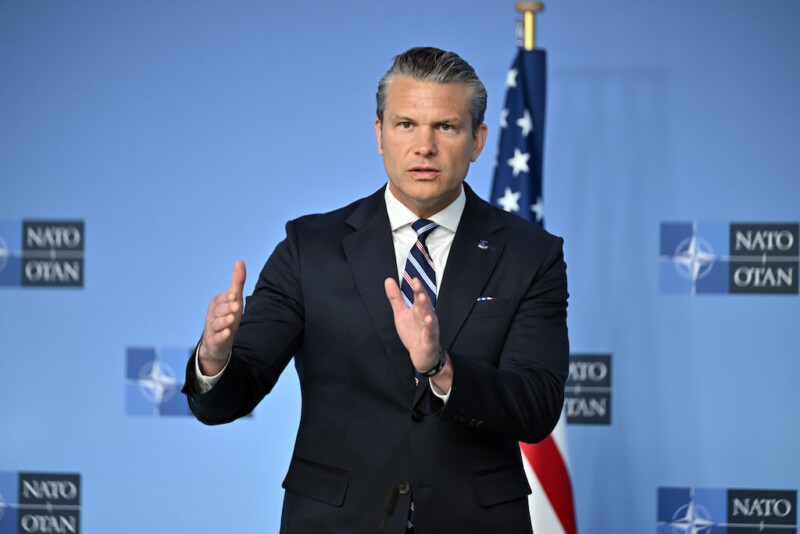
Defense Secretary Pete hegseth has announced a sweeping plan for military leadership cuts, targeting a 20 percent reduction in the number of generals and admirals across the United States armed forces. Speaking on Wednesday, September 30, 2026, at the US Marine Corps base in Quantico, Virginia, Hegseth unveiled the directive as part of a broader effort to overhaul military culture and streamline the Department of Defense hierarchy.
Key Takeaways
- 20% Reduction Target: Hegseth has doubled the previous 10% reduction target, aiming to cut the number of general and flag officer positions by 20% by January 1, 2027.
- Scale of Impact: The plan is expected to affect approximately 800 positions across the one- to four-star ranks, potentially removing roughly 170 high-ranking officers from their current chains of command.
- Cultural Overhaul: Hegseth framed the cuts as a necessity to purge “woke” elements and refocus the military on “training, readiness, accountability, discipline and lethality.”
- Rank Downgrades: Rather than immediate dismissal for all, many high-level billets will be downgraded to the rank of Colonel (O-6) in the Army and Air Force, or Captain in the Navy.
- Congressional Tension: The plan has faced immediate pushback from lawmakers, including Senator Jack Reed, who warned the move could disrupt command continuity and infringe upon Congressional oversight.
- For Active-Duty Service Members: Expect significant changes to career progression and promotion standards. The administration has already introduced stricter physical fitness, body-composition, and grooming requirements. The reduction in senior billets may also mean more responsibility is shifted to mid-level officers (O-5 and O-6) much earlier in their careers.
- For Military Families: The restructuring of command could lead to periods of instability in leadership at various installations and within specific commands, potentially affecting the consistency of administrative and support services.
- For U.S. Taxpayers: While the administration argues these cuts will improve efficiency, the cost of restructuring, potential legal challenges from Congress, and the risk of losing experienced leadership could lead to unforeseen budgetary and operational costs.
- For Voters: This represents a major test of the balance of power between the Executive and Legislative branches. The outcome of the November congressional elections will likely determine how much oversight is applied to these reforms.
- The Legality of the Cuts: Does the Secretary of War have the unilateral authority to reshape the officer corps, or does this violate the Congressional mandate to “raise and support” the armed forces?
- The Impact on Readiness: Can a 20% reduction in senior leadership be achieved without creating decision-making bottlenecks during high-intensity conflicts?
- The Meritocracy Gap: How will the Pentagon ensure that the selection of the remaining 680 officers is based on professional competence rather than political loyalty?
- The Leadership Pipeline: Will the sudden removal of experienced generals and admirals create a “knowledge vacuum” that leaves the military vulnerable in the next decade?
- November Congressional Elections: The control of both chambers of Congress will dictate whether Hegseth faces a cooperative or a confrontational legislative body.
- Congressional Investigations: Leaders like Representative Thomas Massie have already signaled intent to pursue oversight, with Massie introducing articles of impeachment against Hegseth.
- The January 1, 2027 Deadline: This is the hard target for the completion of all planned reductions.
- Budgetary Approvals: The implementation of these cuts will require coordination with the national defense budget, which is subject to annual Congressional approval.
- www.foxnews.com
- federalnewsnetwork.com
- politicstoday.org
- www.aljazeera.com
What Happened: The Quantico Announcement
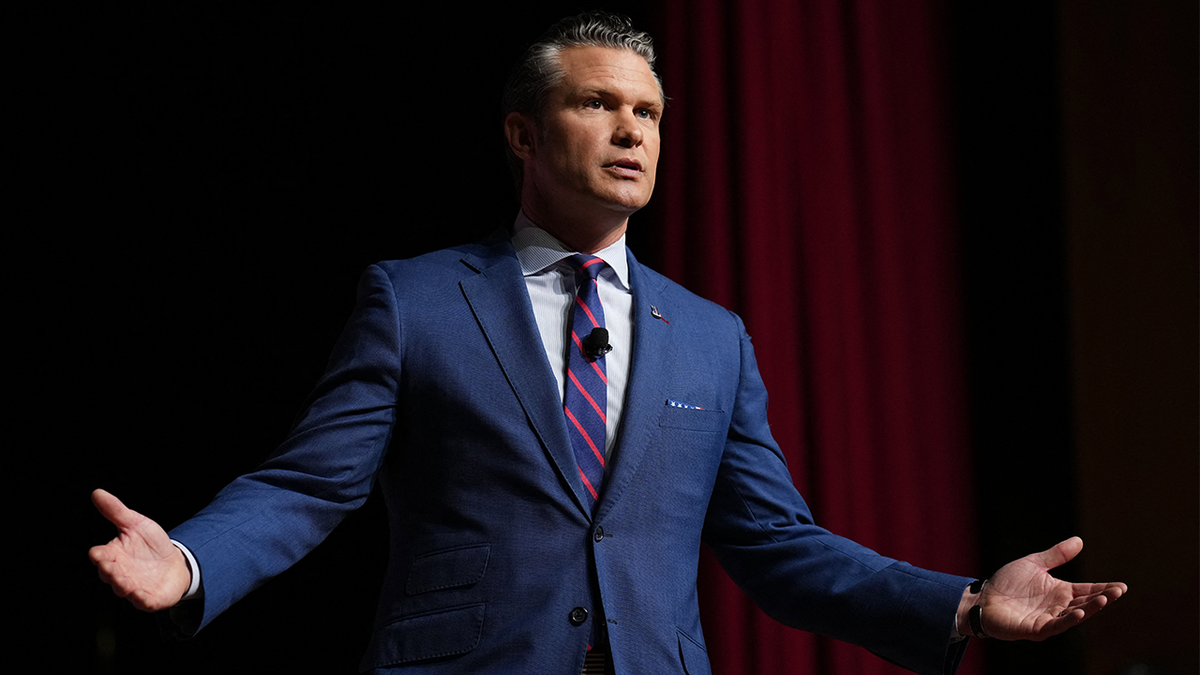
During his “State of the Force” address at the Marine Corps Base in Quantico, Defense Secretary Pete Hegseth officially detailed a plan to drastically reduce the upper echelons of the US military. The announcement marks a significant escalation of his ongoing efforts to restructure the Pentagon. According to reports from Fox News and Federal News Network, the new directive doubles the 10 percent reduction target Hegseth had established last year.
The Secretary’s plan aims to be fully implemented by the deadline of January 1, 2027. The reduction will impact all major branches, including the Army, Navy, Air Force, and the Marine Corps, as well as the military’s joint pool of officers. Hegseth characterized the move as a way to address a “top-heavy” structure, famously stating, “[This is] less generals, more GIs.”
Why It Matters: A Shift in Command and Culture
The significance of these military leadership cuts extends beyond simple administrative efficiency. The administration is positioning these reductions as a tool for cultural transformation. Hegseth argued that the current leadership structure has enabled a “poisonous culture of risk aversion” and “woke” ideologies that he believes detract from combat readiness.
“You can’t change a culture with the same people who enabled it,” Hegseth told officers at Quantico. He further emphasized a return to strict standards, stating that the military should focus exclusively on lethality and discipline, adding that “no fatties, no trannies, no weirdos, no wimps, no radicals, just warriors” would be permitted in the ranks.
For the military, this means a fundamental shift in how authority is distributed. By reducing the number of flag officers, the Pentagon intends to push more decision-making power down to lower-ranking officers closer to active operations. However, the method of implementation—which includes downgrading certain high-level billets to the O-6 rank level—will fundamentally alter career trajectories for senior officers.
Deep-Dive: The Numbers and the Hierarchy
To understand the scale of the restructuring, it is necessary to look at the current authorized limits versus the proposed reductions. While the Pentagon has historically presented cuts as a way to reduce bureaucracy, the sheer volume of this specific overhaul has drawn scrutiny from analysts.
Billet Statistics and Projections
| Category | Data Point |
|---|---|
| Target Reduction Percentage | 20% |
| Total Affected Positions (Estimated) | ~800 |
| Estimated Officers Removed from Command | ~170 |
| Estimated Officers Remaining in Command | ~680 |
| Authorized Active-Duty Billets (Sept 2025) | 857 |
| Actual Active-Duty Count (Sept 2025) | 848 |
| Actual Active-Duty Count (July 31, 2026) | 851 |
| Completion Deadline | January 1, 2027 |
As of July 31, 2026, there were 851 filled general and admiral billets out of the 857 authorized by Congress. The proposed 20% cut is intended to bring the total number of command positions significantly lower, effectively reshaping the entire leadership pipeline.
The Rank Downgrade Strategy
According to a September 16, 2026, memo from the Secretary, the reduction will not solely consist of terminations. Instead, many roles previously held by generals or admirals will be reclassified. These positions will be downgraded to the rank of O-6 (Colonels in the Army and Air Force, or Captains in the Navy). This allows the military to maintain the functions of certain offices while reducing the overall number of high-ranking officers on the payroll.
Stakeholders and Reactions: A Divided Pentagon
The announcement has ignited a fierce debate between the executive branch and military/legislative leaders. The reactions fall into two distinct camps: those who see it as necessary modernization and those who see it as political interference.
The Administration’s Defense
Supporters of Hegseth’s plan, including various Republican lawmakers, argue that the military has become bloated with unnecessary layers of command. They contend that a leaner leadership structure will increase strategic readiness and operational effectiveness by removing bureaucratic hurdles that prevent frontline troops from receiving adequate support and authority.
Congressional and Military Opposition
Critics, however, are sounding alarms regarding the potential for political purges. Senator Jack Reed, a top Democrat on the Senate Armed Services Committee and an Army veteran, issued a sharp rebuke following the announcement.
“Hegseth’s plan ‘should alarm every American,’” Senator Reed said, according to Federal News Network. He further argued that the size and structure of the senior officer corps are matters of Congressional authority under Article I of the Constitution. Reed has requested a written justification from the Pentagon before the changes are finalized, warning that the cuts could disrupt command continuity at a time when the U.S. is involved in active conflicts, such as the ongoing war in Iran.
Senator Mark Kelly of Arizona also criticized the approach, telling MS NOW’s Morning Joe that the military requires “better leadership” rather than a focus on “testosterone.” Kelly expressed concern that the administration is losing a “good portion of a generation of great leadership” through these dismissals.
Expert Analysis: Meritocracy vs. Political Alignment
Academic experts have provided nuanced perspectives on the long-term implications of these military leadership cuts.
Walter Ladwig, a political scientist at King’s College London, acknowledged that there is a legitimate case for reducing the number of flag officers, noting that the officer corps has not shrunk in proportion to the overall decline in military size since the Cold War. However, he warned of the dangers of civilian control morphing into political coercion.
“That might create incentives for military officers to censor themselves rather than provide candid professional military advice, particularly if being politically aligned with the administration is seen as a path to success,” Ladwig told Al Jazeera. He characterized this as a “worrisome pathology” often seen in ineffective militaries in dictatorships.
Robert Ralston, a lecturer at the University of Birmingham, echoed these concerns. He suggested that the combination of position cuts and the recent dismissal of high-profile leaders is part of a “broader, sustained effort by Hegseth to fill the ranks based on political, rather than meritocratic, considerations.”
What It Means for You
The impact of these changes will be felt differently depending on your relationship with the Department of Defense:
Counterpoints and Open Questions
While the administration’s goals are clearly stated, several critical questions remain unanswered:
What Happens Next
The implementation of these military leadership cuts will be a multi-year process, but several key catalysts will determine the plan’s success or failure:
Frequently Asked Questions
How many generals and admirals will be removed from the US military?
The plan targets a 20% reduction in the number of general and flag officer positions. While the exact number of individuals dismissed is not specified, the reduction will affect approximately 800 billets, which is estimated to result in roughly 170 officers being removed from their current command positions.
Why is Defense Secretary Hegseth implementing these cuts?
Hegseth has stated that the military is currently “top-heavy” and burdened by unnecessary bureaucracy. He argues that the cuts are necessary to purge “woke” culture and refocus the armed forces on core mission areas like lethality, discipline, and combat readiness.
Will all high-ranking officers be fired?
No. According to the Pentagon, the plan involves a combination of eliminating certain positions entirely and downgrading others. Many billets that were previously reserved for generals or admirals will be reclassified as O-6 positions (Colonels or Navy Captains), allowing those ranks to fill the roles.
Is this plan legal under the US Constitution?
This is a subject of intense debate. The administration asserts its right to reorganize the military under civilian control. However, Senator Jack Reed and other critics argue that under Article I of the Constitution, Congress holds the authority to determine the structure and size of the armed forces, making the plan a potential violation of legislative oversight.
Closing
As the Pentagon moves toward the January 2027 deadline, the restructuring of the US military leadership remains one of the most contentious domestic policy issues of the current administration. Whether these military leadership cuts result in a more lethal and streamlined force or a politically compromised and destabilized command structure will depend on the unfolding battle between the White House and Capitol Hill.
References
Featured image: Image via Fox News