Finding the right Google pixel 11 Pro alternatives has become a complex task for consumers in 2026, as the premium smartphone market has shifted from a battle of hardware specs to a nuanced competition of specialized user experiences. While the Google Pixel 11 Pro offers a highly polished, AI-integrated package for $1,099, its release coincides with a crowded field of competitors that prioritize different pillars of mobile technology, from raw silicon power to extreme durability and foldable versatility.
Key Takeaways
- The Performance Gap: While the Pixel 11 Pro’s Tensor G6 chip excels at on-device AI, it lags significantly behind the Snapdragon 8 Elite Gen 5 found in the Samsung Galaxy S26 in raw gaming and multitasking benchmarks.
- Camera Specialization: Google maintains a lead in computational photography and creative “Camera Looks,” but the iPhone 18 Pro remains the industry standard for professional-grade video tools.
- Foldable Divergence: Consumers choosing between foldables face two distinct philosophies: Samsung’s “short and wide” media-centric Galaxy Z Fold 8 versus Google’s “book-style” productivity-focused Pixel 11 Pro Fold.
- Value vs. Flagship: Budget-friendly alternatives like the Motorola Razr 2026 and the Nothing Phone 4a Pro provide high-end features, such as folding screens or premium cameras, at nearly half the price of the Pixel 11 Pro.
- The Ecosystem Factor: The choice often hinges on software; Apple Intelligence and Samsung’s One UI 9 offer different levels of customization and ecosystem integration compared to Google’s Gemini-centric Android 17.
- The Nothing Phone 4a Pro ($499): Described by Andrew Morrisey of BGR as “ridiculously overpowered” for its price, this device offers an 8GB RAM configuration and a 50MP telephoto lens. While it lacks the wireless charging found on the Pixel, its price-to-performance ratio is difficult to ignore.
- The Motorola Razr 2026 ($799.99): For those wanting the foldable experience without the $1,200+ price tag, the Razr offers a 6.9-inch 120Hz OLED and a functional 3.6-inch cover display. However, it uses the mid-range Dimensity 7450X chip and offers fewer years of software support than Google’s seven-year commitment.
- The Samsung Galaxy A17 5G ($250): For extreme budget needs, the A17 provides six years of software support and reliable brand reliability, though it lacks the high-end “Galaxy AI” features found in the S-series.
- www.bgr.com
- www.androidcentral.com
- www.bgr.com
- www.digitaltrends.com
- www.digitaltrends.com
What Happened: The 2026 Flagship Landscape
In September 2026, Google officially expanded its mobile lineup with the release of the Pixel 11 series, headlined by the $1,099 Pixel 11 Pro. According to reports from Digital Trends, the device has been praised for its ergonomic design, the introduction of “Camera Looks” for aesthetic control, and the integration of the Tensor G6 chip to power advanced AI features like Magic Capture and Rambler.
However, the release of the Pixel 11 Pro has not occurred in a vacuum. The smartphone industry has entered a period of intense specialization. As Vikhyaat Vivek of Digital Trends noted, the Pixel 11 Pro is no longer just competing with other standard flagships; it is fighting for market share against Apple’s latest Pro models, Samsung’s high-performance clamshells and foldables, and a new wave of high-value devices from manufacturers like Motorola and Nothing. This saturation means that a “one-size-fits-all” flagship is becoming a rarity, forcing buyers to weigh specific trade-offs in battery life, processing speed, and camera utility.
Why It Matters: The Death of the Generalist Flagship
The significance of this shift lies in how manufacturers are segmenting the $800 to $1,300 price bracket. For years, a flagship phone was expected to be the best at everything: the fastest processor, the best camera, and the longest battery. In 2026, that standard has fractured.
For the first time, a consumer must decide if they are a “Performance User,” a “Creator,” a “Productivity Specialist,” or a “Value Seeker.” As the Pixel 11 Pro targets the “Creator/Generalist” niche with its emphasis on computational photography and AI-driven ease of use, it leaves significant gaps in other areas. For instance, while Google’s Tensor G6 focuses on Neural Processing Unit (NPU) efficiency, it cannot match the raw computational throughput of Qualcomm’s silicon. This technical divergence means that the “best” phone is now entirely dependent on the user’s specific digital lifestyle.
Deep-Dive: Analyzing the Top Google Pixel 11 Pro Alternatives
To understand the competitive landscape, one must look at the specific technical and economic advantages offered by the primary rivals. The following analysis breaks down the most prominent alternatives across three major categories: Premium Performance, Foldable Innovation, and High-Value Alternatives.
1. The Premium Performance Rivalry
For users who find the Tensor G6’s performance insufficient for heavy workloads, the competition centers on Apple and Samsung.
According to benchmarks reported by Digital Trends, the Samsung Galaxy S26 is a formidable opponent. While the Pixel 11 Pro achieves an AnTuTu score of approximately 1,530,535, the Galaxy S26—powered by the Snapdragon 8 Elite Gen 5—demonstrates significantly higher ceilings in both CPU and GPU performance. In testing, the Galaxy S26 was able to maintain 60fps in demanding titles like Zenless Zone Zero, a feat the Pixel 11 Pro struggled to match at higher settings.
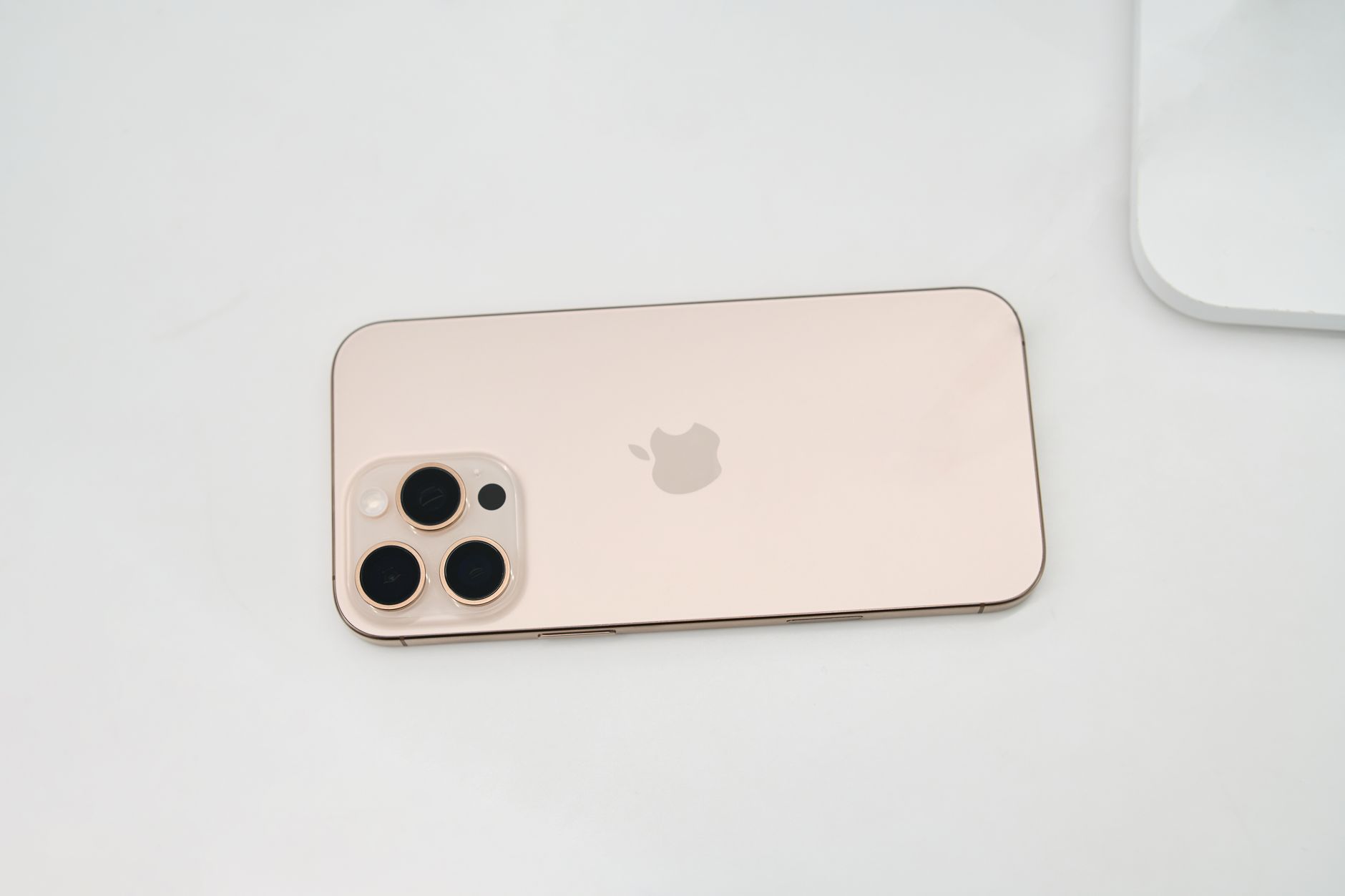
Apple remains the primary choice for those prioritizing video production. The iPhone 18 Pro, starting at $1,199, features the A20 Pro chip and a sophisticated camera system that includes a physical variable aperture (shifting between f/1.48 and f/4). This provides a level of manual control that appeals to professional creators, a segment that Google attempts to capture through software-based “Camera Looks” rather than hardware-based aperture control.
| Feature | Google Pixel 11 Pro | iPhone 18 Pro | Samsung Galaxy S26 |
|---|---|---|---|
| :— | :— | :— | :— |
| Starting Price | $1,099 | $1,199 | $899 |
| Chipset | Tensor G6 | A20 Pro | Snapdragon 8 Elite Gen 5 |
| Display | 6.3″ Super Actua (3,600 nits) | 6.3″ ProMotion | 6.3″ AMOLED |
| Main Camera | 50MP (f/1.68) | 48MP (Variable Aperture) | 50MP |
| Primary Strength | AI & Computational Photo | Video & Sustained Power | Compact Performance & Customization |
2. The Foldable Frontier
For users seeking a larger canvas, the choice between the Google Pixel 11 Pro Fold and the Samsung Galaxy Z Fold 8 represents a fundamental disagreement on what a foldable should be.
As reported by BGR, the two devices share a similar $1,899 price point but offer vastly different ergonomics. Samsung has moved toward a “short and wide” form factor, with a 7.6-inch inner display in a 4:3 aspect ratio, which Connor Jewiss of BGR suggests is better for film and gaming. Conversely, the Pixel 11 Pro Fold utilizes a more traditional “book-style” design with an 8-inch near-square inner display, making it a superior tool for reading and document editing.

Technical specifications for these foldables also highlight their diverging priorities:
Durability: The Pixel 11 Pro Fold carries an IP68 rating, offering better dust resistance than the Samsung Galaxy Z Fold 8’s IP48 rating.
Charging: Samsung leads in wired speed with 45W charging (reaching ~63% in 30 minutes), whereas Google offers 30W wired support.
Display Brightness: Google’s panel reaches a peak of 3,600 nits, surpassing Samsung’s 3,000 nits.
3. High-Value and Budget Alternatives
Not every user requires a $1,000+ flagship. The 2026 market has seen the rise of “overpowered” budget devices that undercut the Pixel 11 Pro significantly.
What It Means for You
The optimal choice among these Google Pixel 11 Pro alternatives depends entirely on your specific usage profile.
If you are a mobile gamer or power user:
Expect to find the Pixel 11 Pro’s Tensor G6 chip underwhelming for sustained high-frame-rate gaming. You should look toward the Samsung Galaxy S26 or the iPhone 18 Pro to ensure your hardware can keep up with modern, resource-intensive applications.
If you are a content creator or photography enthusiast:
If you prefer the “look” of a photo and want AI to do the heavy lifting (such as unblurring or straightening via Magic Capture), the Pixel 11 Pro remains a top contender. However, if you require manual control over shutter speed, white balance, and physical aperture for video, the iPhone 18 Pro is the more professional tool.
If you are a productivity-focused professional:
If your workflow involves heavy document editing or multitasking, the larger, near-square screen of the Pixel 11 Pro Fold provides a more natural reading experience than the wider Samsung Z Fold 8.
If you are a budget-conscious consumer:
Do not feel pressured to enter the $1,000 flagship tier. Devices like the Nothing Phone 4a Pro provide high-end camera specs and large displays for a fraction of the cost, provided you can live without certain premium features like magnetic wireless charging.
Counterpoints and Open Questions
Despite the excitement surrounding the Pixel 11 series, several criticisms persist. A primary concern raised by Harish Jonnalagadda of Android Central is the potential for “AI fatigue.” He noted that Google’s insistence on integrating AI-assisted features into every aspect of the software can sometimes feel “tedious” rather than helpful.
Furthermore, there is a lingering question regarding the long-term viability of the Tensor G6’s architecture. While Google has improved the chip’s day-to-day fluidity, the performance gap between Google’s custom silicon and Qualcomm’s Snapdragon remains a significant hurdle for those who view their smartphone as a primary computing device. Is Google’s focus on NPU performance a sustainable strategy if the raw CPU/GPU power continues to trail the market leaders? This remains an open question for developers and power users alike.
What Happens Next
As we move through the remainder of 2026, several factors will determine the market dominance of these devices. Watch for potential price adjustments on major retail platforms like Amazon and Best Buy, where budget-friendly alternatives like the Nothing Phone 4a Pro frequently see substantial discounts.
Additionally, the software landscape will continue to evolve. As Google rolls out further updates to Android 17 and Samsung refines One UI 9, the gap in software features may narrow. For consumers currently holding older models, the decision to upgrade should be timed based on whether you prioritize the emerging AI capabilities of the Pixel 11 series or the proven raw power of the latest Apple and Samsung flagships.
Frequently Asked Questions
Is the Google Pixel 11 Pro better than the iPhone 18 Pro?
The answer depends on your priority. According to reviews from Digital Trends, the Pixel 11 Pro is superior for users who value computational photography, unique AI tools like “Magic Capture,” and a clean Android 17 experience. However, the iPhone 18 Pro is widely considered better for professional video creators and users who require the highest levels of sustained processing power and ecosystem integration through Apple Intelligence.
How does the Pixel 11 Pro’s battery life compare to competitors?
nThe Pixel 11 Pro features a 4,850mAh battery, which Digital Trends describes as “merely adequate,” providing roughly 5 to 6 hours of screen-on time. This is significantly lower than the multi-day endurance seen in some specialized competitors, although it is sufficient for a full day of moderate use. For users requiring extreme battery longevity, high-end alternatives like the Pixel 11 Pro XL or certain specialized budget models may be more appropriate.
Is the Tensor G6 chip good for gaming?
While the Tensor G6 is highly efficient for AI tasks and daily multitasking, it is not the top choice for high-end gaming. Benchmarks show that it lags behind the Snapdragon 8 Elite Gen 5 found in the Samsung Galaxy S26. If your primary use for a smartphone is playing demanding titles like Zenless Zone Zero* at maximum settings, a Qualcomm-based device is a more reliable choice.
What is the difference between the Pixel 11 Pro and the Pixel 11 Pro Fold?
The main difference lies in the form factor and intended use. The Pixel 11 Pro is a traditional, compact flagship with a 6.3-inch screen, optimized for one-handed use and high-quality photography. The Pixel 11 Pro Fold is a foldable device with a much larger 8-inch internal display, designed for productivity, reading, and multitasking, though it is larger and heavier than the standard Pro model.
In summary, the Google Pixel 11 Pro remains a premier choice for those seeking a smart, camera-centric, and ergonomic Android experience
References
Featured image: Photo by RDNE Stock project on Pexels