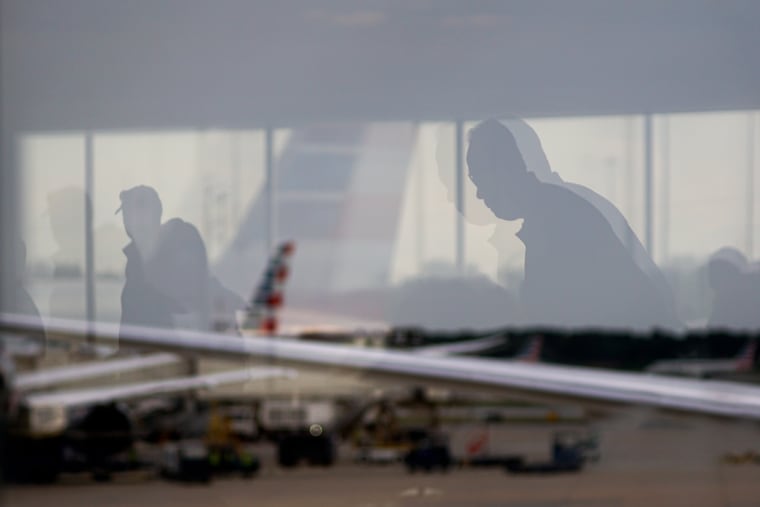
A recent philadelphia measles exposure at the city’s international airport has triggered widespread health warnings, as officials work to contain a growing outbreak that has already claimed lives across Pennsylvania.
Key Takeaways
- PHL Exposure Window: An individual with measles was present at Philadelphia International Airport (PHL) from 7:25 p.m. on Sunday, September 13, 2026, until 12:05 a.m. on Monday, September 14, 2026.
- High-Risk Locations: The exposure was concentrated in Terminals B and F, as well as the connecting corridors used to reach Terminals C, D, and E.
- Monitoring Period: Travelers who were in these areas during the specified timeframe are advised to monitor their health for symptoms through October 5, 2026.
- Statewide Context: The airport incident occurs amidst a significant Pennsylvania outbreak, with reports citing as many as 767 confirmed cases and 4 deaths in 2026.
- Vaccination is Critical: Health officials emphasize that the MMR vaccine provides 97% lifetime protection and is essential for protecting vulnerable populations, including infants.
- Sept 13, 7:25 p.m.: The individual with measles enters the airport facility.
- Sept 13, Late Evening: Potential exposure in Terminals B and F.
- Sept 14, 12:05 a.m.: The individual’s presence in the airport concludes.
- Sept 19: Official public health warning is released to the public.
- Oct 5: The recommended end date for symptom monitoring.
- Initial Stage: High fever, runny nose, cough, and red, watery eyes.
- Secondary Stage: The development of a characteristic skin rash.
- Infants under one year old.
- Pregnant individuals.
- Immunocompromised individuals.
- Verify your vaccination status: Check your medical records to ensure you have received both doses of the MMR vaccine.
- Monitor for symptoms: Watch for fever, cough, or rash through October 5, 2026.
- Practice caution: If you feel unwell, avoid crowded areas and contact your doctor via telephone first.
- The October 5 Monitoring Deadline: Public health officials will closely monitor reports of new cases following the expiration of the PHL exposure monitoring window.
- Vaccination Trends: Authorities will be watching to see if the recent surge in MMR administration (over 40,000 doses in Pennsylvania in the last month) is sufficient to bolster herd immunity.
- Case Counts in Epicenters: Continued monitoring of Lancaster and Chester counties will be essential to determine if the outbreak is stabilizing or expanding into new territories.
- www.nbcphiladelphia.com
- www.inquirer.com
- whyy.org
- 6abc.com
What Happened at Philadelphia International Airport
The Philadelphia Department of Public Health (DPH) issued an urgent notification this week regarding a potential Philadelphia measles exposure within the airport’s terminal complex. According to official statements from the health department, a single individual confirmed to have measles traveled through the facility during a five-hour window late Sunday night and early Monday morning.
Specifically, the exposure occurred between 7:25 p.m. on Sunday, September 13, 2026, and 12:05 a.m. on Monday, September 14, 2026. The individual remained within the airport premises and did not exit the facility, according to the DPH. However, the highly contagious nature of the virus means that anyone in the same airspace or vicinity during that time may have been at risk.
Health officials have pinpointed the most affected areas as Terminal B and Terminal F, along with the various connecting walkways and corridors used by passengers transitioning to Terminals C, D, and E.
While the airport incident has caused concern among travelers, the Philadelphia Department of Public Health has explicitly stated that this exposure is unrelated to a separate, recent measles exposure reported at the Children’s Hospital of Philadelphia (CHOP). Nevertheless, the timing of these two incidents has heightened public anxiety regarding the virus’s spread within the region.
Why It Matters: A Growing Public Health Crisis
The airport exposure is not an isolated event but rather a symptom of a much larger epidemiological trend currently sweeping through Pennsylvania. The scale of the current outbreak is significant, posing a direct threat to community immunity.
There is currently a discrepancy in reported data regarding the exact scale of the statewide outbreak. According to reports from NBC10 Philadelphia and The Philadelphia Inquirer, Pennsylvania has recorded 767 confirmed measles cases and 4 confirmed deaths so far in 2026. These cases are widely distributed, affecting 38 different counties across the state. In contrast, a report from WHYY noted a rising trend but cited a lower figure of 12 confirmed cases for the year. This variation in reporting highlights the difficulty of real-time data collection during a rapidly evolving outbreak.
Regardless of the exact number, the impact is undeniable. The four measles-related deaths reported this year represent the highest number of fatalities associated with the disease in the United States in over three decades. The outbreak has seen intense activity in Lancaster County and Chester County, which serve as primary epicenters for the spread.
Furthermore, the vulnerability of the local population is a growing concern. An analysis by The Philadelphia Inquirer found that as of the last school year, at least 40% of kindergartens in the Philadelphia region were vulnerable to an outbreak—a notable increase from the 33% recorded in the previous year. This gap in immunization coverage creates a landscape where a single exposure, such as the one at PHL, can lead to significant community transmission.
Deep-Dive: The Timeline of Exposures
To understand the complexity of the current situation, it is necessary to look at the overlapping timelines of the recent exposures in Philadelphia. While the airport and hospital incidents are separate, they illustrate the virus’s ability to penetrate different sectors of public life.
The PHL Airport Timeline
The CHOP Exposure Timeline
In a separate incident occurring just days earlier, the Children’s Hospital of Philadelphia (CHOP) reported a possible exposure on Friday, September 11, 2026. Unlike the airport incident, which was contained to transit areas, the CHOP exposure involved several critical clinical and communal zones:
| Location at CHOP | Time Window of Exposure |
|---|---|
| NICU West | 9:30 a.m. – 4:15 p.m. |
| NICU West Family Lounge | 9:30 a.m. – 4:15 p.m. |
| CHOP Atrium | 9:30 a.m. – 4:15 p.m. |
| CHOP Main Cafeteria | 12:05 p.m. – 2:45 p.m. |
In response to the CHOP incident, the Philadelphia Department of Public Health has been coordinating the administration of preventative antibody treatments for infants in the Neonatal Intensive Care Unit (NICU) to mitigate the risk of infection.
The Science of Contagion: How Measles Spreads
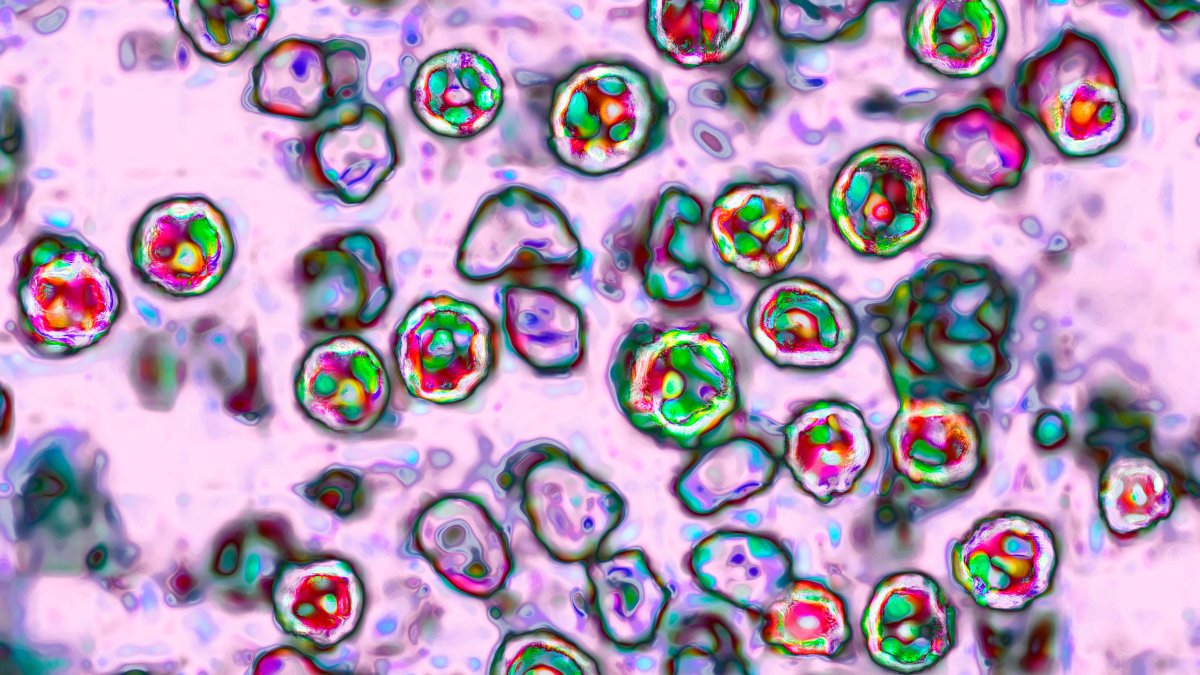
Understanding why a single individual in an airport can trigger a city-wide health warning requires an understanding of the biology of the measles virus. Measles is one of the most contagious infectious diseases known to medicine.
As reported by the Philadelphia Department of Public Health, the virus spreads through the air when an infected person coughs, sneezes, or even talks. It is not merely spread through direct contact; it is an airborne pathogen. One of the most alarming characteristics of measles is its ability to linger in the environment. Unprotected individuals can contract the virus up to two hours after an infected person has left the same room or airspace.
This “hang time” explains why the PHL exposure is so significant. Even if a traveler did not see or interact with the infected individual, the mere act of breathing the air in Terminal B or a connecting corridor during that five-hour window could result in infection.
Symptoms to Watch For
Medical experts, including those from St. Jude Children’s Research Hospital, advise that the incubation period typically lasts between 7 to 14 days. Early symptoms often mimic other respiratory illnesses, which can lead to delays in diagnosis. The progression generally follows this pattern:
If symptoms develop, health officials urge individuals to call ahead before visiting any healthcare facility. This is a critical protocol designed to prevent the virus from spreading to other patients within medical clinics and hospitals.
Vaccination, Herd Immunity, and the 95% Threshold
The primary defense against the measles virus is the MMR (measles, mumps, and rubella) vaccine. Public health experts emphasize that vaccination is not just an individual health choice but a community responsibility.
Vaccine Efficacy and Protocol
According to medical data cited by the Philadelphia Department of Public Health, the MMR vaccine is highly effective. When administered in the standard two-dose protocol, it provides approximately 97% lifetime protection. For most adults, those who have previously had measles or those born before 1957 are generally considered immune.
The Concept of Herd Immunity
To prevent a virus as contagious as measles from spreading through a population, scientists state that a community must reach a herd immunity threshold of approximately 95%. When 95% of a population is vaccinated, the virus struggles to find new hosts, which effectively shields those who cannot be vaccinated.
This threshold is vital because certain groups are medically unable to receive the MMR vaccine, including:
Dr. Palak Raval-Nelson, the Philadelphia Health Commissioner, emphasized this point in an official statement: “Every Philadelphian who is fully vaccinated has little to fear from the situation at CHOP and the airport. Even more importantly, every one of those people is doing their part to help protect our most vulnerable from measles.”

What It Means for You
Depending on your recent activities and health status, the current measles exposure may require specific actions.
If You Are a Traveler
If you were at Philadelphia International Airport in Terminals B or F, or in the corridors connecting to Terminals C, D, and E between the evening of September 13 and the early morning of September 14, 2026, you should:
If You Are a Parent or Caregiver
With the rising number of cases in Pennsylvania, parents should ensure that all school-aged children are up to date on their immunizations. Be particularly mindful of infants under 12 months, as they are at the highest risk of severe complications from measles, including pneumonia, brain infection (encephalitis), and death.
If You Are Immunocompromised or Pregnant
Individuals with weakened immune systems or those who are pregnant should consult their healthcare providers immediately to discuss their risk level and any necessary preventative measures. If you are unsure of your immunity, do not wait for symptoms to appear before seeking professional guidance.
Counterpoints and Open Questions
While the medical community is nearly unanimous on the efficacy of the MMR vaccine, the current outbreak highlights significant challenges in public health implementation.
One major concern is the “immunity gap” identified in Philadelphia-area kindergartens. While the vaccine is 97% effective, the fact that 40% of local kindergartens are considered vulnerable suggests that there are significant pockets of unvaccinated individuals. This raises the question: Is the current public health strategy sufficient to reach these specific sub-populations, or are there systemic barriers to vaccine access that need to be addressed?
Additionally, there is the challenge of protecting the most vulnerable. As the Communications Director of the Philadelphia Department of Health noted, “Babies who are under 1 year old can’t be vaccinated.” This creates a biological reality where even high vaccination rates in the general population may not be enough if they do not reach the 95% threshold required to protect those who are medically ineligible for the shot.
What Happens Next
As the city and state move through the remainder of September and into October, several key indicators will determine the trajectory of the outbreak:
For more information and official guidance, residents are encouraged to visit the city’s dedicated resource page at phila.gov/measles.
Frequently Asked Questions
What are the early symptoms of measles?
Early symptoms typically include a high fever, runny nose, cough, and red, watery eyes. These are often followed by the appearance of a characteristic skin rash. Because these symptoms can mimic the flu or a common cold, it is important to be aware of the potential exposure history if you begin feeling unwell.
How contagious is the measles virus?
Measles is extremely contagious and is transmitted through the air. An infected person can spread the virus to others simply by breathing, coughing, or talking. The virus can remain suspended in the air or on surfaces in a shared space for up to two hours after the infected individual has left the area.
How effective is the MMR vaccine?
When the measles, mumps, and rubella (MMR) vaccine is administered in two doses, it is approximately 97% effective at providing lifetime protection against the disease. This high efficacy rate is the cornerstone of community immunity.
What should I do if I think I was exposed at PHL?
If you believe you were in the affected terminals during the specified window, you should monitor your health for symptoms through October 5, 2026. If you develop a fever, cough, or rash, call your healthcare provider before visiting their office so they can take precautions to prevent spreading the virus to other patients.
References
Featured image: Image via Inquirer.com