
A groundbreaking new analysis has finally determined the T. rex body <a href="https://news.quantosei.com/2026/09/19/t-rex-body-temperature-new-study-reveals-warm-blooded-life/" title="T. <a href="https://news.quantosei.com/2026/09/17/t-rex-body-temperature-explained-why-this-discovery-matters/" title="T. rex body temperature Explained: Why This Discovery Matters”>rex body temperature: New Study Reveals Warm-Blooded Life”>temperature, providing the first direct empirical evidence that the apex predator was a warm-blooded animal.
Key Takeaways
- Measured Temperature: Researchers found the Tyrannosaurus rex maintained an average body temperature of approximately 36.3°C (97.3°F).
- Biological Comparison: This temperature is strikingly similar to modern humans and African elephants, distinguishing it from cold-blooded reptiles.
- Methodological Breakthrough: Using “clumped isotope paleothermometry,” scientists reduced the required fossil sample size by approximately 90%.
- Ecological Impact: The ability to regulate internal heat explains how T. rex could inhabit diverse climates, ranging from Mexico to the frigid regions of Alaska.
- Evolutionary Link: The findings suggest T. rex occupied a physiological middle ground between modern reptiles and their highly warm-blooded avian descendants.
- Isotope Bonding: In cooler environments, isotopes tend to form more bonds; in warmer environments, they form fewer.
- Material Durability: While bone is often used in paleontological studies, it is subject to constant remodeling and chemical dissolution throughout an organism’s life. Tooth enamel, however, contains large, durable crystalline structures that resist chemical alteration from the environment over millions of years.
- Mass Spectrometry: To conduct the test, researchers drill minuscule amounts of enamel and dentin from the fossil. This powder is dissolved in phosphoric acid to release carbon dioxide (CO2) gas. This gas is then pressurized into a jet and analyzed using a mass spectrometer, which measures the precise ratios of the isotope bonds.
- newsroom.ucla.edu
- nautil.us
- mynewsla.com
- timesofindia.indiatimes.com
- www.sci.news
What Happened: A Breakthrough in Paleontology
On September 16, 2026, the journal Science Advances published a study that has fundamentally reshaped our understanding of one of history’s most famous predators. A team of geobiologists led by Robert Eagle and Randy Flores from the University of California, Los Angeles (UCLA), successfully measured the internal temperature of a Tyrannosaurus rex.
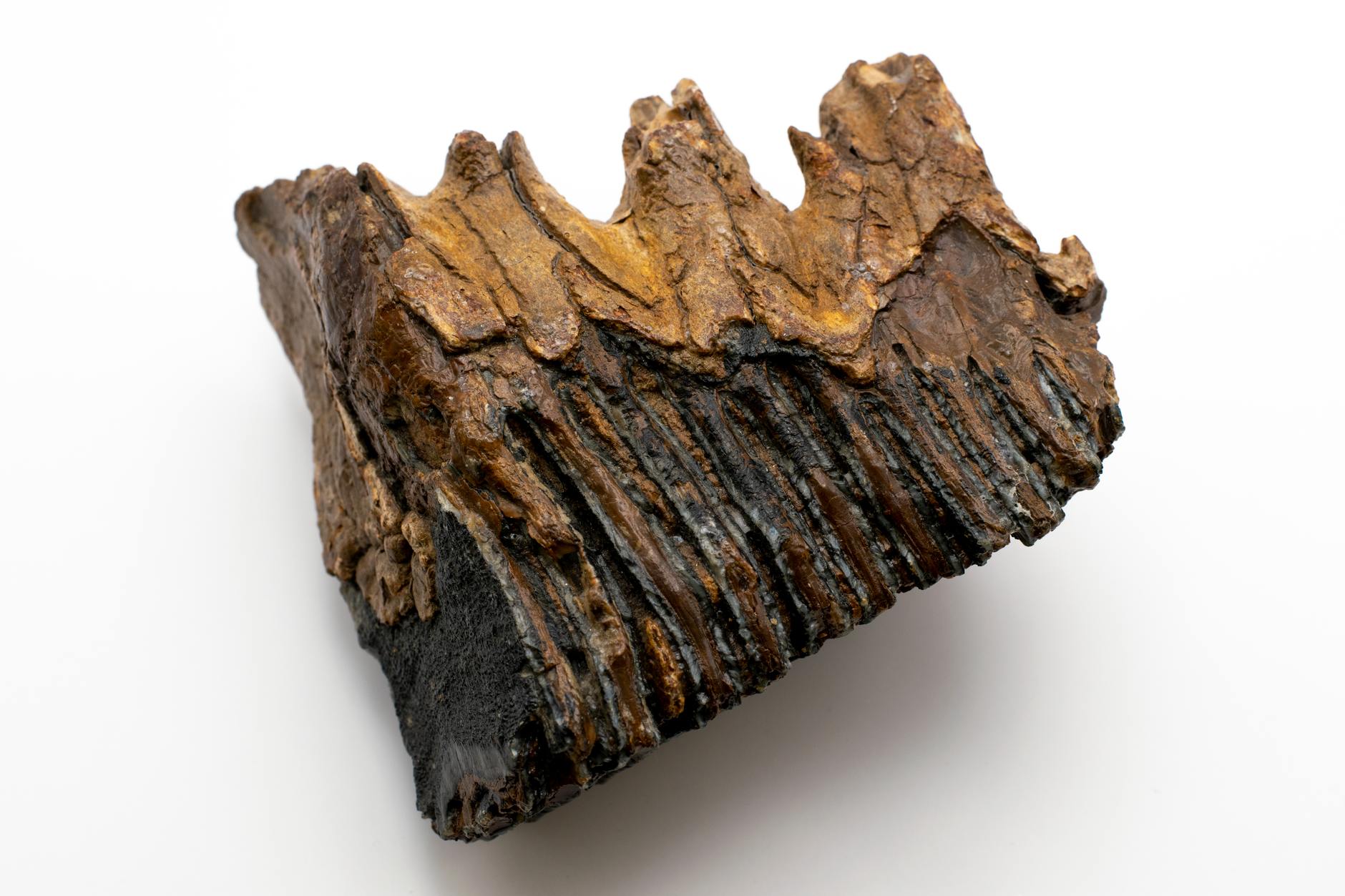
The research, which represents over a decade of methodological refinement, utilized a specialized technique to extract thermal data from fossilized tooth enamel. By analyzing the chemical bonds of isotopes within the teeth of a specimen nicknamed “Thomas,” the team concluded that the T. rex maintained a stable temperature of roughly 97 degrees Fahrenheit (36 degrees Celsius).
This discovery provides a definitive answer to a long-standing debate in vertebrate paleontology: was the “King of the Tyrant Lizards” a slow-moving, sun-basking reptile, or a highly active, warm-blooded predator? The data points strongly toward the latter. According to Robert Eagle, a UCLA geobiologist and study co-author, the results were consistent with his scientific expectations, placing the dinosaur’s temperature higher than a reptile or a slow mammal like a sloth, but lower than modern birds.
The Science Behind the T. rex Body Temperature Analysis
For years, scientists have attempted to infer the metabolism of extinct animals through indirect evidence, such as bone growth rates, locomotor costs, and geographic distribution. However, these methods often yield conflicting results. The UCLA team bypassed these uncertainties by employing a technique known as clumped isotope paleothermometry.
How the “Geologic Thermometer” Works
The process relies on the unique behavior of rare isotopes of carbon and oxygen. When tooth enamel forms in a living organism, these isotopes bond together in specific patterns that are dictated by the ambient temperature of the animal’s body.
Aradhna Tripati, a UCLA isotope geochemist and senior author of the study, noted that the ability to perform this analysis with such small samples was a major hurdle. “Nobody hands you a T. rex tooth unless you can show them you only need a few milligrams,” Tripati said, highlighting the decade of work required to standardize this method.
Comparing Ancient and Modern Temperatures
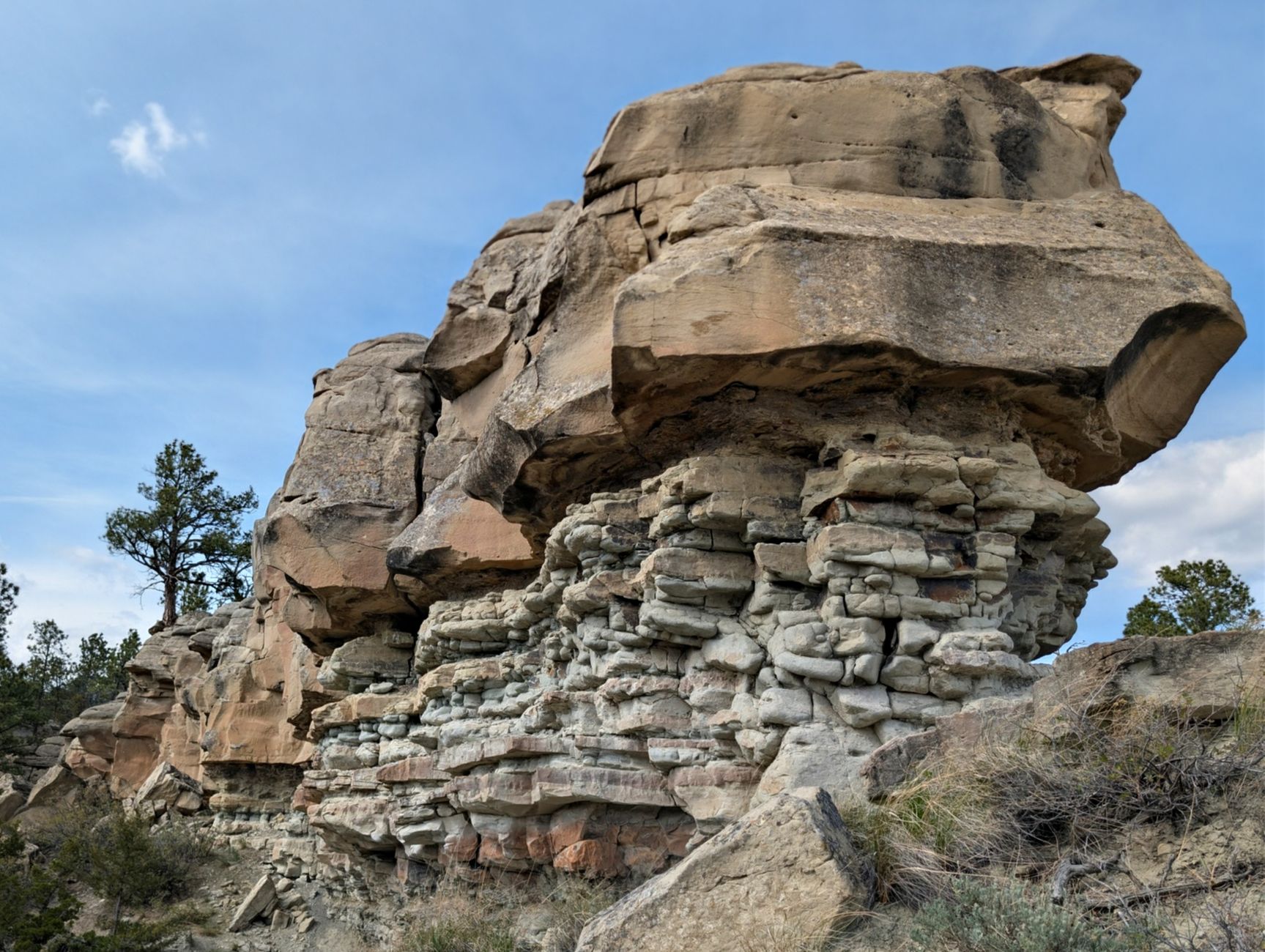
The significance of the T. rex body temperature becomes clear when compared to the thermal profiles of modern species. The study used crocodilian fossils from the same Late Cretaceous Hell Creek Formation in Montana as a control group to ensure the readings were not skewed by geological factors.
| Organism Type | Body Temperature (°F) | Body Temperature (°C) | Metabolic Classification |
|---|---|---|---|
| Tyrannosaurus rex | ~97.3°F | ~36.3°C | Endothermic (Warm-blooded) |
| Humans | ~98.6°F | ~37.0°C | Endothermic |
| African/Indian Elephants | ~96.8°F | ~36.0°C | Endothermic |
| Modern Birds | 104°F – 109°F | 40°C – 43°C | Highly Endothermic |
| Crocodilians (Control) | ~87.6°F | ~30.9°C | Ectothermic (Cold-blooded) |
This data places the T. rex in a unique physiological niche. While it was significantly warmer than the reptiles that shared its ecosystem, it did not reach the extreme high-energy temperatures seen in modern birds, which are the evolutionary descendants of theropod dinosaurs.
The “Thomas” Specimen and the Ethics of Destructive Testing
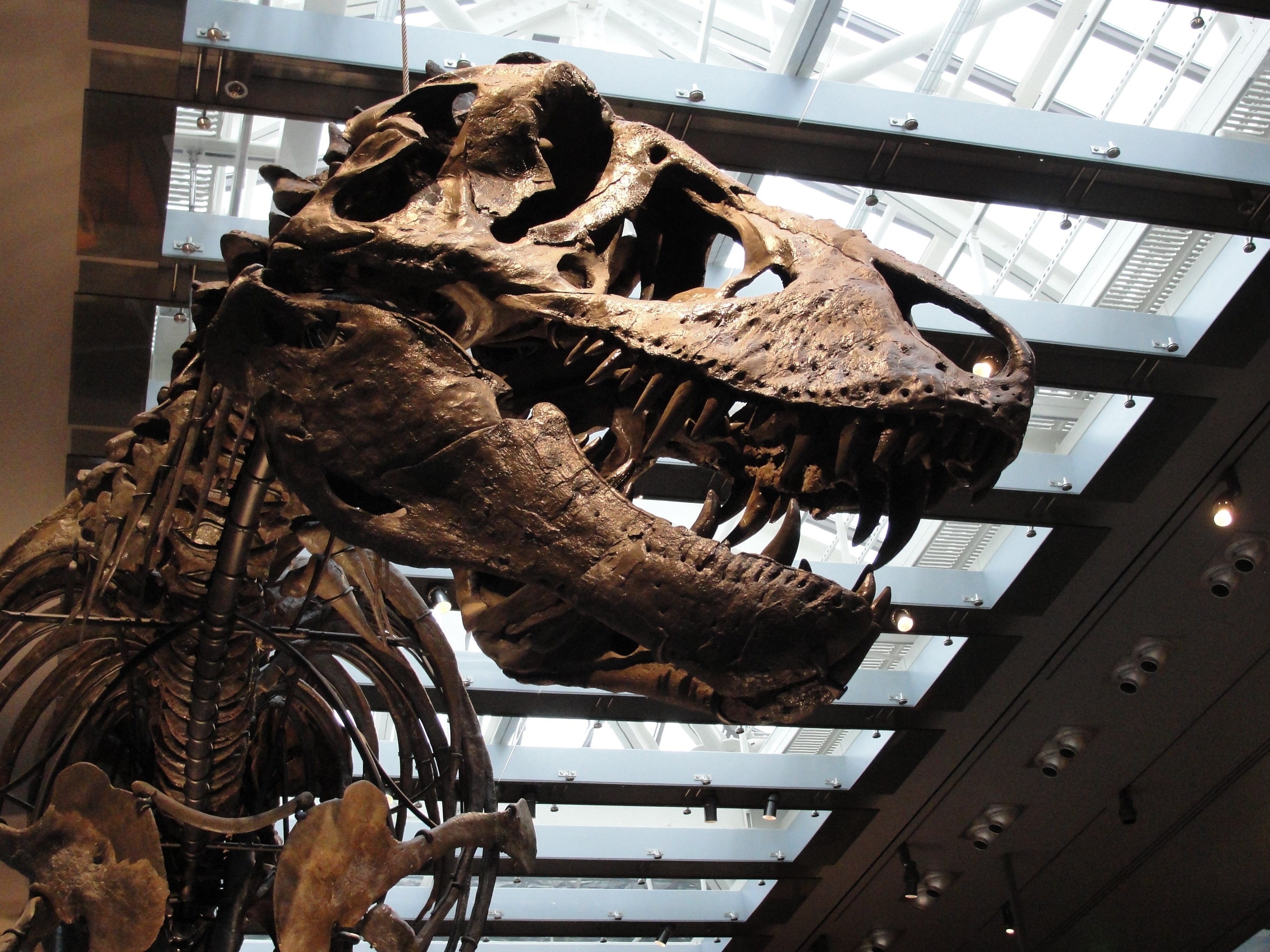
The teeth used in this study were donated by the Natural History Museum of Los Angeles County, where they belong to a specimen known as “Thomas the T. rex.” Because the method requires drilling into the fossil, it is classified as a destructive analysis—a practice that is often controversial in the museum community.
Luis Chiappe, a curator at the Natural History Museum of Los Angeles County, addressed the delicate balance required when working with irreplaceable specimens. “We’re asked for fossils for use in destructive analysis all the time,” Chiappe explained. “The museum contains tens of millions of specimens… that are irreplaceable. We have to make decisions that balance the damage to the specimen against gaining knowledge about the natural world.”
Ultimately, the decision to sacrifice small portions of two teeth was deemed worth the trade-off, as the findings provide a level of physiological clarity that was previously impossible to achieve. Furthermore, the new methodology’s ability to use 90% less material than previous iterations makes it much more viable for future studies on other precious fossils.
Ecological Versatility: From Mexico to Alaska
One of the most profound implications of a regulated T. rex body temperature is what it reveals about the dinosaur’s geographic range. By combining the temperature data with paleoclimate simulations of the Maastrichtian-age North American continent, researchers were able to reconstruct the habitable zones for the species.
Historically, paleontologists have been puzzled by the presence of tyrannosaur fossils in high-latitude regions, including the North Slope of Alaska. For a strictly cold-blooded animal, the winters in these northern territories would have been lethal. However, the ability to generate and maintain internal heat allowed T. rex to thrive in environments that would have caused other reptiles to falter.
Alessandro Chiarenza, a paleontologist at University College London and study co-author, noted that the empirical evidence now supports a massive range. “Using paleoclimate models of the past, we were able to reconstruct a range in North America 66 million years ago that stretched from Mexico to Alaska, based on where T. rex could have survived with a 97 F body temperature,” Chiarenza said.
This thermal tolerance suggests that T. rex was not a creature of a single climate, but a highly adaptable predator capable of traversing a continent that was, on average, 11 to 25 degrees Fahrenheit warmer than the present day, yet still subject to seasonal extremes.
What This Means for Paleontology and Evolution
The discovery of endothermic physiology in T. rex provides a vital piece of the evolutionary puzzle. It bridges the gap between the cold-blooded ancestors of the Mesozoic and the warm-blooded birds of the modern era.
A High-Energy Lifestyle
Maintaining a body temperature of 36.3°C requires a significant amount of metabolic energy. This suggests that T. rex was an animal of high activity, likely possessing the stamina required for long-distance scavenging or the intense bursts of energy needed for active hunting. This metabolic demand would have necessitated a massive caloric intake, aligning with existing theories that adult tyrannosaurs required enormous quantities of meat to sustain their bodies.
Rethinking Extinction
For some, these findings also offer a new lens through which to view the end-Cretaceous mass extinction. If large dinosaurs like T. rex were already capable of regulating their body temperature, their extinction cannot be attributed to a simple inability to cope with the cold or darkness following the asteroid impact. Instead, the demise of these giants was likely driven by a more complex collapse of the food webs and ecosystems that supported their high-energy lifestyles.
Counterpoints and Scientific Debates
While the study is being hailed as a landmark achievement, it is not without its points of contention and remaining mysteries.
First, some scientists have pointed out that the measured temperature of 36.3°C is notably lower than the temperatures typically seen in modern avian species, which often range between 40°C and 43°C. This raises questions about the efficiency of the T. rex metabolism. Was it a “middle-ground” endotherm, or was there a more complex method of thermoregulation at play that the current models do not yet capture?
Second, there is the issue of specimen specificity. The study’s primary data comes from a single specimen, “Thomas.” While the researchers believe the findings are representative of the species, some paleontologists argue that a broader sample size across multiple specimens and different geographic locations is necessary to confirm that this temperature was a species-wide standard rather than an individual variation.
Finally, there remains a debate regarding the exact severity of the Cretaceous winters in northern latitudes. While the consensus is that T. rex could survive in Alaska, the degree of thermal regulation required to endure those specific winters remains an open question for future research.
What Happens Next
The success of this study is expected to trigger a new wave of geochemical research in paleontology. Researchers are already looking toward building a “thermal map of the Mesozoic” by applying clumped isotope analysis to other major dinosaur lineages, such as the long-necked sauropods and various feathered theropods.
As the methodology continues to be refined, scientists hope to determine if endothermy was the rule or the exception among large dinosaurs. The ability to perform these tests with minimal damage to fossils means that many more museum specimens can now be studied, potentially rewriting the biological history of the dinosaur era “one tooth at a time,” as Jasmina Wiemann of Johns Hopkins University suggested.
Frequently Asked Questions
How was the T. rex body temperature measured?
Scientists used a technique called “clumped isotope paleothermometry.” They analyzed the chemical bonds between rare isotopes of carbon and oxygen found in the fossilized tooth enamel. Because the number of these bonds changes depending on the temperature at which they form, the isotopes act as a “geologic thermometer” that preserves the temperature of the animal from millions of years ago.
Was the T. rex warm-blooded or cold-blooded?
The study provides strong empirical evidence that T. rex was warm-blooded (endothermic). Its measured temperature of approximately 36.3°C (97.3°F) is much closer to the body temperature of modern mammals, like humans and elephants, than to the temperature of cold-blooded reptiles like crocodiles, which average around 30.9°C (87.6°F).
Why did researchers use teeth instead of bones?
Tooth enamel is much more durable than bone. Over millions of years, bones in a living organism are constantly being remodeled, dissolved, and replaced. Tooth enamel, however, has a large, crystalline structure that is extremely resistant to chemical changes caused by the environment, making it a much more reliable record of ancient temperatures.
Does this mean T. rex could live in the Arctic?
Yes, the research suggests that the T. rex‘s ability to regulate its own body heat would have allowed it to inhabit a wide range of climates, including the cooler, high-latitude regions of ancient Alaska. Cold-blooded animals would have struggled to survive the seasonal temperature drops in those areas, but a warm-blooded T. rex could remain active.
Closing
The determination of the T. rex body temperature marks a pivotal moment in the study of prehistoric life
References
Featured image: Image via UCLA