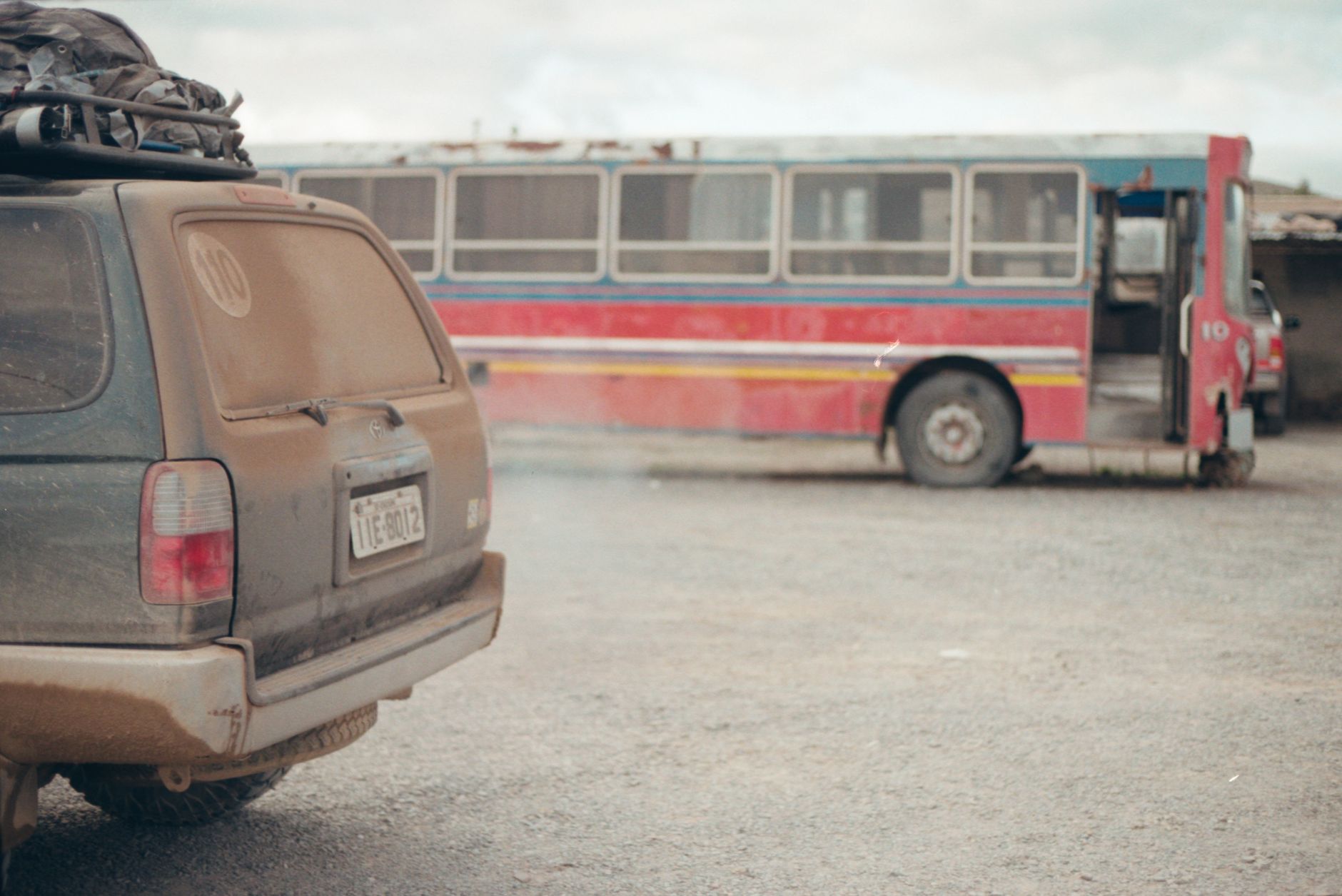
The LA news helicopter crash that occurred on Tuesday, September 18, 2026, has claimed the lives of a veteran journalist, a pilot, and a pedestrian, leaving the Los Angeles media community and the public in mourning. The accident took place while the aircraft was providing live aerial coverage of a collision involving an SUV and a city bus in Los Angeles.
Key Takeaways
- Fatalities Confirmed: The crash killed journalist Eliana Moreno, pilot George Marciniw, and pedestrian Edy Fernando Gutiérrez Mejía.
- Incident Context: The helicopter was filming a traffic collision between an SUV and a city bus when the accident occurred.
- Historical Pattern: Since the year 2000, at least eight fatal crashes involving news helicopters have been recorded in the United States, resulting in 16 deaths.
- Industry Debate: The tragedy reignites long-standing discussions regarding the necessity of aerial journalism versus the inherent safety risks to crews and the public.
- Victim Profiles: The victims include a rising bilingual reporter, a pilot with three decades of experience, and a visitor to the city from Guatemala.
- For Viewers: You may notice changes in how breaking news is covered. News organizations may implement stricter “no-fly” zones for certain types of non-emergency coverage or rely more heavily on ground-based drones and long-range lenses to mitigate risk.
- For Media Professionals: Expect increased scrutiny regarding flight safety standards and the ethical justification for aerial deployment. There may be a push for more rigorous training and shared resources between competing stations to reduce the density of news aircraft in metropolitan areas.
- For Aviation Regulators: This incident will likely trigger investigations by federal aviation authorities to determine if mechanical failure or pilot error played a role, potentially leading to new mandates for news-specific flight operations.
- What was the specific cause of the crash? Was it a mechanical failure, a bird strike, or an error in navigation during the coverage of the collision?
- Were safety protocols sufficient? Did the flight crew follow all established procedures for hovering near urban traffic and collisions?
- How will the industry balance safety and competition? Will newsrooms move away from the high-stakes “race to the scene” that characterizes modern breaking news?
- Official Investigation: The National Transportation Safety Board (NTSB) or relevant aviation authorities will conduct a thorough investigation into the crash site and the aircraft’s maintenance records.
- Internal Reviews: NBC Los Angeles, Telemundo 52, and Angel City Air are expected to conduct internal reviews of their safety and operational protocols.
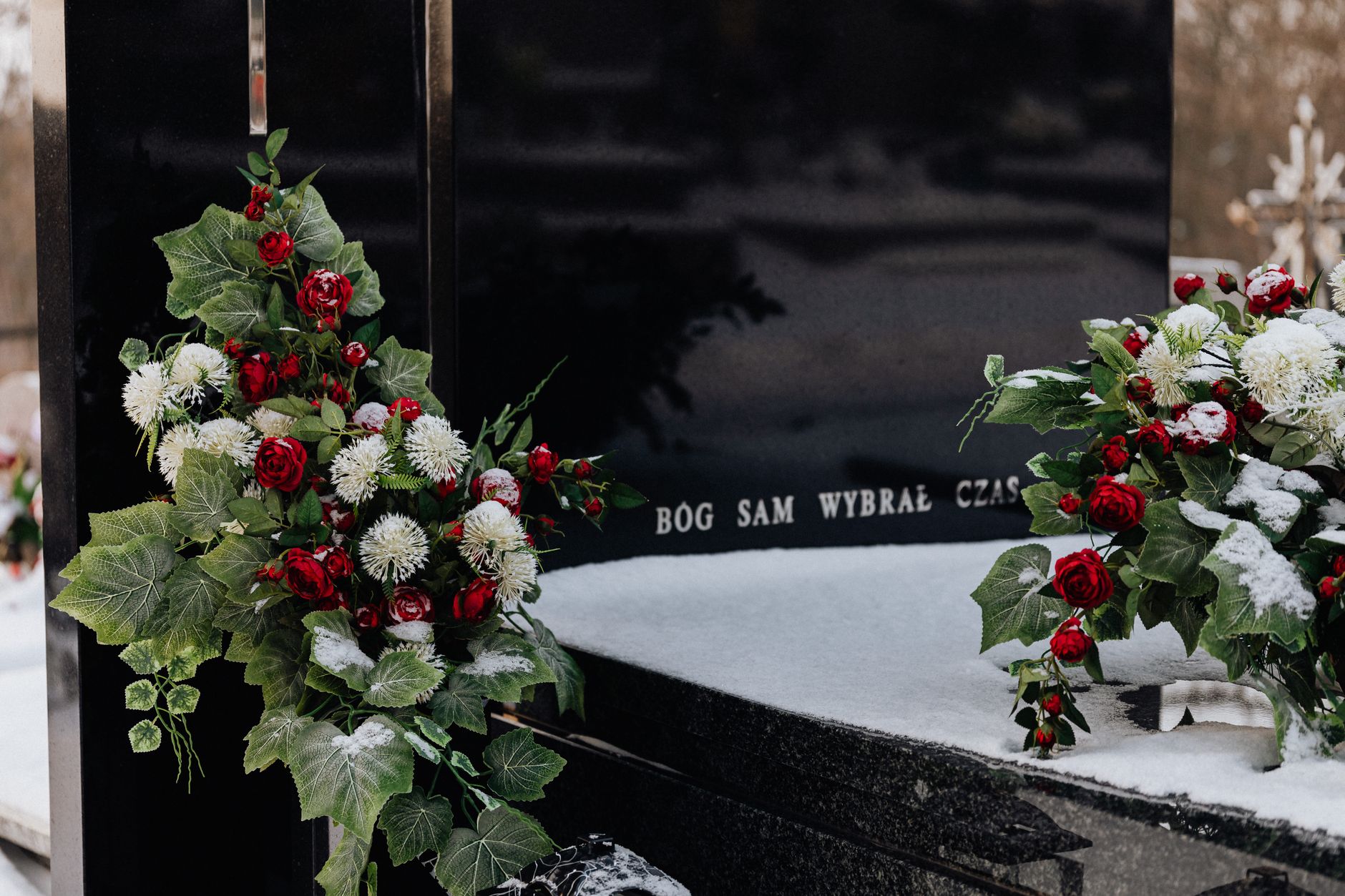
- Community Memorials: As seen at Whiteman airport, the Los Angeles community is expected to continue holding memorials for Moreno, Marciniw, and Mejía.
- www.theguardian.com
What Happened
On Tuesday, September 18, 2026, a news helicopter crashed during a live broadcast in Los Angeles. The aircraft, operated by Angel City Air, was providing aerial perspectives for NBC4 and Telemundo 52 while covering a vehicular collision between a city bus and an SUV.
According to reports from NBC Los Angeles, the crash resulted in three immediate fatalities. The crew members on board, journalist Eliana Moreno and pilot George Marciniw, were killed in the impact. Tragically, the crash also claimed the life of a person on the ground, identified by NBC Los Angeles as Edy Fernando Gutiérrez Mejía.
NBC Los Angeles anchor Colleen Williams addressed the tragedy on air, stating, “We are coming on the air with heavy hearts tonight because we lost valued friends and colleagues.” The network paused programming to allow staff and viewers to process the sudden loss.
Why It Matters
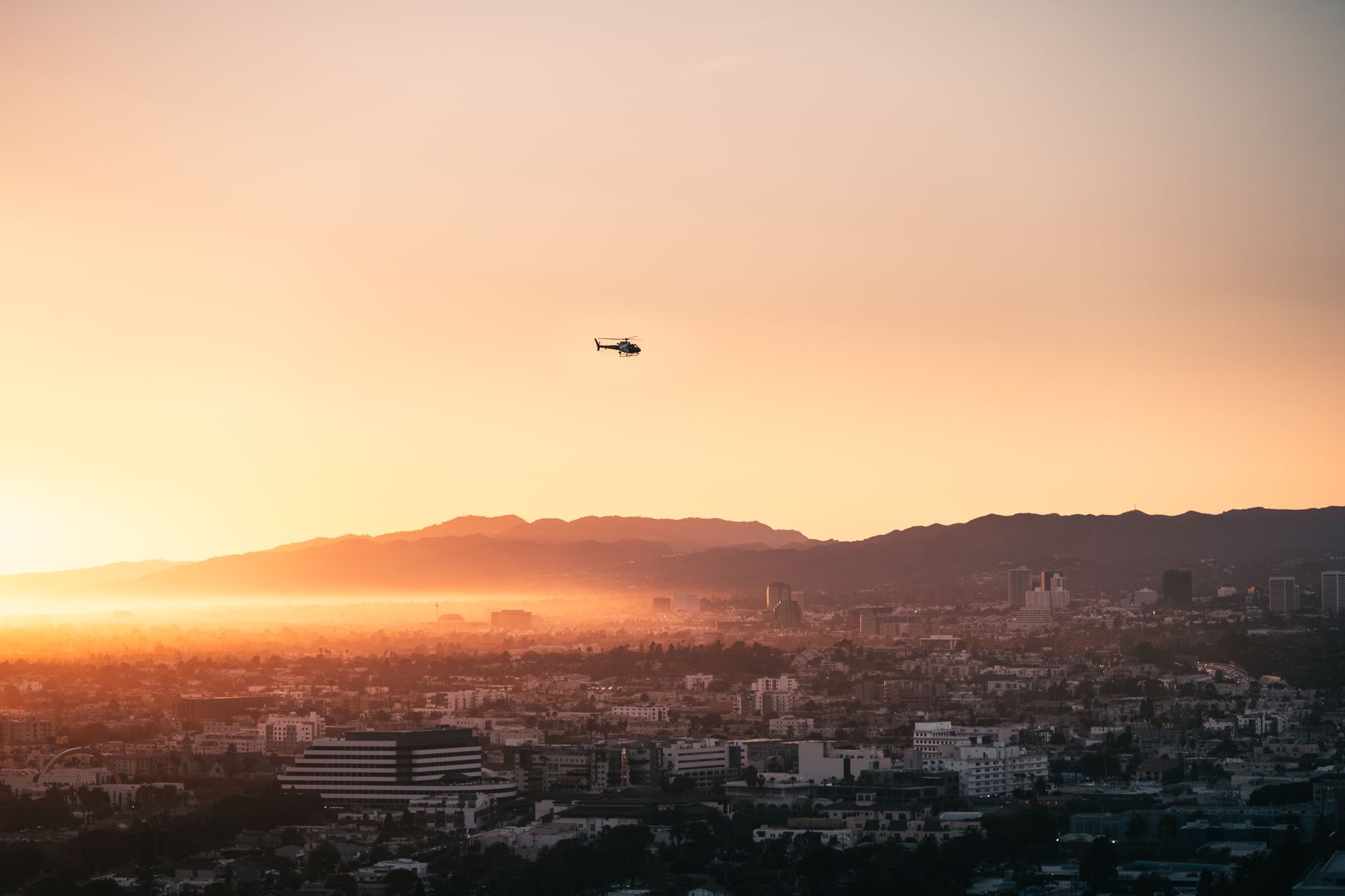
The LA news helicopter crash is not merely a localized tragedy; it is a moment of reckoning for a medium that has defined Los Angeles news for nearly seven decades. For much of that history, the “eye in the sky” has been a vital tool for capturing breaking news that ground crews cannot reach, such as wildfires, high-speed chases, and civil unrest. However, the cost of this perspective has been measured in human lives.
This incident highlights the tension between the commercial drive for high-impact visual news and the safety of the personnel operating in high-risk environments. As newsrooms continue to rely on aerial assets to stay ahead of competitors, the industry faces mounting questions about whether the pursuit of “the shot” justifies the potential for catastrophic mechanical failure, environmental hazards, or human error.
The History of the “Eye in the Sky”
To understand the significance of this crash, one must look at the evolution of helicopter journalism, which has deep roots in the Los Angeles media landscape. The concept of the flying news studio began in 1958 when John Silva, the chief engineer for KTLA-TV, retrofitted a helicopter with ultra-light camera equipment.
Silva, who had experience as a radar operator during World War II, designed the first “Telecopter” to allow stations to bypass the notorious Los Angeles traffic and arrive at breaking news scenes before their competitors. As Silva recalled in a 2002 interview for the Archive of American Television, the goal was to create a mobile news unit that could provide immediate, live coverage of unfolding events.
Throughout the 1960s and 70s, these aircraft became essential for covering major regional events, including the Bel Air fire and the Baldwin Hills Dam disaster. The technology transformed the news from a static, reported medium into a dynamic, real-time visual experience.
The Era of High-Stakes Reporting
By the 1980s and 90s, helicopter journalism had moved into a more aggressive and high-profile era. The Los Angeles News Service, led by reporter Zoey Tur and Marika Gerrard, became famous for capturing some of the most iconic moments in American television history.
In a 2024 interview with NBC News, Gerrard described the adrenaline and immediacy of the era, recalling how she and Tur were flying over the El Toro ‘Y’ interchange when they heard reports of the OJ Simpson white Bronco chase on the scanner. By sliding the helicopter door open and pointing the camera down, they were able to provide the world with live footage of the pursuit.
The Human Cost: Profiles in Journalism and Life
The lives lost in this LA news helicopter crash represent different generations and stages of life, all connected to the fabric of the city.
Eliana Moreno
Known affectionately as “Eli in the Heli,” Eliana Moreno was a rising star in the industry. A graduate of Chapman University, she began her career as a helicopter journalist in 2010. As a bilingual reporter in her 30s, she was a vital asset to both English and Spanish-speaking audiences in Southern California.
Her colleague, Jonathan Gonzalez, a weekend news anchor for NBC Los Angeles, described her as being “damn good at what she did.” In a statement, Moreno’s family shared that she had dreamed of being a reporter since the age of 11. Just weeks before her death, she had expressed her passion for the role on Instagram, noting how aerial footage allowed her to show the true path and power of spreading wildfires.
George Marciniw
George Marciniw was a veteran of the skies. Having worked as a pilot for more than 30 years, he was reportedly eyeing retirement at the time of the accident. His longtime colleague and former student, pilot Esteban Jimenez, noted that Marciniw had been a mentor and a constant presence in the Los Angeles aviation community since the 1990s.
Edy Fernando Gutiérrez Mejía
Perhaps the most tragic casualty of the incident was Edy Fernando Gutiérrez Mejía, a visitor to Los Angeles who had arrived in the city only two days prior. According to his cousin, Mejía (known as “Pichi”) had traveled to the U.S. with plans to pick up a vehicle to sell in his hometown of Cuilapa, Guatemala. His family is currently working to repatriate his body to his home country.
Safety Statistics and Industry Risks
While helicopters provide unparalleled access, they are inherently dangerous. The aviation industry and newsrooms have long grappled with several recurring risks:
| Risk Factor | Description |
|---|---|
| Mechanical Failure | Engine malfunctions or structural issues during flight. |
| Environmental Hazards | Bird strikes, sudden weather changes, or extreme heat. |
| Obstructions | Drones, power lines, or urban infrastructure. |
| Human Error | Pilot fatigue or navigation mistakes during high-stress reporting. |
Historical data underscores these dangers. In 1977, a KNBC helicopter ran out of fuel while covering a wildfire in Santa Barbara, killing cameraman George Spears and pilot Francis Gary Powers.
Since the year 2000, there have been at least eight fatal crashes involving news helicopters in the United States, resulting in the deaths of 16 people. These incidents have occasionally led to industry-wide shifts in safety protocols. For example, following a crash in 2007, news stations in Phoenix agreed to share a single helicopter to reduce the number of aircraft in the sky.
The Ethical Debate: Necessity vs. Viewership
The LA news helicopter crash has brought a long-simmering debate to the forefront: Is the use of helicopters for every news event a necessity, or is it a pursuit of viewership that introduces unnecessary risk?
Thanh Tan, a former helicopter reporter, addressed this in an op-ed for the Seattle Times following a 2014 crash. Tan argued that while aerial coverage is essential for mass riots, natural disasters, or building explosions—situations where ground crews cannot safely reach—it is often used for less critical purposes.
“But do mundane street closures and beauty shots really serve the public?” Tan asked. She suggested that newsrooms should not send crews into the skies simply to compete for ratings or because they have the capability to do so.
The Counterpoint: The Value of the Aerial Perspective
Conversely, many in the industry argue that the “eye in the sky” provides a level of situational awareness that is indispensable for public safety. Tammy Rose, a helicopter reporter for ABC-13 in Houston, told the Associated Press that being aboard an aircraft allows a reporter to see the “larger scene,” communicate vital information to the newsroom, and gather data while events are unfolding in real-time.
In many cases, the footage gathered by helicopters provides the first visual evidence of a developing crisis, allowing emergency services to better coordinate their responses and allowing the public to understand the scale of a threat, such as a wildfire or a major freeway closure.
What It Means for You
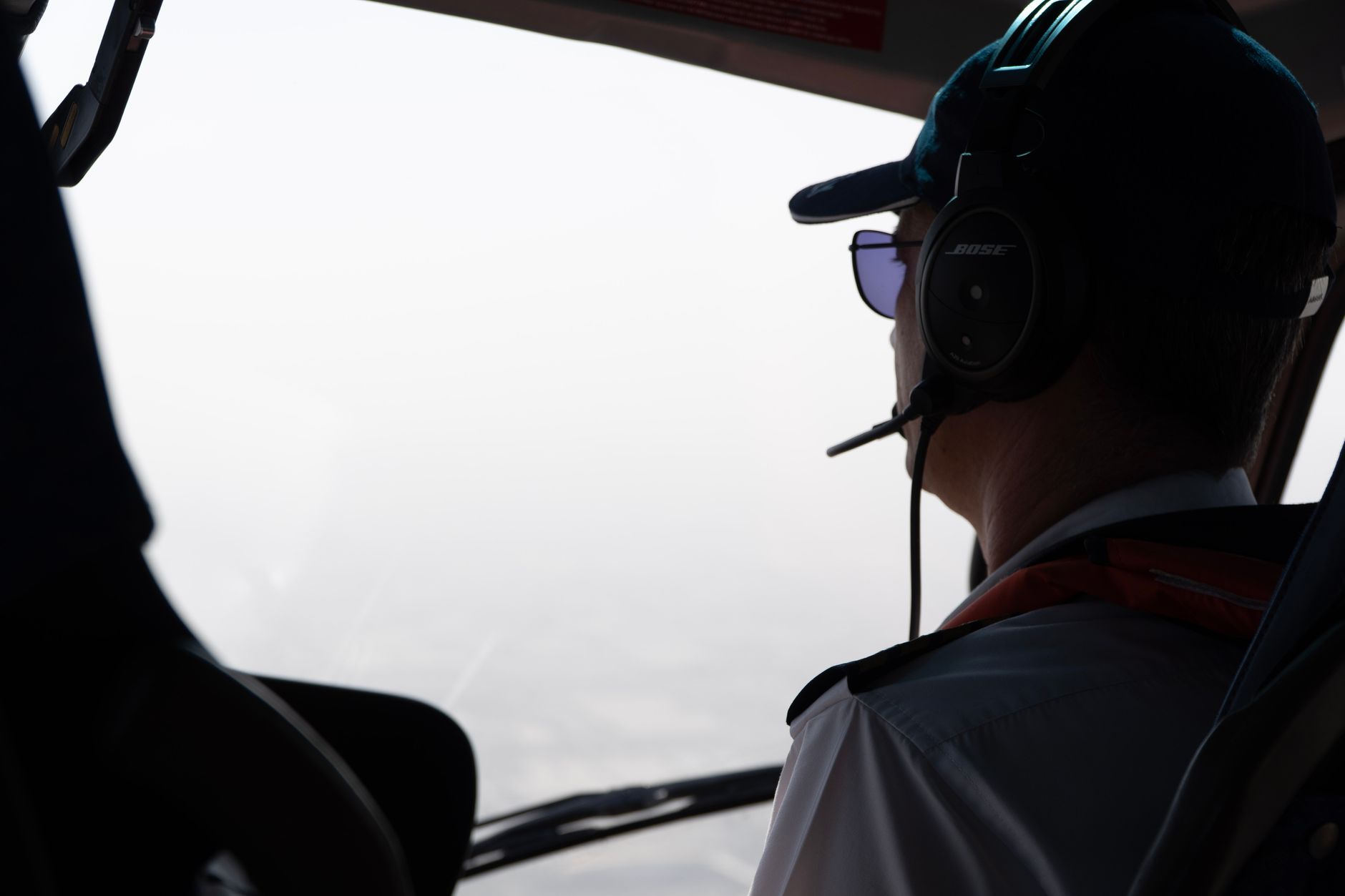
If you are a resident of Los Angeles or a consumer of local news, this tragedy may lead to changes in how you experience the news.
Counterpoints and Open Questions
While the immediate cause of the crash remains under investigation, several questions remain unanswered:
It is also important to note that the presence of drones in urban airspace has added a new layer of complexity and risk to helicopter flight paths, a factor that investigators will likely examine.
What Happens Next
In the coming weeks, several key developments are expected:
Frequently Asked Questions
What caused the LA news helicopter crash?
The exact cause of the crash on September 18, 2026, has not yet been determined. Investigators will look into various possibilities, including mechanical failure, pilot error, or environmental factors such as bird strikes or sudden weather changes. A formal report from aviation authorities is expected following a full investigation.
Who was Eliana Moreno?
Eliana Moreno, known as “Eli in the Heli,” was a highly regarded bilingual journalist working for Angel City Air, providing coverage for NBC4 and Telemundo 52. A graduate of Chapman University, she had been working in helicopter journalism since 2010 and was known for her passion for covering breaking news and wildfires.
How many news helicopter crashes have occurred in the U.S.?
Since the year 2000, there have been at least eight fatal crashes involving news helicopters in the United States. These accidents have resulted in the deaths of at least 16 people, highlighting a persistent safety challenge within the broadcast industry.
Why are news helicopters considered dangerous?
News helicopters operate in high-stress, fast-moving environments, often flying at low altitudes over populated areas or near active emergency scenes. They face risks including mechanical failure, bird strikes, interference from drones, and the physical challenges of maneuvering in unpredictable urban weather conditions.
Closing
The loss of Eliana Moreno, George Marciniw, and Edy Fernando Gutiérrez Mejía marks a somber chapter in the history of Los Angeles journalism. As the city mourns, the industry is left to grapple with the heavy price of its most iconic tool: the eye in the sky.