

Navigating a measles outbreak guide is now a mandatory exercise for every household as community transmission rates fluctuate across the country. I remember a time when measles felt like a distant clinical curiosity mentioned only in textbooks, but the recent resurgence has shifted that reality significantly. The virus is exceptionally unforgiving, and the speed at which it moves through a population is startling. If you have been following the news, you know that this isn’t just about childhood rash patterns anymore; it is about protecting a broader community where waning immunity and vaccination gaps create perfect highways for the virus to travel. Understanding the risks, recognizing the early signs, and knowing exactly how to shield your family are the primary goals of this discussion.
Quick Summary
Measles is one of the most contagious pathogens, with an R0 between 12 and 18, meaning one person can infect up to 18 others.
The MMR vaccine remains the gold standard, providing 97% protection after two doses.
Never visit a doctor’s office or emergency room without calling ahead to prevent spreading the virus in waiting areas.
Adults born after 1957 who lack documented immunity or prior infection are at significant risk and should verify their status.
The virus can survive on surfaces or in the air for up to two hours after an infected person leaves the room.
Your Direct Action Plan
If you are currently worried about your safety, the most direct answer is to verify your immunization history immediately. Do not guess and do not rely on vague recollections from your parents. You need to check your personal records or, if those are unavailable, consult your primary care provider about a titer test to measure your antibodies. If you lack proof of two doses of the MMR vaccine, consider yourself vulnerable regardless of your age. My professional advice is to prioritize this check over almost any other health-related administrative task this week. If you suspect you have been exposed or are showing symptoms, isolate yourself immediately and call your clinic from your car rather than walking into the building.
Understanding the Transmission Mechanics
The sheer infectiousness of measles is something I find difficult to articulate without using the term ‘explosive.’ When I look at the data, the reproductive number—or R0—stands out as the primary threat. An R0 of 12 to 18 means that in a room full of susceptible people, one infected individual will reliably pass the virus to 12 to 18 others. This is vastly different from seasonal flu or even some variants of the common cold. The virus does not require close physical touch to move from host to host; it lingers in the air for up to two hours after an infected person has departed.
This atmospheric persistence is why public spaces, waiting rooms, and schools are so frequently cited as hubs for transmission. When I speak to colleagues in epidemiology, they often emphasize that the measles virus doesn’t just wait for a sneeze or cough. It settles into the aerosolized particles that we breathe constantly. This reality underscores the importance of the 95% herd immunity threshold. When a community drops below this level of vaccination, the virus effectively stops moving through a wall of resistance and starts finding the cracks in our population.
The Clinical Reality of Adult Measles
There is a stubborn, dangerous myth that measles is merely a ‘childhood rite of passage.’ My observation of recent hospital data confirms the opposite: measles is often much more severe in adults. When a healthy adult who has never been vaccinated encounters the virus, the systemic inflammatory response can be brutal. I have followed cases where patients with underlying conditions—such as asthma or chronic obstructive pulmonary disease—experienced rapid, life-threatening respiratory failure.

It is not just about the rash. Measles causes a profound drop in immune function, often referred to as ‘immune amnesia.’ The virus essentially erases the biological memory of past infections, leaving the body wide open to secondary bacterial pneumonia or other opportunistic infections. I recall one case in particular involving a middle-aged patient with mild respiratory issues who, after contracting measles, was sidelined for weeks with complications that were completely preventable. This isn’t just a minor illness; it is a catalyst for major systemic health crises in adults.
Vaccine Efficacy and the Necessity of Documentation
We have to treat the MMR vaccine as basic infrastructure. It is comparable to having clean water or electricity in your home—it is a baseline requirement for a safe life. The science here is very clear: two doses of the MMR vaccine offer roughly 97% protection. This is an incredibly high level of efficacy by any medical standard. However, a ‘small percentage’ of vaccinated people may still experience mild breakthrough symptoms if they are exposed to a massive viral load. The crucial takeaway is that these individuals rarely require hospitalization and almost never face the fatal complications seen in the unvaccinated.
I often see people confused about the 1963–1967 vaccination cohort. If you received the inactivated vaccine during those years, you are essentially unprotected by modern standards. My advice is to consult your physician for a booster, even if you think you might have had the shots. Documentation is the currency of your safety here. If you cannot find your childhood health card, do not panic, but do be proactive. A titer test—a simple blood draw—can tell you if you have the necessary antibodies to fight off the virus. If you don’t, getting the shot now is the most logical step to restore your defense.
Who Should Prioritize Vaccination (And Who Should Not)
Deciding when to act is a common stress point for many. Here is a clear decision-making framework to help you determine your risk level.
You Should Prioritize Vaccination If:
You are an adult born after 1957 without documented records. You are the primary demographic being missed by current surveillance. Do not assume ‘I had shots as a kid’ is enough.
You are a parent of infants. Because children under 12 months cannot receive the vaccine, you must focus on ‘cocooning’—ensuring that every adult and older child who comes into contact with the infant is fully immunized.
You have a planned international trip. Travel is a primary vector for importing measles into localized communities. Check your status at least six weeks before you board a plane.
You work in a high-density environment. Teachers, medical staff, and customer service workers have a moral and professional obligation to maintain their immunity because they serve as potential transmission nodes.
You Might Want to Skip or Delay if:
You are already documented as fully vaccinated. If you have two doses on record, you do not need to rush for a third dose unless a doctor specifically recommends it due to a high-risk exposure.
You are immunocompromised. If you are on chemotherapy, high-dose steroids, or have a condition that prevents you from receiving live vaccines, you must stay away from the vaccination schedule for the MMR. Your defense depends entirely on those around you being vaccinated.
You are currently pregnant. The MMR vaccine is a live virus vaccine and is contraindicated during pregnancy. Protect yourself by confirming that your household members are fully vaccinated.
The Financial and Logistic Trade-Offs
People often ask me about the cost of these precautions. In terms of dollars, the cost of a titer test or a booster is significantly lower than the cost of a single day in a hospital isolation room. Even in systems where insurance covers most expenses, the ‘cost’ of the illness itself—lost wages, long-term health monitoring, and the physical toll on your body—is insurmountable.
When we analyze the ‘value’ of the vaccine, we are looking at the prevention of long-term neurologic damage. Measles is not just a skin condition; it can lead to encephalitis, which causes permanent disability in some cases. Paying for an extra check-up or a routine booster is the highest ROI you will ever get on a health decision. It is an investment that essentially guarantees you will never have to worry about this specific, dangerous pathogen.
Common Mistakes to Avoid
1. The ‘Emergency Room Walk-In’ Mistake
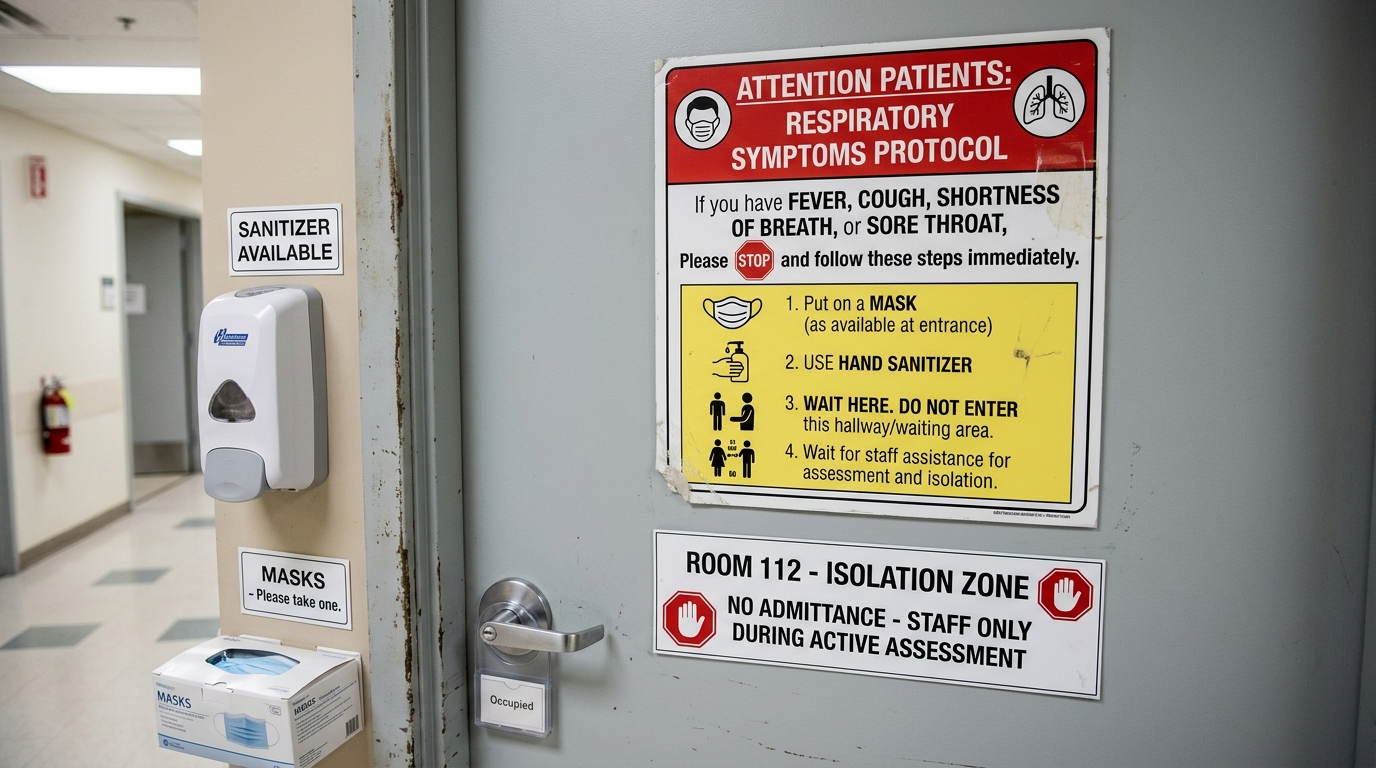
This is the most frequent blunder I see during outbreaks. If you have a fever, cough, and a rash, you should never walk into an urgent care clinic or an emergency room without calling first. When you walk through the front door, you risk exposing nurses, receptionists, and other vulnerable patients who might be undergoing chemotherapy or waiting for minor procedures. The correct procedure is to call from the parking lot. The clinic will then have a specific protocol to bring you in through a back entrance, or they may even suggest a tele-health assessment first to minimize contact.
2. Assuming ‘Natural’ Immunity is Safer
I have encountered far too many people who believe that contracting the virus naturally provides a ‘better’ level of immunity than the vaccine. This is a terrifying gamble. The cost of natural immunity is a 1-in-1,000 risk of death and a much higher risk of permanent neurological scarring. The vaccine provides the same immunological memory without the life-threatening volatility of the disease. I would never recommend that anyone use a real-life infection as a way to ‘train’ their immune system when there is a perfectly safe, proven alternative available.
Frequently Asked Questions
How long should I wait between my first and second MMR dose if I am catching up?
If you are an adult needing a catch-up series, the standard medical guidance is to space your two doses at least 28 days apart. This ensures that your immune system has enough time to react to the first dose and build the necessary baseline for the second dose to trigger the high-level immunity we see in the 97% success rate. Do not rush to do them back-to-back, as this will not improve your antibody response.
What are the earliest symptoms I should look for before the rash appears?
Measles doesn’t start with the rash; it starts with what doctors call a ‘prodrome.’ You should watch for high fever, which can be quite intense, coupled with the ‘three Cs’: cough, coryza (a runny nose), and conjunctivitis (very red, watery, and light-sensitive eyes). If you have these symptoms and you know there is an outbreak in your city, do not wait for the spots on your skin to appear before you contact your doctor.
Can I get the vaccine even if I think I was exposed last week?
Yes, timing matters here. If you know you have been exposed, post-exposure prophylaxis can still be effective if administered within 72 hours. This can sometimes involve a dose of the vaccine or, in specific cases for high-risk individuals, immune globulin. This is why immediate communication with your healthcare provider is critical if you suspect exposure. Do not hide at home for a week hoping for the best; reach out for professional medical guidance immediately.
Assessing Future Risks and Personal Preparedness
As we look ahead, it is clear that the status of ‘elimination’ is fragile. Travel connectivity means that a single case can become a community-wide problem within days. I have found that the most prepared people are those who stop viewing health as a static state. Health is dynamic. You need to keep an updated record of your immunizations as carefully as you keep your passport.
One of the most important takeaways from my review of the recent data is that the systems we rely on—our public health departments and local hospitals—are only as strong as the data we provide them. When you check your status, you aren’t just protecting yourself; you are contributing to a more accurate picture of community immunity. This is a responsibility that we all share. Do not wait for the news to announce another wave of cases before you act. Start today by locating your health records, verifying your titer levels if you have doubts, and keeping your household on a solid, evidence-based schedule. The tools to stay safe are in your hands, but they only work if you choose to use them.



2 thoughts on “The Essential Measles Outbreak Guide: Risks and Prevention”