Key takeaways
- President José Antonio Kast’s approval rating has dropped to 24% following eight months in office.
- Rising fuel prices have triggered significant transport strikes and highway blockades by truckers’ unions.
- The administration is facing backlash over decrees that reduced sentences for 56 prisoners, including human rights violators.
- Proposed budget cuts to education, science, and social programs are further fueling public discontent.
The Chile fuel crisis has ignited widespread protests and transport strikes across the Country, contributing to a sharp decline in President José Antonio Kast’s approval rating to just 24%. After ascending to the presidency in December 2025 by focusing his campaign on public security and illegal immigration, the ultraconservative Leader now finds his administration struggling to manage the economic and social fallout of rising living costs and controversial judicial decrees.
What happened
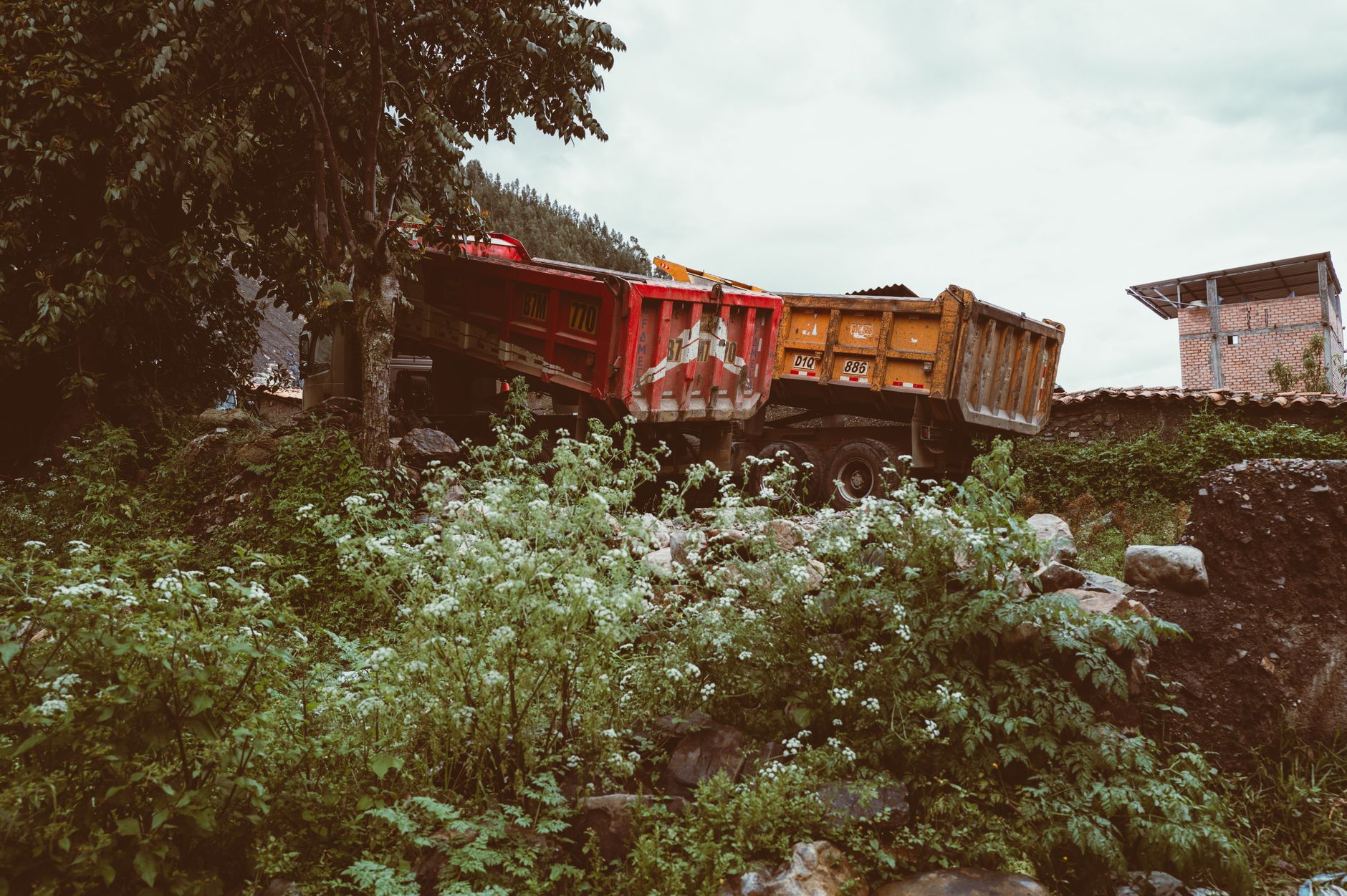
As of mid-November 2026, Chile is experiencing a period of intense civil unrest characterized by both economic grievances and social indignation. The immediate catalyst for the recent escalation is a surge in fuel prices, which has prompted major truckers’ unions to blockade two of the nation’s primary highways. These blockades were intended to exert direct pressure on the government to address the soaring costs of operating vehicles and transporting goods.
On Friday, November 14, 2026, the government reached a temporary reprieve when it signaled a retreat from its previous stance. According to reports, the administration has agreed to send a bill to the Chilean Congress that would reverse planned increases in fuel prices. While the bill is expected to receive approval within the month, the immediate tension remains high as motorists and laborers continue to voice their frustrations over the cost of daily life.
This economic volatility follows a critical decision made by the Kast administration in July. At that time, the government declined to utilize an available anti-inflation tool designed to mitigate the impact of rising fuel costs. This decision was made against the backdrop of global instability, specifically the conflict between the U.S.-Israeli alliance and Iran, which has had a direct impact on international energy markets and Chilean pump prices.
Why it matters
The current instability in Chile is not merely a localized protest movement; it represents a significant challenge to the political stability of one of South America’s most prominent economies. The convergence of high inflation, rising energy costs, and social policy disputes has created a volatile environment that threatens the continuity of the Kast administration’s agenda.
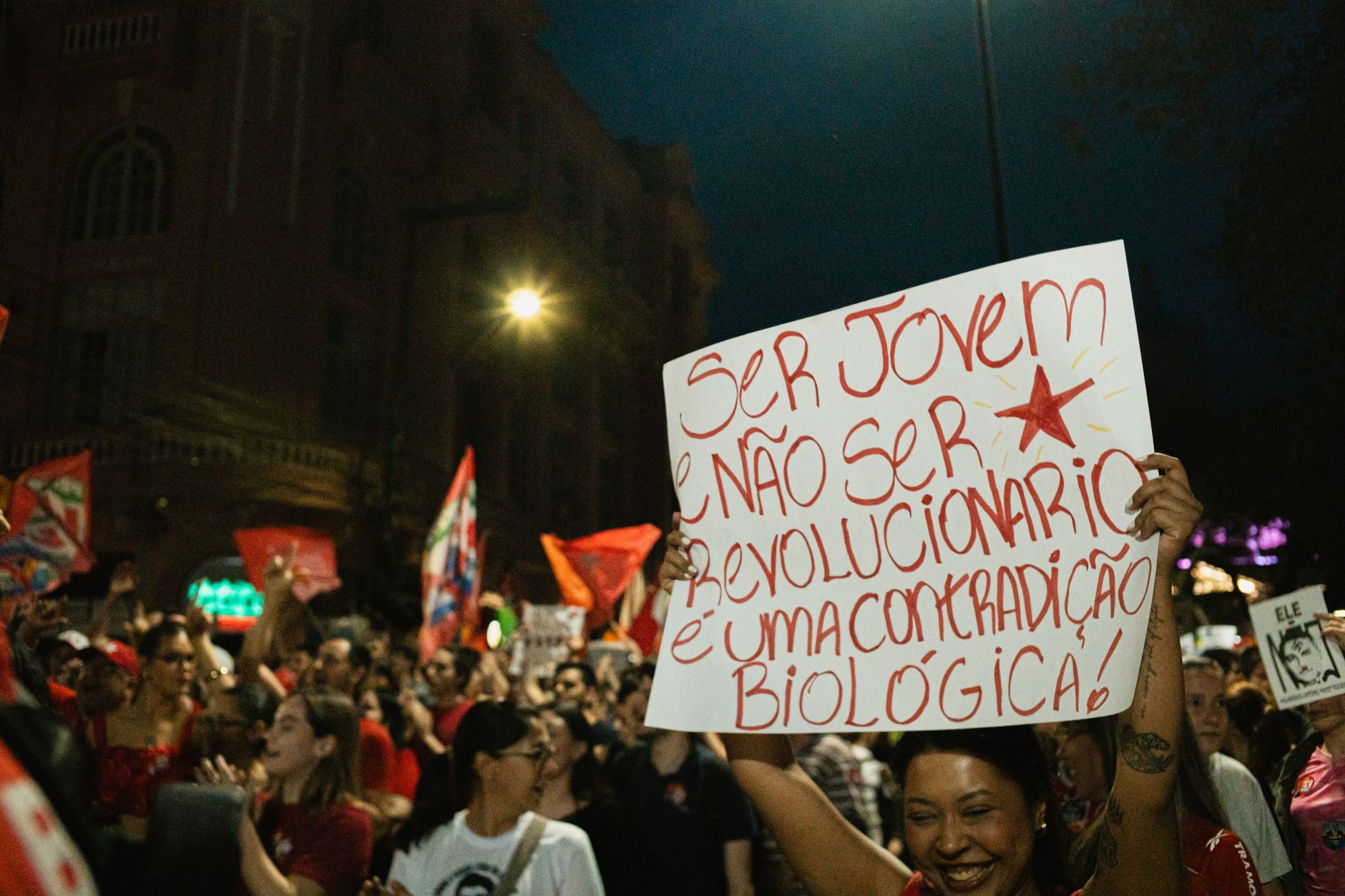
For the average Chilean citizen, the implications are immediate and personal. The disparity between local wages and the cost of living has become a focal point of public anger. As noted by Simón Echavarría, a 30-year-old architect participating in a Santiago march, Chilean salaries often represent only about 20% of European income levels, yet they must contend with a cost of living that remains high. This economic pressure is compounded by the government’s proposed budget, which seeks significant reductions in funding for essential sectors, including education, culture, science, and various social welfare programs.
Furthermore, the political fallout is evident in the plummeting approval numbers. Having entered office with a mandate centered on security and immigration, Kast is now seeing his support erode as he struggles to address the more fundamental issues of affordability and social justice. The 24% approval rating suggests a profound disconnect between the administration’s policy priorities and the immediate needs of the electorate.
The economic drivers of the Chile fuel crisis
To understand the depth of the current unrest, one must examine the specific economic decisions that have led to the present moment. The decision in July to forego anti-inflationary measures has been cited by many as a turning point that left the population vulnerable to global market fluctuations.
The impact of global energy markets
The volatility in Chilean fuel prices is inextricably linked to international geopolitical tensions. The ongoing conflict involving the U.S., Israel, and Iran has created significant ripples in the global oil market. When these fluctuations hit the Chilean market, the government’s refusal to deploy state tools to ease the transition meant that price hikes were felt almost overnight by consumers. This led to a phenomenon where motorists queued for long periods at gas stations in an attempt to refuel before the scheduled increases took effect.
The role of labor unions
The truckers’ unions have emerged as a formidable political force in this crisis. By blockading major highways, these unions have demonstrated their ability to disrupt the national supply chain, effectively forcing the government to the negotiating table. The recent decision to reverse the planned fuel price rises through a congressional bill is a direct result of this organized economic pressure.
Social and judicial controversies
While the economic crisis provides the fuel for the protests, a series of controversial social and judicial moves has provided the spark. The Kast administration has faced intense criticism for decisions that many citizens view as a rollback of hard-won social and legal protections.
The prisoner sentence decree
In October 2026, a major controversy erupted following the revelation that the government had signed decrees to reduce the sentences of 56 prisoners. The crimes associated with these individuals range from the rape of minors to human rights violations committed during the dictatorship era. While President Kast has since characterized the move as an “error,” he has maintained his support for the undersecretary who signed the decrees, a stance that has done little to mollify public outrage.
Education and social welfare cuts
Adding to the social tension is the government’s fiscal strategy. The budget proposal currently moving through Congress includes planned cuts to several key areas of public life. For many, such as Patricia Pereira, a 30-year-old veterinarian, these cuts represent a threat to the social progress made in previous decades. Pereira noted that the right to free education was a hard-won victory achieved through previous generations of protests, and the current administration’s moves to question that funding are seen as a direct affront to those achievements.
Regional context: A pattern of discontent
Chile is not an isolated case in the current wave of political volatility across the Americas. A broader trend is emerging where right-wing and libertarian leaders are facing significant hurdles as they attempt to implement their agendas amidst economic instability.
| Country | Leader | Disapproval Rating | Primary Economic Driver |
|---|---|---|---|
| Chile | José Antonio Kast | 76% (24% approval) | Fuel prices and cost of living |
| Argentina | Javier Milei | 60% | Spiraling inflation |
| Peru | Keiko Fujimori | 53% | General government discontent |
This comparative data suggests that leaders who align themselves with the populist or hardline conservative movements seen in the United States are facing a common enemy: the rising cost of everyday goods. As inflation and energy costs rise globally, the political capital required to maintain these administrations is being rapidly depleted.
What it means for you
Depending on your role in the Chilean economy or the broader regional market, the current situation carries different implications:
- For Chilean Voters: Expect continued volatility in the political landscape. The government’s ability to pass its budget and manage fuel prices will likely dictate the longevity of the Kast administration and could set the stage for future electoral shifts.
- For Investors and Businesses: The blockades by truckers’ unions and the potential for increased social unrest suggest a period of supply chain instability. Companies operating in Chile should prepare for potential disruptions in logistics and transport.
- For Residents and Consumers: The cost of living is expected to remain a primary concern. While the government is attempting to reverse fuel price hikes, the underlying inflationary pressures and proposed cuts to social services may continue to impact household budgets.
Counterpoints and open questions
While the public outcry is widespread, there are competing perspectives and unresolved questions regarding the government’s actions. The administration maintains that its focus remains on national security and economic stability, even as it navigates these crises. President Kast’s admission of an “error” regarding the prisoner decrees suggests a level of internal government friction, yet his continued support for the responsible undersecretary raises questions about the administration’s accountability mechanisms.
Furthermore, several questions remain unanswered:
- Will the proposed bill to reverse fuel price rises actually stabilize the economy, or is it merely a temporary political concession?
- How will the administration balance its desire for budget cuts with the need to prevent further social unrest?
- To what extent will the upcoming congressional votes on the budget determine the future of the Kast presidency?
What happens next
In the coming weeks, all eyes will be on the Chilean Congress. The success or failure of the bill to reverse fuel price increases will serve as a critical litmus test for the government’s ability to negotiate with both labor unions and legislative bodies.
Additionally, the progression of the national budget through Congress will be a major catalyst for further protests. If the proposed cuts to education, science, and culture are enacted, the government may face a new wave of demonstrations, potentially moving from economic protests to more ideological, social-based movements. Observers should also watch for any further shifts in the administration’s stance on the controversial prisoner decrees, as this remains a significant point of friction between the state and the public.
The current political climate in Chile is defined by a struggle to balance hardline conservative policies with the immediate economic needs of a population facing rising costs. As the government attempts to navigate these protests and legislative hurdles, the stability of the Kast administration remains uncertain.
Frequently asked questions
Why are there protests in Chile right now?
The protests are driven by a combination of economic and social factors. Primarily, rising fuel prices have led to transport strikes and highway blockades by truckers’ unions. Additionally, there is significant public anger regarding controversial government decrees that reduced sentences for certain criminals and proposed budget cuts to education and social programs.
What is the current approval rating for President José Antonio Kast?
President José Antonio Kast currently holds an approval rating of 24%. This follows eight months in power and reflects growing public dissatisfaction with the government’s handling of the cost of living and social policy issues.
How did the government respond to the fuel price crisis?
The government has moved to back down from its previous position by sending a bill to the Chilean Congress. This bill is intended to reverse planned increases in fuel prices in an effort to alleviate the pressure on motorists and the transport sector.
What was the controversy regarding prisoner sentences?
The administration faced backlash after it was revealed that decrees had been signed to cut the sentences of 56 prisoners. These individuals included people convicted of crimes ranging from the rape of children to human rights violations during the dictatorship era, leading to widespread public indignation.
References
Featured image: AI-generated image