
Key takeaways
- A rare nationwide ground stop for all departing U.S. flights lasted approximately five hours on Friday, November 13, 2026.
- The outage was caused by outdated routers and switches within the FAA’s telecommunications infrastructure becoming overloaded with data.
- The disruption resulted in over 10,000 flight delays and between 7,000 and 8,000 cancellations across the country.
- Federal officials are using the incident to demand $50 billion in emergency funding for air traffic control modernization.
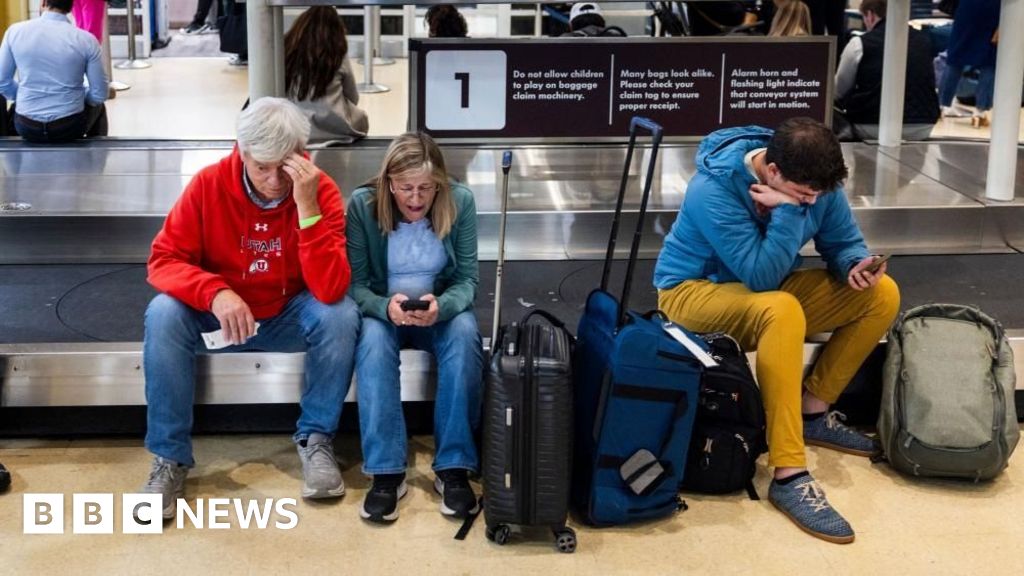
The FAA nationwide ground stop on Friday, November 13, 2026, paralyzed the United States aviation system for several hours, leaving thousands of passengers stranded and highlighting critical vulnerabilities in the nation’s aging air traffic control infrastructure. The stoppage, which primarily Affected departing flights, was triggered by a massive telecommunications failure that caused inconsistencies in radar data and communication systems across the country.
What happened during the FAA nationwide ground stop
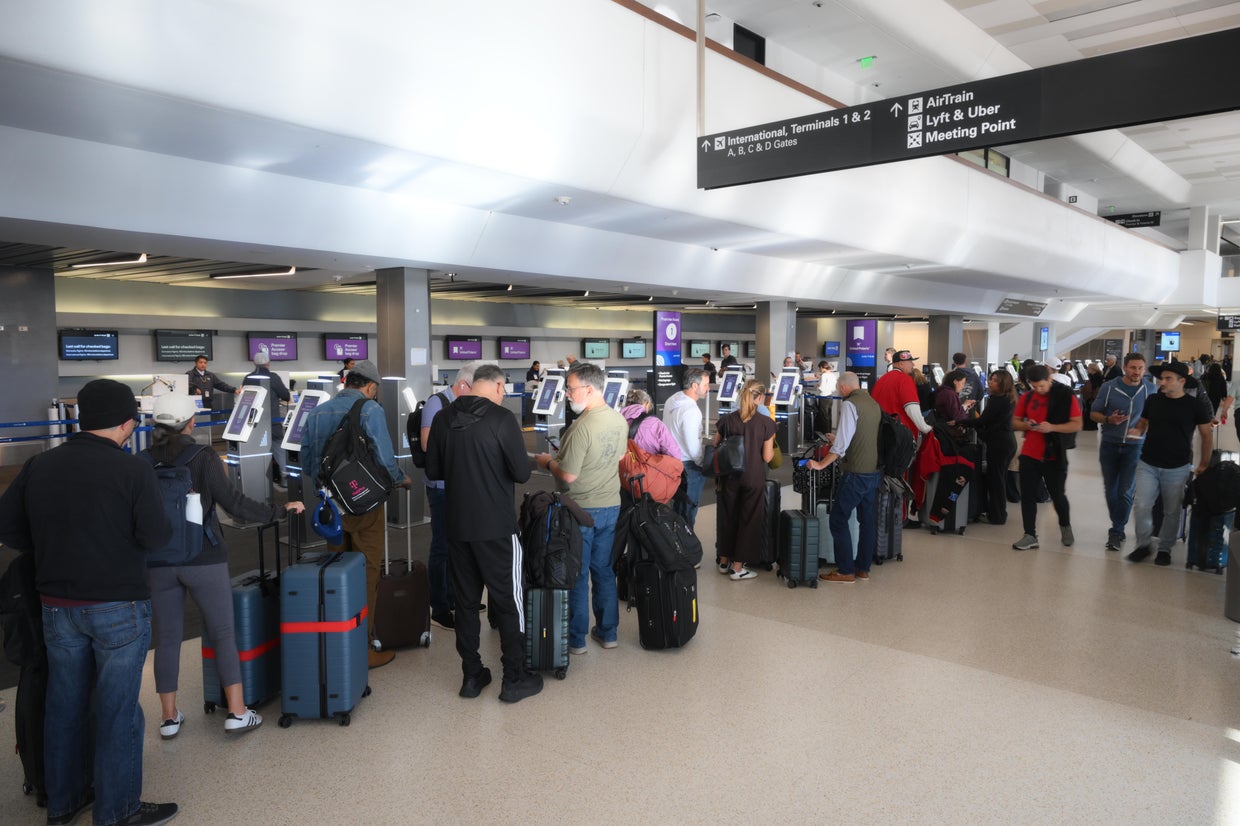
Technical instability was first detected within the air traffic control systems at approximately 3:36 p.m. ET on Friday. By 3:54 p.m. ET, the Federal Aviation Administration (FAA) issued a sudden nationwide alert, ordering all departing traffic to remain grounded due to “extraordinary circumstances and for reasons of safety,” according to reports from NBC News.
The outage specifically targeted the FAA’s private communications network, known as the FAA Telecommunications Infrastructure (FTI). This network serves as the essential “communications backbone” for air traffic control, facilitating the voice communications and operational data necessary to manage safe flight paths. Officials reported that the system’s routers became overloaded with data, leading to a crash that forced a system reboot and a subsequent telecommunications outage.
Transportation Secretary Sean Duffy told reporters at the White House on Friday night that the failure was rooted in the system’s reliance on antiquated, legacy equipment. “Our routers actually got overloaded with data and… they started to give us inconsistency in the data from those routers. And because of that, we shut the system down,” Duffy said. He noted that while the failures were not universal, they were pervasive enough to necessitate the unusual nationwide moratorium on takeoffs.
By 8:15 p.m. ET, the FAA officially lifted the nationwide ground stop after conducting stability tests. However, the immediate relief for travelers was tempered by the massive backlog of flights that had been halted during the five-hour window.
Why it matters
The scale of the disruption was immense, affecting both the economy and the logistical stability of the national airspace. According to data from FlightAware, the outage resulted in more than 10,000 flight delays and at least 7,000 cancellations. At the onset of the ground stop, Flightradar24 reported that approximately 3,100 to 4,042 aircraft were already airborne and bound for U.S. destinations, necessitating complex rerouting and landing procedures.
Beyond the immediate chaos at transit hubs like Chicago O’Hare, Atlanta, New York City, and Los Angeles, the incident has elevated the conversation from a mere travel inconvenience to a matter of national security. Senator Richard Blumenthal (D-CT) released a statement late Friday evening calling the scale of the outage “highly alarming,” characterizing it as a “clear danger to national security” and demanding a formal investigation into the Department of Transportation’s handling of the crisis.
Deep-dive: The technical failure and historical context
To understand why a single data overload could paralyze an entire continent’s airspace, one must look at the age of the underlying technology. The FAA’s communications network, managed by L3Harris (the successor to Harris Corp.), has been under contract since July 2002. A November 2023 safety review had already warned that the FTI network was “obsolete” and relied on aging TDM technology that could lead to national connectivity failures.
Secretary Duffy highlighted the disparity between modern digital demands and legacy hardware, noting that the system still utilizes “1980s little copper lines” and old switches. The incident appears to have been a collision between the old and the new: Homeland Security Secretary Markwayne Mullin suggested that new security patches and technology being integrated into the system inadvertently overwhelmed the existing, antiquated routers.
Comparing Past and Present Disruptions
| Incident Detail | 2023 NOTAM Outage | 2026 Telecommunications Outage |
|---|---|---|
| Primary Cause | Human error (accidental file deletion) | Hardware/Router data overload |
| Duration | ~1 hour 52 minutes | ~4 to 5 hours |
| Flight Delays | ~9,500 flights | ~10,000+ flights |
| Flight Cancellations | ~1,300 flights | ~7,000 to 8,000 flights |
| System Affected | NOTAM (Notice to Air Missions) | FTI (FAA Telecommunications Infrastructure) |
Stakeholders and reactions
The incident has drawn sharp reactions from government, industry, and aviation experts, each viewing the failure through a different lens.
Government and Legislative Response
While Homeland Security Secretary Markwayne Mullin was quick to reassure the public that there was “zero evidence” of a cyberattack or “nefarious act,” the political fallout was immediate. The Trump administration is leveraging the outage to push for a massive $50 billion overhaul of the air traffic control system. This is a significant jump from the $12.5 billion previously approved by Congress for similar upgrades. Secretary Duffy warned that without this funding, the American people “will have more of these.”
Industry and Expert Analysis
Air Space Intelligence (ASI), a vendor for the FAA’s new SMART AI-enhanced software, issued a defensive statement on X (formerly Twitter) to distance itself from the failure. The company stated: “The current ground stop is not based on or a result of the SMART system, any product of ASI or our integration with FAA and ATC.”
However, aviation experts have questioned the lack of redundancy. Ron Bartsch, a professor of international aviation law, noted that the entire aviation community is built on redundancy, and the fact that a redundant system did not immediately kick in “raises more questions than we’ve seen answers to at this stage.”
Similarly, Tony Stanton, a former senior executive for Australia’s Civil Aviation Safety Authority, expressed surprise that the FAA had not acted on a September GAO report that specifically warned of the risks being realized today. “These are things that can be foreseen, can be anticipated,” Stanton said.
What it means for you
The ripple effects of the ground stop will be felt by travelers and consumers for several days. If you are currently traveling or planning to travel in the coming week, here is what to expect:
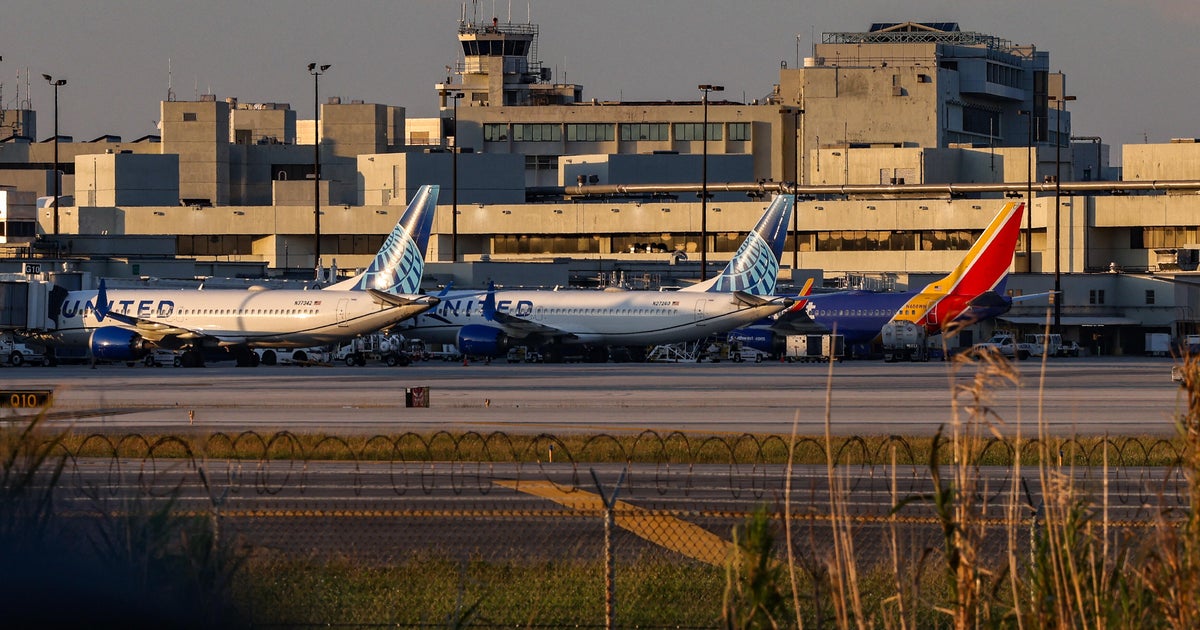
- Residual Delays: Even though the airspace has reopened, Secretary Duffy warned that the process of “unwinding” the backlog will be slow. Expect flight schedules to be irregular through the weekend as airlines attempt to reposition aircraft and crew members.
- Refund Rights (U.S.): Under the FAA Reauthorization Act of 2024, if your flight is “significantly delayed” (defined as 3 hours for domestic and 6 hours for international), you are entitled to a full refund or an alternative flight. However, because air traffic control issues are considered outside the airline’s control, they are not legally required to provide meals or hotel accommodations.
- Refund Rights (UK/EU): If you are traveling within or from the UK or EU, you are protected by “Duty of Care” laws. Airlines must provide food, drink, and overnight accommodation if a delay or cancellation occurs, and you can claim reimbursement for reasonable expenses.
- Holiday Travel: With the Thanksgiving holiday less than two weeks away, the industry is under immense pressure to stabilize. Airlines like Delta, United, and American are working to restore normal operations, but the displacement of planes and crews remains a major hurdle.
Counterpoints and open questions
While the official narrative points toward aging hardware and data overload, several critical questions remain unanswered. The primary tension lies between the administration’s claim of a hardware failure and the questions regarding why the system’s inherent redundancies failed to prevent a total shutdown.
Furthermore, the role of the new SMART system remains a point of contention. While ASI has denied any involvement, the timing of the integration of new technology with legacy systems suggests a potential mismatch in compatibility that has yet to be fully investigated. There is also the question of accountability: if the September GAO report predicted these exact vulnerabilities, why was the funding for a complete system replacement not prioritized before a national crisis occurred?
What happens next
In the coming days, the focus will shift from technical recovery to political and regulatory scrutiny. Watch for the following catalysts:
- Congressional Budget Hearings: Expect intense lobbying from the Department of Transportation as they attempt to secure the $50 billion modernization appropriation.
- DOT Investigation: Senator Blumenthal and other lawmakers are calling for a “penetrating investigation” into the Department of Transportation’s oversight of the FTI network.
- Airline Operational Recovery: Monitor major hubs like Chicago and Newark for signs of schedule stabilization as airlines work through the massive backlog of canceled and delayed flights.
As the aviation industry works to clear the massive backlog of thousands of flights, the incident serves as a stark reminder of the precarious state of the nation’s aging technological foundations. The push for a $50 billion overhaul now sits at the center of a high-stakes debate over national security and the future of American travel.
Frequently asked questions
Was the FAA ground stop caused by a cyberattack?
No. Both Homeland Security Secretary Markwayne Mullin and Transportation Secretary Sean Duffy stated there was zero evidence of a cyberattack or any “nefarious act.” The outage was attributed to a technical failure involving outdated routers and switches being overwhelmed by data.
Why did the FAA ground the flights if the planes were safe?
The FAA issued the ground stop as a “cautionary measure” due to data inconsistencies. Because the routers were providing inconsistent information, officials could not guarantee the absolute accuracy of radar and communication data, making it necessary to halt departing flights to ensure safety.
Am I entitled to a refund for my canceled flight?
In the United States, if your flight is significantly delayed or canceled, you are entitled to a full refund for the unused portion of your ticket. However, airlines are generally not required to pay for hotels or meals for delays caused by air traffic control issues. In the UK and EU, regulations are stricter, and airlines must provide meals and accommodation.
When will air travel return to normal?
While the nationwide ground stop was lifted on Friday night, Secretary Duffy noted that it will take time to “unwind” the disruptions. Most experts anticipate that airlines will catch up and return to regular schedules before the Thanksgiving travel rush, though residual delays may persist for several days.
References
- FAA lifts nationwide ground stop that disrupted thousands of flights, White House says no indication of — cbsnews.com
- Ground stop lifted hours after stranding thousands of flights across the U.S. — nbcnews.com
- FAA ground stop lifted: Why were US flights grounded, and what’s next? — aljazeera.com
- What we know about the US ground stop and what to do if you’re affected — bbc.com
- Old tech blamed for the ground stop that caused flight chaos: ‘It got overloaded’ — npr.org
- What to Know About Friday’s Nationwide Ground Stop — nytimes.com
Featured image: Image via bbc.com