

Vice president JD vance addressed a crowd of voters in Michigan during a recent JD Vance town hall hosted by CBS News, tackling a wide array of critical issues ranging from the national economy and the ongoing iran war to his own political future.
Key Takeaways
- Political Ambition: Vance remained non-committal regarding a 2028 presidential run, describing himself as a “procrastinator” on major life decisions.
- Economic Outlook: The Vice President argued the administration is “turning the ship around” on manufacturing, though he acknowledged that fixing long-term structural issues will take more than 18 months.
- Energy and Iran: Vance attributed high gas prices to Iran’s attempts to choke off global energy supplies, specifically through threats to shipping in the Strait of Hormuz.
- Immigration Stance: While defending ICE as a group of “patriots,” Vance acknowledged “imperfect” rhetoric regarding H-1B visas and emphasized the need for social cohesion.
- Local Impact of Tech: Regarding the AI boom, Vance suggested that data centers must act as “good community citizens” by contributing tax revenue and not driving up residential utility costs.
- If you are a voter in a swing state: The administration’s focus on manufacturing and energy security will be central to the upcoming midterm elections. Pay close attention to whether the “turning the ship” narrative translates into lower inflation and stable gas prices.
- If you are a small business owner: The administration’s long-term strategy relies on increasing consumer spending power through domestic manufacturing growth. However, the timeline for this recovery may be longer than many businesses can afford to wait.
- If you are a resident near a new data center: Expect continued tension between tech development and local infrastructure. The administration’s stance suggests a push for these facilities to contribute more directly to local tax bases and utility stability.
- If you are an investor in the energy sector: The geopolitical stability of the Strait of Hormuz remains a primary driver of price volatility. The administration’s commitment to military presence in the region is a key indicator of long-term energy security strategy.
- The Inflation Gap: If the administration’s policies are “turning the ship around,” why has inflation remained stubbornly above the Federal Reserve’s 2% target despite the administration’s efforts?
- Military Accountability: How will the administration specifically define and execute “accountability” for the failures that led to the deaths of U.S. service members in recent strikes?
- The Immigration Paradox: Can the administration truly maintain “social cohesion” while simultaneously implementing highly controversial and aggressive enforcement tactics that many religious leaders find problematic?
- Economic Timing: Is the administration’s focus on long-term manufacturing investment a viable political strategy if voters require immediate relief from the cost-of-living crisis?
- The Midterm Elections: Taking place next month, these elections will serve as a referendum on the Trump-Vance administration’s handling of the economy and foreign policy.
- Senate Control: The outcome of the tight Senate race in Michigan will be a primary indicator of the Republican party’s momentum heading into 2028.
- Iran Negotiations: The success or failure of the administration’s efforts to secure a “final firm commitment” from Iran regarding its nuclear program will be a major driver of both foreign policy and energy prices.
- Economic Data Releases: Continued monitoring of inflation rates and manufacturing job growth will determine if Vance’s “turning the ship” narrative gains or loses credibility with the electorate.
- www.cbsnews.com
What Happened
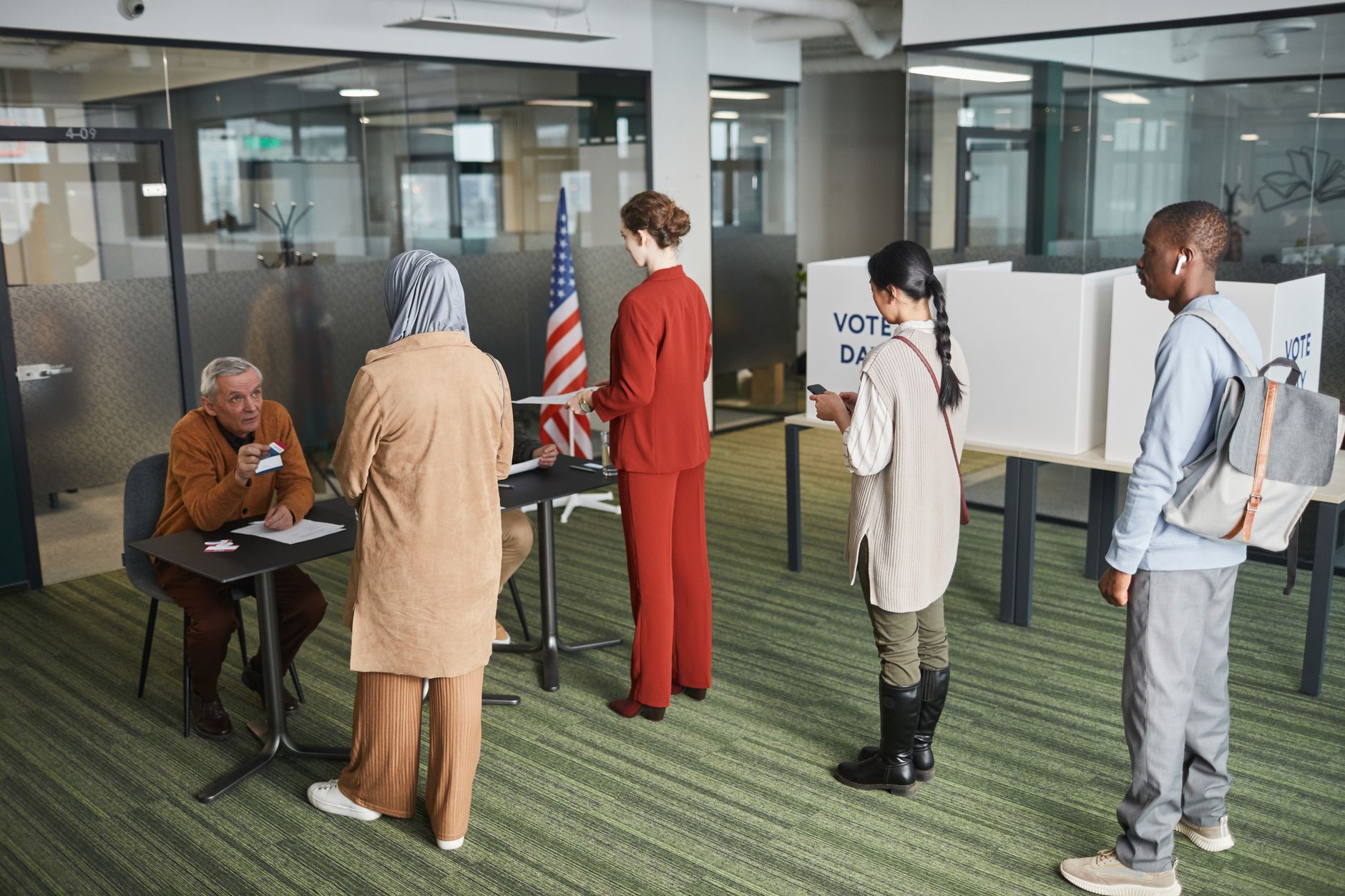
On a Saturday evening in October 2026, Vice President JD Vance participated in “Things That Matter: A Town Hall With Vice President JD Vance,” an hour-long event hosted by CBS Evening News anchor Tony Dokoupil. The event took place in Michigan, a critical swing state that was instrumental in the 2024 election victory for both President Trump and JD Vance.
As the nation approaches next month’s midterm elections, the town hall served as a high-stakes platform for Vance to defend the administration’s record. The setting was particularly significant given that Michigan is currently hosting a tight Senate race that could determine which party maintains control of the upper chamber. Throughout the session, Vance was pressed on the immediate concerns of voters, including the cost of living, the human toll of the Iran war, and the administration’s approach to immigration enforcement.
Why It Matters
The implications of this JD Vance town hall extend far beyond the immediate political optics of a single event. For the trump administration, the ability to translate long-term economic strategies into immediate relief for voters is a primary challenge. While the administration points to new foreign investments and growth in the automotive sector, voters like Sandy Johnson, a small business owner, expressed frustration that they are still “barely making ends meet.”
Furthermore, the town hall highlighted the intersection of foreign policy and domestic stability. The conflict with Iran has not only resulted in the loss of American lives but has also directly impacted the economic stability of households through fluctuating energy prices. As the midterms approach, the administration’s ability to address these “kitchen table” issues—inflation, gas prices, and job security—will likely be the deciding factor for undecided voters in battleground states like Michigan.
The 2028 Question and Political Succession
One of the most anticipated segments of the evening involved the question of JD Vance 2028 plans. As a prominent figure within the Republican party, Vance is widely viewed by political analysts as an early frontrunner for the 2028 GOP primaries and a potential successor to the Trump political movement. President Trump has publicly referred to Vance as his “most likely” successor, even joking about potential internal competition with Secretary of State Marco Rubio.
When asked by Tony Dokoupil if there was any chance he would not run for the presidency in 2028, Vance provided a cautious response. “Of course there’s a chance,” Vance said, noting that he tends to procrastinate on major life decisions. He also cited his family life, mentioning that his wife, Usha Vance, has a complicated relationship with politics, preferring public service over the campaign trail. This ambiguity leaves both allies and rivals in the Republican party to speculate on his long-term trajectory.
Economic Realities: Manufacturing vs. Inflation
During the JD Vance town hall, the tension between the administration’s optimistic rhetoric and the lived experience of voters was palpable. While President Trump has characterized the current state of the economy as “A+”, Vance offered a more nuanced, albeit defensive, perspective. He admitted that while the administration is “turning the tide” on the decline of U.S. manufacturing, the process is not instantaneous.
According to the discussion, several factors are contributing to the current economic landscape:
| Economic Factor | Administration Perspective | Voter/Statistical Reality |
|---|---|---|
| Manufacturing | Focused on new foreign investment and growth in Detroit-area automakers (GM, Ford, Stellantis). | Job numbers have remained roughly flat since the start of the Trump term. |
| Inflation | Viewed as a byproduct of previous bipartisan failures to invest in American workers. | Remains stubbornly higher than the Federal Reserve’s 2% target. |
| Unemployment | Maintaining a low unemployment rate as a core success. | High cost of living continues to eat into real wage growth. |
Johnson, the business owner mentioned earlier, sought clarity on when the “normal American” could expect enough disposable income to support small businesses. Vance responded by arguing that the country’s economic issues were the result of a “multi-generational failure” to invest in domestic production, and that reversing this trend would take significantly longer than the 18 months the administration has been in power.
The Iran Conflict and the Cost of Energy
Foreign policy dominated a significant portion of the town hall, specifically the ongoing conflict with Iran. This issue serves as a dual pressure point: the human cost of military engagement and the economic cost of energy instability.
Keshon Wheatley, a Detroit barber, provided a stark example of how foreign policy shifts voter sentiment. Having voted for Trump in both 2020 and 2024 due to low gas prices, Wheatley noted that current prices are significantly higher, leading him to consider supporting Democratic Senate candidate Abdul El-Sayed over Republican Mike Rogers.

Addressing the energy crisis, Vance argued that the U.S. military’s presence in the Strait of Hormuz is essential to prevent even higher gasoline prices. He characterized Iran as a “state sponsor of terrorism” that is actively trying to choke off the global energy supply. Vance maintained that while the conflict has been prolonged, the administration is seeking a “final firm commitment” from Iran regarding its nuclear program.
The Human Cost of Warfare
The conversation took a somber turn when Joey Amor spoke about the death of his wife, Master Sgt. Nicole Amor, who was killed in an Iranian strike on a facility in Kuwait. Amor challenged the administration on whether leadership would be held accountable for what he described as “fundamental failures” in securing the site.
Vance responded by acknowledging that mistakes have occurred and that the administration is working to adapt tactics to counter the increasing threat of cheap drone warfare. He vowed to take these failures seriously, though he noted that certain information does not always filter up to the Vice President’s level.
Immigration, Enforcement, and Social Cohesion
In a segment that touched on both faith and policy, Sister Nancy Sylvester asked Vance how he justifies current immigration enforcement tactics to people of faith. This question highlighted the moral tension inherent in the administration’s strict border policies.
Vance defended the necessity of law enforcement, stating the goal is to strike a balance between being humane and ensuring that the country does not “empower some of the worst people in the world.” He also addressed his own previous comments regarding H-1B visa holders, which some critics viewed as dehumanizing. Vance clarified that his criticism was directed at companies that use visas to bypass American workers and exert undue power over employees, rather than at the visa holders themselves. “My goal here is not to dehumanize any immigrant,” Vance stated, while emphasizing the importance of “social cohesion.”
Corruption Allegations and Data Center Expansion
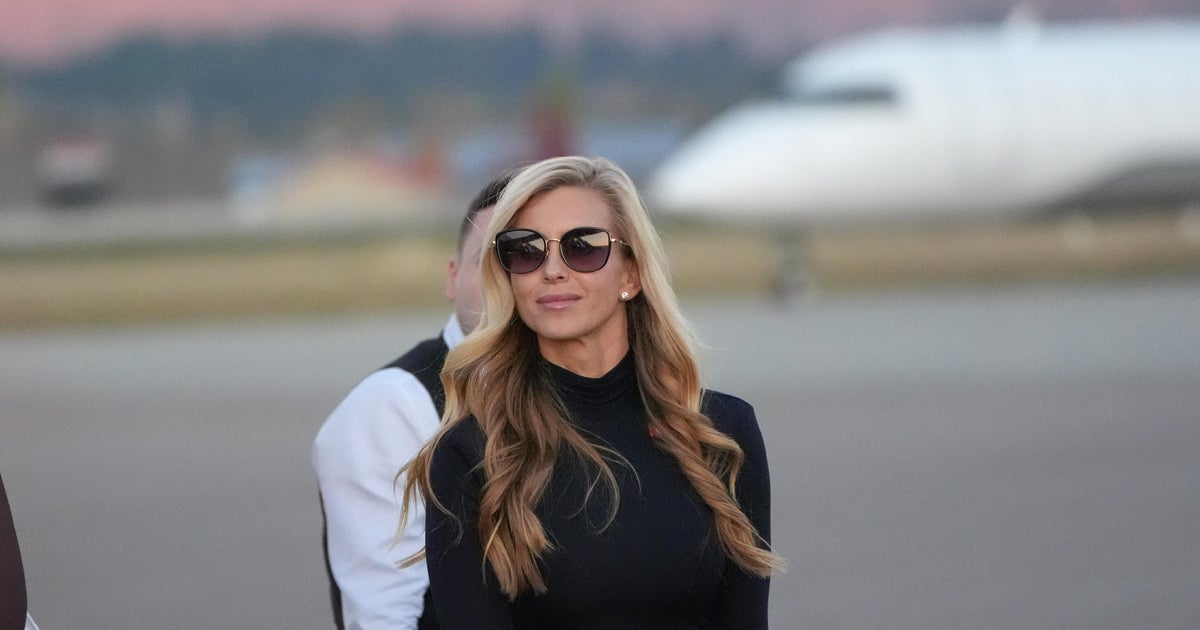
When pressed on concerns regarding political corruption and potential conflicts of interest involving President Trump, Vance was dismissive of the claims. He acknowledged that “D.C. is a corrupt town” but asserted there was no evidence that the President participates in or sanctions such behavior. This response comes amidst scrutiny over the President’s cryptocurrency earnings and allegations surrounding U.S. Ambassador to Greece kimberly guilfoyle, though Guilfoyle has denied any wrongdoing.
Finally, the town hall touched on the rapid expansion of the AI industry and the resulting proliferation of data centers. While the administration views AI as a key competitive advantage against China, local residents have complained about the noise and the strain on the electrical grid. Vance suggested that for data centers to be acceptable, they must become “good community citizens” by providing more tax revenue to local governments and ensuring they do not increase residential utility bills.
What It Means for You
Depending on your role in the community, the themes discussed in the JD Vance town hall carry different implications:
Counterpoints and Open Questions
While Vance presented a vision of progress and stability, several significant questions remain unanswered:
What Happens Next
As the political calendar moves forward, several key catalysts will test the administration’s claims:
Frequently Asked Questions
Will JD Vance run for president in 2028?
Vice President JD Vance has not officially committed to a 2028 presidential run. During the CBS News town hall, he described himself as a “procrastinator” regarding major life decisions and stated that he would need to think about it. While he is considered a top contender and a potential successor to President Trump, his decision remains unconfirmed.
Why are gas prices currently so high?
According to JD Vance, high gas prices are largely driven by geopolitical instability, specifically the actions of Iran. Vance argued that Iran is attempting to “choke off” the global energy supply by targeting shipping lanes in the Strait of Hormuz. The administration maintains that its military presence in the region is necessary to prevent even more drastic price increases.
What is the administration’s stance on immigration and ICE?
The Trump administration, as defended by Vance, seeks a balance between strict law enforcement and humane treatment. Vance described ICE agents as “patriots” but acknowledged that mistakes occur and that there is a responsibility to investigate and discipline those who “screw up.” He also emphasized the need for immigration policies that promote “social cohesion.”
How do data centers affect local communities?
Data centers, driven by the AI boom, can bring economic benefits such as tax revenue, but they also present challenges like noise pollution and increased pressure on the electrical grid. JD Vance argued that these facilities must be “good community citizens,” meaning they should contribute to local tax bases without driving up utility costs for residents.
As the administration navigates the complexities of a post-pandemic economy and a volatile geopolitical landscape, the insights from this town hall suggest a focus on long-term structural shifts over immediate fixes. Whether these strategies will satisfy a restless electorate remains to be seen in the upcoming midterm elections.
References
Featured image: Photo by Werner Pfennig on Pexels
One thought on “JD Vance Town Hall: Key Economic and Iran Insights”