The Katie Zacharia legal credentials controversy has erupted at the White House following reports that the newly appointed press secretary failed the california bar exam in 2011 and has not been licensed to practice law in any U.S. state.
Key Takeaways
- Bar Exam History: Zacharia, a graduate of Pepperdine Law, failed the California bar exam in 2011 and does not appear on any California bar pass list.
- Title Dispute: While Zacharia has identified herself as a “lawyer” in media appearances and social media, legal experts argue this may violate California law regarding the “unauthorized pretense” of being a lawyer.
- Watchdog Action: The Campaign for Accountability and the Democracy Defenders Fund have called for investigations into whether Zacharia engaged in the unauthorized practice of law.
- White House Defense: Administration officials and Communications Director Steven Cheung have defended her, dismissing the scrutiny as politically motivated.
- Legal Stakes: Under California Business and Professions Code Section 6126, falsely holding oneself out as a lawyer can be a criminal offense.
- For Voters: The situation highlights the tension between political loyalty and professional expertise. When a spokesperson’s primary job is to provide clarity and information, any perceived lack of integrity in their personal background can undermine the credibility of the information they deliver.
- For Legal Professionals: The case underscores the rigor of state bar requirements and the legal consequences of using professional titles without proper licensure. It serves as a reminder that the “unauthorized practice of law” includes not just performing legal tasks, but also the mere branding of oneself as a legal professional.
- For Media Watchdogs: The rapid response from groups like the Campaign for Accountability demonstrates the increasing role of non-governmental organizations in monitoring the qualifications of public officials.
- Was the Pepperdine advice definitive? Zacharia claims she consulted with the president of Pepperdine University regarding her title. It remains unconfirmed whether the university provided legal advice on the specific statutory requirements of California law or merely offered general guidance on professional identity.
- What were the “appropriate credentials” in China? Zacharia maintains she practiced international transaction law in Beijing. Without access to her specific employment contracts or Chinese professional certifications, the validity of this claim remains a point of contention.
- Is the White House’s defense legally sound? Steven Cheung, the White House Communications Director, has dismissed the investigation as a product of “Trump Derangement Syndrome.” However, his defense focuses on political motivation rather than addressing the specific legal question of whether Zacharia’s use of the term “lawyer” violates Section 6126.
- Has any formal investigation been launched? While a complaint has been filed, the State Bar of California has not confirmed whether a formal investigation is currently underway, citing confidentiality protocols.
- The State Bar Investigation: The most critical signal will be whether the State Bar of California opens a formal inquiry into Zacharia’s conduct. A decision to investigate would signal that the Bar finds the “unauthorized pretense” allegation credible.
- Attorney General Review: The California Attorney General’s office has been referred the matter by watchdog groups. Their decision to involve the state’s top prosecutor would escalate the matter from a regulatory issue to a potential criminal one.
- White House Response: As the controversy continues to dominate news cycles, the administration may be forced to release documentation regarding Zacharia’s professional history in China or her specific consultations with Pepperdine.
- Media Scrutiny: Continued reporting on Zacharia’s social media history and past professional claims will likely keep the pressure on the administration to provide transparency.
- www.cbsnews.com
- www.nbcnews.com
What Happened
On October 15, 2026, reports surfaced detailing a significant discrepancy between the professional identity presented by White House Press Secretary Katie Zacharia and her actual legal licensure. According to reporting by NBC News and The Wall Street Journal, Zacharia failed the California bar exam following her graduation from Pepperdine University’s Caruso School of Law.
Despite this, Zacharia has frequently referred to herself as a “lawyer” in public forums. This has drawn intense scrutiny because President Donald Trump recently referred to her as an “attorney” in a Truth Social post announcing her appointment. While a senior administration official argued to NBC News that Zacharia could technically be considered a “lawyer” rather than an “attorney,” legal experts have challenged this semantic distinction.

The controversy intensified when CNN reported that Zacharia had made at least 15 social media posts over the last two years identifying herself as an “attorney.” Furthermore, the Campaign for Accountability, a nonprofit watchdog group, filed a formal complaint with the State Bar of California, alleging that Zacharia has misrepresented her qualifications to build credibility as a media commentator and government spokesperson.
Why It Matters
The dispute over Zacharia’s credentials transcends simple semantics; it touches upon the integrity of high-level government appointments and the legal definitions of professional titles. If a White House official is found to have misrepresented their professional background, it raises questions about the vetting processes used by the administration and the transparency of the executive branch.
From a legal standpoint, the matter is potentially criminal. In California, the law does not only prohibit the unauthorized practice of law but also the “unauthorized pretense” of being a lawyer. For a public figure whose role involves communicating complex information to the American people, the veracity of their professional history is a cornerstone of their public trust. Furthermore, the investigation by the State Bar of California could set a precedent for how political appointees are held to professional standards when they utilize specialized titles in their public personas.
Deep-Dive: The Semantic and Legal Battle
Lawyer vs. Attorney: The Core of the Dispute
At the heart of the controversy is a nuanced distinction between the terms “lawyer” and “attorney at law.” Zacharia has defended her choice of words, stating in an interview with Real America’s Voice that she consulted with the president of Pepperdine University regarding her identification.
“I consulted for a very long time many people in the field, is it okay and acceptable if I label myself lawyer, not attorney at law, not Katie Zacharia esquire, but lawyer, and provide legal analysis, not legal advice,” Zacharia said. She maintained that her use of the term was vetted and that she was “very careful” to avoid claiming she was an “attorney at law.”
However, legal experts interviewed by NBC News and CBS News suggest this distinction may hold little weight under state statutes. Nora Freeman Engstron, a law professor at Stanford Law School, told CBS News that California law is “crystal clear” regarding the prohibition of holding oneself out as a lawyer without authorization. Engstron noted that the law prohibits the “unauthorized pretense” of being a lawyer, regardless of whether the individual actually attempts to practice law in a courtroom.
The China Connection and International Practice
Zacharia has attempted to clarify her professional history by pointing to her time spent in Beijing, China. She told CBS News that she “practiced international transaction law, with all the appropriate credentials” during a three-year period living in China with her husband.
While Zacharia claims she worked as a corporate lawyer in Beijing, legal experts interviewed by NBC News noted that only Chinese citizens are typically eligible to sit for the Chinese bar exam. One expert suggested that while she may have provided high-level consulting on cross-border legal issues, the claim of being a “corporate lawyer” in a foreign jurisdiction requires specific verification that has not yet been publicly provided.
Stakeholder Perspectives
The following table summarizes the conflicting positions held by the primary parties involved in the controversy:
| Stakeholder | Position | Primary Argument/Claim |
|---|---|---|
| Katie Zacharia | Defensive | Claims she was careful with terminology and practiced law in China with appropriate credentials. |
| The White House | Supportive | Asserts she is “uniquely qualified” and dismisses critics as “radical leftists.” |
| Campaign for Accountability | Accusatory | Alleges she used the title to manufacture credibility and may have violated CA law. |
| Legal Experts | Critical | Argue that “unauthorized pretense” of being a lawyer is illegal under CA code, regardless of semantics. |
| Democracy Defenders Fund | Accusatory | Requested an investigation into whether she engaged in the unauthorized practice of law. |

The Legal Framework: California Business and Professions Code
To understand the gravity of the complaint filed by the Democracy Defenders Fund, one must look at California Business and Professions Code Section 6126. This statute is the primary mechanism used by the State Bar of California to regulate the legal profession.
According to a spokesperson for the State Bar, it is unlawful for anyone who is not an active licensee to advertise or hold themselves out as practicing or entitled to practice law in California. The watchdog group, which includes signatories like Norm Eisen and Richard Painter (a former ethics lawyer for President George W. Bush), noted in a letter to the California Attorney General that falsely holding oneself out as a lawyer is a criminal offense. Such an offense can be punishable by fines or even incarceration for up to one year in jail.
While the State Bar of California has declined to comment on the specific investigation due to confidentiality laws, they have confirmed that Zacharia has never appeared on a California bar exam pass list. The Bar’s spokesperson emphasized that they cannot weigh in on hypotheticals but reiterated the strictness of the code regarding the “pretense” of being a lawyer.
What It Means for the Public
For the American voter and the general public, this controversy serves as a case study in the importance of professional vetting in the executive branch.
Counterpoints and Open Questions
While the allegations are serious, there are several unresolved questions and counterpoints that remain part of the narrative:
What Happens Next
Several catalysts will determine the trajectory of this controversy in the coming months:
Frequently Asked Questions
Can someone be a “lawyer” without passing a bar exam?
In a general, colloquial sense, some people use the term to describe someone with legal training. However, in a legal and professional sense, particularly in the United States, the term is heavily regulated. Most states, including California, require an individual to pass a bar exam and be licensed by a state bar to legally hold themselves out as a lawyer or attorney. Using the title without licensure can lead to charges of the “unauthorized practice of law” or the “unauthorized pretense” of being a lawyer.
What is the difference between a lawyer and an attorney?
While often used interchangeably in casual conversation, there is a technical distinction. An “attorney” (short for attorney-at-law) is someone who is licensed to represent clients in court. A “lawyer” is a broader term for someone who has completed legal education. However, many jurisdictions, including California, have strict laws that prevent unlicensed individuals from using these titles in a way that implies they are authorized to practice law.
What are the consequences of the unauthorized practice of law?
The consequences vary by state but can be severe. In California, under Section 6126, holding oneself out as a lawyer without a license can be classified as a misdemeanor. This can result in significant fines and even jail time. Additionally, the State Bar can take disciplinary actions and issue cease-and-desist orders to prevent further misrepresentation.
Did Katie Zacharia claim to be an attorney?
Zacharia has denied misrepresenting herself as an “attorney at law,” stating she was careful to use the term “lawyer” instead. However, critics point to her social media history and President Trump’s own descriptions of her as an “attorney” as evidence that her professional identity has been presented as that of a licensed legal professional.
Closing Summary
The controversy surrounding Katie Zacharia’s legal credentials remains an evolving story at the intersection of law, politics, and professional ethics. As the White House defends its press secretary and watchdog groups demand accountability, the final determination will likely rest with the State Bar of California and its interpretation of whether the distinction between “lawyer” and “attorney” is sufficient to satisfy the strict requirements of state law.
References
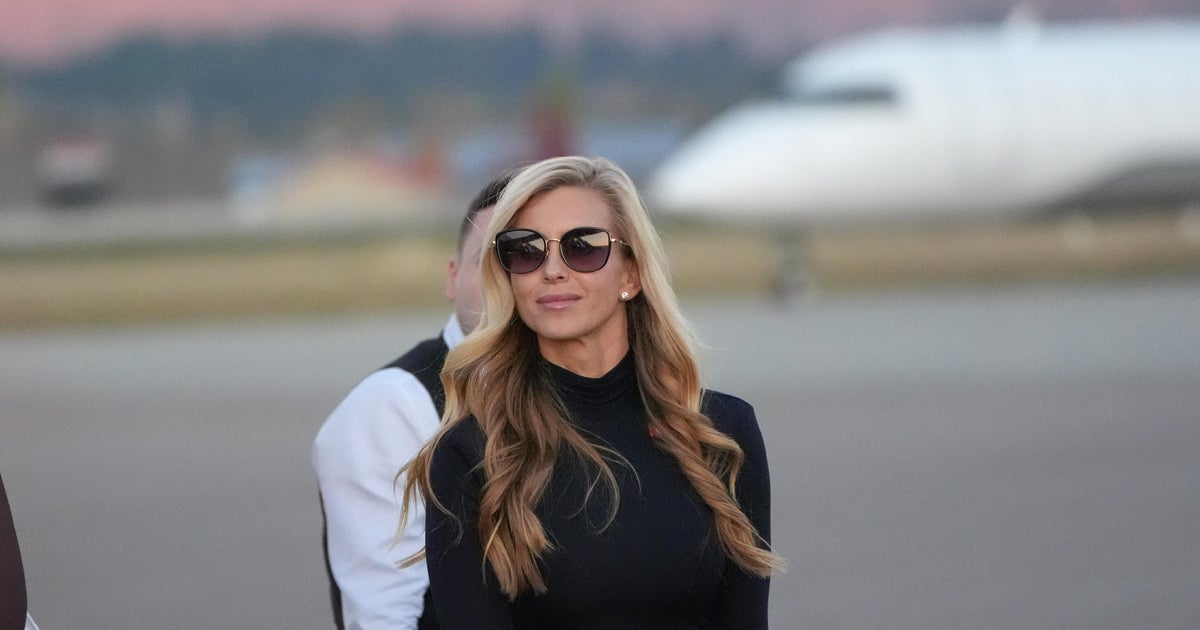
Featured image: Image via CBS News