The Fairphone <a href="https://news.quantosei.com/2026/09/29/fairphone-fairbuds-2-why-repairable-earbuds-matter/" title="fairphone fairbuds 2: Why Repairable Earbuds Matter”>fairbuds 2 is set to redefine the standards of sustainable consumer electronics when it officially launches on October 14, 2026. Following months of industry leaks and official teasers, the Dutch electronics company has confirmed that its highly anticipated follow-up to the original Fairbuds will prioritize modularity and high-resolution audio, addressing two of the most significant criticisms of modern wireless audio technology.
Key Takeaways
- modular design: The new earbuds will feature seven fully replaceable and modular parts, continuing Fairphone’s commitment to repairability.
- Audio Upgrade: Unlike the original model, the Fairbuds 2 will support Sony’s high-resolution LDAC codec, alongside SBC and AAC.
- Launch Schedule: A full reveal is expected on October 14, with an initial rollout targeting the European market.
- Competitive Pricing: The Fairbuds 2 will launch at €119 in Europe and $119 in the United States, a lower entry point than the original’s debut price.
- Sustainability Focus: The device aims to combat the growing issue of e-waste in the True Wireless Stereo (TWS) market by allowing users to replace components rather than discarding entire units.
- Lower Barrier to Entry: A $119 price point places the Fairbuds 2 in direct competition with mid-range offerings from established giants like Sony and Samsung, rather than just premium models like Apple’s AirPods Pro.
- Market Penetration: By lowering the cost, Fairphone can reach a broader demographic of consumers who are interested in sustainability but are also budget-conscious.
- Lifecycle Value: While the upfront cost is lower, the true value proposition lies in the long-term savings. If a user can replace a battery for a fraction of the cost of a new pair of earbuds, the total cost of ownership decreases significantly over time.
- For the Eco-Conscious Buyer: You no longer have to choose between high-end features and your environmental values. The inclusion of LDAC means you can enjoy premium audio without the guilt of contributing to the e-waste cycle.
- For the Audiophile: The addition of LDAC support makes these earbuds a viable option for those who prioritize high-resolution streaming via services like Tidal or Qobuz.
- For the Budget-Minded: The $119 price point offers a durable alternative to the “buy-and-replace” cycle common with cheaper, non-repairable earbuds.
- Technical Specifications: Detailed breakdowns of the seven modular parts and the specific IP rating for water resistance.
- Repair Ecosystem: Information on how consumers can purchase replacement parts and whether Fairphone will partner with third-party repair shops.
- Consumer Reviews: Early testing from tech reviewers will be essential to see if the LDAC implementation and the modular design hold up under real-world usage.
- www.theverge.com
What Happened: The Fairbuds 2 Announcement
On September 29, 2026, Fairphone shared exclusive details regarding the upcoming Fairphone Fairbuds 2 following a series of leaks and a teaser posted to the social media platform X. According to reports from The Verge, the company is preparing for a full reveal of the device on October 14.
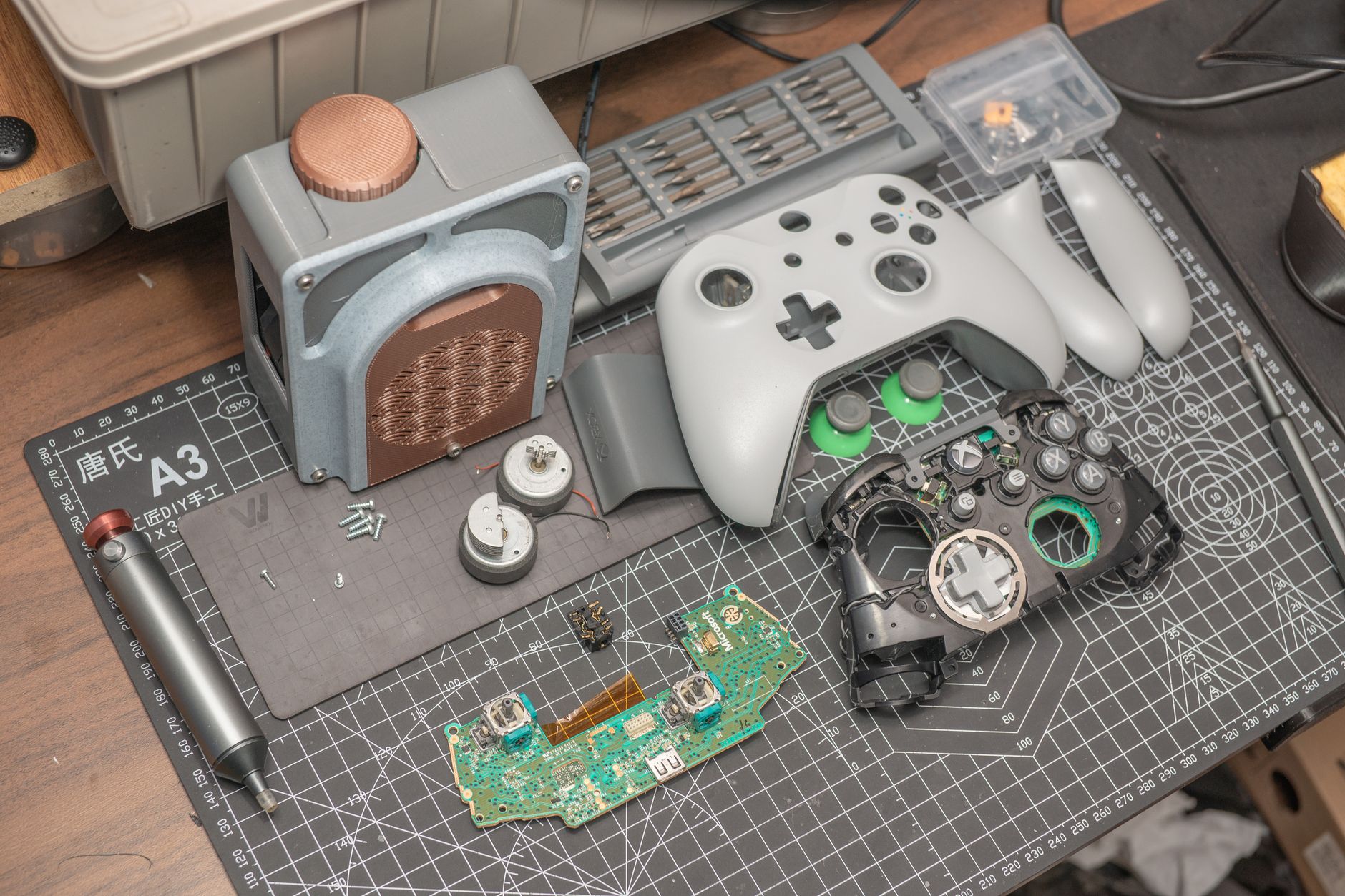
The announcement confirms that the new hardware will build upon the foundation laid by the first-generation Fairbuds, which debuted in 2024. While the original model was lauded for being among the first wireless earbuds with replaceable parts, the Fairbuds 2 seeks to close the gap between sustainability and high-end performance. Specifically, the company has confirmed that the new version will maintain a focus on repairability through “seven fully replaceable and modular parts.”
Why It Matters: The Battle Against E-Waste
The release of the Fairbuds 2 comes at a critical juncture for the consumer electronics industry. Most modern True Wireless Stereo (TWS) earbuds are designed as monolithic, non-serviceable units. Because the lithium-ion batteries in these devices are typically glued into the chassis, they cannot be replaced once their capacity degrades. This design choice effectively turns a high-tech gadget into a disposable item with a lifespan of only two to three years.
By offering seven modular parts, Fairphone is challenging the industry’s reliance on planned obsolescence. If a user experiences a battery failure, a driver issue, or a broken charging contact, the ability to swap individual components could extend the product’s life by years. This approach directly addresses the growing global concern regarding electronic waste (e-waste), particularly from small-form-factor devices that are difficult to recycle.
Technical Deep-Dive: Audio Quality and Codecs
One of the most significant technical evolutions in the Fairphone Fairbuds 2 is the expansion of its Bluetooth capabilities. The first-generation Fairbuds were limited to the standard SBC (Subband Coding) and AAC (Advanced Audio Coding) codecs. While these are widely compatible, they often struggle to deliver the high-bitrate audio required for a truly high-fidelity experience.
According to the company’s recent disclosures, the Fairbuds 2 will add support for Sony’s LDAC codec. LDAC is a proprietary audio coding technology that allows for the transmission of high-resolution audio at bitrates up to 990 kbps, which is significantly higher than standard Bluetooth connections. This upgrade is a strategic move to attract audiophiles who previously might have viewed Fairphone’s mission-driven products as being secondary in terms of sound performance.
Comparison of Fairbuds Generations
| Feature | Fairbuds (Original) | Fairbuds 2 |
|---|---|---|
| Modular Parts | Replaceable components | Seven fully modular parts |
| Bluetooth Codecs | SBC, AAC | SBC, AAC, LDAC |
| Primary Market | Global | Europe (First), then US |
| Launch Price (EU) | €149 (in 2024) | €119 |
| Launch Price (US) | ~$162 (in 2024) | $119 |
The Evolution of Fairphone’s Modular Philosophy
To understand the significance of the Fairbuds 2, one must look at the broader trajectory of Fairphone. The company has built its brand on the principle of “slow tech,” advocating for devices that are built to last and easy to fix. This philosophy has been most visible in their smartphone lineup, where modularity is a core design tenet.
Bringing this level of engineering to the TWS category is significantly more difficult. The internal space within a wireless earbud is extremely limited, often measured in millimeters. Designing a device that is both small enough to fit comfortably in the ear and modular enough to allow for part replacement requires advanced engineering and a departure from the industry’s standard manufacturing processes. The confirmation of seven replaceable parts suggests that Fairphone has made substantial strides in miniaturizing modular components.

Market Positioning and Pricing Strategy
Fairphone appears to be adopting a more aggressive pricing strategy with the Fairbuds 2 compared to its predecessor. The original Fairbuds debuted in 2024 at a price point of €149 (approximately $162 at the time). In contrast, the Fairbuds 2 is slated to launch at €119 in Europe and $119 in the United States.
This price reduction is notable for several reasons:
What It Means for You
If you are a consumer currently looking for new wireless earbuds, the launch of the Fairphone Fairbuds 2 presents a new way to shop.
Counterpoints and Open Questions
Despite the advancements, the Fairbuds 2 faces several hurdles and unanswered questions.
First, there is the issue of durability versus repairability. Often, modular designs require more seams and fasteners, which can potentially compromise the water and dust resistance (IP ratings) of a device. Consumers will want to know if the Fairbuds 2 can withstand sweat and rain as effectively as their non-modular competitors.
Second, the complexity of repair remains a concern. While the parts are replaceable, the actual process of swapping them out in such a small device may still require specialized tools or a certain level of dexterity. Fairphone will need to ensure that their repair kits and instructions are accessible to the average user to truly fulfill their promise.
Finally, the availability of spare parts is a critical factor. A modular device is only as good as the supply chain that supports it. If Fairphone cannot guarantee the availability of those seven modular parts for several years, the repairability aspect becomes a moot point.
What Happens Next
Following the full reveal on October 14, the industry will be watching to see how Fairphone manages its initial rollout. The company has indicated that Europe will be the first market to receive the Fairbuds 2, followed by a United States release.
Key signals to watch for include:
Frequently Asked Questions
When is the Fairbuds 2 release date?
The Fairphone Fairbuds 2 is scheduled for a full reveal on October 14, 2026. While a specific day for shipping has not been confirmed, the rollout will begin in Europe before expanding to the United States.
How much will the Fairbuds 2 cost?
In Europe, the Fairbuds 2 will launch at a price of €119. In the United States, the earbuds will be available for $119. This represents a more affordable entry point compared to the original Fairbuds’ 2024 launch price.
What are the main improvements over the original Fairbuds?
The most significant upgrades include the addition of Sony’s LDAC codec for high-resolution audio and a refined modular design that features seven fully replaceable parts. The original model only supported SBC and AAC codecs.
Can I repair the Fairbuds 2 myself?
Fairphone’s design is centered around repairability, and the company intends for the seven modular parts to be replaceable. However, users should look for official guidance on the tools and methods required to perform these repairs safely and effectively.
As Fairphone prepares to launch the Fairphone Fairbuds 2, the company continues to push the boundaries of what is possible in the intersection of high-fidelity audio and sustainable design. Whether this device can successfully challenge the dominance of disposable audio technology remains to be seen, but the groundwork for a more circular electronics economy has never been more evident.
References
Featured image: Photo by FOX ^.ᆽ.^= ∫ on Pexels