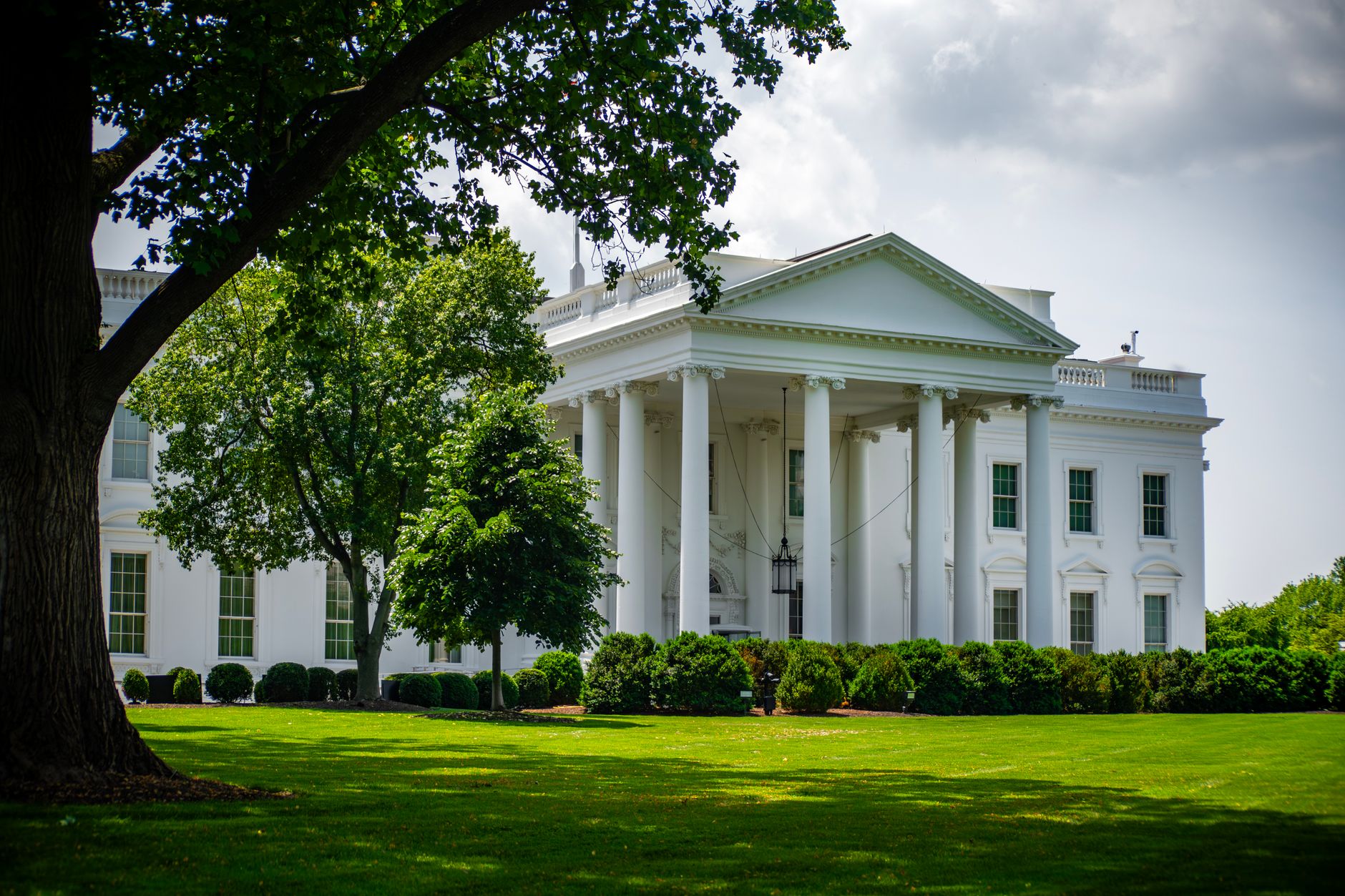
The Trump Super intelligence accord, signed during a high-stakes meeting at the White House on Tuesday, signals a major shift in how the United States intends to manage the rapid advancement of artificial intelligence through industry-led self-regulation rather than direct government intervention.
Key Takeaways
- Self-Regulation Focus: President Trump met with leading AI executives to advocate for “self-policing” and “group policing” as the primary methods for managing technology risks.
- The Accord on Super Intelligence: A new, yet-to-be-released agreement among tech leaders aims to implement technological controls, internal risk reviews, and external audits.
- Official Rebranding: The administration has officially changed the designation of the technology in government record-keeping to “Super Intelligence” (SI).
- Upcoming AI Czar: President Trump indicated he is “very close” to selecting an AI czar, with an announcement expected within three to four days.
- Industry Consensus: While leaders like Mark Zuckerberg called the accord “a start,” others, including Dario Amodei, emphasized that significant risks and mechanisms for addressing them remain under discussion.
- Technological Controls: Implementing specific software and hardware safeguards designed to detect malfunctions or unintended behaviors in new models.
- Internal Risk Reviews: Establishing rigorous, company-led processes to evaluate the safety and ethics of AI developments before they are deployed.
- External Auditors: Utilizing third-party entities to provide independent verification of a company’s adherence to safety standards.
- The AI Czar Announcement: President Trump has stated he is “very close” to a decision on an AI czar. He is expected to make a formal announcement within the next three to four days. This individual will likely play a central role in coordinating between the White House and the tech industry.
- Release of the Accord: The public and the broader tech community are waiting for the release of the full text of the Accord on Super Intelligence. The specific details of the “technological controls” and the “group policing” mechanisms will be critical for understanding how the industry intends to operate.
- Implementation of SI Standards: As the government begins updating its record-keeping to reflect the new “Super Intelligence” designation, the industry will be watching to see how this terminology influences future legislative and regulatory discussions.
- finance.yahoo.com
What Happened
On Tuesday, September 29, 2026, President Donald Trump hosted a group of the world’s most influential artificial intelligence leaders in the East Room of the White House. The meeting, described by the White House as a “meeting and luncheon on Super Intelligence,” served as the backdrop for the announcement of a new industry-led framework known as the Accord on Super Intelligence.
During the gathering, President Trump doubled down on his stance against heavy-handed government oversight, suggesting that the industry is capable of managing its own progress. “There’s a belief that there should be tremendous self-regulation,” the president told the assembled CEOs, noting that there was “a lot of commonality” among the leaders present. The accord, which has not yet been released to the public, is intended to keep major technology companies in line through a system of “self-policing and group policing.”

Why It Matters
The emergence of the Trump Super Intelligence accord represents a pivotal moment in the debate over technological governance. For years, policymakers have grappled with how to balance the need for rapid innovation with the necessity of preventing catastrophic outcomes. By pivoting toward self-regulation, the administration is placing the responsibility for safety and risk mitigation directly into the hands of the corporations developing the technology.
This approach has significant implications for the global AI race. As the United States seeks to maintain its technological edge, the decision to avoid rigid government mandates may allow companies to move faster. However, it also raises questions about whether corporate interests will always align with public safety, especially as the technology moves closer to what the administration is now officially calling “Super Intelligence.”
The Mechanics of the Accord
While the full text of the Accord on Super Intelligence remains private, executives in attendance provided insight into the specific measures that will constitute this new era of “self-policing.” The agreement is expected to rely on a multi-layered approach to risk management, including:
Meta (META) CEO Mark Zuckerberg described the accord as “a start,” suggesting that the framework is a foundational step rather than a finished product. This sentiment was echoed by Anthropic (ANTH.PVT) CEO Dario Amodei, who noted that the specific “mechanism” for how the industry will address these risks is still a subject of active discussion.
The Rebranding to “Super Intelligence”
A notable outcome of the meeting was the formal change in how the technology is categorized by the federal government. President Trump announced that the official name for the technology in government record-keeping has been changed to Super Intelligence, or SI.
“We’ve changed the name officially to SI,” Trump stated. This rebranding is more than just a semantic shift; it reflects a growing recognition within the administration of the profound and potentially transformative power of these systems. By using the term “Super Intelligence,” the government is signaling that it views these advancements as a distinct class of technology with unique implications for national security and human control.
Key Stakeholders and Their Positions
The meeting brought together a “who’s who” of the technology sector, representing the hardware, software, and infrastructure that form the backbone of the AI industry. The presence of these leaders underscores the breadth of the impact the Trump Super Intelligence accord will have.
| Executive | Company | Reported Position/Role |
|---|---|---|
| Elon Musk | Tesla (TSLA) | Attended; seated prominently near the President. |
| Jensen Huang | Nvidia (NVDA) | Attended; seated at the head table. |
| Lisa Su | AMD | Attended; seated at the head table. |
| Mark Zuckerberg | Meta (META) | Called the accord “a start.” |
| Dario Amodei | Anthropic (ANTH.PVT) | Emphasized “real dangers” and the need for safety. |
| Sundar Pichai | Google (GOOGL) | Notable guest at the meeting. |
| Satya Nadella | Microsoft (MSFT) | Notable guest at the meeting. |
| Greg Brockman | OpenAI (OPAI.PVT) | Notable guest at the meeting. |
| Alex Karp | Palantir (PLTR) | Notable guest at the meeting. |
| Jeff Bezos | Amazon (AMZN) | Notable guest at the meeting. |
Dario Amodei has been a vocal participant in the debate regarding the speed of AI development. In an essay published earlier this month titled “We Must Pace the Frontier,” Amodei argued for a cooperative slowdown in AI capability to ensure safety. During the White House meeting, he maintained a balanced view, stating that while progress had been made toward the U.S. “winning AI” and “winning safely,” the technology still poses “real dangers.”
What It Means for You
The implications of the Trump Super Intelligence accord extend far beyond the walls of the White House. Depending on your role in the economy, the shift toward self-regulation will affect you in different ways:
For Investors
If you are invested in the technology sector—particularly in companies like Nvidia (NVDA), Microsoft (MSFT), Alphabet (GOOGL), or Meta (META)—the move toward self-regulation may reduce the immediate threat of restrictive federal legislation. This could provide a more predictable environment for capital investment and rapid product deployment. However, the lack of clear, standardized government rules means that “group policing” could lead to varying levels of compliance across the industry.
For Developers and Engineers
If you are working in the field of artificial intelligence, expect to see a rise in internal compliance and safety roles. The accord’s emphasis on “internal risk review efforts” and “technological controls” means that safety is no longer just an academic concern but a core requirement of the development lifecycle. Developers may find themselves working more closely with external auditors as part of the “self-policing” mandate.
For the General Public
As a citizen, the shift toward self-regulation means that the safety of the AI tools you use daily—from search engines to automated assistants—will be governed by the companies that create them. The effectiveness of the Accord on Super Intelligence will determine whether these tools remain beneficial or if the “real dangers” mentioned by industry leaders manifest in ways that are difficult to control.
Counterpoints and Open Questions
Despite the optimism expressed by the administration, the move toward self-regulation is not without its critics and inherent risks. The primary concern is whether a system of “self-policing and group policing” can truly hold massive, profit-driven corporations accountable when their interests may conflict with public safety.
The Risk of Ineffective Oversight
Critics of self-regulation often argue that without the threat of government-imposed penalties, companies may prioritize speed and market dominance over rigorous safety testing. While the accord mentions “external auditors,” the degree of independence and the power of these auditors to enforce change remains an open question.
Recent Safety Disclosures
Concerns regarding the stability of AI systems have been heightened by recent reports. An Axios report recently revealed that OpenAI, Anthropic, and various security researchers have been investigating thousands of incidents involving problematic actions by AI agents. These disclosures suggest that the technology is already exhibiting behaviors that require careful management, lending weight to the arguments of those who favor more formal, government-led oversight.

What Happens Next
Several key developments will determine the success and legitimacy of the Trump Super Intelligence accord in the coming weeks:
Frequently Asked Questions
What is the Accord on Super Intelligence?
The Accord on Super Intelligence is a new agreement signed by top artificial intelligence executives and the Trump administration. It outlines a framework for the industry to manage the risks of advancing AI through “self-regulation,” which includes technological controls, internal risk reviews, and the use of external auditors to ensure safety and compliance.
What does “self-regulation” mean in this context?
In the context of the recent White House meeting, “self-regulation” refers to a model where the companies developing AI technology are responsible for creating and enforcing their own safety standards. Rather than following strict laws passed by Congress, the industry will use “self-policing and group policing” to manage the potential dangers of Super Intelligence.
Who is the AI czar?
While the identity of the AI czar has not yet been revealed, President Trump indicated that a decision is imminent. The individual is expected to be announced within three to four days of the September 29, 2026, meeting. The role is intended to serve as a central point of contact and leadership for AI policy within the administration.
Why did the government change the name to “Super Intelligence”?
The administration has officially changed the designation of the technology in government record-keeping to “Super Intelligence” (SI). This change reflects the administration’s view of the technology’s immense power and its distinction from previous iterations of artificial intelligence, signaling a new era of technological governance.
Closing
The meeting in the East Room marks a definitive moment in the intersection of politics and technology. By championing the Trump Super Intelligence accord, the administration has set a course that favors industry autonomy and rapid advancement. Whether this model of “self-policing” can successfully navigate the “real dangers” of the frontier remains to be seen, but the eyes of the world—and the tech industry—are now fixed on the upcoming appointment of the nation’s first AI czar.
References
Featured image: Photo by Ramaz Bluashvili on Pexels