
Recent russian drone attacks have struck the heart of Kyiv, targeting the historic National Academy of Sciences and critical infrastructure, just as President Volodymyr Zelenskyy arrived in New York to address the United Nations General Assembly.
Key Takeaways
- Direct Hits on Institutions: A drone strike on the National Academy of Sciences in Kyiv killed at least two people and caused significant damage to the historic building.
- Technological Shift: Ukrainian officials report a surge in jet-propelled drones, which are faster and harder to intercept than traditional propeller-driven models.
- Economic Warfare: Ukraine has responded by targeting Russian oil refineries and defense plants to disrupt Moscow’s war financing.
- Diplomatic Tension: The strikes coincide with high-level diplomatic engagements, including President Zelenskyy’s meetings in New York and a potential G20 summit invitation for Vladimir Putin.
- Infrastructure Vulnerability: Attacks on telecommunications providers like Kyiv Star and Vodafone have raised fears of a total communications blackout.
- The Pro-Engagement View: Supporters, including Rubio, suggest the G20 provides a platform for direct engagement between world leaders to potentially end the conflict.
- The Risk of Legitimacy: Critics argue that inviting Putin to a high-profile summit may be perceived as legitimizing Russian aggression without first securing a ceasefire.
- Will the current shortage of Patriot missile systems, exacerbated by the diversion of resources to the conflict in Iran, be resolved in time to protect Ukraine’s urban centers?
- Can the 57% interception rate for jet drones be improved through the “new interceptors” currently being tested by Ukrainian combat groups?
- How will the Trump administration balance the push for a G20-led diplomatic solution with the immediate military needs of its Ukrainian allies?
- The UN Address: President Zelenskyy’s speech at the UN General Assembly will be a pivotal moment for his push for increased air defense capabilities.
- Testing New Interceptors: The effectiveness of the new interceptor technology being deployed by Ukrainian combat groups will determine if the jet-drone threat can be mitigated.
- The G20 Roadmap: The diplomatic response to the invitation for Putin to attend the Miami summit in December will signal the direction of U.S.-Russia relations.
- Economic Impact: The continued success or failure of Ukrainian strikes on Russian refineries will provide data on whether economic warfare is successfully choking off Moscow’s war funding.
- www.cp24.com
- www.aljazeera.com
What Happened: The Siege of Kyiv
On Monday, September 22, and continuing into Tuesday, September 23, 2026, Russian forces launched a series of heavy drone and missile strikes across Ukraine, with a concentrated focus on the capital, Kyiv. The most prominent strike occurred at the National Academy of Sciences, a landmark institution located near the German Embassy, the national opera, and several key government buildings.
According to emergency officials, the strike on the Academy killed at least two people. One victim’s body was recovered from the rubble on Monday evening. Volodymyr Horbulin, a former secretary of Ukraine’s National Security and Defence Council, reported that he was present at the academy during the attack. He stated to the public broadcaster Suspilne that his assistant was killed near the building and that he himself sustained minor wounds.

Video footage circulating online showed a fast-moving drone striking the building at a steep angle before exploding. Witnesses described seeing people leaning out of windows as bright orange flames engulfed portions of the historic structure. The Academy issued a statement condemning the event as “Russian terror” and “barbarity” aimed at peaceful citizens at their workplaces.
Beyond the capital, the strikes caused widespread destruction. In the southeastern city of Dnipro, a drone attack on a business center resulted in three deaths and 19 injuries. In Synelnykove, located southeast of Dnipro, a regional governor confirmed one person was killed in a logistics office. Meanwhile, in Zaporizhzhia, an attack on local infrastructure wounded 32 people and ignited a fire at a shopping mall that spread across approximately 6,000 square meters.
Why It Matters: The Rise of Jet-Propelled Warfare
The nature of these Russian drone attacks indicates a significant tactical evolution in the conflict. President Volodymyr Zelenskyy noted that of the 120 drones fired at Ukraine on Monday, 90 were jet-propelled rather than propeller-driven.
This shift is critical because jet drones operate at higher speeds and altitudes, making them significantly more difficult for current air defense systems to track and neutralize. Zelenskyy reported that the current interception rate for these faster drones sits at approximately 57 percent. This gap in defense capability is a primary concern for the Ukrainian government, which is currently struggling to secure more advanced systems to protect its population and power grid.
Comparative Drone Capabilities
| Drone Type | Propulsion | Speed/Altitude | Interception Difficulty | Reported Interception Rate |
|---|---|---|---|---|
| Standard Drone | Propeller | Lower/Moderate | Moderate | Higher (unspecified) |
| Jet-Propelled Drone | Jet Engine | High/High | High | ~57% |
Deep-Dive: Infrastructure and Economic Warfare
As the kinetic warfare intensifies, the battlefield has expanded into the digital and economic realms. Russia has increasingly targeted the backbone of Ukraine’s civilian infrastructure. According to Al Jazeera reporter Jonah Hull, Russia has been conducting a rolling series of strikes on economic targets for six consecutive days.
These strikes have specifically targeted data centers and communications infrastructure. On Sunday, Kyiv Star, the nation’s largest cellular provider, was hit, followed by the second-largest provider, Vodafone Ukraine. The Ukrainian government is reportedly preparing for the possibility of a total communications blackout, which would severely hamper both civilian coordination and military communications.
Ukraine’s Counter-Strategy: Targeting Revenue
Ukraine has not remained purely defensive. In a strategy aimed at undermining the Kremlin’s ability to fund its military operations, President Zelenskyy confirmed that Ukraine has increased its own strikes against Russian economic pillars.
On Monday, Zelenskyy stated that Ukrainian forces struck Russian oil facilities in the Krasnodar region and two defense plants. This approach, described by Zelenskyy as a necessity to stop Russia’s ability to “finance this war, to drag it out, to make it more brutal and more destructive,” represents a pivot toward long-term economic attrition. By targeting refineries, Ukraine seeks to choke off the revenue streams that sustain the Russian war machine.
The Geopolitical Context: Diplomacy Amidst Destruction
The timing of these strikes is highly significant. They occur while President Zelenskyy is in New York for the United Nations General Assembly, attempting to secure more robust international support for air defense systems and economic sanctions.
While Zelenskyy focuses on the diplomatic front, the United States, under the Trump administration, is signaling a complex approach to the conflict. While there is reported impatience regarding the lack of progress in peace talks, there are also high-level diplomatic maneuvers underway. Marco Rubio, the U.S. Secretary of State, addressed reporters at the UN regarding an invitation extended to Russian President Vladimir Putin to attend a G20 meeting in Miami, Florida, this coming December.
This invitation has created a complex diplomatic landscape:
Adding to the regional tension, a Russian military helicopter briefly violated Polish airspace near the Kaliningrad exclave on Wednesday. The Polish Military characterized the incident as a deliberate test of their air defense readiness, highlighting the risk of the conflict spilling over into NATO territory.
What It Means for You
The escalation of Russian drone attacks and the subsequent Ukrainian counter-strikes have practical implications for various global stakeholders:
For Residents in Ukraine
Expect continued instability in essential services. The targeting of telecommunications and power infrastructure means that internet connectivity, cellular service, and electricity may become intermittent. Residents should prepare for potential communication blackouts and maintain emergency supplies.
For Global Energy Investors
As Ukraine continues to strike Russian oil refineries in regions like Krasnodar, volatility in global oil markets is likely to persist. The strategic targeting of energy infrastructure is designed to disrupt both Russian revenue and global supply chains.
For International Policy Makers
The upcoming G20 meeting in Miami and the ongoing discussions at the UN will be critical indicators of whether the international community is moving toward a mediated peace or a prolonged period of economic and kinetic attrition.
Counterpoints and Open Questions
While the human and physical toll of the strikes is well-documented, the motivations and justifications remain a point of contention.
The Russian Perspective: The Russian Defence Ministry has claimed that its strikes target military-industrial facilities, energy sectors, and logistics centers. They also claim to have intercepted over 500 Ukrainian drones across various regions, including Crimea and the Black Sea.
The Ukrainian Perspective: Ukrainian officials, including Foreign Minister Andrii Sybiha, argue that the strikes are indiscriminate and deliberately target civilian life and scientific institutions to spread terror.
Open Questions:
What Happens Next
Several key developments will serve as indicators for the next phase of the conflict:
Frequently Asked Questions
Why are the new Russian drones more dangerous?
The recent surge in jet-propelled drones makes them significantly faster and capable of flying at higher altitudes than traditional propeller-driven drones. This increased speed makes them much harder for existing air defense systems to track, identify, and intercept, leading to a lower success rate for Ukrainian defenses.
What is the significance of the National Academy of Sciences strike?
The National Academy of Sciences is a major scientific and cultural institution in the heart of Kyiv. Striking such a building is seen by Ukrainian officials as a deliberate attempt to strike at the country’s intellectual and cultural heritage, rather than a purely military target.
How is Ukraine responding to the drone attacks?
Ukraine is employing a two-pronged response: defensive and offensive. Defensively, they are testing new interceptor technologies and requesting more advanced air defense systems like the Patriot. Offensively, they are targeting Russian economic infrastructure, specifically oil refineries and defense plants, to limit Russia’s ability to fund the war.
What is the role of the G20 in the Ukraine conflict?
The G20 meeting in Miami, hosted by President Trump in December 2026, is being viewed as a potential high-level diplomatic platform. There is an invitation for President Putin to attend, which could provide an opportunity for direct engagement between world leaders, though the move is controversial among some international observers.
As the conflict enters its fifth year, the intersection of high-tech drone warfare, economic attrition, and intense diplomatic maneuvering suggests that the struggle for control over Ukraine’s future remains as volatile as ever.
References
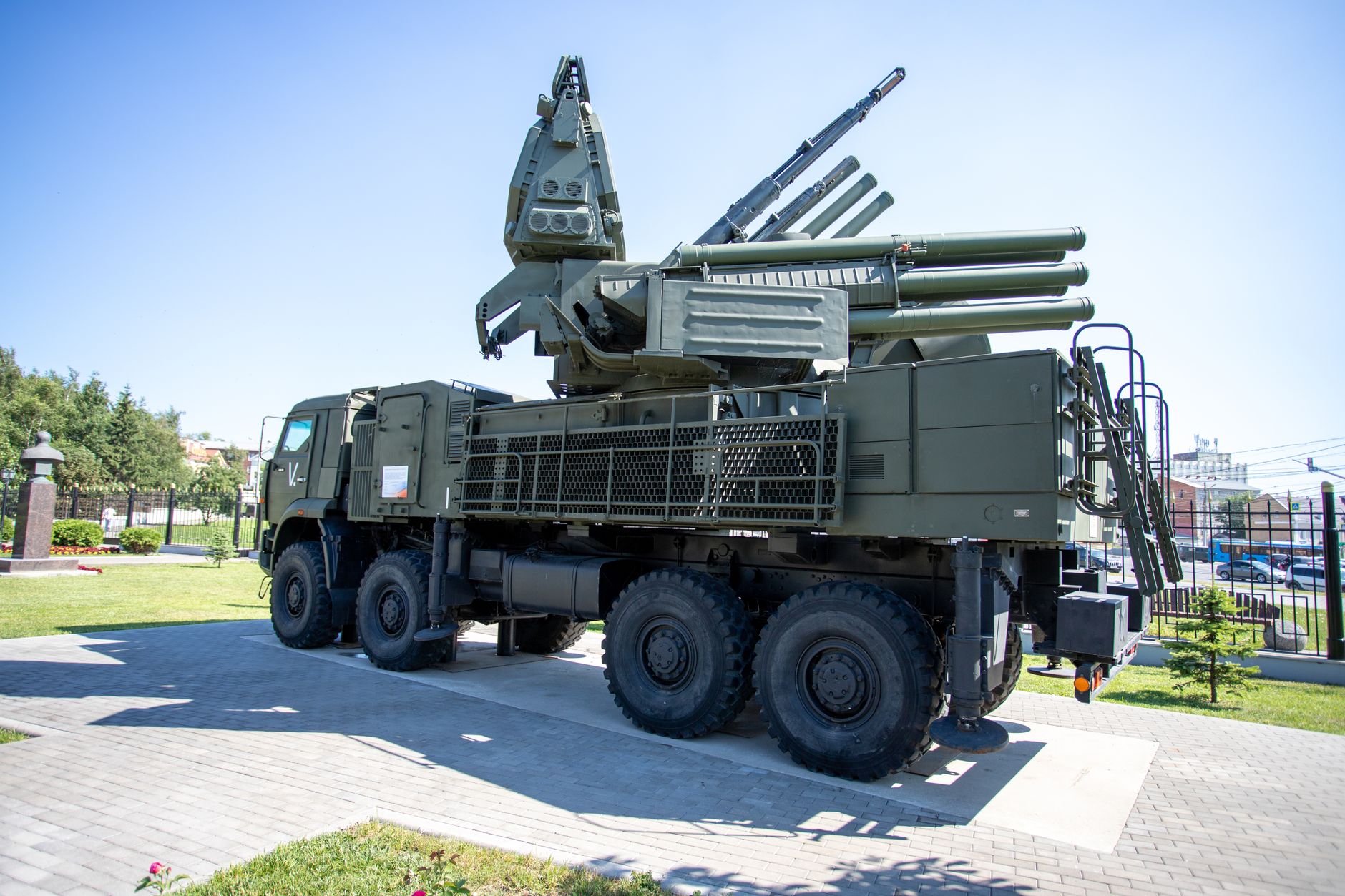
Featured image: Photo by may day.ua on Pexels