

russian drone strikes have escalated in intensity, targeting the heart of the Ukrainian capital and marking a significant shift in the technological and economic dimensions of the ongoing conflict.
Key Takeaways
- Fatalities in Kyiv: At least two people were killed and dozens wounded when a drone struck the historic National Academy of Sciences in Kyiv.
- Technological Shift: Ukraine is facing a surge in high-flying, jet-powered Russian drones, which have a lower interception rate of approximately 57 percent.
- Economic Warfare: President Volodymyr Zelenskyy is pivoting toward a strategy of “burning” Russian revenues by targeting oil refineries and advocating for stricter global trade limits.
- Diplomatic Tension: The strikes occurred as Zelenskyy addressed the UN General Assembly in New York, amid reports of potential diplomatic shifts in the United States.
- Infrastructure Targets: Beyond civilian buildings, Russian attacks have increasingly focused on digital infrastructure, including major telecommunications providers like Kyiv Star and Vodafone Ukraine.
- Will the increased use of jet drones eventually overwhelm Ukraine’s remaining air defense capabilities?
- How will the potential G20 invitation for Putin affect the level of military aid provided by Western allies?
- Can Ukraine maintain its economic warfare strategy if Russia successfully shifts its energy production away from vulnerable refineries?
- Air Defense Testing: Watch for reports on the effectiveness of the “new interceptors” currently being tested by Ukrainian combat groups. Their ability to scale up production and deployment will be critical.
- The UN General Assembly: The outcomes of Zelenskyy’s diplomatic push in New York will likely manifest in upcoming decisions regarding economic sanctions and military aid packages.
- G20 Preparations: The diplomatic buildup toward the December summit in Miami will provide insight into whether the U.S. is moving toward a more mediation-focused role.
- Communication Resilience: The ability of Ukrainian providers like Kyiv Star to maintain service under constant threat will be a litmus test for the nation’s digital resilience.
- www.cp24.com
- www.aljazeera.com
What Happened: A Capital Under Fire
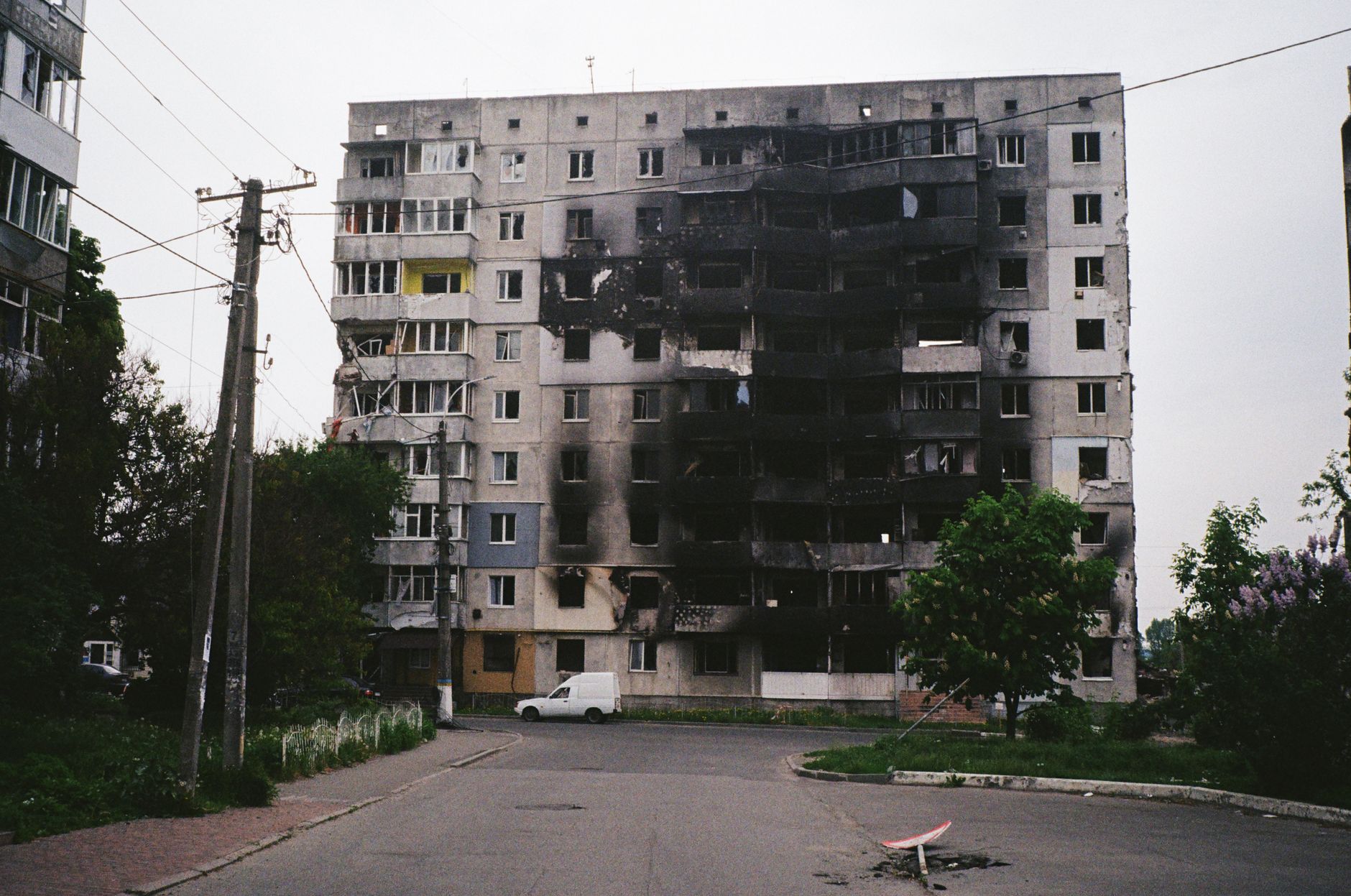
On Tuesday, September 22, 2026, and continuing into Wednesday, September 23, Russian forces launched a series of heavy drone attacks across Ukraine, with a particularly devastating strike hitting the historic center of Kyiv. The National Academy of Sciences, a landmark institution located near the German Embassy, the national opera, and various government buildings, was engulfed in flames after being struck by a fast-moving drone.

According to emergency officials and reports from the Associated Press, the strike on the Academy killed at least two people. One victim’s body was recovered from the rubble on Monday evening. While some initial reports suggested 23 people were wounded in the Kyiv strikes, the Associated Press later specified that the number of wounded in the capital reached 41.
Mayor Vitali Klitschko reported that missile debris fell in the courtyard of one building, while a second strike caused fires in another part of the city. The attack on the Academy was captured in video footage showing a drone approaching at a steep angle before exploding, sending bright orange flames through the building’s windows. Volodymyr Horbulin, a former secretary of Ukraine’s National Security and Defence Council, reported that he was at the Academy during the attack; he sustained minor wounds, and his assistant was killed near the building.
Beyond the capital, the devastation spread to other major urban centers. In the southeastern city of Dnipro, a drone strike on a business center resulted in three deaths and 19 injuries. In Synelnykove, a logistics office was hit, killing one person. Meanwhile, in Zaporizhzhia, an attack on a shopping mall caused a fire spanning approximately 6,000 square meters (1.5 acres) and wounded two men, aged 37 and 39, according to the Associated Press.
Why It Matters: The Evolution of Aerial Warfare
The recent wave of attacks highlights a critical evolution in Russian military tactics: the widespread use of jet-powered drones. Unlike the slower, propeller-driven drones that have characterized much of the conflict, these new models are faster and fly at higher altitudes, making them significantly harder for existing Ukrainian air defense systems to intercept.
President Volodymyr Zelenskyy provided startling data regarding this shift during his nightly address. He noted that of the 120 drones fired on Ukraine on Monday, 90 were jet-propelled. Most concerning for Ukrainian defense planners is the interception rate; while propeller drones are often successfully neutralized, the interception rate for these faster jet drones currently sits at just 57 percent.
| Drone Type | Primary Characteristic | Reported Interception Rate |
|---|---|---|
| Propeller-driven | Lower speed, lower altitude | Not specified (Higher) |
| Jet-powered | High speed, high altitude | 57% |
This technological gap is being exacerbated by a global shortage of advanced defense hardware. The Associated Press reports that a critical shortage of U.S.-made Patriot air defense systems is currently hampering Ukraine’s ability to secure its airspace, a situation worsened by the ongoing conflict in Iran, which has increased demand for these specific systems.

Deep-Dive: From Defense to Economic Attrition
As the kinetic war intensifies, Ukraine is simultaneously ramping up its own offensive capabilities, moving from a purely defensive posture to one of active economic warfare. This strategy aims to strike at the very heart of the Russian military’s ability to fund its operations.
Targeting the Russian Economy
President Zelenskyy has been vocal about the necessity of targeting Russia’s financial pillars. During his address to the United Nations General Assembly in New York, he emphasized that global trade with Russia serves to prolong the conflict. “When someone gives Russia more money through trade, they give this war more time,” Zelenskyy told the assembly. “And that is exactly why we insist on limiting trade with the aggressor, and why we are burning Russia’s revenues ourselves.”
To achieve this, Ukraine has increased its strikes on Russian oil refineries and defense plants. On Monday, Zelenskyy confirmed that Ukrainian forces successfully struck oil facilities in the Krasnodar region as well as two defense manufacturing plants. The goal is clear: to disrupt the production and revenue streams that sustain the Kremlin’s war effort.
The Battle for Communications
Another significant dimension of the recent strikes is the targeting of digital and communications infrastructure. Al Jazeera’s Jonah Hull reported that Russia has been conducting a rolling series of strikes over the past six days, increasingly focusing on data centers and telecommunications.
On Sunday, Kyiv Star, Ukraine’s largest cellular provider, was hit, followed by the second-largest provider, Vodafone Ukraine. These strikes represent a strategic attempt to induce a total communications blackout, which would hinder both civilian coordination and military command and control. The Ukrainian government is reportedly preparing for the possibility of a complete loss of connectivity.
Geopolitical Maneuvering: The UN and the G20
The strikes on Kyiv come at a moment of profound diplomatic complexity. While the drones were falling on Ukrainian cities, Volodymyr Zelenskyy was in New York, attempting to secure long-term support from the international community.
The U.S. Approach
The political landscape in the United States appears to be shifting. Following a meeting between Zelenskyy and U.S. President Donald Trump on Tuesday, September 22, signals have emerged regarding a potential change in how Washington engages with Moscow. Marco Rubio, the U.S. Secretary of State, indicated at the UN that there is an openness to diplomatic engagement, noting that an invitation has been discussed for Russian President Vladimir Putin to attend the upcoming G20 summit in Miami in December 2026.
While the Kremlin, via spokesman Dmitry Peskov, expressed gratitude for the G20 invitation, the move remains controversial. Critics argue that such diplomatic overtures may undermine Ukraine’s position, while proponents suggest it provides an opportunity for high-level dialogue. Rubio characterized the potential invitation as “an opportunity for him to engage not just with the president, but with other world leaders.”
NATO and Border Tensions
While the focus remains on Ukraine, the conflict is increasingly spilling over into the borders of NATO members. On Wednesday, September 23, a Russian military helicopter briefly entered Polish airspace near the Kaliningrad exclave. The Polish Military assessed the incident as a potential test of their air defense readiness, stating that the nature of the violation suggested a deliberate provocation.
What It Means for You
For Ukrainian Residents:
Expect continued volatility in both physical and digital security. The targeting of telecommunications providers suggests that intermittent internet and cellular outages are a likely component of future Russian strike patterns. The shift toward jet drones also means that air raid sirens may be followed by much shorter warning windows than in previous months.
For Global Investors and Energy Markets:
Ukraine’s aggressive targeting of Russian oil refineries in regions like Krasnodar introduces new variables into global energy pricing. As Ukraine attempts to “burn” Russian revenues, the stability of oil exports from the region may face increased disruption, potentially impacting global supply chains.
For International Policymakers:
The potential for a high-stakes meeting between Vladimir Putin and Donald Trump at the G20 in Miami suggests a possible pivot toward a negotiated settlement or a new era of US-Russia relations. This will require careful navigation of NATO’s unified stance and Ukraine’s security requirements.
Counterpoints and Open Questions
While the impact of the strikes is widely reported, there are significant conflicting claims regarding the nature of the combat. The Russian Defence Ministry has asserted that its air defenses successfully intercepted more than 500 Ukrainian drones targeting regions including Crimea and the Black Sea. The Ministry further claimed that its own strikes were strictly limited to “military-industrial and energy sector facilities, logistics centres and sea vessels.”
However, these claims are countered by reports from the ground in Ukraine, which show significant damage to civilian landmarks like the National Academy of Sciences and shopping malls in Zaporizhzhia. Both sides continue to deny the deliberate targeting of civilians, though the pattern of strikes on pharmaceutical companies, petrol stations, and residential-adjacent buildings in Kyiv remains a point of intense international scrutiny.
Several questions remain unanswered:
What Happens Next
Several key developments will serve as indicators for the next phase of the conflict:
Frequently Asked Questions
What are jet-powered drones, and why are they dangerous?
Jet-powered drones differ from traditional propeller drones by using jet engines, allowing them to fly at much higher speeds and higher altitudes. This makes them significantly more difficult for traditional air defense systems to track and intercept. According to President Zelenskyy, these drones currently have a lower interception rate (approximately 57%) compared to slower, propeller-driven models, posing a heightened threat to civilian infrastructure and energy grids.
How is Ukraine conducting economic warfare against Russia?
Ukraine is employing a strategy of “economic attrition” by targeting Russia’s primary sources of war funding. This includes conducting precision strikes on Russian oil refineries, such as those in the Krasnodar region, and defense manufacturing plants. Additionally, President Zelenskyy is advocating for international allies to impose stricter trade limitations on Russia to prevent the flow of capital that sustains the military effort.
What is the significance of the G20 invitation for Vladimir Putin?
The reported discussion of inviting President Putin to the G20 summit in Miami represents a potential shift in U.S. diplomatic strategy under the Trump administration. If realized, it would mark a move toward high-level direct engagement between the U.S. and Russia, potentially aimed at finding a diplomatic resolution to the conflict, though it remains a highly contentious issue among NATO allies.
Why is there a shortage of Patriot missile systems?
The shortage of Patriot air defense systems is driven by high global demand and competing conflicts. Specifically, the ongoing conflict in Iran has increased the international requirement for these advanced systems, creating a supply bottleneck that leaves Ukraine with fewer resources to defend against Russian ballistic missiles and high-speed drones.
As the conflict enters a more technologically advanced and economically aggressive phase, the world continues to watch the intersection of kinetic warfare on the ground and high-stakes diplomacy in the halls of the United Nations. The dual-track escalation—Ukraine’s economic strikes and Russia’s drone-driven infrastructure attacks—suggests that the war is becoming as much a battle of resources and technology as it is of territory.
References
Featured image: Photo by Vitali Adutskevich on Pexels

One thought on “Russian Drone Strikes Hit Kyiv: What It Means for Ukraine”