Analyzing the latest <a href="https://news.quantosei.com/2026/09/25/fantasy-football-analysis-week-2-injury-and-usage-trends/" title="fantasy football Analysis: Week 2 Injury and Usage Trends”>fantasy football trends following nfl week 2 reveals a landscape defined by volatile running back rotations, significant wide receiver injuries, and a widening gap in tight end reliability. As teams adjust to early-season health setbacks and coaching shifts, fantasy managers must look beyond simple box scores to understand the underlying player usage and personnel groupings that drive long-term value.
Key Takeaways
- Running Back Volatility: Teams like the Green Bay Packers and New York Giants are employing complex, multi-player rotations that make individual RB fantasy value highly unpredictable.
- Wide Receiver Instability: Major injuries to stars like Jayden Reed (Packers) and A.J. Brown (Patriots) are forcing immediate shifts in target hierarchies and personnel groupings.
- Tight End Divergence: While Dalton Kincaid (Bills) is emerging as an elite, high-volume option, others like Kyle Pitts Sr. (Falcons) continue to struggle with low route participation and snap counts.
- Rookie Impact: New contributors, including Kaleb Johnson (Packers) and Jadarian Price (Seahawks), are beginning to carve out significant early-down roles.
- Personnel Matters: The increased use of 12 and 13 personnel in several offenses is directly impacting the floor for tight ends and secondary receiving options.
- For RB Managers: Do not draft or start running backs in Green Bay or New York unless you are in a deep league looking for a desperation play. The lack of a clear lead back makes these players too volatile for weekly starters.
- For WR Managers: Monitor the injury status of Jayden Reed and A.J. Brown closely. If their absences are long-term, players like Keon Coleman and Romeo Doubs move from “bench depth” to “weekly starters.”
- For TE Managers: If you can trade a mid-tier tight end for Dalton Kincaid, do it. The gap between the elite tier and the rest of the field is widening.
- Waiver Wire Targets: Prioritize Jonah Coleman (Broncos) and Kimani Vidal (Chargers) if they are available, as they are seeing increased early-down involvement.
- The Return of Tua Tagovailoa: If the Falcons’ starting quarterback returns, expect a shift in how the offense utilizes its skill players.
- The Packers’ O-Line Health: Watch the injury reports for the Green Bay offensive line. A return to health could stabilize the running back rotation.
- The Bills’ Receiving Hierarchy: Monitor whether Keon Coleman continues his upward trajectory in the absence of DJ Moore.
- The Seahawks’ Backfield Evolution: See if Jadarian Price can maintain his early-down dominance or if the team shifts back to a more balanced approach.
- www.pff.com
- www.pff.com
- www.pff.com
- www.pff.com
- www.pff.com
- www.pff.com
What Happened in Week 2
Following the conclusion of Week 2, the NFL landscape has been reshaped by a series of injuries and tactical adjustments. According to reports from PFF, the week was characterized by significant shifts in backfield rotations and the emergence of rookie contributors amidst a wave of veteran injuries.
In Green Bay, the Packers’ offense appeared to abandon the run game in favor of a pass-heavy approach, focusing on Matthew Golden, Christian Watson, and Tucker Kraft. This shift occurred alongside a continued, messy three-man running back rotation involving MarShawn Lloyd, Chris Brooks, and Kaleb Johnson. Meanwhile, in Atlanta, the Falcons’ offense was dominated by star players Bijan Robinson and Drake London, who both exceeded 28 PPR points, leaving little room for tight end Kyle Pitts Sr. to make an impact.
Injury reports were particularly heavy this week. The Packers lost slot receiver Jayden Reed to a neck injury, which saw him carted off the field. The New England Patriots were left reeling after A.J. Brown suffered an ankle injury in the third quarter, and the Buffalo Bills saw DJ Moore exit with a shoulder injury and stinger. These absences are not merely temporary setbacks; they are fundamental shifts in how these offenses will operate in the coming weeks.
Why It Matters: The Science of Usage
The primary driver of fantasy success is not just total yards, but the consistency of NFL player usage. As noted by PFF analyst Nathan Jahnke, understanding snap counts and personnel groupings—specifically 11, 12, and 13 personnel—is the only way to project future value accurately.
When a team moves into 12 personnel (one running back, two tight ends), it often signals a shift in target priority. For example, the Detroit Lions’ use of 12 personnel in Week 2 ensured that Sam LaPorta remained a consistent presence on the field, even as his snap rate fluctuated slightly. Conversely, when the Buffalo Bills transitioned to 13 personnel (one running back, three tight ends) during their significant lead against Detroit, it changed the role of Keon Coleman from a pure receiver to a hybrid blocker and target.
For fantasy managers, the distinction between “garbage time” snaps and meaningful offensive snaps is critical. A player like Bijan Robinson may see a higher snap rate in a blowout, but his value is anchored in his involvement during high-leverage situations. The data suggests that tracking route participation rates is even more vital for receivers and tight ends than total snaps alone.
Deep-Dive: The Running Back Carousel
One of the most prominent fantasy football trends this season is the move away from the bell-cow running back in favor of specialized rotations. This trend is most visible in the backfields of the Packers, Giants, and Seahawks.
In Green Bay, the rotation is currently a three-man split. With Josh Jacobs remaining on the Commissioner’s Exempt List, the team has relied on MarShawn Lloyd for early downs and Chris Brooks for late-game or passing-down situations. However, Kaleb Johnson has recently entered the mix, leading the team in carries and yards per carry. This fragmentation makes it nearly impossible to trust any single Packers back for consistent fantasy production.
Similarly, the New York Giants utilized a complex four-man rotation in their matchup against the Rams. After Cam Skattebo and Devin Singletary split early duties, the team pivoted at halftime to a Skattebo-centric model. The addition of Najee Harris into the rotation further complicates the math for managers looking for a reliable weekly starter.
Comparative Backfield Usage Analysis
| Team | Primary Back(s) | Rotation Type | Fantasy Outlook |
|---|---|---|---|
| Green Bay Packers | Kaleb Johnson, MarShawn Lloyd, Chris Brooks | 3-Man Split | High Risk / Avoid |
| New York Giants | Cam Skattebo, Devin Singletary, Najee Harris | 4-Man Rotation | Highly Unpredictable |
| Seattle Seahawks | Jadarian Price, George Holani, Emanuel Wilson | 3-Man Hierarchy | Tiered Value |
| Atlanta Falcons | Bijan Robinson | Lead Back | Elite / Must-Start |
| Detroit Lions | Jahmyr Gibbs | Lead/Backup Split | High Volume |
| Las Vegas Raiders | Ashton Jeanty | Lead Back | High Upside |
Deep-Dive: Wide Receiver Volatility
The wide receiver landscape is currently in a state of flux due to a combination of injuries and roster turnover. The loss of Jayden Reed in Green Bay has created a vacuum in the slot, forcing the team to rely on more varied combinations of Bo Melton, Skyy Moore, and J. Michael Sturdivant. While Moore saw a higher snap rate in 11 personnel, his fantasy ceiling remains limited.
In Buffalo, the injury to DJ Moore has turned Keon Coleman into a high-priority target. Before the injury, Coleman’s snap share had already climbed to 66.7%, and he recorded six receptions for 63 yards. This trend suggests that as the Bills’ coaching staff grows to trust him, his role will only expand.
In New England, the departure of Kayshon Boutte and Stefon Diggs, coupled with the injury to A.J. Brown, has left the Patriots’ receiving corps in crisis. While Romeo Doubs saw increased involvement following Brown’s exit, the team’s overall efficiency remains a concern. Managers should monitor whether the team moves toward more heavy personnel sets to stabilize the passing game.
Deep-Dive: The Tight End Hierarchy
Tight end remains the most difficult position to navigate in fantasy football. The current fantasy football trends show a massive disparity between elite producers and those caught in rotational struggles.
The Elite Tier:
Dalton Kincaid of the Buffalo Bills has emerged as a standout. With a 71.1% route participation rate in Week 2 and multiple games exceeding 18 PPR points, Kincaid is tracking toward a top-five fantasy finish. His ability to thrive in both 11 and 13 personnel makes him a versatile weapon.
The Reliable Tier:
Sam LaPorta (Lions) and George Kittle (49ers) continue to show high-end usage. LaPorta, despite a hip injury in August, has returned to elite levels, consistently playing on third downs and in 12 personnel sets. Kittle has also seen increased usage in passing situations, recording 80 yards and a touchdown.
The Avoid Tier:
Kyle Pitts Sr. (Falcons) remains a significant disappointment for fantasy managers. Despite his talent, his route participation rate fell to 56.9%, ranking 22nd among tight ends. While his snap rate saw a slight uptick in Week 2, his lack of involvement in the passing game makes him a dangerous start in PPR formats.
What It Means for You
If you are a fantasy manager, your strategy must shift from “chasing points” to “chasing volume.”
Counterpoints and Open Questions
While the data points toward certain trends, there are significant risks to consider. The primary risk is the “regression to the mean” for players like Mike Gesicki (Bengals), whose massive statistical spike (5 catches, 78 yards, 1 TD) may be unsustainable due to an unusually high target rate of 41.2% per route.
Furthermore, there are open questions regarding the health of key quarterbacks. The status of Tua Tagovailoa (Falcons) and the potential return of Michael Penix Jr. could fundamentally change the target distribution in Atlanta, potentially benefiting players like Kyle Pitts more than current usage suggests.
Is the Packers’ run-blocking issue a temporary injury setback or a fundamental schematic failure? If the offensive line does not improve, the fantasy value of their running backs will remain depressed regardless of who is in the rotation.
What Happens Next
As we move into Week 3, several catalysts will determine the next wave of fantasy football trends:
Frequently Asked Questions
Should I start Kyle Pitts in Week 3?
Currently, no. While Pitts is highly talented, his low route participation (56.9%) and lack of targets make him a high-risk option. He should only be considered if the Falcons’ offensive scheme shifts significantly toward more 12 personnel usage.
Who is the best waiver wire running back right now?
According to PFF analysis, Jonah Coleman (Broncos) is a high-priority target due to his emergence as a primary early-down back. Kimani Vidal (Chargers) is also a strong candidate as the Chargers’ backfield continues to rotate.
How do injury reports affect my fantasy lineup?
Injuries do more than just remove a player; they redistribute volume. When a player like Jayden Reed is injured, it doesn’t just mean a loss of points; it means a shift in personnel groupings (e.g., moving from 11 to 12 personnel), which can increase the value of tight ends and secondary receivers.
Is Dalton Kincaid a “must-start” tight end?
Yes. Based on his current usage, including a 71.1% route participation rate and high snap counts, Kincaid is performing at an elite level and should be a cornerstone of any fantasy tight end corps.
As the NFL season progresses, the ability to distinguish between temporary statistical outliers and sustained usage patterns will separate winning managers from the rest of the field
References
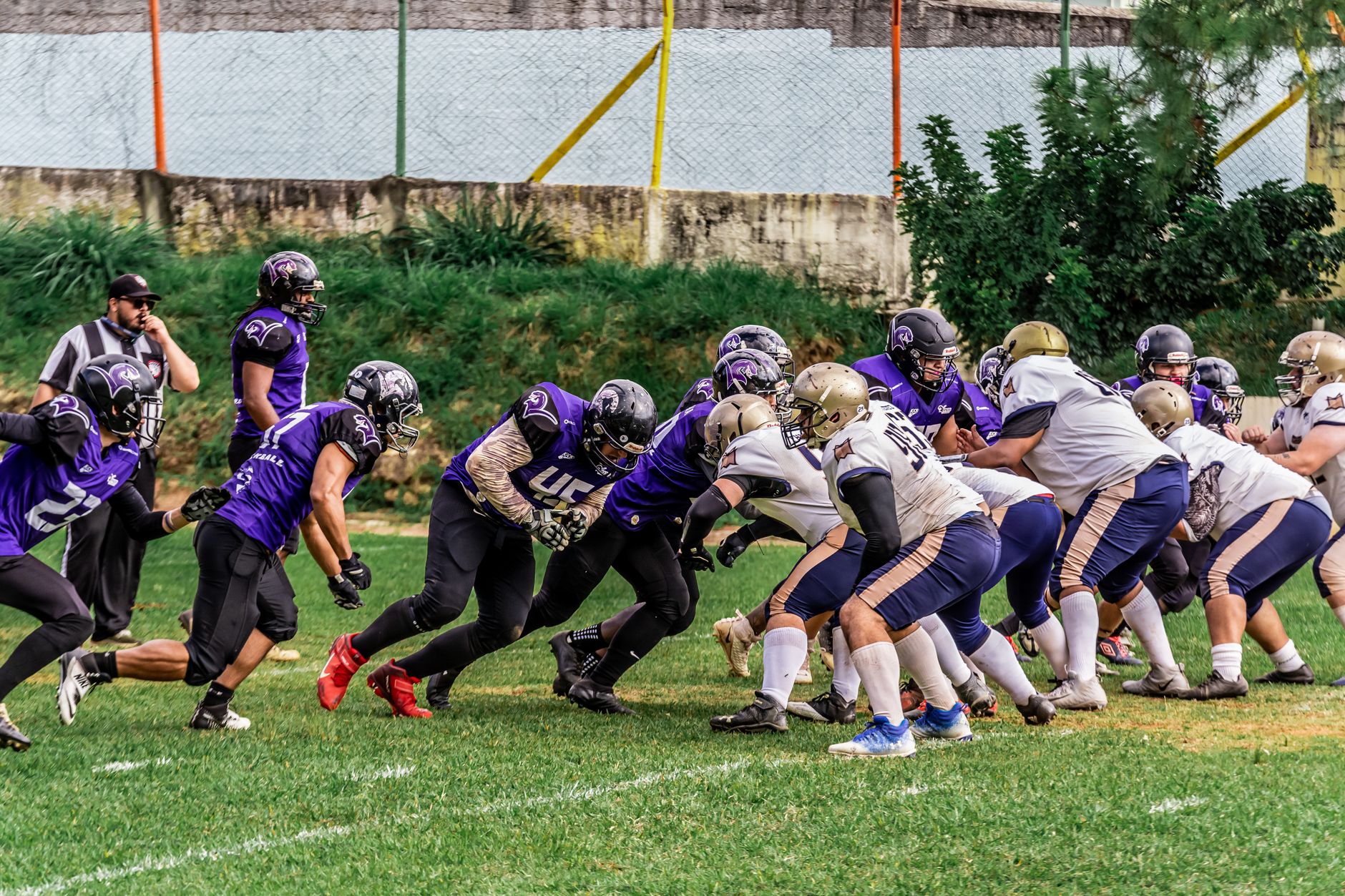
Featured image: Photo by SAULO LEITE on Pexels