
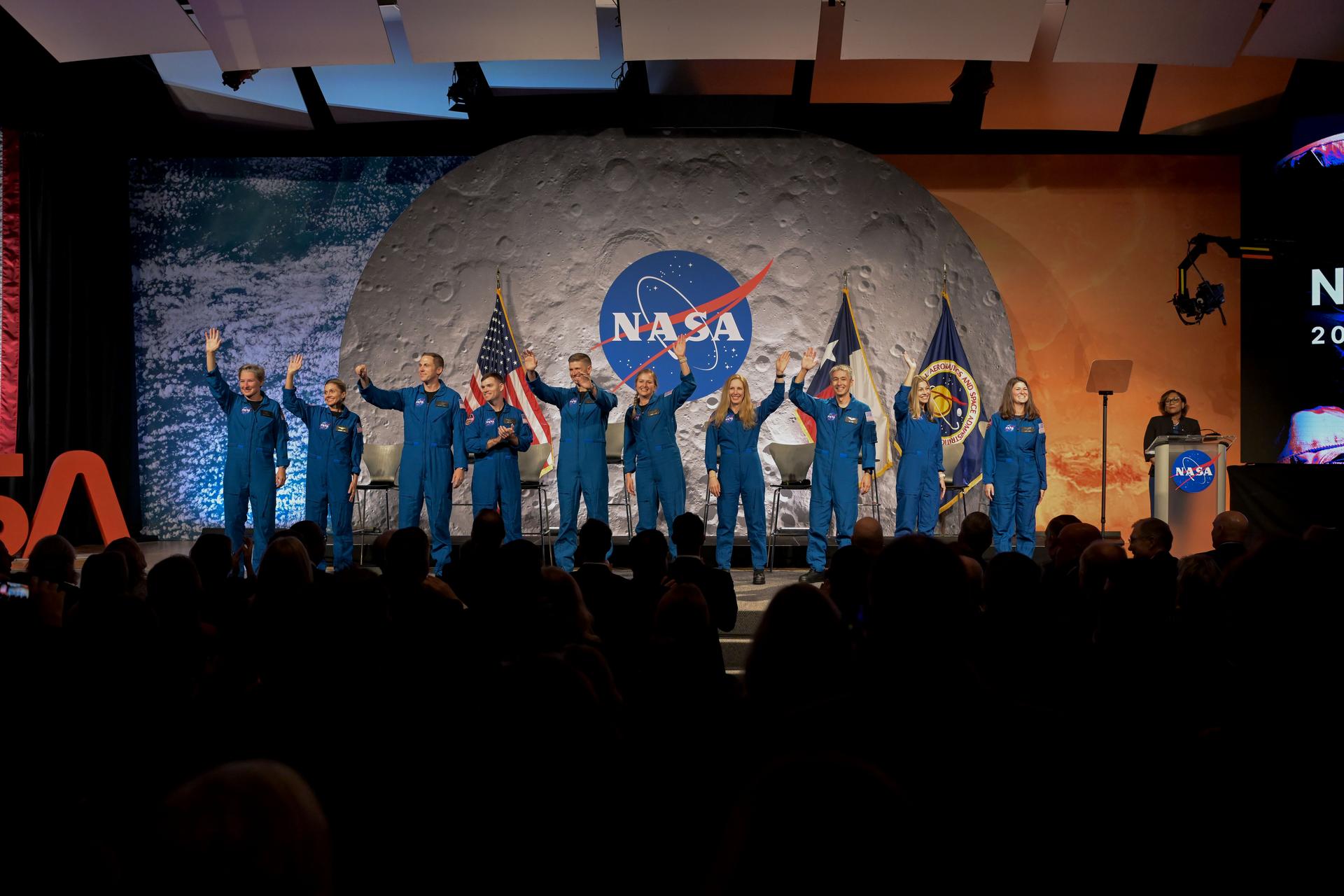
NASA astronaut recruitment has officially entered a new phase as the agency opens Applications for a fresh class of explorers tasked with leading humanity’s return to the lunar surface and the eventual journey to Mars.
Key Takeaways
- The Mission: NASA is seeking a new generation of astronaut candidates to support the Artemis program, focusing on lunar habitation and Mars exploration.
- The Deadline: Applications for the new cohort must be submitted by 11:59 p.m. ET on Thursday, December 3.
- Strict Eligibility: Candidates must be U.S. citizens with advanced STEM degrees, medical qualifications, or specialized pilot experience.
- High Competition: The selection process is notoriously difficult; in the 2025 cycle, only 10 candidates were chosen from over 8,000 applicants.
- Long-term Goal: Successful candidates will undergo training to potentially live and work at a permanent Moon Base and participate in deep-space transit missions.
A New Era of Exploration: What Happened
NASA has officially launched a call for a new generation of astronauts, marking a significant expansion of its astronaut corps to meet the demands of the Artemis program. The announcement was made on Saturday during a Kennedy Space Center air show, an event designed to showcase the latest advances in aviation, technology, and lunar exploration.
According to NASA, the agency is searching for individuals capable of helping to “shape humanity’s future in space.” This recruitment drive is not merely a routine staffing update; it is a strategic move to build the human capital necessary to establish a permanent presence on the Moon and to lay the operational groundwork for the first crewed missions to Mars.
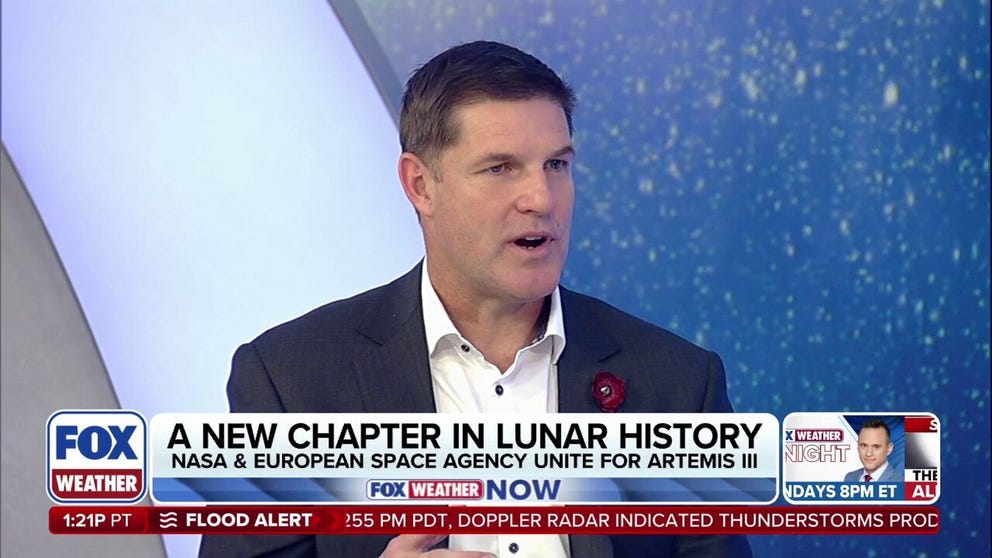
NASA administrator Jared Isaacman emphasized the gravity of the opportunity, stating, “This is an extraordinary time to join NASA’s astronaut corps. The people we select could walk on the Moon, live and work at the Moon Base, and help pioneer the systems and operations that will ultimately carry crews to Mars.”
While the agency is looking for the best of the best, the path to selection is rigorous. NASA expects to finalize its selection of the new class in late 2027, at which point the successful candidates will begin an intensive training program. This follows the previous recruitment cycle in 2024, which saw a massive influx of interest but a highly selective outcome, with only 10 astronauts accepted from a pool of more than 8,000 applicants in September 2025.
Why the Recruitment Matters: The Artemis Ambition
This recruitment drive is the human component of the Artemis program, NASA’s ambitious architecture for returning humans to the Moon. Unlike the Apollo missions of the 1960s and 70s, which were characterized by short-term visits, the Artemis era is defined by sustainability. The agency’s goals include establishing a lunar base and exploring the lunar South Pole—a region of high scientific interest due to its potential for water ice resources.
As NASA transitions from Low Earth Orbit (LEO) operations, such as those conducted on the International Space Station (ISS), to deep-space exploration, the technical requirements for its crew are evolving. The new cohort of astronauts will need to be proficient in diverse disciplines, including lunar geology, complex spacecraft operations, and the biological challenges of long-duration spaceflight.
By recruiting now, NASA is attempting to build a pipeline of talent that can support a multi-destination mission architecture. This includes operating the Orion spacecraft, utilizing the Gateway (a lunar orbit station), and eventually deploying the Human Landing System to the lunar surface. The ultimate objective is to use the Moon as a proving ground for the much more complex mission of sending humans to Mars in the mid-2030s.
Breaking Down the Requirements: Who Can Apply?
Becoming a NASA astronaut is one of the most competitive professional pursuits in the world. The agency has set high bars for education, professional experience, and physical resilience. All applicants must be U.S. citizens and must be able to pass NASA’s long-duration astronaut flight physical.
Educational and Professional Criteria
To qualify, applicants must demonstrate significant expertise in STEM (Science, Technology, Engineering, and Mathematics) or specialized professional fields. The following table outlines the primary pathways for eligibility:
| Requirement Category | Specific Criteria |
|---|---|
| Citizenship | Must be a U.S. citizen |
| Primary Education | Master’s degree in Engineering, Biological Science, Physical Science, or Computer Science |
| Doctoral Track | Completion of at least two years of work toward a Ph.D. in a relevant technical field |
| Medical Professionals | MD, DO, Physician Assistant (PA), Doctor of Nursing Practice (DNP), or related medical degree |
| Test Pilots | Completion of, or current enrollment in, a recognized Test Pilot School (must finish by July 2027) |
| Pilot (High-Performance) | 750 hours of pilot-in-command time in a high-performance jet aircraft |
| Pilot (Fixed-Wing) | 1,500 total flight hours, including 750 hours as pilot-in-command |
| Pilot (Rotary-Wing) | 1,000 total flight hours, including 300 hours as pilot-in-command |
Note: For those applying via the Test Pilot School route, if the pilot program is the applicant’s only advanced technical degree, they must also hold a bachelor’s degree in a STEM field. Additionally, all applicants must have at least three years of related professional experience following the completion of their qualifying degree.
The Role of Medical and Flight Expertise
NASA is not only looking for scientists and engineers; the agency requires a robust medical presence to manage the physiological effects of deep-space travel. Medical professionals, including doctors and physician assistants, can count their residency training toward the three-year professional experience requirement, provided the training is completed by July 2027.
For the pilot track, the requirements are equally stringent. The agency seeks individuals with proven command experience in high-performance environments, ensuring that those tasked with operating complex spacecraft can handle the high-stakes nature of lunar and Martian transit.
Historical Context: A Legacy of Discovery
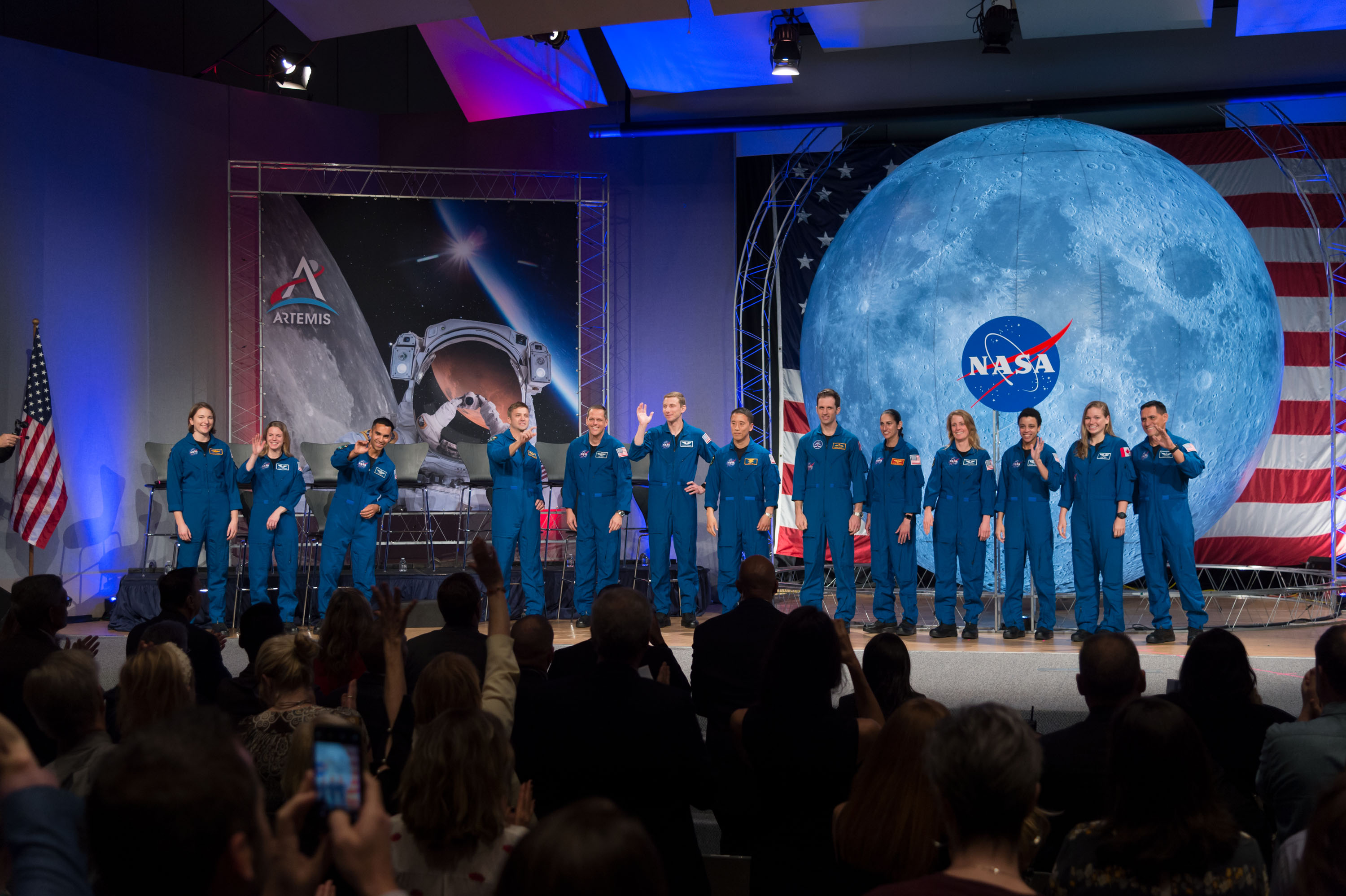
Since the 1960s, NASA has selected a total of 370 people to train as astronaut candidates. This small number relative to the decades of exploration highlights the extreme selectivity of the program. The agency currently maintains an active astronaut corps of 32 astronauts, a group that manages everything from ISS maintenance to upcoming lunar reconnaissance.
In previous recruitment cycles, the volume of interest has been staggering. In the late 2015 cycle, NASA received 18,300 applications. The 2024/2025 cycle also demonstrated this trend, with over 8,000 applicants vying for just 10 spots. This level of competition underscores the prestige of the role and the high level of expertise required to join the “Artemis Generation.”
Stakeholders and Perspectives
The recruitment of new astronauts involves a wide array of stakeholders, from government leaders to the global scientific community.
NASA Leadership
Agency leaders are framing this recruitment as a pivotal moment for the nation. Scott Tingle, chief astronaut and chair of the Astronaut Selection Board at NASA’s Johnson Space Center, noted that the opportunity is more than just a career; it is a “chance to join a legacy of explorers who have pushed the boundaries of discovery.”
Matt Anderson, NASA Deputy Administrator, has echoed this sentiment, describing the current window of opportunity as a call to action for those ready to participate in humanity’s greatest adventure.
The Scientific and Aerospace Community
For the scientific community, the selection of new astronauts means new opportunities for field research. The focus on lunar geology and the potential for long-term habitation requires a workforce that can act as both scientists and technicians.
In the private sector, companies like SpaceX and Blue Origin are key stakeholders. Both companies intend to support crewed lunar landings, meaning the new class of astronauts will likely work alongside commercial partners, blending government oversight with private-sector innovation.
What It Means for You
The implications of this recruitment drive vary depending on your professional background:
- For STEM Graduates and Researchers: If you are currently pursuing a master’s or a doctoral program in engineering, biology, physics, or computer science, this is your window to transition from theoretical research to applied deep-space exploration. However, you must ensure your professional experience and academic milestones are met by the 2027 training window.
- For Pilots and Medical Professionals: The requirements are highly specific. Pilots must ensure their flight hour logs are meticulously documented, particularly regarding pilot-in-command time. Medical professionals should plan their residency or advanced training completion to align with NASA’s July 2027 eligibility deadline.
- For the General Public: This recruitment signals that the era of sustained lunar presence is no longer science fiction. As NASA builds its workforce, the timeline for seeing humans back on the Moon—and eventually Mars—becomes increasingly concrete.
Counterpoints and Open Questions
While the excitement surrounding the Artemis program is palpable, several challenges and questions remain.
High Barriers to Entry
Critics and industry analysts often point to the extreme barrier to entry as a potential drawback. The combination of advanced degrees, years of professional experience, and rigorous flight hours creates a very narrow demographic of eligible candidates. This raises questions about whether NASA can maintain a sufficiently diverse and large pool of talent to support long-term, multi-site missions.
The Risks of Deep Space
There are also significant physiological and psychological risks associated with the missions these astronauts will undertake. Moving from the relatively protected environment of Low Earth Orbit to the radiation-heavy environment of deep space presents medical challenges that are still being studied. The agency must not only recruit the right people but also develop the technologies to keep them safe during the years-long transit to Mars.
Unconfirmed Timelines
While NASA has laid out ambitious targets—such as returning to the Moon in 2028 and reaching Mars in the mid-2030s—these dates are subject to budget approvals, technological breakthroughs, and political shifts. The success of the new astronaut class is inextricably linked to the successful development of the Space Launch System (SLS) and the Orion spacecraft.
What Happens Next
Prospective applicants have until 11:59 p.m. ET on December 3 to submit their materials. Following the application deadline, NASA will begin a multi-stage evaluation process that includes technical assessments and physical screenings.
Key dates to watch include:
- December 3: Application deadline.
- July 2027: Deadline for candidates to complete qualifying programs like Test Pilot School or medical residencies.
- Late 2027: Final selection of the new astronaut candidate class.
- 2028: NASA’s target for returning Americans to the lunar surface.
Frequently Asked Questions
What are the primary educational requirements for NASA astronauts?
Applicants must hold a master’s degree in a STEM field, such as engineering, biological science, physical science, or computer science. Alternatively, they may have completed at least two years of a doctoral program in a relevant technical field, hold a medical degree (MD, DO, PA, or DNP), or be enrolled in a recognized Test Pilot School program that they will complete by July 2027.
Do I need to be a pilot to become a NASA astronaut?
No, being a pilot is not a requirement for all candidates. Many astronauts are selected based on their expertise as scientists, engineers, or medical professionals. However, if you are applying via the pilot track, you must meet specific flight hour requirements, such as 750 hours of pilot-in-command time in high-performance jets or 1,500 total flight hours in other fixed-wing aircraft.
How many people are selected for the NASA astronaut corps?
The number of selected candidates varies by cycle. For example, in the 2025 recruitment cycle, NASA selected 10 candidates from a pool of over 8,000 applicants. Historically, NASA has selected 370 people to train as astronaut candidates since the 1960s.
What is the Artemis program?
The Artemis program is NASA’s current mission architecture designed to return humans to the Moon, establish a sustainable lunar presence (including a Moon Base), and prepare for the first crewed missions to Mars. It involves a combination of NASA-led spacecraft, such as the Orion and SLS, and commercial partnerships with companies like SpaceX.
NASA’s call for new explorers marks a decisive step in the agency’s transition toward deep-space habitation. As the recruitment process unfolds, the world will watch to see which individuals are chosen to lead the next great chapter of human discovery.
References
- NASA Seeks Next Generation of Explorers to Join Astronaut Corps — nasa.gov
- Dream of going to space? NASA is searching for its next generation of astronauts — foxweather.com
- #BeAnAstronaut: NASA Seeks Applicants to Explore Moon, Mars — nasa.gov
- Nasa seeks next generation of astronauts to live and work on the moon — theguardian.com
Featured image: Image via NASA


