fantasy football analysis of the 2026 NFL season reveals a landscape defined by unprecedented injury-driven volatility and complex positional rotations that are forcing managers to rethink their starting lineups. As the league moves into the third week of the season, a wave of significant injuries to star players and the emergence of heavy running back committees have fundamentally altered the reliability of high-end fantasy assets. From the wide receiver corps in Buffalo and New England to the fractured running back hierarchies in Green Bay and New York, the data suggests that stability is currently a luxury for few.
Key Takeaways
- Injury Cascades: Significant injuries to stars like A.J. Brown, DJ Moore, and Mike Evans are creating immediate opportunities for secondary receivers and necessitating urgent waiver wire activity.
- Running Back Volatility: Teams like the Green Bay Packers and New York Giants have implemented multi-player rotations, making it difficult to rely on a single bell-cow back for high-volume production.
- tight End Divergence: While some veterans like Kyle Pitts Sr. struggle with declining snap and route participation, others like Dalton Kincaid and Terrance Ferguson are seeing massive surges in involvement.
- Tactical Shifts: An increasing reliance on 13 personnel (three tight ends) in certain offenses, such as Buffalo, is providing a higher floor for tight ends while limiting pure wide receiver ceilings.
- Quarterback Uncertainty: Injuries to key signal-callers like Jayden Daniels and Caleb Williams are creating secondary ripples, impacting the projected value of all surrounding skill players.
- If you are in a Redraft League: Prioritize depth over star power. The injury-prone nature of the 2026 season means that your bench will be called upon much earlier than usual. Target high-upside backups like Keon Coleman or Kaleb Johnson who could become starters if the primary player goes down.
- If you are in a Dynasty League: Monitor the usage of rookie tight ends like Terrance Ferguson and Brock Bowers. Their increasing snap shares are more indicative of long-term value than a single week’s box score.
- If you are struggling with Injuries: Look for “buy-low” candidates who are benefiting from teammates’ absences. Players like Rashod Bateman in Baltimore or Romeo Doubs in New England may see temporary spikes in value that can be leveraged in trades.
- Injury Returns: The return of A.J. Brown (4–6 weeks) and Jayden Reed will be the most significant tests for WR depth charts.
- Running Back Consolidation: Watch the Green Bay Packers to see if Kaleb Johnson or MarShawn Lloyd can pull away from the rotation to become a clear lead back.
- Tight End Trajectories: Monitor whether Kyle Pitts Sr. can regain his 80%+ route participation rate or if the Falcons’ new offensive plan permanently limits his ceiling.
- www.pff.com
- www.pff.com
- www.pff.com
- www.pff.com
- www.pff.com
- www.pff.com
What Happened: The Week 2 Landscape
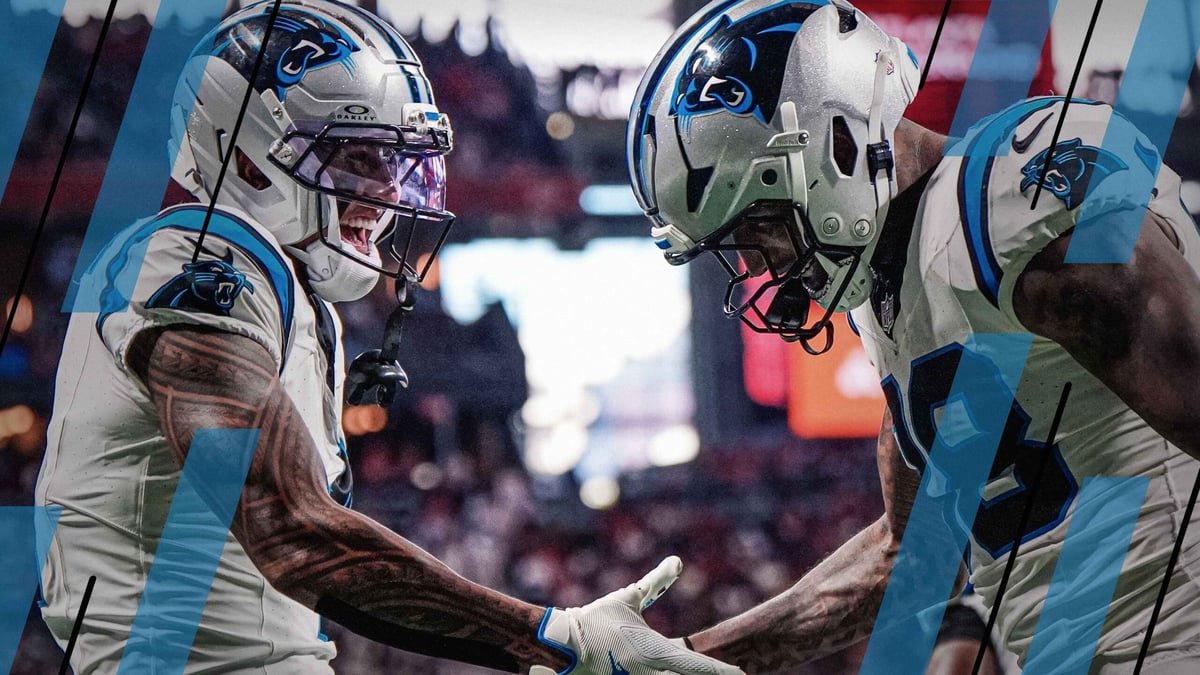
During the second week of the 2026 NFL season, several key matchups provided a snapshot of the current fantasy environment. According to reports from PFF, the week was marked by a series of medical setbacks and tactical adjustments that shifted player value overnight. In New England, A.J. Brown suffered a high ankle sprain and was ruled out, while in Buffalo, DJ Moore was sidelined following a shoulder injury and stinger.
In the running game, the Green Bay Packers continued to struggle with a three-man rotation involving MarShawn Lloyd, Kaleb Johnson, and Chris Brooks, as Josh Jacobs remains on the Commissioner’s Exempt List. Meanwhile, in New York, the Giants utilized a complex four-man rotation including Najee Harris, Cam Skattebo, Devin Singletary, and Tyrone Tracy Jr.
Why It Matters: The Impact of Positional Volatility
The primary concern for fantasy managers is the loss of predictable volume. In previous seasons, a star player’s value was often tied to a guaranteed workload. However, the 2026 data shows that even elite players are subject to sudden shifts in hierarchy due to injury or coaching preference.
When a player like A.J. Brown is removed from a lineup, it does not just impact his replacement; it changes the entire target distribution of the offense. Similarly, the implementation of three-man or four-man running back committees reduces the ceiling for any individual player, turning what were once “must-start” RB1s into high-risk RB2s or even flex options. The statistical reality is that the “bell-cow” back is becoming an increasingly rare commodity.
Deep-Dive: The Running Back Rotation Chaos
The running back position has become the most unpredictable segment of the fantasy landscape. Several teams have moved away from a single lead back in favor of specialized roles, which complicates weekly lineup decisions.
The Green Bay and New York Models
In Green Bay, the absence of Josh Jacobs has forced a fragmented approach. MarShawn Lloyd and Kaleb Johnson have shared duties, with Lloyd often leading in snaps while Johnson and Chris Brooks handle specific situations. This split makes it nearly impossible to project a consistent workload. Furthermore, the Packers’ run-blocking grade has been among the bottom three in the league over the first two weeks, compounding the difficulty for these backs.
In New York, the Giants’ approach is even more complex. The rotation between Najee Harris, Cam Skattebo, Devin Singletary, and Tyrone Tracy Jr. has seen significant shifts even within a single game. For example, Skattebo dominated the third quarter with 11 offensive snaps, but the team’s tendency to use multiple backs for different situations—such as Singletary for receiving and Harris for red-zone carries—means no single player is safe from a drop in usage.
Emerging Lead Backs
Despite the volatility, some players are carving out dominance. In Tampa Bay, Bucky Irving has taken a commanding lead, recording 17 carries compared to Kenny Gainwell’s two. In Detroit, Jahmyr Gibbs has assumed nearly all goal-line and short-yardage duties following the trade of David Montgomery, recording 29 carries for 156 yards and two touchdowns.
| Team | Primary Back(s) | Secondary/Rotation | Context |
|---|---|---|---|
| Green Bay Packers | MarShawn Lloyd | Kaleb Johnson, Chris Brooks | Josh Jacobs on Exempt List |
| New York Giants | Cam Skattebo | Najee Harris, Singletary, Tracy Jr. | Four-man rotation |
| Tampa Bay Bucs | Bucky Irving | Kenny Gainwell | Irving leading rotation |
| Detroit Lions | Jahmyr Gibbs | Sione Vaki | Post-Montgomery trade |
| Carolina Panthers | Chuba Hubbard | Jonathon Brooks | Brooks seeing 2-minute drill usage |
Deep-Dive: Wide Receiver Instability and Injury Fallout
Wide receivers are facing a dual threat: physical injuries and tactical shifts in personnel groupings. The injury list for the position is extensive, and the fallout is being felt across multiple divisions.
The New England and Buffalo Crises
New England is currently navigating a wide receiver crisis. The loss of A.J. Brown to a high ankle sprain (expected to sideline him for 4–6 weeks) has forced Mack Hollins and Romeo Doubs into higher-leverage roles. While Doubs has shown higher route participation, his utility remains tied to the team’s game script.
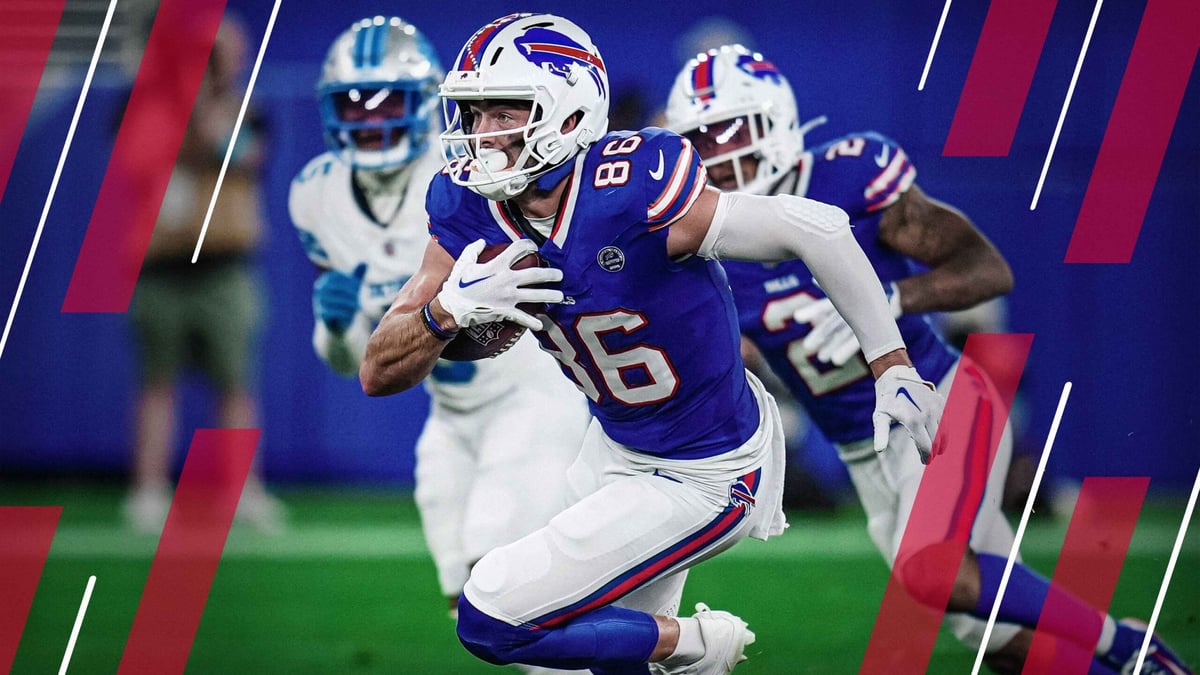
In Buffalo, the injury to DJ Moore has forced a shift in how the Bills attack. Prior to his exit, the team used Keon Coleman and Joshua Palmer in a specific hierarchy. Following the injury, the team has leaned more heavily into 11 and 13 personnel sets, increasing the workload for Coleman, who finished his Week 2 game with six receptions for 63 yards.
The San Francisco and Green Bay Impact
The 49ers’ receiving corps has been described as “decimated” following the loss of Mike Evans (hip injury) and Demarcus Robinson (high-ankle sprain). This has led to increased passing-situation usage for tight end George Kittle, who recorded 4 receptions for 80 yards and a touchdown.
In Green Bay, Jayden Reed was removed from the game on a stretcher due to a neck injury. While the Packers have utilized Matthew Golden as an X receiver, the loss of Reed leaves a void in the slot that the team is attempting to fill with Bo Melton and Skyy Moore. However, Moore’s snap rate has not yet translated into significant fantasy value.
Deep-Dive: Tight End Usage and the Rise of the “Must-Starts”
While the running back and wide receiver positions are defined by chaos, the tight end position is seeing a divergence between struggling veterans and surging young talent.
The Rise of Kincaid and Ferguson
Dalton Kincaid of the Buffalo Bills has emerged as a premier fantasy asset. His involvement has spiked significantly, with a 71.1% route participation rate in Week 2. This is a major improvement from his 2025 season, where his participation was limited by a PCL injury.
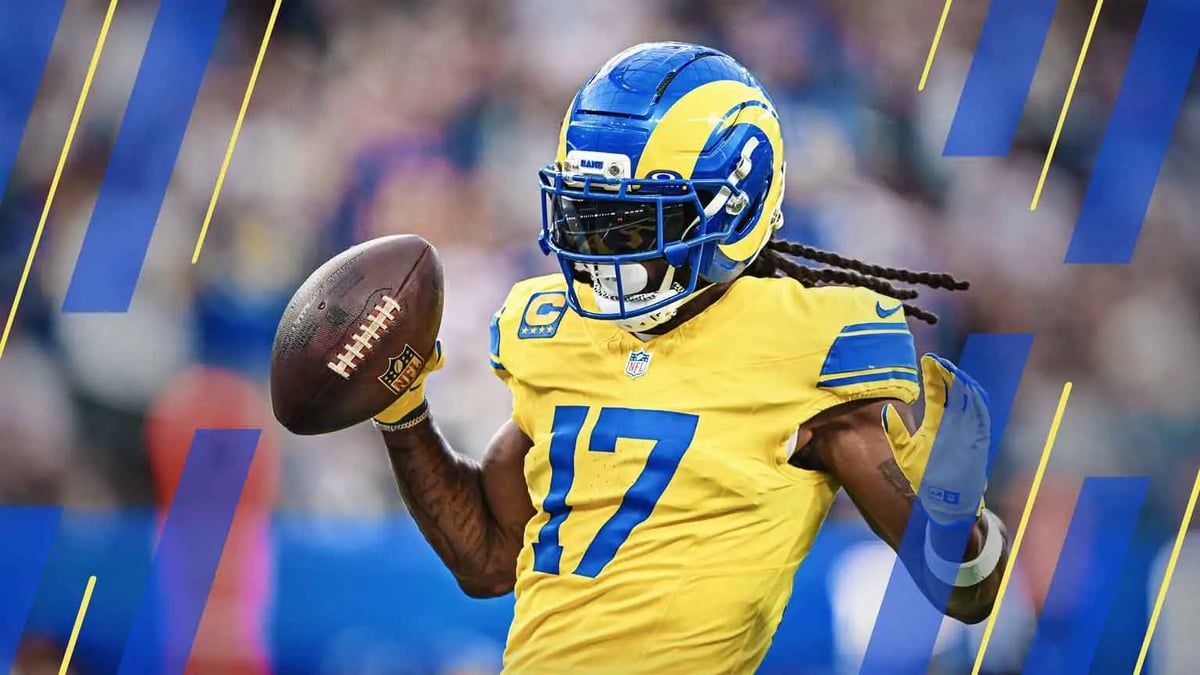
Similarly, Terrance Ferguson of the Los Angeles Rams is showing significant growth. He has begun cutting into Colby Parkinson’s early-down snaps in 11 personnel, catching 6 passes for 54 yards and a touchdown in Week 2. This expansion of his role suggests a path toward becoming a high-volume starter.
The Struggle of the Elite
Conversely, Kyle Pitts Sr. remains a non-factor for the Atlanta Falcons. Despite his talent, his snap rate and route participation have fallen well below his 2025 levels. In Week 2, his route participation was in the 70s, which is lower than his previous season’s averages. The Falcons’ coaching staff has implemented different plans for Pitts in 2026, often utilizing him in ways that do not maximize his target share.
Tactical Shifts: The Power of Personnel Groupings
A critical component of the 2026 season that often goes unnoticed by casual fans is the shift in personnel groupings. The use of 13 personnel (one running back, three tight ends) is becoming a tactical staple for several teams.
In Buffalo, the Bills have utilized 13 personnel on double-digit plays in both Week 1 and Week 2. This shift is designed to bolster the run game and create mismatches in the red zone, but it has the secondary effect of increasing the floor for tight ends like Dalton Kincaid. This trend suggests that the era of the pure, high-volume receiving tight end may be giving way to a more versatile, multi-role usage pattern.
What It Means for You
As a fantasy football manager, your strategy must adapt to this environment of volatility.
Counterpoints and Open Questions
While the trend toward heavy rotations and injury-driven shifts is evident, some analysts argue that this is a temporary phenomenon. There is a possibility that as the season progresses and players like A.J. Brown or Jayden Reed return, the hierarchies will stabilize, and the “committee” approach will be abandoned in favor of traditional roles.
Furthermore, an open question remains regarding the health of key quarterbacks. If Jayden Daniels or Caleb Williams face extended absences, the entire offensive ecosystem for their respective teams will change again. Will the teams lean into more conservative, run-heavy schemes, or will they accelerate the development of rookie wide receivers? The answer will dictate the fantasy value of every skill player on those rosters.
What Happens Next
In the coming weeks, several catalysts will determine the next phase of fantasy value:
Frequently Asked Questions
Should I start Kyle Pitts in Week 3?
nBased on current usage patterns, Pitts is a risky start. While his talent is undeniable, his snap rate and route participation have declined significantly compared to his 2025 season. Until he shows a consistent increase in target share, he may be better suited for a flex position rather than a primary tight end slot.
Who is the best waiver wire target for wide receivers?nDepending on your league’s needs, Keon Coleman is a high-priority target if the Bills’ injury situation persists. Additionally, Romeo Doubs offers some upside in New England if the team continues to play from behind, providing more passing opportunities.
Is the Green Bay running back rotation permanent?
It is unclear. While the current three-man rotation is a necessity due to Josh Jacobs’ status on the Commissioner’s Exempt List, the team may move toward a single lead back once Jacobs returns or if one of the current backups, such as Kaleb Johnson, demonstrates consistent efficiency.
How does the use of 13 personnel affect fantasy scoring?
The use of 13 personnel generally increases the floor for tight ends by guaranteeing them more snaps in heavy sets. However, it can also lower the ceiling for wide receivers by reducing the number of pure passing downs (11 personnel) available in a game.
Closing
The 2026 NFL season is proving to be a masterclass in adaptability. For fantasy football managers, the ability to parse through player usage stats and respond to injury-driven shifts will be the difference between a championship run and a mid-season collapse
References
Featured image: Image via PFF