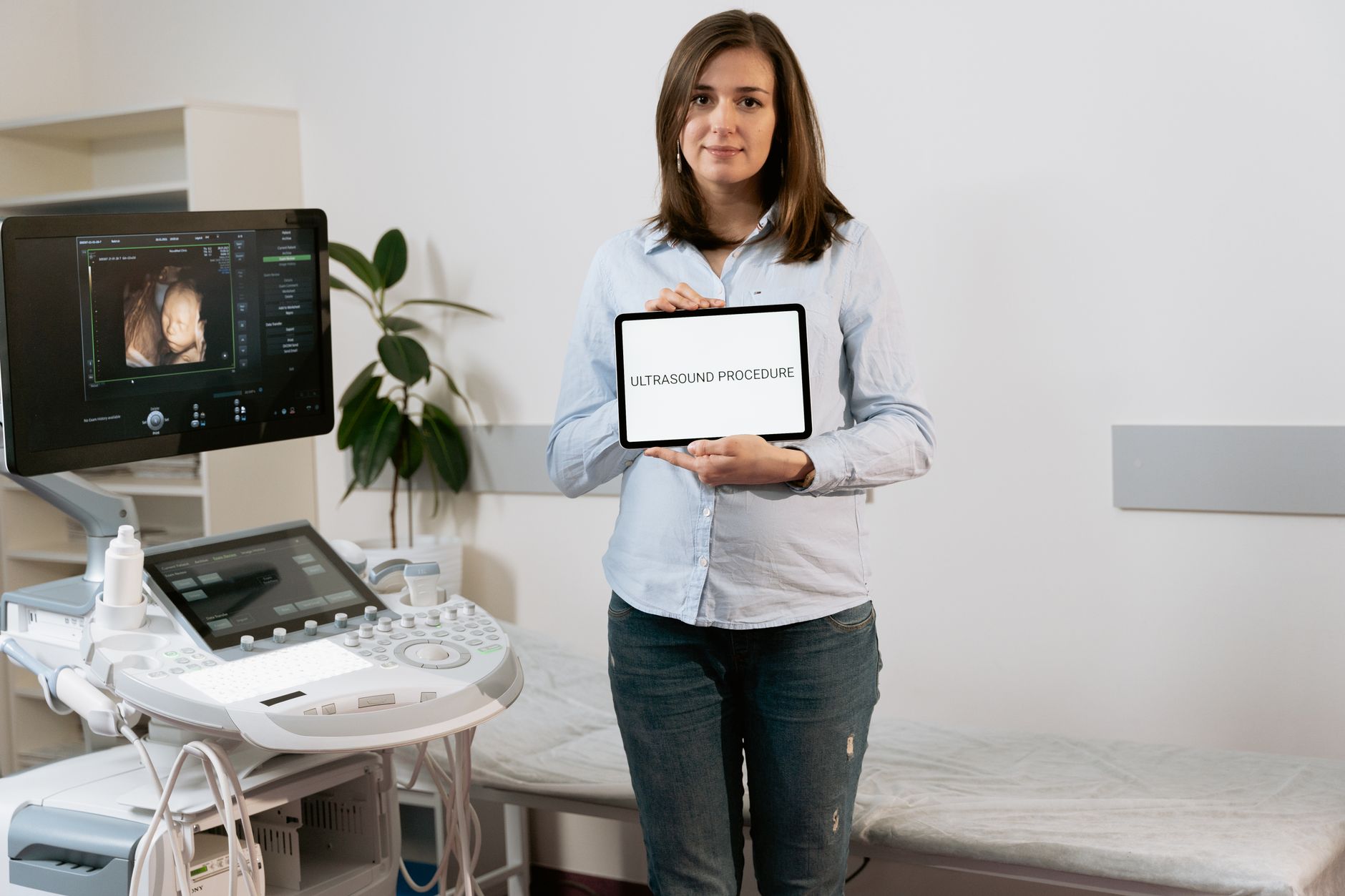
The potential womb infection autism link has become a central focus for neurodevelopmental researchers seeking to understand the complex environmental triggers behind autism spectrum disorder (ASD). As scientific understanding of the prenatal environment evolves, evidence suggests that the mother’s immune response to infection during pregnancy may play a significant role in shaping the developing fetal brain.
Key Takeaways
- Immune Activation: Maternal Immune Activation (MIA) is a primary mechanism being studied for its impact on fetal neurodevelopment.
- Cytokine Role: Inflammatory signaling molecules, known as cytokines, may cross the placental barrier or trigger systemic changes that affect the fetus.
- Timing Matters: The specific trimester in which an infection occurs may dictate the type of neurodevelopmental impact.
- Correlation vs. Causation: While a link exists, researchers are working to determine if the infection itself or the body’s immune response is the primary driver.
- Clinical Implications: Understanding these risks could lead to new prenatal monitoring strategies and preventative care for high-risk pregnancies.
- First Trimester: This is the period of rapid cell division and the foundational establishment of the neural tube. Disruptions here may affect the very structure of the brain.
- Second Trimester: This period is characterized by intense neuronal migration, where cells move to their designated locations to form specific brain regions.
- Third Trimester: This stage focuses on synaptogenesis (the formation of connections) and the beginning of intensive pruning. Inflammation during this window may impact how these connections are refined.
- For Pregnant Individuals: Maintaining a healthy immune system through nutrition, adequate sleep, and following medical advice regarding vaccinations and infections is paramount. If you experience a high fever or a significant infection, it is vital to communicate this immediately to your obstetrician or healthcare provider.
- For Healthcare Providers: This research highlights the need for careful monitoring of maternal inflammatory markers during pregnancy, especially in cases of known infection. Early identification of high-risk inflammatory states may eventually allow for more targeted supportive care.
- For Families: Understanding the biological complexities of ASD can help reduce the stigma often associated with neurodevelopmental conditions, reframing them as a result of complex biological interactions rather than individual or parental failings.
- The Genetic Interplay: To what extent does a child’s genetic predisposition make them more susceptible to the effects of maternal immune activation?
- The Microbiome Factor: How does the mother’s gut microbiome influence her immune response to infection, and how does that, in turn, affect the fetus?
- Pathogen Specificity: Are certain viruses or bacteria significantly more “neuro-active” than others, or is the common denominator simply the magnitude of the immune response?
- www.thetimes.com
What Happened
For decades, the origins of autism spectrum disorder have been attributed to a complex interplay of genetic predispositions and environmental factors. However, recent longitudinal studies and clinical observations have increasingly pointed toward the intrauterine environment as a critical period of vulnerability. Researchers have observed that mothers who experience significant systemic infections during pregnancy—ranging from viral illnesses to bacterial complications—show a higher statistical correlation with children later diagnosed with ASD.
According to recent neurodevelopmental studies, this phenomenon is not necessarily caused by the pathogen directly infecting the fetus, but rather by the mother’s own immune system reacting to the presence of the invader. This process, referred to as Maternal Immune Activation (MIA), involves a cascade of inflammatory responses designed to protect the mother, which may inadvertently disrupt the delicate signaling required for healthy fetal brain architecture.
Why It Matters
This research is significant because it shifts the conversation from purely genetic determinism to a more nuanced understanding of environmental epigenetics. If the womb infection autism link is substantiated through more definitive causal pathways, it could revolutionize prenatal care. For millions of pregnant individuals, this knowledge could lead to more aggressive management of infections, more precise monitoring of inflammatory markers, and a better understanding of how to mitigate risks during high-vulnerability windows of gestation.
Furthermore, the implications extend to public health policy, potentially influencing vaccination strategies for pregnant women and the management of common seasonal illnesses. By identifying the specific biological pathways through which inflammation affects the brain, medical science moves closer to developing targeted interventions that could protect neurodevelopmental outcomes.
Understanding the Womb Infection Autism Link
To understand how an infection in the mother can impact the brain of a child, one must look at the intricate communication between the maternal immune system and the developing fetal nervous system. The brain is not a static organ; it is a highly dynamic structure that relies on precise timing, chemical signaling, and cellular migration to form its complex networks.
The Mechanism of Maternal Immune Activation (MIA)
When a pregnant person is infected with a pathogen, the body releases cytokines—small proteins that act as messengers for the immune system. These cytokines are essential for fighting infection, but they also serve as potent signaling molecules that can influence various physiological processes.
Medical experts suggest that during periods of intense inflammation, these cytokines can influence the placental environment. The placenta, which serves as the life-support system for the fetus, is not an impenetrable wall. While it protects the fetus from many harmful substances, it is also designed to allow the passage of essential nutrients and hormones. Researchers have found that certain inflammatory signals can bypass or alter the function of the placental barrier, potentially reaching the fetal circulation.
The Role of Microglia
Once these inflammatory signals reach the fetal environment, they may interact with microglia. Microglia are the resident immune cells of the brain. In a healthy developing brain, microglia play a vital role in “synaptic pruning”—the process of refining neural connections by removing unnecessary or weak synapses.
If the fetal brain is exposed to an overabundance of maternal cytokines, the microglia may become hyper-activated. Instead of performing their delicate pruning duties, these cells may engage in excessive or inappropriate inflammatory activity. This can lead to altered neural connectivity, which is a hallmark characteristic of the neurodivergent brain structures seen in autism spectrum disorder.
| Immune Trigger | Primary Mechanism | Potential Neurodevelopmental Impact |
|---|---|---|
| Viral Infection | Systemic cytokine surge | Altered neuronal migration and connectivity |
| Bacterial Infection | Localized inflammatory response | Increased microglial activation in the fetal brain |
| Chronic Inflammation | Sustained cytokine levels | Disruption of synaptic pruning and brain architecture |

Timing: The Critical Windows of Gestation
Not all infections are created equal in the context of neurodevelopment. The timing of the immune response appears to be a decisive factor in the potential outcome. The developing brain undergoes different stages of specialization throughout the three trimesters, and each stage has unique vulnerabilities.
What It Means for You
If you are currently pregnant or planning a pregnancy, understanding this research is about informed proactive health management rather than anxiety.
Counterpoints and Open Questions
Despite the compelling evidence, the scientific community remains cautious about declaring a direct cause-and-effect relationship. One of the primary counterpoints is the distinction between correlation and causation. While many children with autism have mothers who experienced infection, it is not yet proven that the infection was the sole or primary cause.
There are several open questions that continue to drive research:
What Happens Next
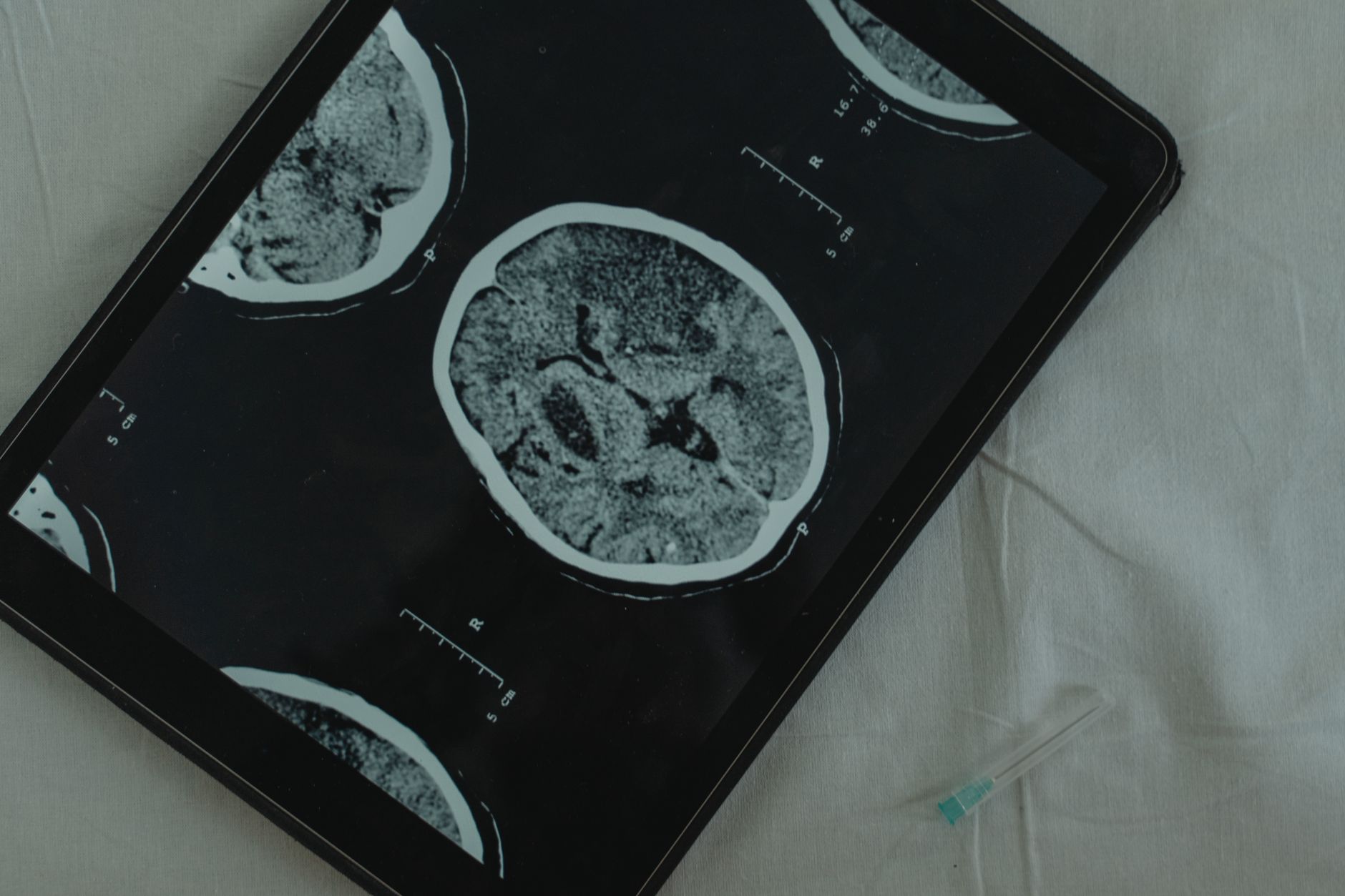
The next phase of research is moving toward large-scale, multi-omic studies that combine genetic data with detailed maternal health histories. Scientists are looking for specific “biomarkers” in maternal blood that could predict neurodevelopmental risk.
Additionally, more work is being done in animal models to isolate the specific cytokines responsible for these changes. This could eventually lead to the development of maternal immunotherapies—treatments designed to dampen the specific inflammatory pathways that are harmful to the fetus without compromising the mother’s ability to fight the actual infection.
Frequently Asked Questions
Does a fever during pregnancy cause autism?
While a high fever is associated with increased risks, it is not a guaranteed cause. The risk is related to the body’s inflammatory response to the cause of the fever (such as a virus or bacteria). Medical professionals generally recommend managing fevers promptly with approved medications to minimize systemic inflammation.
Is it the virus itself that affects the baby, or the mother’s immune system?
Current research suggests that the mother’s immune response—specifically the release of cytokines—is a major driver of neurodevelopmental changes. While some pathogens can cross the placenta and directly affect the fetus, much of the observed impact appears to stem from the maternal immune activation (MIA) process.
Can I prevent autism by avoiding all infections during pregnancy?
It is impossible to avoid all infections, and the body’s immune system is essential for protecting both the mother and the fetus. The goal of medical science is not to eliminate the immune response, but to understand how to manage infections and inflammation effectively to support the healthiest possible environment for development.
Are vaccinations safe during pregnancy regarding this risk?
Medical consensus and major health organizations emphasize that vaccinations are a critical tool in preventing the very infections that trigger harmful maternal immune activation. Vaccines are designed to trigger a controlled, targeted immune response that is much safer for the fetus than the unpredictable and systemic inflammation caused by a natural infection.
Closing Paragraph
The investigation into the womb infection autism link represents a frontier in our understanding of human development. By bridging the gap between immunology and neurology, researchers are uncovering the profound ways in which the maternal environment shapes the future of the child
References
Featured image: Photo by MART PRODUCTION on Pexels